English
 Español
 italiano
Content
- 1 Printed Fabric, Specialty Fabric, and Custom Printed Fabric: A Direct Overview
- 2 Common Types and Characteristics of Printed and Specialty Fabric
- 3 How Custom Printed Fabric Is Made: Printing Methods and Fabric Structure
- 4 Application Scenarios and Selection Criteria for Custom Printed Fabric
- 5 Market Trends and Demand Outlook for Printed and Specialty Fabric
- 6 Detailed Comparison: Digital, Reactive, Pigment, and Rotary Screen Printing
- 7 Maintenance and Care Guidance for Printed and Specialty Fabric
- 8 Choosing a Reliable Printed Fabric Manufacturer and Specialty Fabric Supplier
- 9 Frequently Asked Questions
- 9.1 Q1: What is the main difference between printed fabric and specialty fabric?
- 9.2 Q2: Which printing method suits small-batch custom printed fabric orders?
- 9.3 Q3: What fiber content works best for reactive printed cotton fabric?
- 9.4 Q4: How is colorfastness typically tested before bulk production?
- 9.5 Q5: What should buyers look for in a custom printed fabric manufacturer?
- 9.6 Q6: Can specialty finishes be combined with custom printing on the same fabric?
Printed Fabric, Specialty Fabric, and Custom Printed Fabric: A Direct Overview
Printed fabric is any woven or knitted textile that receives a pattern, motif, or color design after the base cloth has been constructed, most commonly through digital inkjet printing, rotary screen printing, or dye-based reactive and pigment printing. Specialty fabric is a broader category describing textiles engineered or finished for a specific functional or visual purpose beyond a plain, undecorated cloth; this can include printed fabric, but it also extends to coated, brushed, water-repellent, or otherwise performance-finished materials that never carry a printed design at all. Custom printed fabric describes fabric printed to a buyer's own artwork, colorway, or repeat pattern rather than selected from an existing stock print catalog, which is the format most apparel brands, home textile companies, and promotional goods manufacturers request when sourcing at scale. For a business buyer, the practical difference between these three terms determines minimum order quantity, lead time, and the type of manufacturer best suited to the order.
This distinction matters when comparing suppliers, because a factory that only runs rotary screen printing on stock patterns is not automatically equipped to handle small-batch custom printed fabric wholesale orders built from buyer-supplied artwork, and a specialty fabric supplier focused on functional finishes may not operate any printing lines at all. Buyers searching for a printed fabric manufacturer often actually need a partner that manages the full sequence from greige fabric or cotton yarn sourcing through printing, fixation, and finishing, since fragmented supply chains tend to introduce more variation in colorfastness and hand feel between production batches. The sections below cover common types of printed and specialty fabric, the technical processes behind them, how to select the right option for a given application, current demand trends, and practical maintenance guidance.
Key takeaway: custom printed fabric is defined by the printing process applied to a base cloth, while specialty fabric is defined by functional or performance characteristics — many B2B buyers actually need both attributes combined in a single sourcing specification.
Common Types and Characteristics of Printed and Specialty Fabric
Printed and specialty fabric can be grouped along three overlapping dimensions: base fiber content, printing method, and added functional finish. Base fiber content typically falls into cotton, polyester, cotton-polyester blends, and natural-look fibers such as linen or linen-blend constructions, and each interacts differently with dye chemistry, which affects which printing method is realistic for a given order. Printing method distinguishes reactive printed cotton fabric, pigment printed fabric, digital printed fabric, and rotary screen printed fabric, and each of these produces a measurably different hand feel, color depth, and wash performance. Specialty finishes layered on top of a printed base, such as brushed or peached surface treatments, water-repellent coatings, or flame-retardant treatments, extend the functional range of the fabric well beyond decoration alone. Because these three dimensions combine independently, the number of realistic custom printed fabric configurations available to a buyer is large, which is why a clear technical specification at the sourcing stage matters more than style preference alone.
| Category | Typical Fiber Base | Common Print Method | Typical End Use |
|---|---|---|---|
| Reactive Printed Cotton Fabric | Cotton | Reactive printing | Apparel, bedding, quilting |
| Pigment Printed Fabric | Cotton, polyester, blends | Pigment printing | Home textiles, bags, workwear |
| Digital Printed Fabric | Cotton, polyester | Digital inkjet (single or multi-pass) | Short-run apparel, sampling, soft signage |
| Rotary Screen Printed Fabric | Cotton, blends | Rotary screen printing | Large-repeat bulk orders |
| Specialty Finished Fabric | Varies by finish | Printing plus coating/brushing/flame-retardant treatment | Outdoor textiles, upholstery, technical apparel |
Popular Custom Printed Fabric Bases
Cotton Poplin
Lightweight, tight plain weave; crisp hand suited to shirting and light apparel prints. Cotton Twill
Diagonal weave with more body; common for workwear and structured garments. Cotton Canvas
Heavier, durable construction suited to bags, upholstery, and outdoor items. Poly-Cotton Blend
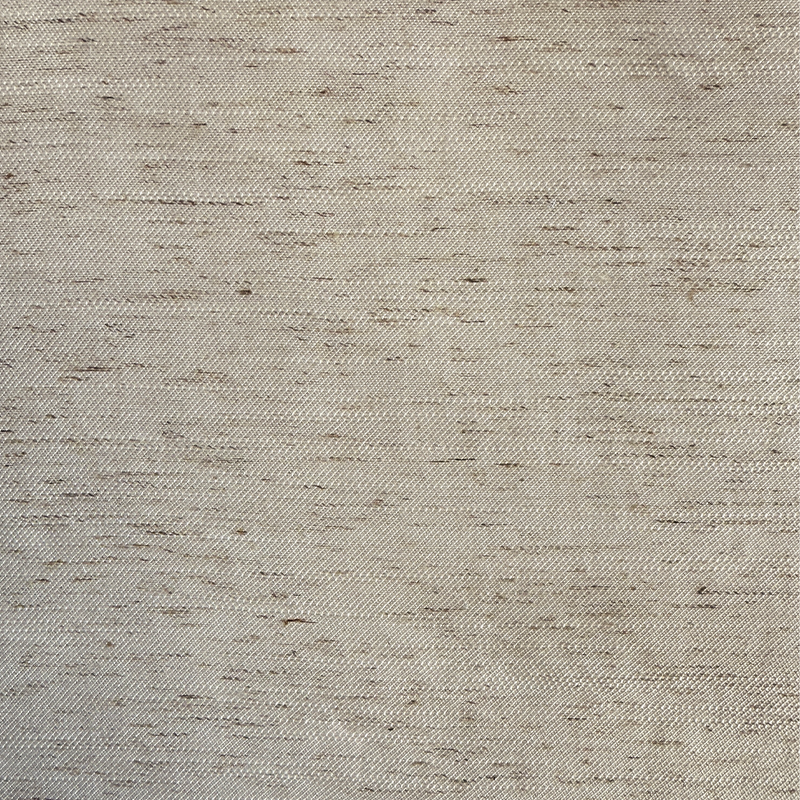
Balances soft hand with easy-care durability for mid-market goods. Linen-Look Woven
Natural-fiber aesthetic for premium home textile and lifestyle positioning.
Before comparing individual print methods, it helps to see how printed fabric production is distributed across base fiber types in current manufacturing volume. Substrate choice is one of the first specification decisions a buyer makes, because it constrains which printing and fixation processes are technically compatible. The chart below summarizes an approximate distribution of global printed fabric volume by fiber base, compiled directionally from several industry market research reports rather than a single proprietary source. These figures are illustrative rather than exact, since methodology varies between research providers, but the relative ranking is consistent across the reports reviewed. Reviewing this distribution before finalizing a base fabric can help buyers avoid specifying a fiber and print combination that is uncommon or harder to source at competitive lead times.
Cotton remains the leading substrate for printed fabric production, representing roughly half of total volume across the reports reviewed, largely because reactive dye printing on cotton achieves strong colorfastness and a soft hand feel that many apparel and home textile buyers specify by default. Polyester follows as the second-largest base fiber, and several market analyses identify it as the fastest-growing segment, a trend linked to sublimation-compatible ink systems, wrinkle resistance, and lower relative processing cost for high-volume synthetic goods such as sportswear and soft signage. Cotton-polyester blends occupy a smaller but meaningful share, offering a middle ground between the softness of cotton and the durability and easy-care properties of polyester, making them a common choice for mid-market home textile and workwear-adjacent applications. Other natural fibers, including linen and linen-blend constructions, make up the smallest share shown here, reflecting both higher raw material cost and more limited compatibility with some high-speed printing equipment. Buyers targeting a premium or natural-fiber positioning should generally expect longer lead times and higher minimums when specifying these fibers relative to cotton or polyester. This pattern also has supply chain implications: because cotton and polyester dominate volume, most established printed fabric manufacturer and specialty fabric supplier networks are optimized around those two fibers, which tends to mean better equipment availability, steadier scheduling, and shorter typical lead times. Buyers requesting less common fiber bases should build in additional qualification time and confirm minimum order quantities early in the sourcing conversation. It is also worth noting that fiber share does not map directly onto printing method share, since cotton and polyester fabric can each be finished using digital, reactive, pigment, or screen-based methods depending on the ink system a given factory operates. Regional manufacturing capacity plays a role as well, with several reports identifying Asia-Pacific as both the largest and fastest-growing production region for printed textiles, reflecting a concentration of integrated greige fabric, cotton yarn, and printing capacity in the region. For buyers evaluating a custom printed fabric wholesale program, aligning the fiber specification with these established volume patterns generally supports more predictable costing and delivery performance.
Key takeaway: cotton and polyester together account for the large majority of printed fabric volume, so specifying one of these as the base substrate generally supports the widest supplier options and the most predictable lead times.
How Custom Printed Fabric Is Made: Printing Methods and Fabric Structure
Every custom printed fabric starts as greige fabric, meaning unfinished woven or knitted cloth straight off the loom or knitting machine, before any dyeing, printing, or finishing has taken place. The weave or knit construction, the yarn count supplied by the cotton yarn production stage, and the resulting fabric weight (measured in grams per square meter) all influence how sharply a printed design will render and how the finished cloth will drape and feel. Before printing, the greige fabric typically passes through pretreatment steps such as singeing, desizing, and scouring, and sometimes mercerizing for cotton, which prepare the surface for even ink or dye uptake and directly affect color depth and edge definition in the finished print. Once pretreated, the fabric is ready for the printing stage itself, where the specific method chosen determines both the visual outcome and the production economics of the order.
Digital printed fabric is produced using inkjet printheads that apply ink directly to the fabric surface, either in single-pass systems built for high-speed continuous output or multi-pass systems better suited to shorter runs and design proofing. Rotary screen printing instead uses a set of engraved cylindrical screens, commonly between twelve and twenty-four screens per design, which allows a corresponding number of distinct colors to be applied in a single continuous run and makes it well suited to large-repeat, high-volume orders. Within both digital and screen printing, the ink chemistry itself falls broadly into reactive dyes, which form a chemical bond with the fiber and are used mainly on natural fibers such as cotton, and pigment systems, which use a binder to hold color particles on the fabric surface and can be applied to both natural and synthetic substrates. After printing, reactive-printed fabric generally requires steaming to fix the dye, followed by a multi-stage wash to remove unfixed color and chemicals, while pigment-printed fabric is cured through a heat-setting or tenter-frame process rather than steamed. The fabric then moves through final finishing, which can include softening, calendaring, or the application of additional specialty coatings, before quality inspection and packing.
- Greige fabric preparation from cotton yarn or synthetic yarn input
- Pretreatment: singeing, desizing, scouring, and mercerizing where applicable
- Printing: digital inkjet, rotary screen, or a combination depending on the design
- Fixation: steaming for reactive dye or curing for pigment systems
- Washing to remove unfixed dye, chemicals, and thickener residue
- Finishing, inspection, and packing for shipment
Key takeaway: the printing method and fixation chemistry, not just the design itself, determine colorfastness, hand feel, and how the finished custom printed fabric will perform in real-world use.
Application Scenarios and Selection Criteria for Custom Printed Fabric
Custom printed fabric and specialty fabric serve distinct end uses, and matching the right combination of fiber, print method, and finish to the intended application is the single most effective way to avoid quality issues after production has already started. Apparel and fashion buyers generally prioritize hand feel, drape, and wash-fastness, which points toward reactive printed cotton fabric or well-executed digital printed fabric on natural fibers. Home textile buyers producing curtains, cushions, or upholstery fabric often prioritize light-fastness and abrasion resistance over softness, which can make pigment printing or specialty coated fabric a better fit. Display, signage, and soft signage applications prioritize color vibrancy and dimensional stability under tension, which typically favors polyester substrates with digital or sublimation-based printing. Accessories, bags, and promotional textile applications tend to prioritize durability and cost efficiency at moderate order volumes, often served well by pigment printing on cotton-poly blends or canvas-weight fabric.
Apparel Application RequirementsSoft, breathable hand feel suited to skin contact High wash-fastness for repeated laundering Consistent shade matching across production lots Compatibility with garment dyeing or washing if planned |
Home Textile Application RequirementsStrong light-fastness for prolonged window or upholstery exposure Abrasion resistance for cushions and seating surfaces Dimensional stability through repeated cleaning cycles Compatibility with flame-retardant or stain-resistant finishing |
Understanding how demand splits across these application categories helps buyers benchmark their own order against typical market patterns and anticipate which suppliers are likely to have the most relevant production experience. The distribution below is an approximate, illustrative breakdown drawn from industry application-segment reporting on digital and printed textile demand. It should be read as a general orientation rather than a precise measurement of any single company's output. Application mix also shifts by region and season, so buyers in a fast-moving category such as fashion apparel may see faster turnaround expectations than those in home textiles. The chart is intended to support planning conversations with a specialty fabric supplier rather than to serve as a forecasting tool on its own.
Apparel and fashion represent the largest single application segment for printed fabric, which is consistent with fast-fashion and mass-customization trends that favor shorter production runs and more frequent design changes than in past decades. Home textiles form the second-largest segment, driven by steady demand for curtains, cushions, bedding, and upholstery fabric across both residential and hospitality markets. Display and soft signage make up a smaller but distinct segment, where polyester substrates and digital printing are typically favored for their color vibrancy and dimensional stability under tension. Accessories and other applications, including bags, promotional textiles, and mixed small-format goods, round out the remaining share and often serve as an entry point for buyers testing a new custom printed fabric supplier before committing to larger apparel or home textile programs. The relative weight of apparel in this mix also explains why so much recent equipment investment in the industry has focused on faster changeover and shorter minimum runs, since apparel buyers tend to request more frequent design updates than industrial or signage buyers. For sourcing purposes, buyers producing apparel should prioritize suppliers with demonstrated wash-fastness testing and consistent shade-matching processes, since these are the most common quality failure points in that segment. Home textile buyers should instead prioritize light-fastness data and abrasion test results, since those properties matter more for products that remain in place and exposed to sunlight for years. Buyers producing display or signage goods should confirm dimensional stability specifications, since printed panels are often viewed under tension and any shrinkage becomes highly visible. Smaller accessory and promotional-goods orders can be a practical way to evaluate a new specialty fabric supplier's color accuracy and turnaround reliability before scaling into a larger apparel or home textile commitment. Across all four segments, clear technical specification at the outset remains the strongest predictor of a smooth production run.
Key takeaway: matching fiber, print method, and finish to the specific demands of apparel, home textile, signage, or accessory applications is the most reliable way to avoid quality issues in custom printed fabric production.
Market Trends and Demand Outlook for Printed and Specialty Fabric
Several recent industry market research reports have tracked steady expansion in global demand for digitally and custom printed fabric, driven largely by the growth of e-commerce, fast fashion, and brand demand for shorter, more frequent production runs rather than large seasonal batches. Estimates of the current market size vary by research provider and methodology, generally placing global digital textile printing value in the mid-single-digit billions of US dollars as of the mid-2020s. Most of the reports reviewed project continued growth through the early 2030s at a double-digit compound annual growth rate, though the exact figures differ between providers. This section presents an illustrative growth trajectory compiled by averaging several published forecasts, intended to show general direction rather than an exact, single-source figure. Buyers should treat the specific dollar values as directional planning context rather than precise industry statistics.
The upward trajectory shown here reflects a consistent pattern across independent research providers, even though the exact dollar figures differ from one report to another. A central driver identified across multiple reports is the shift from multi-pass to single-pass digital printing equipment, which increases production speed without sacrificing the design flexibility that shorter, customized runs require. E-commerce growth is repeatedly cited as a demand driver, since online-first apparel and home decor brands tend to favor smaller, more frequent product drops over large seasonal batches, which plays directly to the strengths of custom printed fabric production. Cotton continues to hold the largest substrate share within this growing market, supported by strong performance with reactive dye systems, while polyester is generally identified as the fastest-growing fiber segment due to its compatibility with sublimation-style inks and lower relative processing cost. Several reports also highlight roll-to-roll, direct-to-fabric printing as the dominant process configuration by volume, reflecting its efficiency for continuous, high-speed output on large fabric rolls. Regionally, Asia-Pacific is consistently identified as both a large existing production base and the fastest-growing region, which aligns with the concentration of integrated greige fabric, cotton yarn, and printing capacity across the region. Sustainability considerations are an increasingly common theme in the research reviewed, with pigment-based ink systems drawing attention for lower relative water consumption compared with some conventional reactive dye processes. For buyers, this growth outlook suggests that supplier capacity for custom and shorter-run printed fabric orders is likely to keep expanding rather than tightening, which can support more competitive lead times over time. It also suggests that suppliers who have already invested in flexible, shorter-run capable equipment may be better positioned to serve smaller or more frequent custom printed fabric wholesale orders going forward. At the same time, buyers should recognize that market forecasts of this kind carry inherent uncertainty and should be used for general planning rather than as a substitute for direct supplier due diligence. Overall, the direction of the trend line is more reliable than any single projected value, and it points toward sustained, rather than temporary, demand for custom and specialty printed textiles.
Key takeaway: multiple independent industry reports point to sustained double-digit growth in printed fabric demand through the early 2030s, driven primarily by e-commerce, shorter production runs, and customization trends.
Detailed Comparison: Digital, Reactive, Pigment, and Rotary Screen Printing
Choosing between digital printed fabric, reactive printed cotton fabric, pigment printed fabric, and rotary screen printed fabric depends on order volume, fiber content, design complexity, and required colorfastness. The table below summarizes the main technical differences, based on established textile industry references on printing chemistry and process behavior.
| Method | Fiber Compatibility | Colorfastness Profile | Best Fit For |
|---|---|---|---|
| Reactive Printing | Mainly natural fibers (cotton, linen, silk) | Strong; dye bonds chemically with the fiber | Apparel, bedding, items requiring a soft hand |
| Pigment Printing | Natural and synthetic fibers | Good; pigment sits on the surface with a binder | Blends, large-volume orders, cost-conscious runs |
| Digital Inkjet Printing | Cotton and polyester (ink-dependent) | Varies by ink system used | Short runs, complex designs, sampling |
| Rotary Screen Printing | Cotton and blends | Depends on dye or pigment used with the screens | Large-repeat, high-volume bulk orders |
Beyond fiber compatibility and colorfastness, buyers often need to weigh several methods against each other on multiple criteria at once, which is easier to visualize as a comparison across attributes rather than a simple ranked list. The radar chart below compares digital, reactive, and pigment printing across five practical decision factors: colorfastness, design flexibility, water efficiency, cost efficiency for large orders, and turnaround speed for small runs. These positions reflect general industry consensus drawn from technical references on printing chemistry rather than laboratory testing of a specific product line. Because rotary screen printing can use either reactive or pigment chemistry, it is represented indirectly through those two ink-system profiles rather than as its own separate axis. Reading the shape of each polygon, rather than any single point, gives the clearest sense of each method's overall strengths and trade-offs.
Reactive printing shows the strongest colorfastness of the three methods compared here, consistent with its chemical bonding mechanism, which is why it remains the preferred choice for apparel and bedding items that undergo frequent washing. However, reactive printing scores lower on water efficiency and turnaround speed for small runs, reflecting the multi-stage steaming and washing process required to fully fix the dye and remove residual chemicals. Digital printing scores highest on design flexibility and turnaround speed for small runs, which explains its growing popularity for sampling, short-run apparel, and frequently updated designs where waiting for large minimum quantities is impractical. Pigment printing scores strongest on cost efficiency for large orders and water efficiency, since it skips the steaming stage required for reactive dye and generally uses less water overall, but it trades away some colorfastness compared with reactive printing, particularly under repeated abrasion or harsh laundering. None of the three methods dominates across every axis, which is precisely why buyers should select based on the specific priority for their application rather than defaulting to a single method for every order. A buyer producing premium cotton apparel with heavy wash requirements will typically prioritize the colorfastness strength of reactive printing despite the higher water use and longer cycle time. A buyer producing promotional textiles or blended-fiber home goods at larger volume will often find pigment printing's cost and water efficiency more relevant to their production economics. A buyer testing new seasonal designs in small batches, or producing highly detailed photographic-style artwork, will typically lean toward digital printing for its flexibility and shorter turnaround. Rotary screen printing, not shown as its own axis here because it can carry either reactive or pigment chemistry, remains competitive specifically for large-repeat, high-volume orders where per-unit cost matters more than rapid design changes. Ultimately, the right choice depends on balancing colorfastness requirements, order volume, water and cost efficiency priorities, and how frequently the design itself is expected to change.
Key takeaway: no single printing method wins on every criterion, so matching colorfastness, cost, water efficiency, and turnaround priorities to the specific order is more useful than defaulting to one method for all custom printed fabric orders.
Maintenance and Care Guidance for Printed and Specialty Fabric
Proper care extends the useful life of printed and specialty fabric and helps preserve the colorfastness and hand feel that were built into the fabric during production. Because reactive-dyed and pigment-printed fabric behave differently under washing and heat, general care guidance should account for which printing method was used rather than treating all printed fabric identically. Specialty finishes, such as water-repellent or flame-retardant treatments, can also be affected by certain detergents or high-heat drying, so care instructions should reflect the specific finish applied, not only the print itself.
- Test colorfastness on a small swatch or lab dip before committing to bulk washing procedures for a new fabric batch.
- Wash reactive-printed cotton fabric in cooler water where possible, since reactive dyes generally retain color well under standard laundering conditions.
- Avoid chlorine bleach on pigment-printed fabric, since it can accelerate binder breakdown and surface color loss over repeated washes.
- Limit prolonged direct sunlight exposure for both printed apparel and printed home textiles to reduce gradual light-fastness fading.
- Avoid excessive mechanical abrasion, such as harsh scrubbing, on pigment-printed surfaces, which sit on top of the fiber rather than bonding with it.
- Follow the specific finish manufacturer's guidance for water-repellent or flame-retardant specialty fabric, since standard detergents can reduce finish effectiveness over time.
Key takeaway: care guidance should be matched to the specific print method and finish applied, since reactive, pigment, and specialty-finished fabric each respond differently to washing, heat, and sunlight exposure.
Choosing a Reliable Printed Fabric Manufacturer and Specialty Fabric Supplier
When evaluating a printed fabric manufacturer or specialty fabric supplier for a custom printed fabric wholesale program, buyers generally benefit from looking at several factors together rather than any single one in isolation: vertical integration across the supply chain, consistency of quality control and testing procedures, production capacity relative to the buyer's order size, and the strength of the international trade and customer service team supporting the account. Vertical integration matters because a supplier that controls both greige fabric or cotton yarn production and the printing and finishing stages tends to have more consistent raw material quality feeding into the printing process, which in turn supports more stable colorfastness and hand feel across repeat orders. Quality control matters because colorfastness, shrinkage, and shade consistency are the most common failure points in printed fabric production, and suppliers with structured lab-dip approval and swatch testing processes are generally better positioned to catch issues before bulk production begins.
Manufacturers organized around integrated production illustrate how this structure supports more consistent custom printed fabric output. Shaoxing Echoes Textile Co., Ltd., for example, is a full-category import and export fabric company that brings together research and development, production, and sales under one operation, supported by two dedicated production bases: an eighty-acre specialized greige fabric factory and an eighty-acre modern cotton yarn factory. This structure is intended to support full industrial chain oversight from raw material through finished product, which can help reduce the variability that often comes from coordinating separate, unrelated suppliers for yarn, greige fabric, and printing. Backed by this production capability and a consistent quality assurance approach, the company focuses on textile import and export operations, offering a range of products that includes various cotton yarns, greige fabrics, and related textile products for markets in numerous regions. A professional international trade service team supports order fulfillment, works to align production with customer specifications, and provides after-sales support, which are all practical considerations for buyers weighing a new custom printed fabric manufacturer relationship rather than continuing with an existing one.
Beyond vertical integration, buyers should also confirm a prospective supplier's typical lead times for both stock and fully custom designs, ask for sample colorfastness or wash-test results relevant to the intended application, and clarify minimum order quantities for the specific fiber and print method under consideration. Requesting a small trial order or lab dip approval before committing to a full production run remains one of the most practical ways to validate a new custom printed fabric wholesale relationship, regardless of how established the supplier appears on paper.
Key takeaway: vertically integrated suppliers that control cotton yarn and greige fabric production alongside printing and finishing tend to offer more consistent quality across repeat custom printed fabric orders.
Frequently Asked Questions
Q1: What is the main difference between printed fabric and specialty fabric?Printed fabric refers specifically to textiles that carry a pattern or design applied through printing, while specialty fabric is a broader category defined by functional or performance characteristics, which may or may not include printing. Many buyers ultimately need both, ordering a specialty base fabric that is then custom printed to their design. |
Q2: Which printing method suits small-batch custom printed fabric orders?Digital printed fabric is generally the most practical choice for small-batch or frequently changing designs, since it does not require engraved screens and can accommodate complex artwork with shorter setup requirements than rotary screen printing. |
Q3: What fiber content works best for reactive printed cotton fabric?Reactive dyes are formulated primarily for natural fibers, and cotton is the most common substrate, since the dye forms a chemical bond with cotton's cellulose fiber structure to produce strong colorfastness and a soft finished hand feel. |
Q4: How is colorfastness typically tested before bulk production?Suppliers commonly produce a lab dip or small swatch sample first, then test it against standard measures such as wash fastness, light fastness, and rub or crocking fastness before committing to full bulk production of a custom printed fabric order. |
Q5: What should buyers look for in a custom printed fabric manufacturer?Buyers generally benefit from evaluating vertical integration from yarn and greige fabric through printing, documented quality control processes, realistic lead time commitments, and a responsive international trade service team that can support customization and after-sales needs. |
Q6: Can specialty finishes be combined with custom printing on the same fabric?Yes, specialty finishes such as water-repellent or brushed treatments are commonly applied either before or after printing, depending on the finish, though buyers should confirm with their supplier that the specific finish and print method are compatible for the intended application. |