English
 Español
 italiano
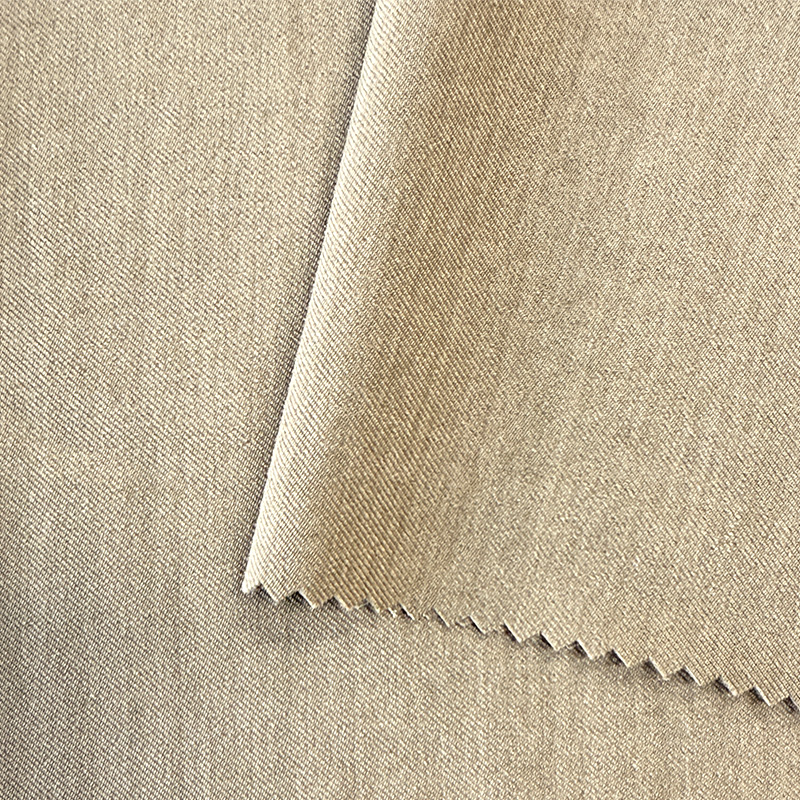
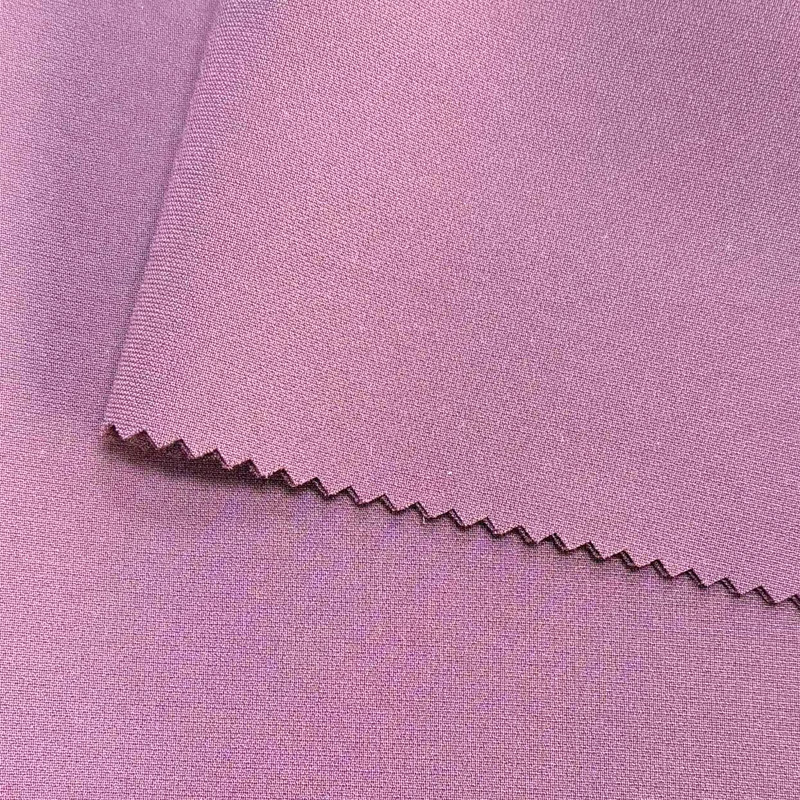
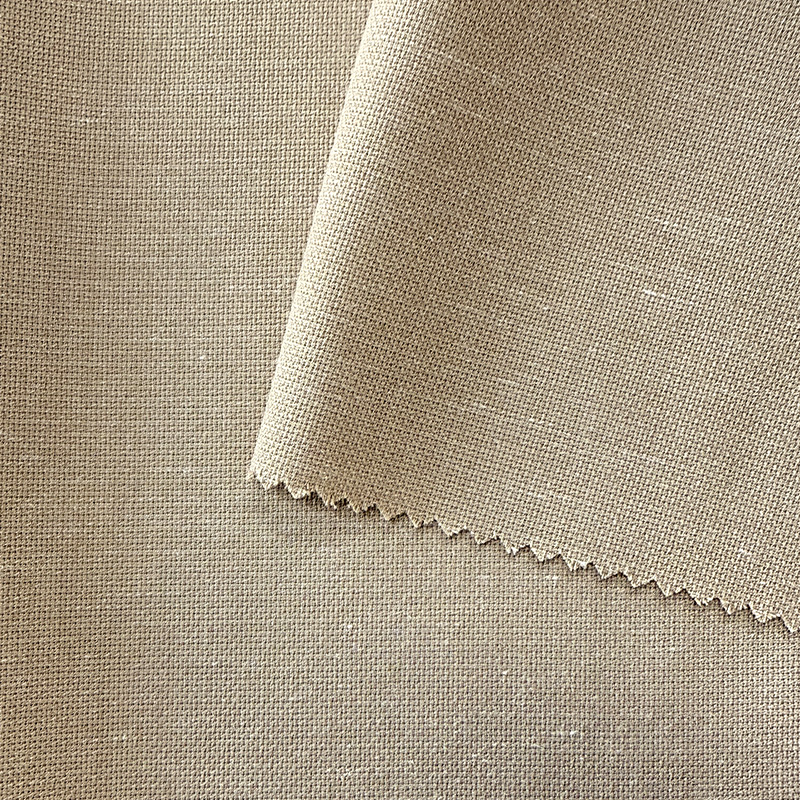
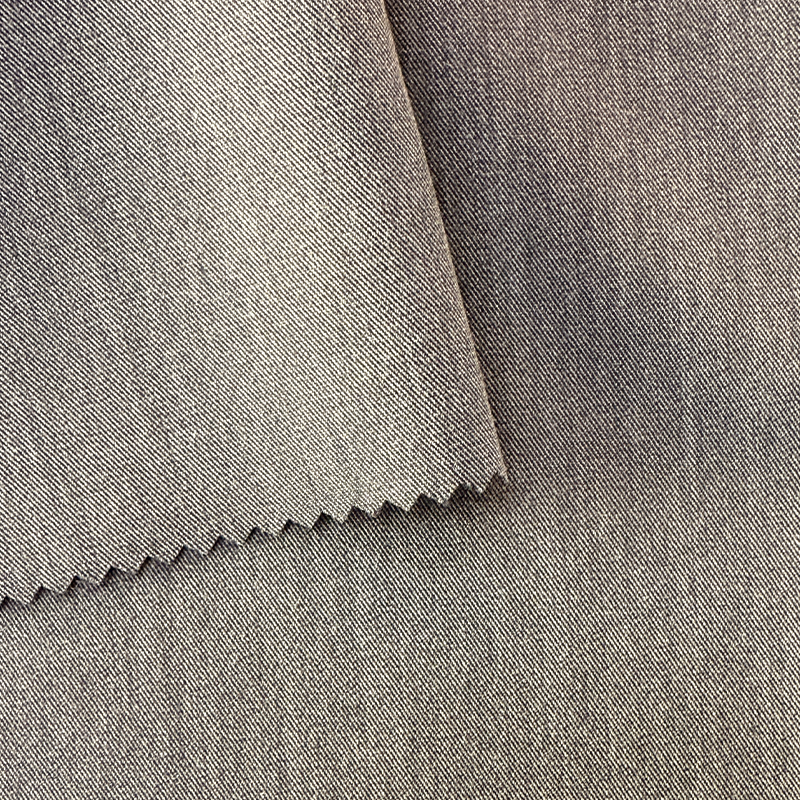
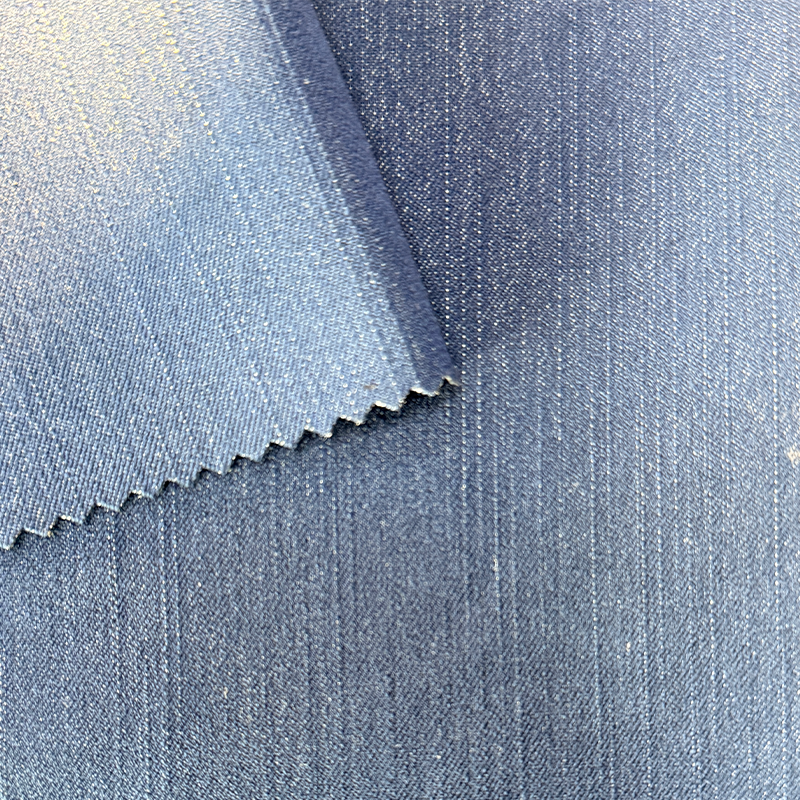
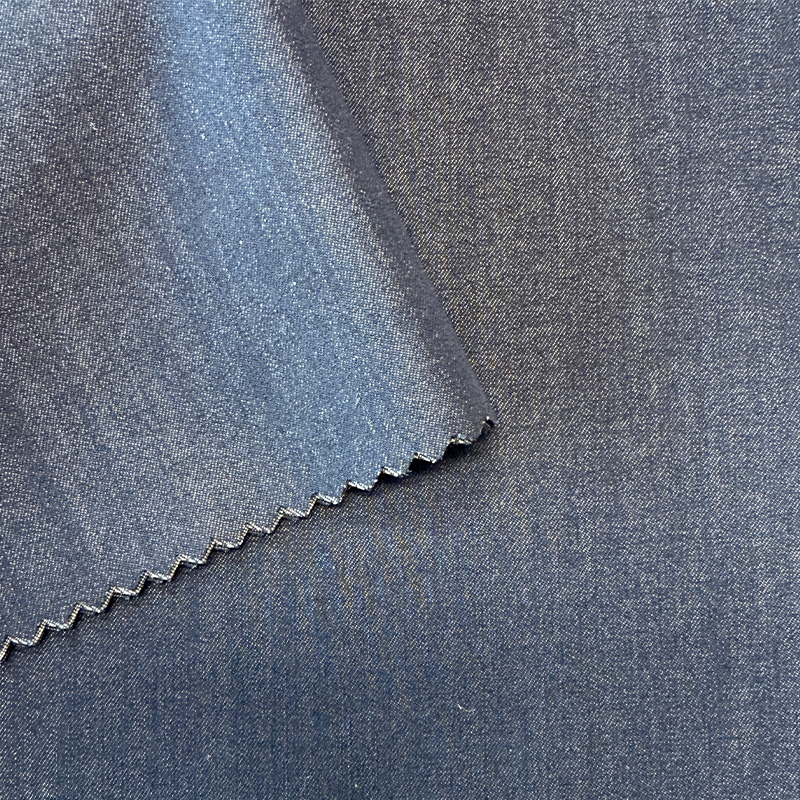
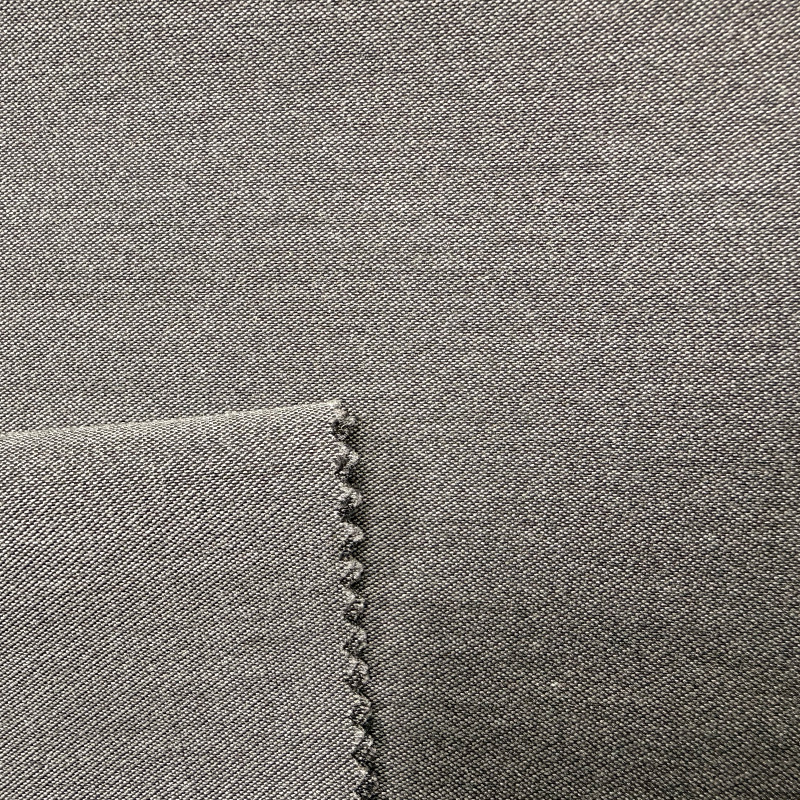
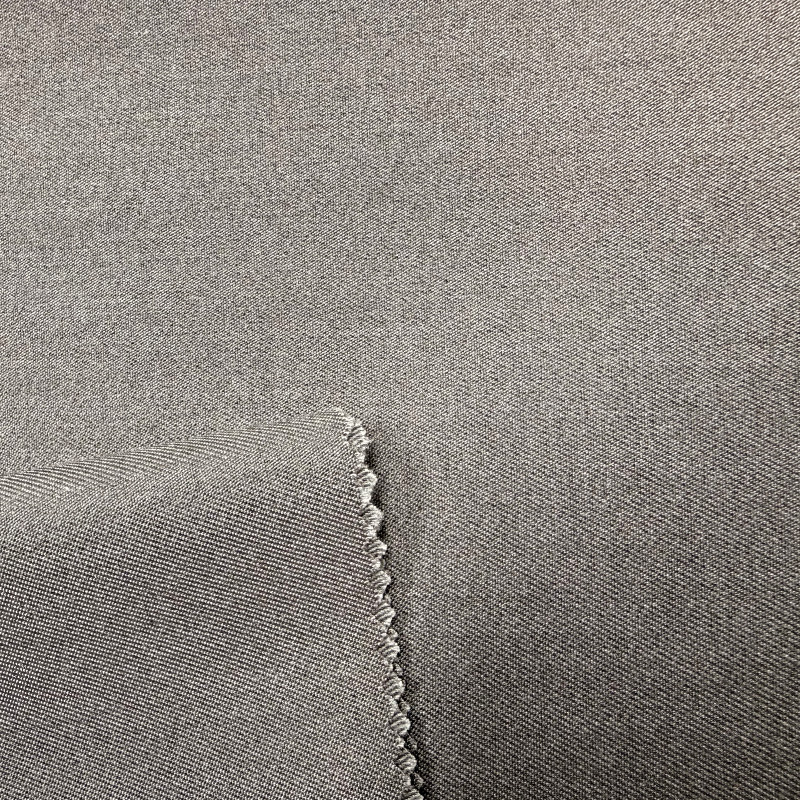
NO 6001 TR Stretch Twill Fabric
75%T 18%R 7%SP 58"60" 210GSM
This TR Stretch Twill fabric combines the drape and sheen of high-end materials with...

1. Breathable and Comfortable, Strong Skin-Friendly Feel
The TR Fabric offers excellent breathability, effectively regulating temperature for enhanced comfort, making it ideal for long hours of wear.
2. Soft Hand Feel, Smooth as Silk
The fabric feels soft to the touch, with a smooth and fluid surface that provides a delicate, silk-like sensation, enhancing the wearing experience.
3. Excellent Drapability
The fabric has superb draping qualities, presenting natural and flowing lines when worn, showcasing a refined silhouette.
4. Flat and Clean Fabric Surface
The surface of the fabric is smooth and flawless, with no obvious defects, providing a clean and elegant visual effect.
5. Faux Wool Feel, Unique Texture
The fabric has a faux wool feel, adding visual depth and enhancing its overall premium look and texture.
6. Durable, High Strength, and Wear-Resistant
The TR Fabric is highly durable, resistant to stretching, and maintains its strength over time, making it suitable for everyday wear and frequent washing while retaining long-lasting use.
Application Scenarios
This fabric is particularly suitable for making formal and workwear garments, maintaining a professional image without sacrificing comfort and durability.
If you have ever asked what fabric is modal, you are not alone. Modal is one of the most frequently mentioned yet least understood fibers in modern apparel. The direct answer is that modal is a semi-synthetic, wood-derived cellulose fiber, usually made from beechwood pulp, and classified as a high-...
READ MORE"What fabric is denim made of?" is usually the first question a garment manufacturer, fabric buyer, or wholesale sourcing agent asks before placing a denim order. The direct answer is that classic denim is a cotton twill fabric, but the complete answer also covers indigo dyeing, yarn structure, and...
READ MOREYou have finally settled on the window treatment style, measured every window twice, and started comparing samples. Then the question that decides everything appears: what curtain cloth fabric should you actually order? The answer is never just about color or pattern. Drape, light transmission, was...
READ MOREWrinkle resistant TR fabric (Tetoron-Rayon, commonly known as polyester-viscose blend) combines the thermal memory of polyester with the comfort of rayon to create a textile that resists creasing and recovers its original shape after bending or compression. Unlike 100% cotton fabrics that wrinkle easily (wrinkle recovery angle typically 180-220°), wrinkle resistant TR fabric achieves recovery angles of 300-340° due to the thermoplastic properties of polyester fibers. Global demand for wrinkle resistant TR fabric exceeded 2.5 million metric tons in 2024, driven by workwear, uniforms, and travel apparel sectors. This technical guide explains the polymer science, manufacturing processes, and measurable performance characteristics of TR fabric, helping buyers select a reliable TR fabric supplier or wrinkle resistant TR fabric supplier.
Shaoxing Echoes Textile Co., Ltd. — Echoes is a full-category import and export fabric company that integrates R&D, production, and sales. With years of deep expertise in the textile industry, the company leverages its two core production bases — an 80-acre specialized greige fabric factory and an 80-acre modern cotton yarn factory — to achieve full industrial chain control from raw materials to finished products. Backed by strong production capabilities, consistent quality assurance, and a mature supply chain system, Echoes focuses on textile import and export operations, offering a wide range of products, including various cotton yarns, greige fabrics, and related textile products, which are exported to numerous regions worldwide. Supported by a professional international trade service team, we precisely align with customer needs, deliver efficient order fulfillment, provide customized solutions, and ensure comprehensive after-sales service. As a leading TR fabric supplier and wrinkle resistant TR fabric supplier, Echoes produces premium wrinkle resistant TR fabric for workwear, uniform, and corporate apparel applications worldwide.
Wrinkle resistant TR fabric works through the thermoplastic properties of polyester fibers. Polyester is a semi-crystalline polymer with a glass transition temperature (Tg) of approximately 70-80°C. When heated above Tg, the polymer chains become mobile and can be reoriented into a straight, flat configuration. Upon cooling, the chains freeze in this straightened state, creating "thermal memory" that causes the fabric to resist creasing and recover from bending. In a TR fabric blend (typically 65% polyester, 35% rayon), the rayon component absorbs moisture (11-13% regain) for comfort, while the polyester provides structural recovery. The horizontal bar chart below compares wrinkle recovery angles across different fiber compositions.
Figure 1: Wrinkle recovery angle comparison by fiber type — Wrinkle resistant TR fabric (65/35 polyester-rayon blend) achieves a wrinkle recovery angle of 310-340° (warp + weft, measured via ISO 9867), significantly higher than 100% cotton (180-220°) and 50/50 polyester-cotton (230-260°). While 100% polyester achieves the highest recovery (340-360°), it lacks breathability and comfort. The 65/35 TR blend optimizes the balance: polyester provides thermal memory for wrinkle resistance, while rayon (viscose) contributes moisture absorption (11-13% regain) and softness. The wrinkle resistance mechanism works through the polyester's glass transition: when the fabric is heated during ironing or tumble drying (above 70-80°C), polyester chains become mobile and reorient to a flat state. Upon cooling below Tg, the chains lock in this flat configuration, effectively "erasing" wrinkles. This memory effect persists through multiple cycles: TR fabric retains 90-95% of its original wrinkle recovery angle after 50 wash cycles, compared to 70-75% for resin-treated cotton. For wrinkle resistant TR fabric supplier evaluation, request wrinkle recovery test reports (AATCC 128 or ISO 9867) and ensure minimum specifications of 280° for warp+weft combined for workwear applications. The crimp contraction force of polyester fibers (typically 0.5-1.2 cN/tex) provides the restoring force that pulls the fabric back to its flat state after bending.
The wrinkle resistance of TR fabric is enhanced through two complementary processes: (1) heat-setting of the polyester component during fabric finishing (180-200°C for 30-60 seconds), which locks in flat orientation of polymer chains, and (2) optional resin finishing (low-formaldehyde or formaldehyde-free cross-linking agents) that creates additional hydrogen bonds between cellulose molecules in the rayon component. Premium wrinkle resistant TR fabric from a quality TR fabric supplier undergoes both treatments, achieving recovery angles above 320°. The column chart below shows the incremental improvement from each process stage.
Figure 2: Wrinkle recovery improvement through manufacturing stages — Greige (unfinished) TR fabric has a wrinkle recovery angle of 220-240°. After scouring and dyeing (which relaxes internal stresses), recovery increases to 250-270°. Heat-setting at 180-200°C provides the largest improvement, raising recovery to 290-310° by locking polyester chains in a flat orientation. Resin finishing (cross-linking agents applied to rayon component) adds another 20-30°, achieving 320-340° for premium wrinkle resistant TR fabric. Durable press finishing (curing at 150-160°C for 3-5 minutes) yields similar results (315-335°). The heat-setting temperature is critical: temperatures below 170°C result in incomplete chain orientation (recovery <280°), while temperatures above 210°C can cause fiber degradation (tensile loss >15%). For wrinkle resistant TR fabric supplier quality verification, request fabric samples at different finishing stages to assess recovery angle. Modern low-formaldehyde resin finishes achieve durable press ratings of 3.5-4.0 (AATCC 124 rating scale 1-5) with formaldehyde content below 75 ppm (OEKO-TEX compliant). The combination of heat-set polyester and cross-linked rayon creates a synergistic effect: the polyester provides thermal memory, while cross-linked rayon reduces hydrogen bond breakage from moisture absorption — the primary cause of wrinkling in cellulosic fibers.
Unlike resin-treated 100% cotton (which loses 30-50% of wrinkle resistance after 20-30 washes), wrinkle resistant TR fabric maintains 90-95% of its initial recovery angle after 50 industrial laundering cycles. This durability comes from the polyester component's inherent thermal memory, which does not degrade with washing. The line chart below illustrates the retention of wrinkle resistance over repeated wash cycles for TR fabric compared to treated cotton.
Figure 3: Wash durability of wrinkle resistance — Wrinkle resistant TR fabric retains 95% of its initial wrinkle recovery angle after 50 industrial laundering cycles (tested per AATCC 135, 60°C wash, tumble dry). In contrast, resin-treated 100% cotton loses 30-50% of wrinkle resistance over the same period due to hydrolysis of cross-linking agents. This superior durability makes TR fabric ideal for rental uniform programs (hotels, restaurants, healthcare) where garments are laundered frequently. The polyester component's thermal memory is unaffected by detergents, chlorine bleach (up to 150 ppm), or high-temperature drying (up to 80°C). For wrinkle resistant TR fabric supplier verification, request wash durability test reports showing recovery angle at 0, 10, 20, 30, and 50 cycles. Premium TR fabric also exhibits low shrinkage (≤2% after 5 washes) and excellent color retention (grade 4.5 on AATCC 61). For workwear applications requiring industrial laundering (ISO 15797:2020 compliance), wrinkle resistant TR fabric meets the standard for "easy care" classification after 50 wash cycles.
The wrinkle resistance of TR fabric translates directly to operational benefits: reduced ironing time (40-60% less than cotton), improved employee appearance throughout the workday, and lower laundry costs (garments can be tumble-dried with reduced pressing). Studies in hospitality and corporate settings show that wrinkle resistant TR fabric uniforms maintain a professional appearance for 8-10 hours of wear, compared to 2-4 hours for cotton shirts. The radar chart below compares TR fabric with 100% cotton and polyester-cotton blends across six uniform performance criteria.
Figure 4: Uniform fabric performance comparison — Wrinkle resistant TR fabric achieves the highest scores in wrinkle resistance (155), durability (142), and ironing time saved (148). Compared to 100% cotton, TR fabric reduces ironing time by 60-70% (from 12-15 minutes per garment to 4-5 minutes). Color retention (145) exceeds both cotton and 50/50 blends, maintaining a crisp professional appearance for longer. While cotton offers superior breathability (120 vs 110) and moisture regain (130 vs 115), the differences are moderate for temperate climate workwear. For hospitality uniforms (restaurants, hotels), where professional appearance is critical and staff wear garments for full shifts, wrinkle resistant TR fabric reduces the frequency of pressing touch-ups during the day. Laundry facilities report 40-50% lower energy costs for TR fabric uniforms due to reduced pressing requirements. When selecting a TR fabric supplier, consider the blend ratio: 65/35 for maximum wrinkle resistance, 70/30 for higher polyester content (improved durability, slightly less breathable), and 50/50 for better comfort but lower wrinkle resistance (recovery angle ~260-280°). For corporate workwear exposed to high temperatures (kitchens, industrial settings), wrinkle resistant TR fabric should have heat-set finishing at 190-200°C to ensure stability at up to 80°C wash temperatures.
No. Non-iron cotton achieves wrinkle resistance through resin finishing (chemical cross-linking of cellulose), which degrades after 20-30 washes. Wrinkle resistant TR fabric uses inherent polyester thermal memory, providing 95% retention after 50 washes. Non-iron cotton also has higher formaldehyde potential (resin finishes may contain 100-300 ppm formaldehyde) compared to modern TR fabric which can be OEKO-TEX certified with <75 ppm.
When evaluating a wrinkle resistant TR fabric supplier, request: (1) wrinkle recovery angle test report (AATCC 128 or ISO 9867), minimum 300° combined warp+weft, (2) wash durability data (retention after 30-50 cycles), (3) shrinkage test results (≤2% after 5 washes), (4) blend ratio confirmation (65/35 ±3% tolerance), and (5) OEKO-TEX Class II certification for workwear. A reliable TR fabric supplier will provide traceable test reports from accredited laboratories.
Yes, wrinkle resistant TR fabric is suitable for both shirt-weight (120-160 gsm) and trouser-weight (200-280 gsm) applications. For shirts, choose lighter constructions with 65/35 blend for breathability. For trousers, heavier constructions (250-280 gsm) with higher polyester content (70/30 or 80/20) provide additional durability and crease retention along trouser legs. Many TR fabric supplier offer matched dye lots for coordinated uniform programs.
Proper heat-setting (180-200°C for 30-60 seconds) has minimal impact on breathability. MVTR (moisture vapor transmission rate) of wrinkle resistant TR fabric typically remains 8,500-10,000 g/m²/24h — similar to unfinished TR fabric. Over-heating (above 210°C) can cause fiber fusion, reducing breathability by 15-20% and creating a "boardy" hand feel. Reputable TR fabric supplier control heat-setting parameters to preserve comfort while maximizing wrinkle resistance.
As a leading TR fabric supplier and wrinkle resistant TR fabric supplier, Shaoxing Echoes Textile Co., Ltd. offers premium wrinkle resistant TR fabric in 65/35, 70/30, and 80/20 blends for workwear, uniform, and corporate apparel applications. Whether you require fabric for shirts, trousers, or complete uniform programs, Echoes provides certified quality, heat-set finishing, and OEKO-TEX certified materials. Partner with a trusted TR fabric supplier that understands the science of wrinkle resistance and delivers consistent performance batch after batch.
If you have any questions, please get in touch with us.