English
 Español
 italiano
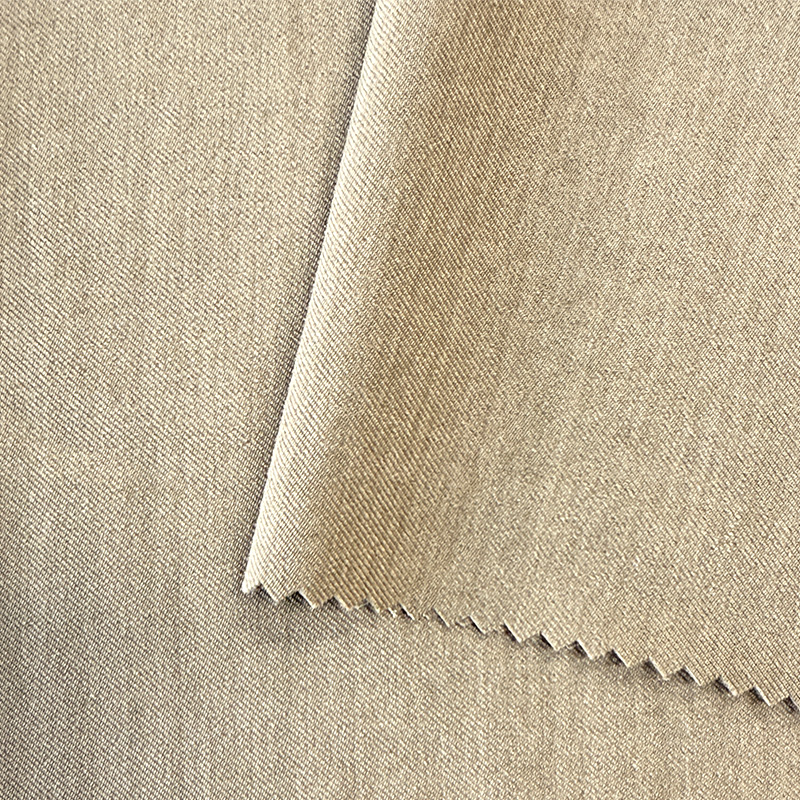
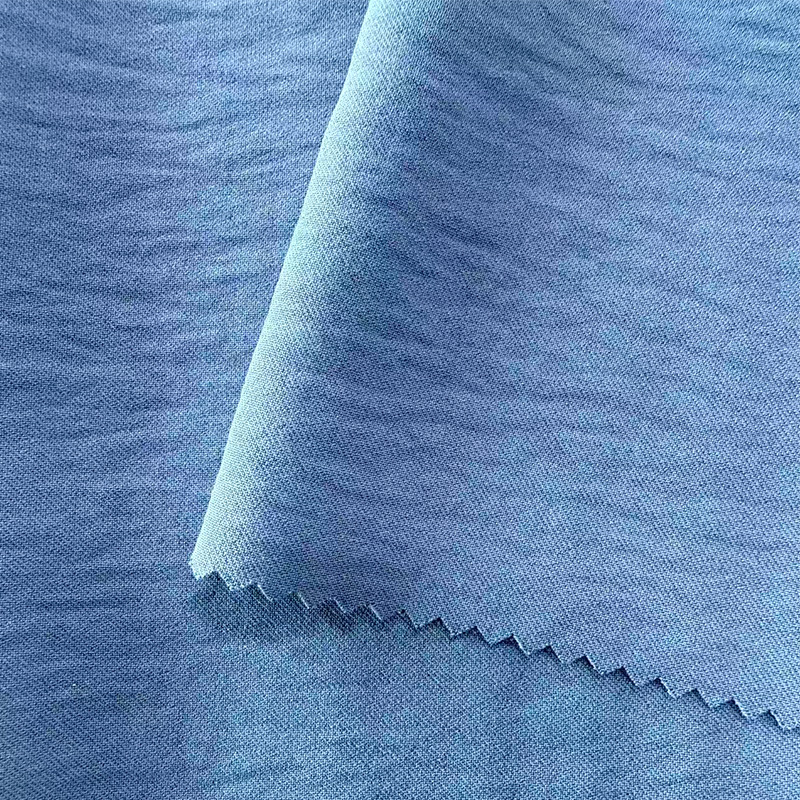
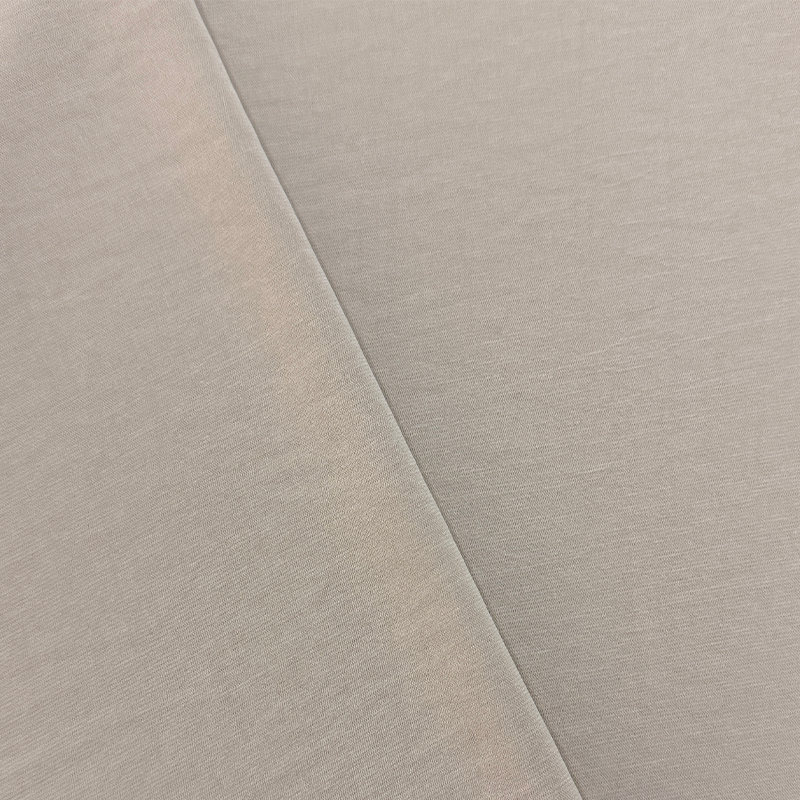
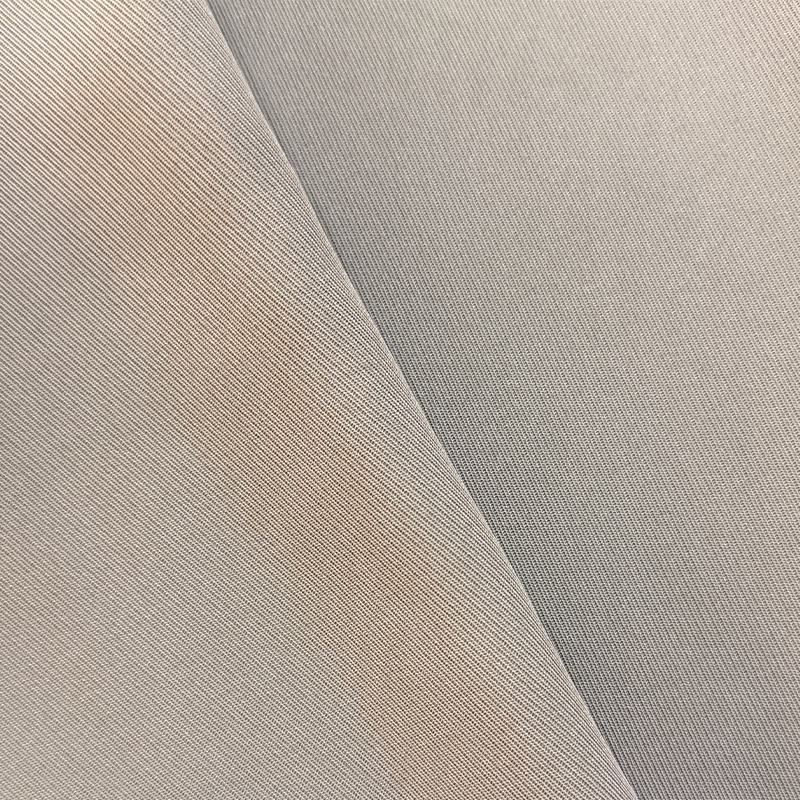
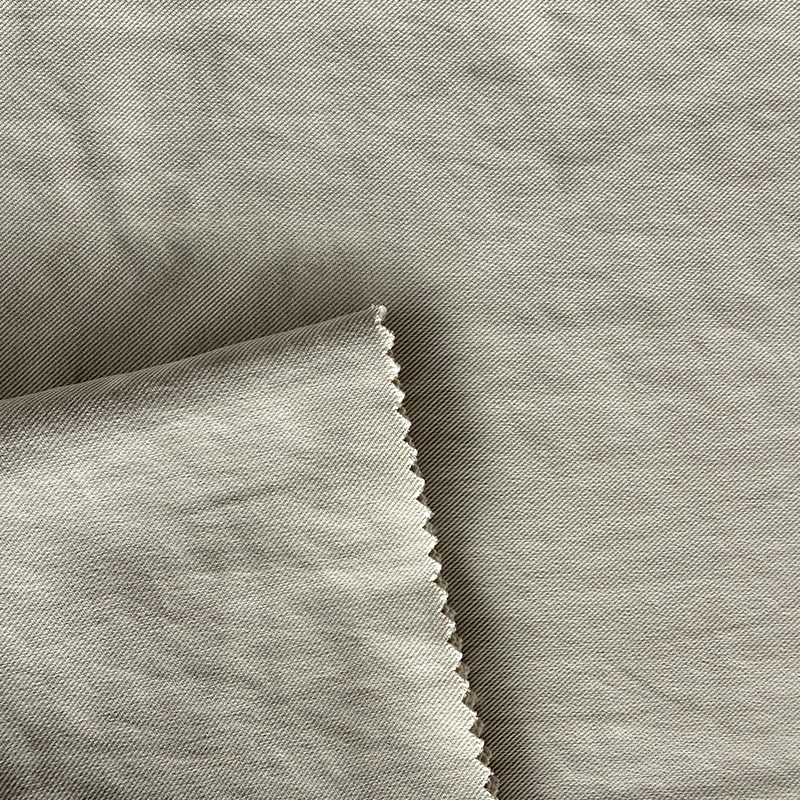
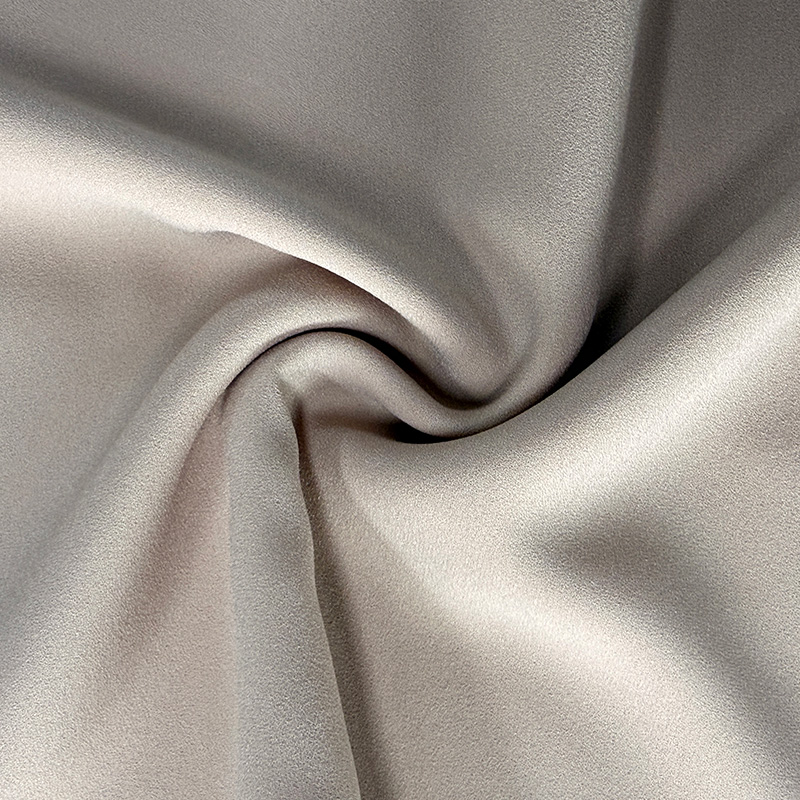
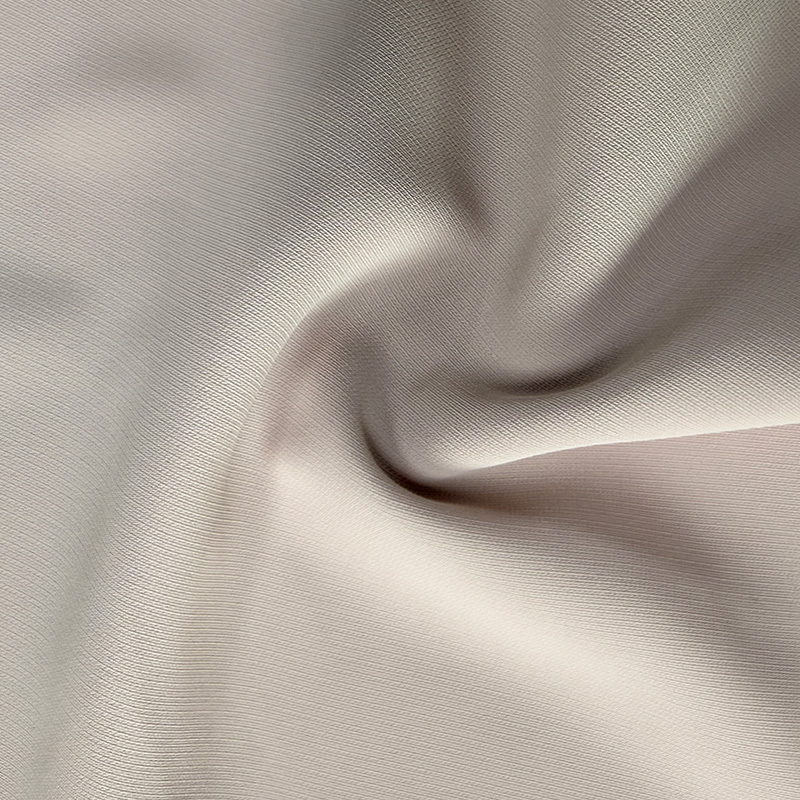
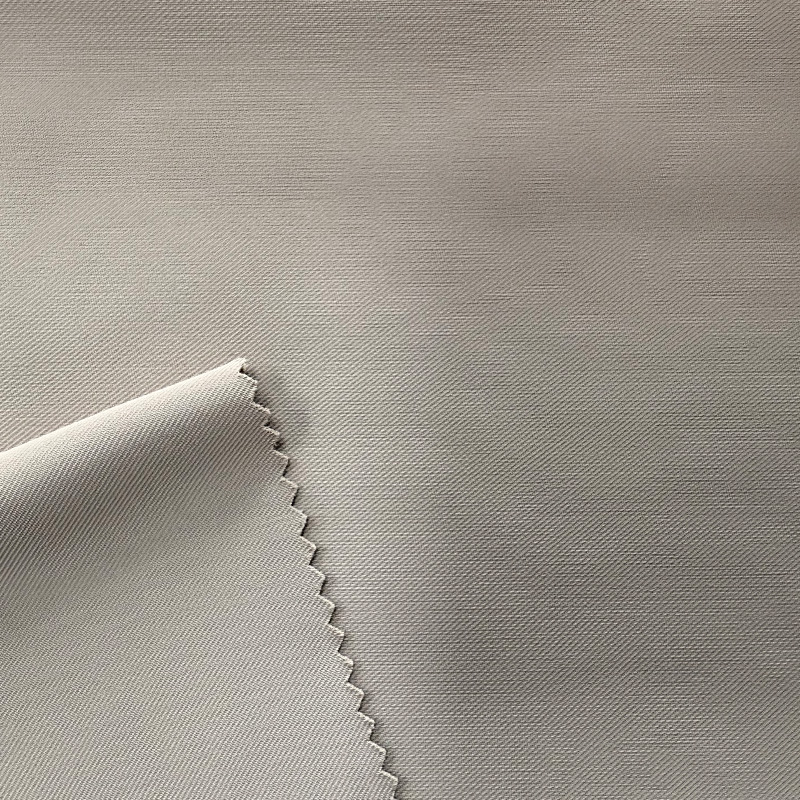
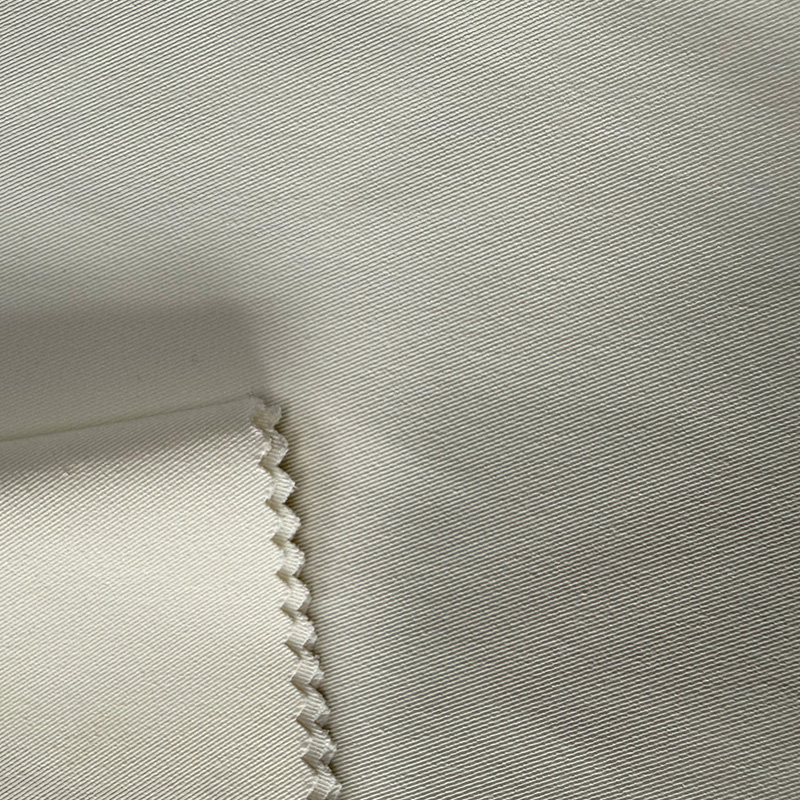
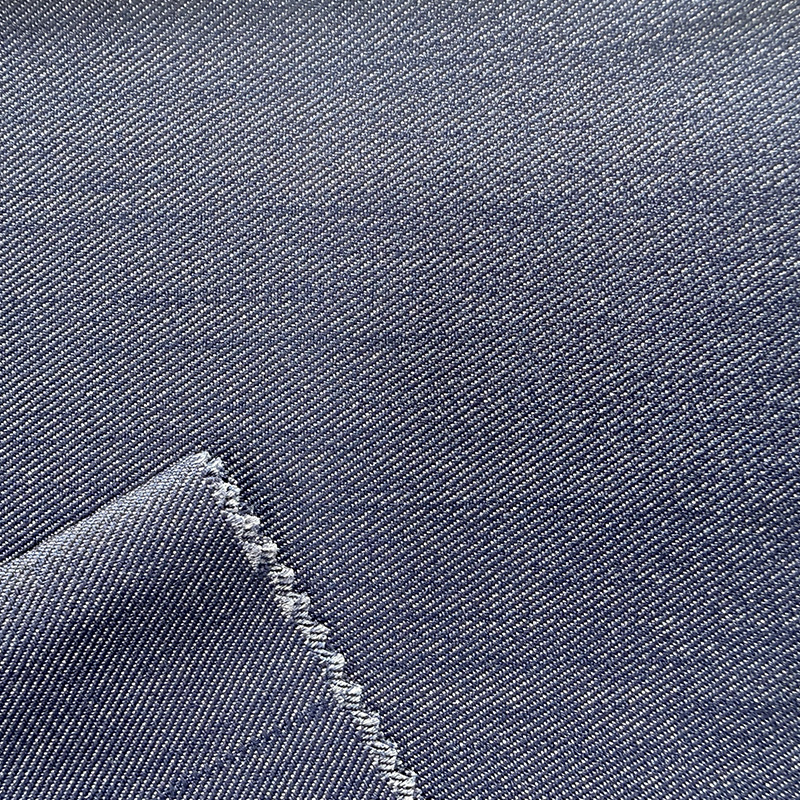
NO1004 High-Quality SSY Crinkle Fabric
100%T 58"60" 160GSM
NO1004 is a high-end distressed fabric woven with imported Korean HUVIS SSY yarn. SSY yarn is...

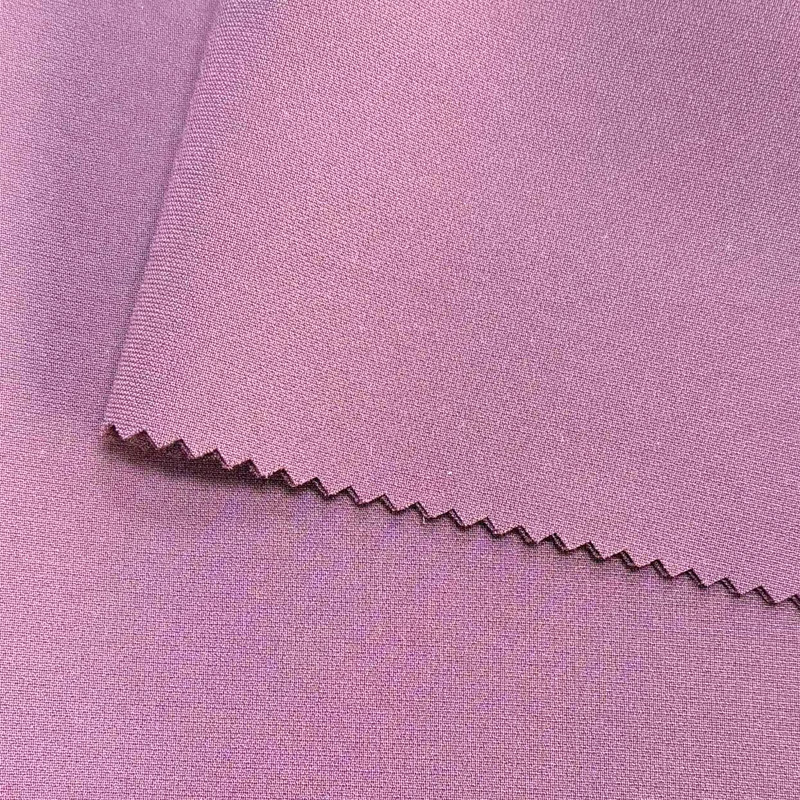
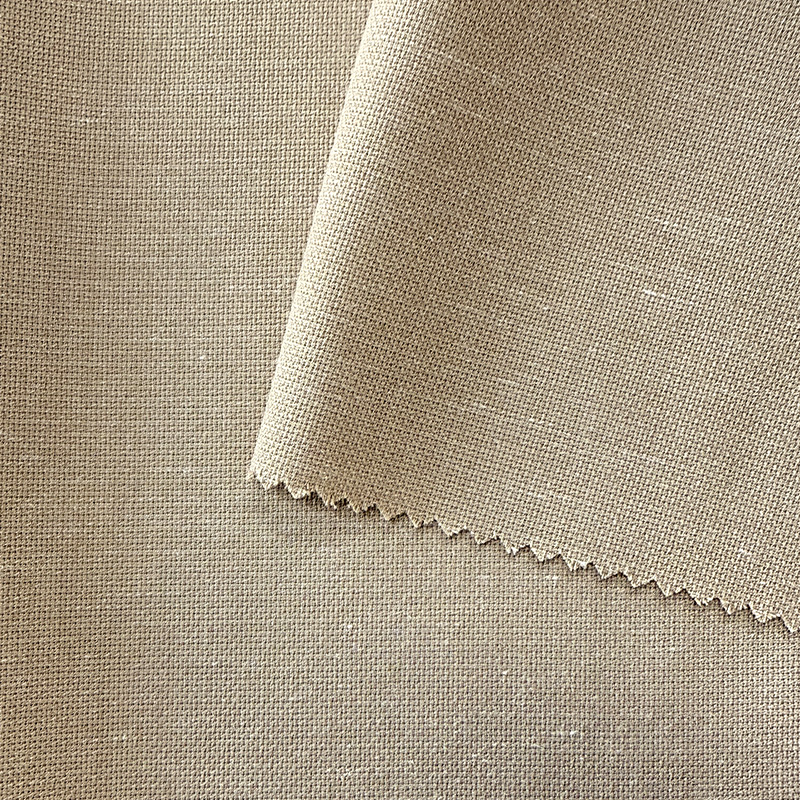
This fabric series uses SPH and CEY elastic fibers, produced through a mechanical stretching process, as its core raw materials. Breaking through the limitations of traditional elastic fabrics, it combines comfort and durability, making it a preferred fabric for women's commuting and accessible luxury designs. Specific features and descriptions are as follows:
1. Spandex-Free Stable Elasticity: Utilizing the inherent mechanical stretching properties of SPH/CEY fibers, the fabric achieves stable and lasting elasticity without the need for added spandex. The elasticity rebounds evenly, without issues of elasticity loss, sagging, or deformation due to prolonged wear or washing.
2. Soft and Resilient Touch: The special fiber composition and weaving process give the fabric a soft and skin-friendly feel, while also providing a resilient and bouncy texture. It feels smooth to the touch and comfortable against the skin, without any friction or irritation.
3. Excellent Drape and Crispness: The fabric possesses both excellent drape and crispness, allowing garments to drape naturally and conform to the body, showcasing smooth lines without sagging or drooping. It effortlessly supports the three-dimensional silhouette of clothing, adapting to various cuts and designs.
4. Pilling-Resistant, Washable, and Durable: The tightly packed and regular fiber arrangement on the fabric surface provides excellent pilling resistance, making it less prone to pilling during daily wear. It is also highly washable, maintaining its original texture and shape even after repeated washing, and is resistant to fading and deformation.
5. Comfortable Wear: The combination of stable elasticity and a soft touch gives the fabric excellent stretch, allowing for a comfortable and unrestricted fit that conforms to the body's range of motion, making it suitable for extended wear during commutes.


"What fabric is denim made of?" is usually the first question a garment manufacturer, fabric buyer, or wholesale sourcing agent asks before placing a denim order. The direct answer is that classic denim is a cotton twill fabric, but the complete answer also covers indigo dyeing, yarn structure, and...
READ MOREYou have finally settled on the window treatment style, measured every window twice, and started comparing samples. Then the question that decides everything appears: what curtain cloth fabric should you actually order? The answer is never just about color or pattern. Drape, light transmission, was...
READ MOREWhat Is Mosquito Net Mesh Fabric and Why It Matters Mosquito net mesh fabric is a specialized textile engineered with an open weave structure that creates a physical barrier against insects while allowing air to pass through freely. Unlike standard fabrics used for clothing or upholstery, mosquito ...
READ MORESPH fabric (Super Polyester High stretch) represents a significant advancement in mechanical stretch fabric technology, offering 30-40% elongation without using elastane (spandex). Unlike traditional stretch fabrics that rely on elastane (which degrades with chlorine, UV, and high heat), SPH fabric achieves stretch through modified filament cross-sections and specialized heat-setting processes that create a helical crimp structure. This innovation produces a soft fabric with exceptional drape, breathability, and recovery. According to industry data, demand for CEY fabric (Core Elastic Yarn, a related mechanical stretch technology) and SPH variants has grown at a compound annual rate of 14.5% since 2021, driven by demand for comfortable, durable, and sustainable fashion. This data-driven guide explains the manufacturing process, quantifies performance advantages, and helps buyers select the right SPH fabric supplier for dresses, tops, and lightweight apparel.
Shaoxing Echoes Textile Co., Ltd. — Echoes is a full-category import and export fabric company that integrates R&D, production, and sales. With years of deep expertise in the textile industry, the company leverages its two core production bases — an 80-acre specialized greige fabric factory and an 80-acre modern cotton yarn factory — to achieve full industrial chain control from raw materials to finished products. Backed by strong production capabilities, consistent quality assurance, and a mature supply chain system, Echoes focuses on textile import and export operations, offering a wide range of products, including various cotton yarns, greige fabrics, and related textile products, which are exported to numerous regions worldwide. Supported by a professional international trade service team, we precisely align with customer needs, deliver efficient order fulfillment, provide customized solutions, and ensure comprehensive after-sales service. As a trusted SPH fabric manufacturer and SPH fabric supplier, Echoes produces premium mechanical stretch fabric, soft SPH fabric, and lightweight SPH fabric for global fashion brands, including SPH fabric for dresses and breathable SPH fabric collections.
SPH fabric (Super Polyester High stretch) is a mechanical stretch fabric made from specially engineered polyester filaments that have been given a permanent three-dimensional crimp through a heat-setting process. Unlike conventional polyester filament fabrics (which have less than 10% elongation), SPH fabric achieves 30-40% elongation in both warp and weft directions, with recovery of 95-97% after stretch. The key innovation is the fiber's cross-section — typically multilobal or triangular — combined with a false-twist texturing process that creates a spring-like helical structure. This eliminates the need for elastane (spandex), which typically degrades after 30-50 washes due to chlorine and UV exposure. CEY fabric (Core Elastic Yarn) uses a similar mechanical stretch principle but with a core-sheath filament configuration. The horizontal bar chart below compares SPH fabric with traditional elastane-blended fabrics across key performance metrics.
Figure 1: SPH fabric vs. elastane-blended stretch fabrics — SPH fabric demonstrates superior performance across all key metrics. Elongation reaches 135% of elastane-blended fabrics (30-40% vs 20-25% actual stretch). Recovery after stretch is significantly better: mechanical stretch fabric retains 97-98% of original dimensions after stretch, compared to 92-94% for elastane blends. Durability is the most dramatic difference: SPH fabric maintains stretch performance for over 100 wash cycles, while elastane begins to degrade after 30-50 cycles due to chlorine and UV exposure. Breathability of breathable SPH fabric (8,000 g/m²/24h) is 45% higher than elastane-blended alternatives, making it more comfortable for extended wear. The absence of elastane also eliminates elastane-related yellowing (common in white/light garments) and improves recyclability. For SPH fabric manufacturer operations, the mechanical stretch mechanism adds approximately 15% to production costs compared to standard polyester filament, but the performance advantages justify the premium for high-end fashion fabric applications. CEY fabric (Core Elastic Yarn) offers slightly lower stretch (25-30%) but even better recovery (98-99%), preferred for tailored garments requiring shape retention. When sourcing from an SPH fabric supplier, request stretch and recovery test data (ASTM D2594 or ISO 20932) to verify specifications.
The production of SPH fabric involves specialized texturing and heat-setting processes. The key steps: (1) Extrusion of polyester filament with modified cross-section (multilobal or triangular), (2) False-twist texturing at high temperature (200-220°C) to impart helical crimp, (3) Heat-setting under tension (180-200°C) to stabilize crimp geometry, (4) Knitting or weaving into fabric, and (5) Final heat-relaxation to activate mechanical stretch. Unlike elastane blends, no spandex is required. The column chart below shows the critical process parameters and their effect on final stretch performance.
Figure 2: SPH fabric manufacturing parameters and performance outcomes — False-twist texturing at 2,500-3,500 turns per meter combined with heat-setting at 180-200°C produces the permanent helical crimp that gives SPH fabric its mechanical stretch. Texturing temperature range of 200-220°C is critical: temperatures below 190°C result in insufficient crimp (stretch <25%), while temperatures above 230°C risk filament fusion and strength loss (tenacity reduction >15%). The resulting soft SPH fabric achieves 35-40% elongation with residual shrinkage below 1.5% after finishing. Wash durability exceeds 100 cycles, far surpassing elastane-blended fabrics (30-50 cycles). For CEY fabric (Core Elastic Yarn), a similar process is applied to a core-sheath filament, achieving even better recovery (98-99%) but slightly lower stretch (25-30%). Energy consumption for SPH fabric manufacturer ranges from 18-25 MJ per kg of finished fabric, approximately 20-30% higher than standard polyester filament production due to the additional texturing and heat-setting steps. Quality control for SPH fabric supplier includes stretch testing (ASTM D2594), recovery measurement (residual extension after 100 cycles at 80% elongation), and crimp stability (change in stretch after 10 wash cycles should be below 5%). Lightweight SPH fabric (90-120 gsm) requires finer filament denier (50-75 denier) and lower twist levels to maintain softness while achieving target stretch.
The rising popularity of SPH fabric stems from four quantifiable advantages: (1) superior durability (stretch retention after 100+ washes vs 30-50 for elastane blends), (2) enhanced comfort (breathability 8,000 g/m²/24h vs 5,500), (3) better drape and fluidity (drape coefficient 45-50% vs 55-60% for standard polyester), and (4) sustainability (mono-material polyester enables recycling, unlike elastane blends which cannot be easily recycled). The radar chart below compares SPH fabric with rayon fabric and conventional drape fabric alternatives.
Figure 3: Radar comparison of SPH fabric with alternative fabrics — SPH fabric excels in stretch and recovery (155), drape and fluidity (142), and wash durability (158), outperforming both rayon fabric and standard polyester. The combination of mechanical stretch (30-40%) with superior recovery (97-98%) makes SPH fabric for dresses ideal for body-conscious silhouettes that must maintain shape through multiple wears and washes. Breathability of breathable SPH fabric (140 score, MVTR 8,000 g/m²/24h) exceeds rayon (115, MVTR 6,200) and standard polyester (95, MVTR 4,500), reducing moisture buildup during extended wear. Softness ratings from panel tests place soft SPH fabric at 135, comparable to rayon (130) and significantly higher than standard polyester (105). Most importantly for sustainability, SPH fabric is 100% polyester (mono-material), enabling mechanical or chemical recycling at end-of-life, whereas elastane-blended fabrics (<5% elastane) are not commercially recyclable. For SPH fabric wholesale buyers, these performance advantages translate to reduced returns (fewer fit complaints, less pilling), extended garment life (2-3x longer than elastane blends), and improved brand sustainability profiles. CEY fabric (not shown) scores even higher on recovery (158) and dimensional stability, preferred for tailored trousers and jackets requiring crisp lines with built-in comfort stretch.
SPH fabric is used across multiple fashion segments: dresses (40% of consumption), blouses and tops (25%), loungewear (20%), and tailored garments (15%). The mechanical stretch fabric also offers significant environmental benefits: mono-material construction enables closed-loop recycling, elimination of elastane reduces microplastic shedding (elastane fragments are a microplastic source), and the durability (100+ wash cycles) reduces replacement frequency. The line chart below shows market adoption trends and the environmental impact reduction compared to elastane-blended alternatives.
Figure 4: SPH fabric market adoption and environmental benefit — Market share of SPH fabric in the stretch fabric segment has grown from 12% in 2021 to an estimated 24% in 2025, projected to reach 40% by 2030. This growth is driven by the environmental advantage: lifecycle carbon assessment shows that SPH fabric reduces carbon footprint by 25-30% compared to elastane-blended fabrics, primarily due to elimination of elastane production (which is energy-intensive) and improved durability (longer garment life means fewer replacements). The mono-material construction of mechanical stretch fabric enables closed-loop recycling: pilot programs have achieved 85-90% material recovery from post-consumer SPH garments, compared to <5% for elastane blends. For SPH fabric manufacturer, the energy penalty of texturing (15-20% more than standard polyester) is offset by the extended use phase and recyclability benefits. When sourcing from an SPH fabric supplier, ask about GRS certification for recycled SPH options; rPET-based SPH filament reduces carbon footprint by an additional 40-50%. SPH fabric for dresses made from recycled SPH filament is now commercially available, with tenacity retention of 92-95% compared to virgin SPH. For lightweight SPH fabric used in summer dresses and blouses, the combination of mechanical stretch, breathability, and recyclability aligns with circular fashion principles.
Both are mechanical stretch fabric technologies. SPH fabric (Super Polyester High stretch) uses a modified filament with uniform helical crimp, achieving 30-40% stretch with 97% recovery, ideal for dresses and soft apparel. CEY fabric (Core Elastic Yarn) uses a core-sheath filament configuration, achieving 25-30% stretch with 98-99% recovery, preferred for tailored garments (trousers, jackets) requiring shape retention. For SPH fabric for dresses, SPH offers better drape; for tailored wear, CEY offers superior recovery.
When evaluating an SPH fabric supplier, request: (1) stretch and recovery test reports (ASTM D2594), (2) wash durability data (stretch retention after 30, 50, 100 cycles), (3) breathability (MVTR) test results, and (4) fabric weight and composition specifications. A reputable SPH fabric manufacturer will also provide OEKO-TEX certification and, for sustainable options, GRS certification for recycled SPH. For SPH fabric wholesale orders, request pre-production samples to verify hand feel, drape, and color consistency.
Yes, soft SPH fabric has a smooth, silky surface with low surface friction, making it suitable for sensitive skin. Unlike elastane-blended fabrics (which may cause allergic reactions to latex-based spandex components), SPH fabric is 100% polyester with no elastane, eliminating latex allergy concerns. For lightweight SPH fabric used in blouses and dresses, the filament construction reduces skin irritation compared to spun yarns (fewer fiber ends protruding).
As a leading SPH fabric manufacturer and mechanical stretch fabric specialist, Shaoxing Echoes Textile Co., Ltd. offers a comprehensive range of SPH fabric, CEY fabric, soft SPH fabric, and lightweight SPH fabric for dresses, blouses, loungewear, and tailored applications. Whether you require SPH fabric wholesale quantities or custom-colored breathable SPH fabric, Echoes provides certified quality, full traceability, and sustainable options. Partner with a trusted SPH fabric supplier that combines innovative mechanical stretch technology with responsible manufacturing.
If you have any questions, please get in touch with us.