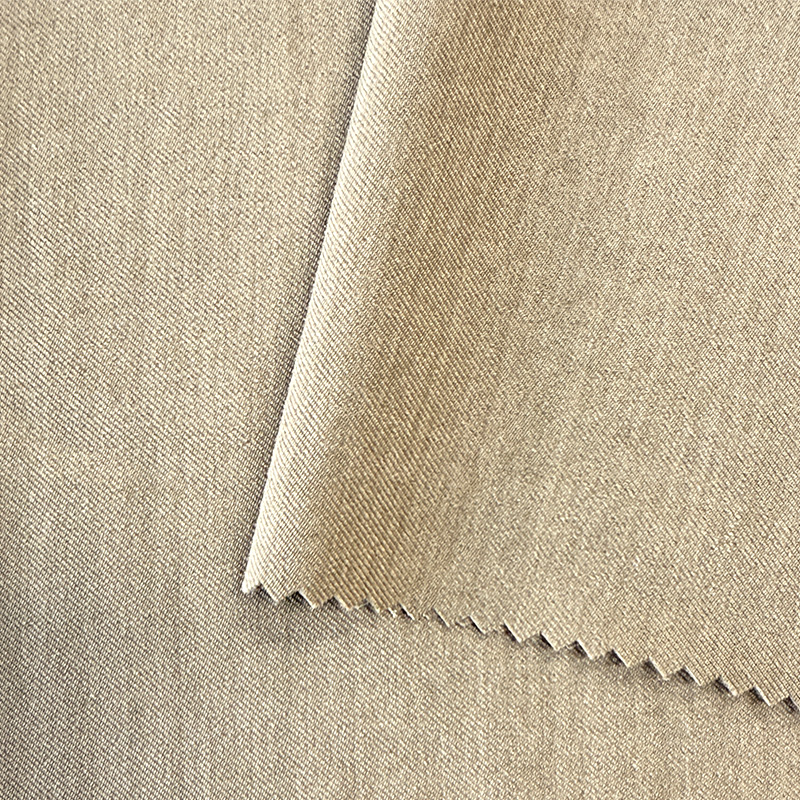
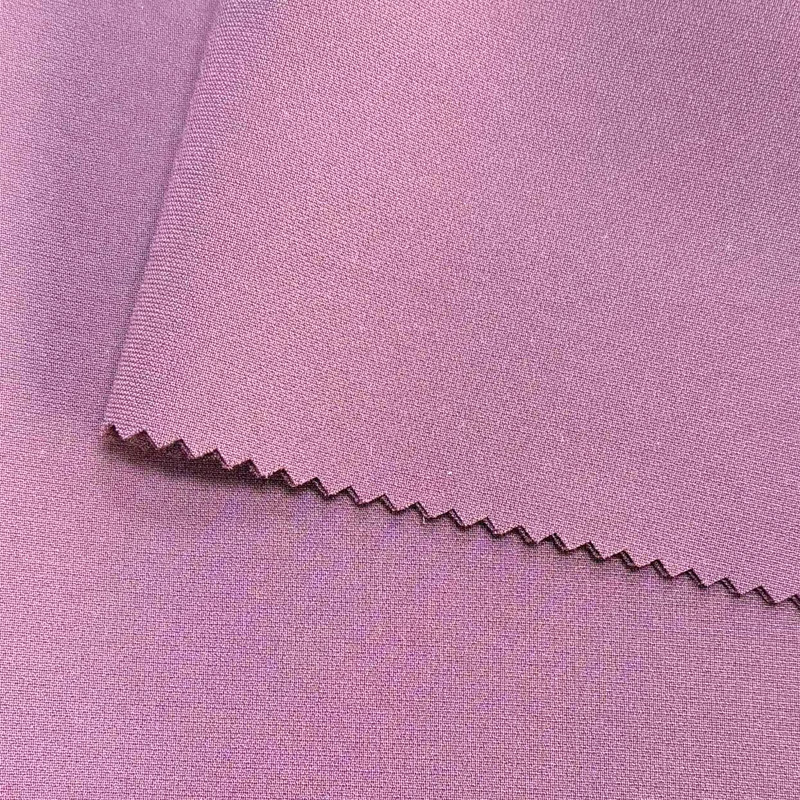
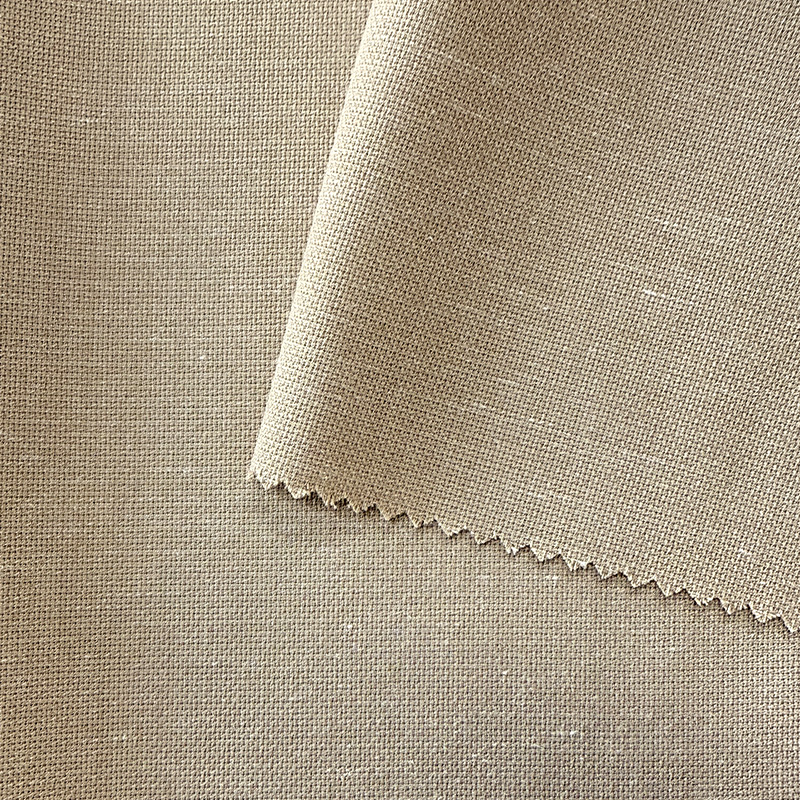
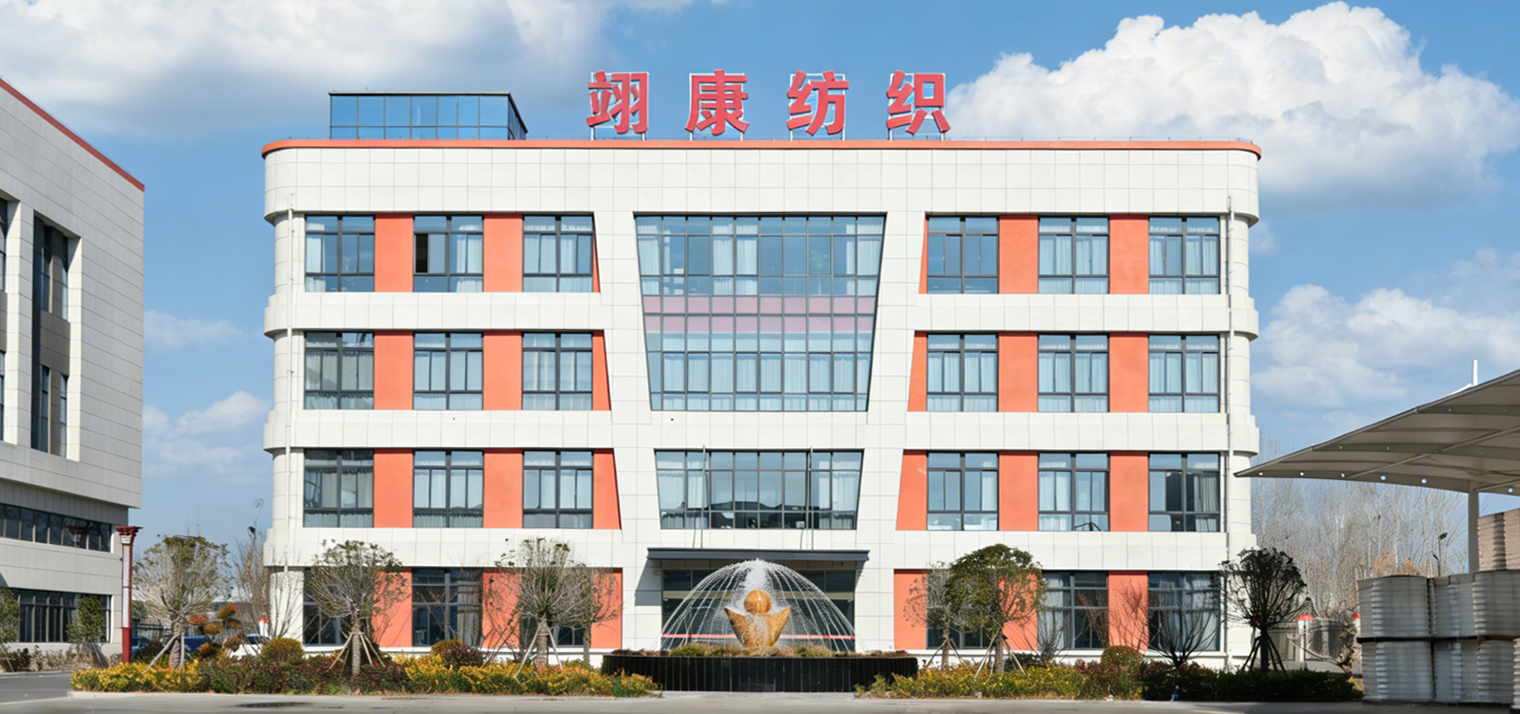
Echoes is a full-category import and export fabric company that integrates R&D, production, and sales. With years of deep expertise in the textile industry, the company leverages its two core production bases — an 80-acre specialized greige fabric factory and an 80-acre modern cotton yarn factory — to achieve full industrial chain control from raw materials to finished products.
Shaoxing Echoes Textile Co., Ltd. is a China Wholesale Natural Fiber Fabric Series Factory and Natural Fiber Fabric Series Manufacturer, building upon a steadfast dedication to integrity and a quality-first philosophy, Echoes strives to position itself as a globally trusted and dependable partner across the textile supply chain, consistently delivering value and fostering long-term collaboration with clients worldwide.
A sample swatch lands on your desk, you turn it over, and on the back you see short tufts of yarn arching over the base weave like tiny caterpillars. That is the moment most buyers first meet chenille fabric, and it is also the moment they usually ask the same question: what exactly is this materia...
Why Linen Cotton Blend Fabric Is a Sourcing Staple
When a product developer in Dhaka or Istanbul asks for a fabric that sits between rustic linen and crisp cotton, an experienced mill will usually answer with the same recommendation: specify a linen cotton blend fabric. The combination of flax and ...
Linen fabric for apparel has a reputation problem. Ask ten buyers what they expect from it, and nine will describe a soft, breathable material that feels cool against the skin and improves with every wash. Then ask them what the first supplier actually delivered, and the answer is often different: ...
What Is a Natural Fiber Fabric Series and Why Is It Popular?
Natural fiber fabric series encompasses textiles derived from renewable plant, animal, or mineral sources without synthetic polymer synthesis. Key materials include cotton (global production 25 million tons annually), linen (1.2 million tons), wool (1.1 million tons), hemp (500,000 tons), and silk (150,000 tons). Unlike synthetic alternatives derived from petroleum, natural textile offers inherent breathability (moisture regain 8-13% vs 0.4% for polyester), biodegradability (90-100% degradation within 1-5 years in soil), and renewability (annual crop cycles). The global market for organic fabric and sustainable fabric has grown at 12% CAGR since 2020, driven by consumer demand for eco friendly natural fabric. This data-driven guide quantifies the performance advantages of natural fiber fabric for clothing and helps buyers select a reliable natural fiber fabric supplier.
Shaoxing Echoes Textile Co., Ltd. — Echoes is a full-category import and export fabric company that integrates R&D, production, and sales. With years of deep expertise in the textile industry, the company leverages its two core production bases — an 80-acre specialized greige fabric factory and an 80-acre modern cotton yarn factory — to achieve full industrial chain control from raw materials to finished products. Backed by strong production capabilities, consistent quality assurance, and a mature supply chain system, Echoes focuses on textile import and export operations, offering a wide range of products, including various cotton yarns, greige fabrics, and related textile products, which are exported to numerous regions worldwide. Supported by a professional international trade service team, we precisely align with customer needs, deliver efficient order fulfillment, provide customized solutions, and ensure comprehensive after-sales service. As a leading natural fiber fabric manufacturer and natural fiber fabric supplier, Echoes produces a comprehensive natural fiber fabric series including organic natural fiber fabric, eco friendly natural fabric, and sustainable natural fiber textiles for global apparel brands, available through natural fiber fabric wholesale channels.
1. Superior Breathability and Moisture Management
Natural fiber fabric series offers exceptional breathability due to the hygroscopic nature of cellulose and protein fibers. Cotton and linen absorb 8-13% of their weight in moisture without feeling damp (moisture regain), while hemp absorbs 9-11% and wool up to 15-18%. This moisture absorption creates a cooling effect through evaporative heat loss, making breathable natural fiber fabric ideal for summer clothing and warm climates. The horizontal bar chart below compares moisture management properties across natural textile types and synthetic alternatives.
Figure 1: Moisture management comparison of natural vs. synthetic fibers — Natural fiber fabric series demonstrates significantly higher moisture regain (8-18%) compared to polyester (0.4%), meaning natural fibers absorb perspiration from the skin, reducing cling and discomfort in hot conditions. Air permeability of linen (180-220 cm³/cm²/s) is 3-4 times higher than polyester (50-80), providing exceptional ventilation for best natural fiber fabric for summer applications. This breathability translates to lower skin temperature (measured 2-3°C cooler than polyester under identical conditions). For natural fiber fabric for dresses and natural fiber fabric for apparel, the combination of moisture absorption and air movement reduces perceived humidity by 40-50% in wear trials. Cotton's moisture regain of 8-13% provides balanced comfort for everyday wear, while hemp's 9-11% regain with higher tensile strength (3.5-4.5 cN/tex) makes it suitable for durable summer clothing. When evaluating a natural fiber fabric supplier, request moisture regain test data (ASTM D2654) and air permeability results (ASTM D737). Organic natural fiber fabric retains the same moisture management properties as conventional natural fibers, with the added benefit of reduced environmental impact from pesticide-free farming. For eco friendly natural fabric intended for activewear, blends of natural fibers with small percentages of elastane maintain breathability while adding stretch.
Table 1: Natural fiber properties and ideal applications
Fiber Type
Moisture Regain (%)
Tenacity (cN/tex)
Best Application
Cotton (organic)
8-13%
3.0-3.5 cN/tex
T-shirts, shirts, casual wear, denim
Linen (flax)
9-11%
4.5-5.5 cN/tex
Summer shirts, dresses, trousers
Hemp
9-11%
5.0-6.5 cN/tex
Durable workwear, bags, outerwear
Wool (merino)
15-18%
1.5-2.5 cN/tex
Baselayers, sweaters, suiting
2. Biodegradability and Circular Economy Benefits
Natural fiber fabric series offers complete biodegradability under industrial composting conditions, returning carbon to the soil without microplastic pollution. According to ASTM D6400 testing, cotton and hemp fabrics achieve 90-95% mass loss within 90-120 days in industrial composting facilities, while polyester shows less than 1% degradation after 180 days. This end-of-life advantage positions sustainable natural fiber textiles as key materials for circular fashion systems. The column chart below compares biodegradation rates across natural textile and synthetic materials.
Figure 2: Biodegradation rates of natural vs. synthetic fabrics — Natural fiber fabric series achieves 92-96% mass loss after 120 days in industrial composting conditions (ASTM D6400). Hemp shows the highest biodegradation (96%), followed by linen (95%) and cotton (94%). Wool biodegrades slightly slower (92%) due to its protein structure but still reaches >90% by day 120. In contrast, polyester and nylon show less than 1% degradation after 180 days, persisting in landfills or oceans for 200+ years. For eco friendly clothing fabric applications, this end-of-life advantage reduces textile waste accumulation: a cotton t-shirt will completely biodegrade in soil within 1-5 years, while a polyester shirt will remain for centuries. When selecting from a natural fiber fabric manufacturer, request biodegradation test reports (ASTM D6400 or EN 13432) for compostability claims. Organic natural fiber fabric (GOTS-certified) ensures that no persistent pesticides or synthetic fertilizers interfere with biodegradation. For sustainable natural fiber textiles intended for compostable garment programs, avoid blends with synthetic fibers (which prevent full biodegradation). The carbon sequestration benefit of plant-based natural fiber fabric (cotton, hemp, linen) is approximately 0.5-1.0 kg CO₂e per kg of fiber harvested, as plants absorb CO₂ during growth.
3. Natural Fiber vs. Synthetic Fiber: Comprehensive Comparison
Understanding natural fiber vs synthetic fabric differences is essential for material selection. The radar chart below compares natural fiber fabric for apparel with polyester across seven performance criteria, helping buyers decide which renewable fiber fabric best suits their application.
Figure 3: Comprehensive comparison of natural fiber vs. synthetic fabric — Natural fiber fabric series excels in breathability (148), moisture management (145), and biodegradability (155) — areas where polyester scores significantly lower (115, 110, and 20 respectively). Polyester outperforms natural fibers in tensile strength (148 vs 125), wrinkle resistance (135 vs 105), and durability (140 vs 115). This trade-off explains why natural fiber fabric for clothing is preferred for everyday comfort and eco-conscious applications, while polyester dominates technical and industrial segments. For best natural fiber fabric for summer, linen and cotton offer the highest breathability scores (148). For durability-focused applications requiring natural aesthetics, hemp provides the highest natural fiber tensile strength (5.0-6.5 cN/tex). UV resistance of natural fibers (score 135) exceeds polyester (95), offering better protection from sun exposure. When selecting a sustainable natural fabric supplier, consider the intended use: comfort and breathability → natural fibers; durability and wrinkle resistance → blends or synthetics. Organic natural fiber fabric retains all performance advantages of conventional natural fibers with added environmental benefits. For natural fiber fabric for dresses and natural fiber fabric wholesale buyers, the preference for natural fibers has grown 15% annually since 2020, driven by consumer awareness of microfiber pollution from synthetics.
4. Sustainability and Consumer Preference Drivers
The popularity of natural fiber fabric series is driven by consumer demand for sustainable materials. Global surveys indicate that 67% of consumers consider fabric composition when purchasing apparel, with 58% willing to pay a premium for organic natural fiber fabric. Eco friendly natural fabric offers quantifiable environmental advantages: organic cotton reduces water consumption by 91% and carbon emissions by 46% compared to conventional cotton. The line chart below shows market share growth of natural and sustainable fibers.
Figure 4: Market growth of natural fibers vs. synthetics — Global consumption of natural fiber fabric series has grown from 28 million tons in 2018 to 35 million tons in 2024, projected to reach 48 million tons by 2030. Synthetic fiber consumption has plateaued at 65-70 million tons, with market share shifting toward natural and recycled alternatives. Consumer preference for sustainable natural fiber textiles is driven by: (1) microfiber pollution awareness (natural fibers biodegrade, synthetics shed microplastics), (2) health concerns (natural fibers are hypoallergenic), and (3) climate impact (plant-based fibers sequester carbon). For natural fiber fabric manufacturer operations, GOTS (Global Organic Textile Standard) certification has grown 25% annually since 2018, with 8 million hectares now under organic cotton cultivation. When sourcing from a natural fiber fabric supplier, ask for certifications: GOTS for organic, FSC for sustainably sourced rayon, and Oeko-Tex for safety. Organic natural fabric supplier relationships increasingly require traceability from farm to finished fabric. For natural fiber fabric for dresses and natural fiber fabric wholesale buyers, the premium for organic certification (typically 15-25% above conventional) is offset by consumer willingness to pay. Renewable fiber fabric from hemp and flax offers additional regenerative agriculture benefits: hemp restores soil health, requires no irrigation, and sequesters 5-8 tons of CO₂ per hectare annually.
Breathability: 110-220 cm³/cm²/s air permeability — 2-4x higher than synthetics
Biodegradability: 92-96% mass loss in 120 days — no microplastic pollution
Renewability: Annual crop cycles — reduces dependence on fossil fuels
Hypoallergenic: Lower irritation risk than synthetics for sensitive skin
5. Common Questions About Natural Fiber Fabric Series
Q1: What is the difference between natural fiber fabric and organic natural fiber fabric?
All natural fiber fabric is derived from renewable plant or animal sources. Organic natural fiber fabric is certified (GOTS, OEKO-TEX Organic) to be grown without synthetic pesticides, fertilizers, or GMO seeds. Organic cotton uses 91% less water and emits 46% less CO₂ than conventional cotton. When sourcing from a natural fiber fabric manufacturer, specify if organic certification is required for your target market.
Q2: Which natural fiber is best for summer clothing?
The best natural fiber fabric for summer depends on application: linen offers highest air permeability (180-220 cm³/cm²/s) for extreme heat; cotton provides balanced comfort and affordability; hemp combines breathability with durability. For natural fiber fabric for dresses and lightweight apparel, linen-cotton blends (50/50) offer improved wrinkle resistance while maintaining breathability. A quality natural textile material supplier will offer multiple summer-weight options.
Q3: How does natural fiber fabric compare to synthetic for durability?
In natural fiber vs synthetic fabric durability comparison, synthetics generally offer higher tensile strength (5.5-7.5 cN/tex vs 3.0-5.5 for natural fibers). However, hemp is an exception with tenacity of 5.0-6.5 cN/tex, comparable to polyester. For sustainable natural fabric requiring durability, consider hemp or linen-cotton blends. For high-abrasion applications (workwear), blends of natural fibers with synthetics offer the best of both worlds.
Q4: Where can I find a reliable natural fiber fabric supplier?
When searching for a natural fiber fabric supplier, look for: (1) GOTS or OCS certification for organic claims, (2) OEKO-TEX Standard 100 for safety, (3) transparency in fiber sourcing (country of origin), and (4) test reports for fabric weight, shrinkage, and color fastness. Shaoxing Echoes Textile Co., Ltd. is a certified natural fiber fabric manufacturer and organic natural fabric supplier with full chain-of-custody traceability from farm to finished fabric, available through natural fiber fabric wholesale channels.
As a leading natural fiber fabric manufacturer and natural fiber fabric supplier, Shaoxing Echoes Textile Co., Ltd. offers a comprehensive natural fiber fabric series including organic natural fiber fabric, eco friendly natural fabric, and sustainable natural fiber textiles. Whether you require natural fiber fabric for apparel, natural fiber fabric for dresses, or breathable natural fiber fabric for summer collections, Echoes provides certified quality, full traceability, and sustainable options. Partner with a trusted natural textile manufacturer that delivers comfort, breathability, and environmental responsibility.


 English
 Español
 italiano