English
 Español
 italiano
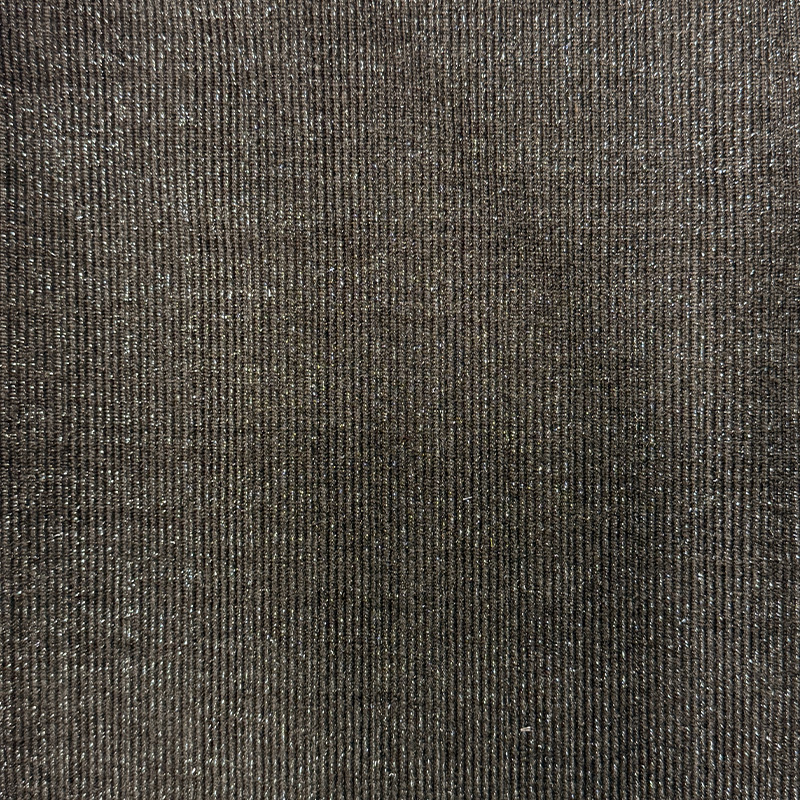
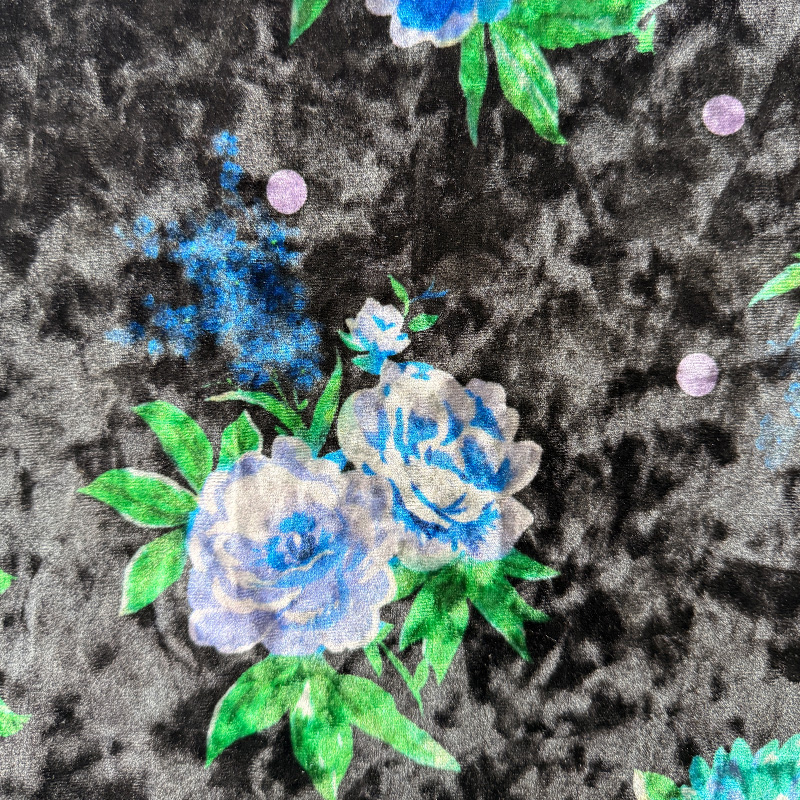
NO5001 Sunshine Velvet Fabric
93%T 7%SP 75"77" 150GSM
NO5001 Sunshine Velvet Fabric is a velvet fabric with a soft, smooth, and supple handfee...

1. Fabric Characteristics
Centered on the expression of a plush texture, the fabrics feature a short and dense pile structure on the surface. The overall appearance is delicate and full, presenting a soft and richly textured visual effect.
2. Touch Performance
The velvet surface is soft and fluffy, offering a smooth and comfortable hand feel, combined with a warm and delicate fabric character.
3. Warmth Properties
The fabrics provide good thermal insulation, making them suitable for garment directions that require warmth and comfort.
4. Durability Performance
This fabric series emphasizes everyday usability, featuring resistance to pilling and snagging, making it more suitable for long-term wear and use.
5. Style Expressiveness
The velvet material naturally carries rich layering and soft luster, enhancing the overall texture expression of garments and products.
6. Application Directions
Suitable for apparel development, fashion ready-to-wear, home textiles, and related product applications, meeting design needs across different styles and scenarios.
7. Series Advantages
Combining soft velvet touch, warmth, and stable usability, the series achieves a balance between comfort and visual appeal, delivering both practicality and refined texture presentation.
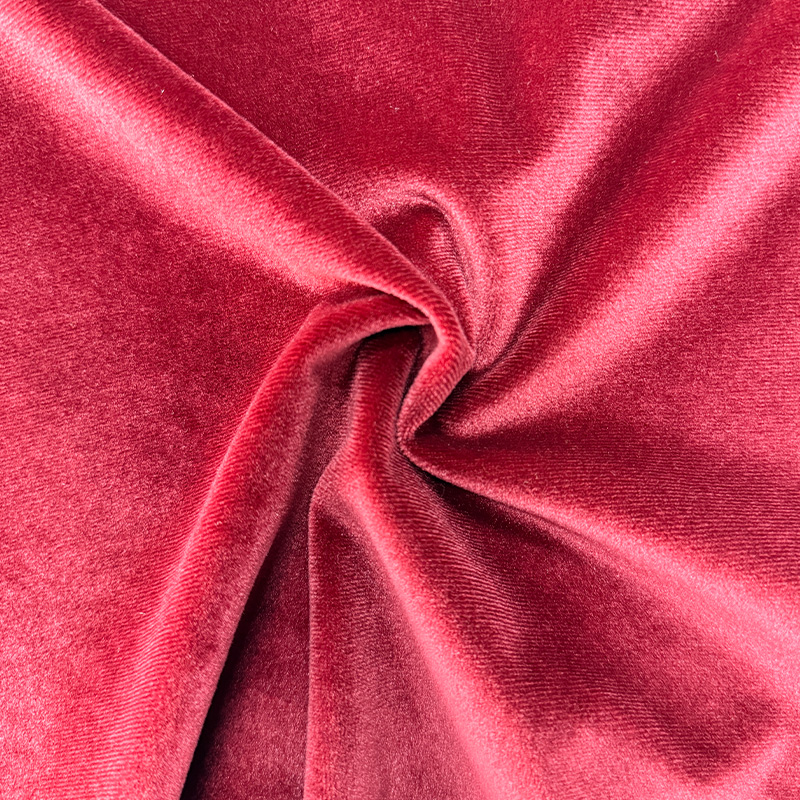
A sample swatch lands on your desk, you turn it over, and on the back you see short tufts of yarn arching over the base weave like tiny caterpillars. That is the moment most buyers first meet chenille fabric, and it is also the moment they usually ask the same question: what exactly is this materia...
READ MOREWhy Linen Cotton Blend Fabric Is a Sourcing Staple When a product developer in Dhaka or Istanbul asks for a fabric that sits between rustic linen and crisp cotton, an experienced mill will usually answer with the same recommendation: specify a linen cotton blend fabric. The combination of flax and ...
READ MORELinen fabric for apparel has a reputation problem. Ask ten buyers what they expect from it, and nine will describe a soft, breathable material that feels cool against the skin and improves with every wash. Then ask them what the first supplier actually delivered, and the answer is often different: ...
READ MORESoft velvet fabric is a luxurious woven or knitted textile characterized by a dense, even pile of cut yarns that create a smooth, plush surface with a distinctive sheen. Unlike traditional stiff velvets, modern soft velvet achieves exceptional suppleness through finer pile heights (1-3 mm versus 3-5 mm for standard velvet) and higher pile densities (40-80 piles per cm²). The global velvet textile market reached $18 billion in 2024, with soft velvet fabric representing 35% of consumption, driven by demand for velvet fabric for clothing (dresses, blazers) and velvet fabric for home decor (cushions, upholstery). This data-driven guide explains the manufacturing process — from fiber selection to pile cutting and finishing — and quantifies performance characteristics for buyers seeking a reliable soft velvet fabric supplier.
Shaoxing Echoes Textile Co., Ltd. — Echoes is a full-category import and export fabric company that integrates R&D, production, and sales. With years of deep expertise in the textile industry, the company leverages its two core production bases — an 80-acre specialized greige fabric factory and an 80-acre modern cotton yarn factory — to achieve full industrial chain control from raw materials to finished products. Backed by strong production capabilities, consistent quality assurance, and a mature supply chain system, Echoes focuses on textile import and export operations, offering a wide range of products, including various cotton yarns, greige fabrics, and related textile products, which are exported to numerous regions worldwide. Supported by a professional international trade service team, we precisely align with customer needs, deliver efficient order fulfillment, provide customized solutions, and ensure comprehensive after-sales service. As a leading soft velvet fabric supplier and velvet fabric supplier, Echoes produces high quality soft velvet fabric, plush fabric, and velvet cloth for global apparel and home decor brands, available through soft velvet fabric wholesale channels.
Soft velvet fabric is defined by three key characteristics: (1) a pile surface of evenly cut yarns standing perpendicular to the base fabric, (2) pile height of 1-3 mm (shorter than standard velvet's 3-5 mm), and (3) pile density of 40-80 piles per square centimeter. The softness is achieved through finer yarn denier (50-150 denier vs 200-400 for standard velvet) and higher twist levels (30-50% higher) that create a silkier hand feel. Unlike crushed velvet or embossed velvet, soft velvet has an evenly aligned pile that reflects light uniformly, producing a subtle sheen rather than high luster. The horizontal bar chart below compares soft velvet fabric properties with standard velvet and other plush fabric alternatives.
Figure 1: Soft velvet fabric properties vs standard velvet — Soft velvet fabric features shorter pile height (1-3 mm vs 3-5 mm) and higher pile density (40-80 piles/cm² vs 20-40 piles/cm²), resulting in a silkier, more supple hand feel with Shore A hardness of 15-25 (versus 30-40 for standard velvet). The higher density also contributes to superior abrasion resistance: soft velvet achieves 40,000-60,000 Martindale cycles, suitable for medium-duty upholstery and frequent-wear apparel. For velvet fabric for clothing, the lower pile height reduces snagging risk and improves drape — drape coefficient of 45-55% compared to 60-70% for standard velvet. The fine denier yarns (50-150 denier) used in high quality soft velvet fabric create a smoother surface with less light scatter, producing a subtle sheen rather than harsh shine. When evaluating a soft velvet fabric supplier, request pile density measurement (microscopic count of piles per cm²) and abrasion test results (ASTM D4966). For velvet fabric for home decor applications, higher pile density (60-80 piles/cm²) provides better resistance to matting over time. Plush fabric alternatives like velour or velveteen have lower pile density (15-25 piles/cm²) and shorter service life, making soft velvet the premium choice for high-end applications.
The production of soft velvet fabric involves six key stages: (1) yarn selection — fine denier polyester, rayon, or blends (50-150 denier); (2) weaving on double-cloth looms where two layers of fabric are woven simultaneously, connected by extra warp yarns (pile yarns); (3) pile cutting — a razor blade travels between the two fabric layers, cutting the connecting pile yarns to create two separate velvet fabrics; (4) brushing and shearing to raise and level the pile; (5) dyeing and finishing; (6) final brushing for softness. The column chart below shows the critical process parameters and their effect on final fabric quality.
Figure 2: Manufacturing parameters for soft velvet fabric — Premium soft velvet fabric uses fine denier yarns (50-150 denier) compared to standard velvet (200-400 denier), resulting in a silkier hand feel and lower pile rigidity. Pile density of 40-80 piles per centimeter of warp creates a dense, full surface that resists matting. The double-cloth weaving process allows precise control of pile height; for high quality soft velvet fabric, pile height variation is maintained below ±0.2 mm across the fabric width. After weaving, the pile is cut using a reciprocating razor blade traveling at 15-25 meters per minute; blade sharpness is critical — dull blades cause uneven pile tips and reduced luster. Brushing (3-5 passes) raises the pile and removes loose fibers; over-brushing can weaken the pile. For velvet fabric for clothing, an additional singeing step (passing over a flame at 800-1000°C) removes protruding fibers, creating a cleaner surface. The final fabric is then heat-set (150-170°C) to stabilize dimensions and pile orientation. A reliable soft velvet fabric manufacturer will control humidity (55-65% RH) during production to prevent static buildup that disrupts pile alignment. For velvet fabric for home decor applications, heavier base cloth construction (300-450 gsm) and additional backing may be applied for upholstery durability.
Soft velvet fabric offers a unique combination of aesthetic and functional properties: high pile density creates a rich, deep color appearance (light absorption 85-90% vs 60-70% for standard velvet), excellent drape (drape coefficient 45-55%), and moderate durability (40,000-60,000 Martindale cycles). However, the pile is directional — shading occurs when brushed in different directions. The radar chart below compares soft velvet with other premium velvet cloth variants across seven performance criteria.
Figure 3: Performance comparison of velvet fabric variants — Soft velvet fabric achieves the highest scores in softness (148), drapeability (142), and pile retention (145), making it the preferred choice for velvet fabric for clothing where fluid movement and luxurious hand feel are priorities. Color depth is superior (148 vs 125 for standard velvet) due to the dense, fine pile that traps light, creating a rich, saturated appearance. Abrasion resistance of soft velvet (135) exceeds both standard velvet (125) and crushed velvet (110), with premium velvet cloth achieving 50,000+ Martindale cycles. For velvet fabric for home decor (upholstery, cushions), the combination of pile retention and abrasion resistance ensures long-term appearance maintenance. Lightfastness (colorfastness to light) is moderate (120) — polyester-based soft velvet typically achieves 4-5 on the ISO blue wool scale; for sun-exposed applications, request UV-stabilized fibers. Moisture regain of soft velvet (125) is higher than standard velvet due to finer fibers increasing surface area; this improves comfort in apparel but may require faster drying times. When selecting from a soft velvet fabric supplier, request pile retention test data (change in pile height after 10,000 abrasion cycles — premium velvet shows <10% reduction). For high quality soft velvet fabric used in eveningwear, drape coefficient below 50% ensures graceful movement without stiffness.
Soft velvet fabric serves diverse end-uses: apparel (45% of consumption) — dresses, blazers, skirts, eveningwear; home decor (35%) — cushions, drapery, upholstery; accessories (20%) — bags, shoes, headwear. The line chart below shows consumption growth by sector through 2030, with home decor showing the fastest growth at 6.2% CAGR.
Figure 4: Consumption growth by application sector — Apparel remains the largest market for soft velvet fabric at 45,000 tons (2024), growing at 2.5% CAGR to 52,000 tons by 2030. Home decor is the fastest-growing segment at 6.2% CAGR, from 28,000 tons to 40,000 tons over the same period, driven by demand for luxurious velvet fabric for home decor (cushions, sofas, drapery). Accessories account for 15,000 tons with 4.0% CAGR. For soft velvet fabric wholesale buyers, consider these selection criteria:
Soft velvet fabric has shorter pile height (1-3 mm vs 3-5 mm), higher pile density (40-80 vs 20-40 piles/cm²), and finer yarn denier (50-150 vs 200-400). This results in a silkier hand feel (Shore A 15-25 vs 30-40), better drape, and lighter weight, making soft velvet preferred for apparel. Standard velvet is stiffer and heavier, better suited for upholstery applications.
Soft velvet fabric requires gentle care: dry cleaning recommended for structured garments; hand wash cold (30°C) with mild detergent for simple items — never wring. Avoid direct heat (iron on reverse side, low temperature, use pressing cloth). Store hung to prevent pile crushing. A quality velvet fabric supplier will provide care instructions specific to fiber content (polyester velvets are more durable than rayon).
When evaluating a soft velvet fabric supplier, request: (1) pile height and density specifications, (2) Martindale abrasion test results (ASTM D4966), (3) color fastness reports (AATCC 61 for washing, AATCC 16 for light), and (4) fiber composition verification. A reputable soft velvet fabric manufacturer will provide lot-to-lot consistency and OEKO-TEX certification for skin-contact applications. For soft velvet fabric wholesale orders, request pre-production samples to evaluate hand feel, pile alignment, and color depth.
Yes, velvet fabric for home decor uses heavier construction (300-450 gsm, 2.0-3.0 mm pile height) suitable for medium-duty upholstery. For high-traffic upholstery (hotels, restaurants), select plush fabric with Martindale cycles exceeding 60,000 and polyester or cotton-poly blends for durability. A velvet fabric supplier can recommend grades for residential vs. commercial use.
As a leading soft velvet fabric supplier and velvet fabric supplier, Shaoxing Echoes Textile Co., Ltd. offers a comprehensive range of high quality soft velvet fabric, plush fabric, and velvet cloth for apparel, home decor, and accessories. Whether you require velvet fabric for clothing, velvet fabric for home decor, or custom soft velvet fabric for your brand, Echoes provides certified quality, full traceability, and reliable soft velvet fabric wholesale solutions. Partner with a trusted soft velvet fabric manufacturer that delivers luxury, softness, and durability.
If you have any questions, please get in touch with us.