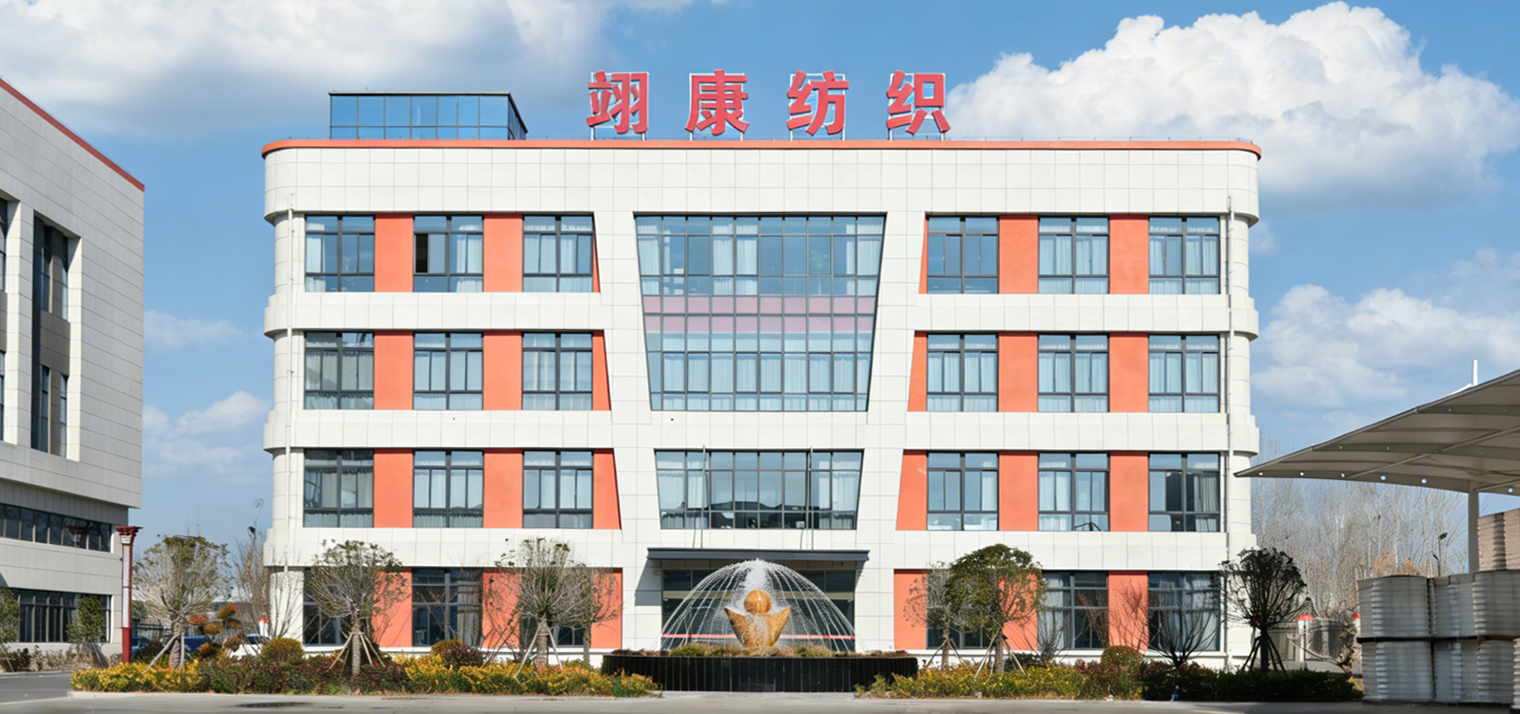
Echoes is a full-category import and export fabric company that integrates R&D, production, and sales. With years of deep expertise in the textile industry, the company leverages its two core production bases — an 80-acre specialized greige fabric factory and an 80-acre modern cotton yarn factory — to achieve full industrial chain control from raw materials to finished products.
Shaoxing Echoes Textile Co., Ltd. is a China Wholesale Printed Polyester Fabric Factory and Printed Polyester Fabric Manufacturer, building upon a steadfast dedication to integrity and a quality-first philosophy, Echoes strives to position itself as a globally trusted and dependable partner across the textile supply chain, consistently delivering value and fostering long-term collaboration with clients worldwide.
"What fabric is denim made of?" is usually the first question a garment manufacturer, fabric buyer, or wholesale sourcing agent asks before placing a denim order. The direct answer is that classic denim is a cotton twill fabric, but the complete answer also covers indigo dyeing, yarn structure, and...
You have finally settled on the window treatment style, measured every window twice, and started comparing samples. Then the question that decides everything appears: what curtain cloth fabric should you actually order? The answer is never just about color or pattern. Drape, light transmission, was...
What Is Mosquito Net Mesh Fabric and Why It Matters
Mosquito net mesh fabric is a specialized textile engineered with an open weave structure that creates a physical barrier against insects while allowing air to pass through freely. Unlike standard fabrics used for clothing or upholstery, mosquito ...
What Is Printed Polyester Fabric and Why Is It So Popular?
Printed polyester fabricis a synthetic textile where designs, patterns, or photorealistic images are applied to polyester substrate using sublimation, digital, or screen printing technologies. Unlike natural fibers that absorb dye into the fiber structure, polyester print fabric relies on dye sublimation (heat-activated transfer) where dyes become gas and bond with polyester molecules, creating permanent, vibrant colors that do not fade, crack, or peel. The global market for printed polyester fabric reached $38 billion in 2024, accounting for 55% of all printed textile production, driven by demand for custom printed polyester fabric in sportswear, activewear, fashion apparel, and home textiles. This data-driven guide explains the printing technologies, quantifies performance advantages, and helps buyers select a reliable printed polyester fabric supplier.
Shaoxing Echoes Textile Co., Ltd. — Echoes is a full-category import and export fabric company that integrates R&D, production, and sales. With years of deep expertise in the textile industry, the company leverages its two core production bases — an 80-acre specialized greige fabric factory and an 80-acre modern cotton yarn factory — to achieve full industrial chain control from raw materials to finished products. Backed by strong production capabilities, consistent quality assurance, and a mature supply chain system, Echoes focuses on textile import and export operations, offering a wide range of products, including various cotton yarns, greige fabrics, and related textile products, which are exported to numerous regions worldwide. Supported by a professional international trade service team, we precisely align with customer needs, deliver efficient order fulfillment, provide customized solutions, and ensure comprehensive after-sales service. As a leading printed polyester fabric manufacturer and printed polyester fabric supplier, Echoes produces sublimation printed polyester fabric, digital printed polyester fabric, and custom printed polyester fabric for sportswear, activewear, dresses, and leggings, available through printed polyester fabric wholesale channels.
1. What Is Printed Polyester Fabric? Definition and Sublimation Technology
Printed polyester fabric is created using dye sublimation — a process where solid dye particles are heated to gas (180-220°C) under pressure, bonding with polyester polymer chains. Unlike screen printing (where ink sits on the surface), sublimation becomes part of the fiber, producing colors that are wash-fast, light-fast, and stretchable without cracking. The polyester fabric printing manufacturer process offers unlimited color capability (millions of shades), photo-realistic detail (600-1200 dpi), and eliminates water consumption in print application (dry process). The horizontal bar chart below compares sublimation printing with other methods for polyester textile.
Figure 1: Sublimation vs. other printing methods for polyester — Sublimation printed polyester fabric achieves the highest color fastness rating (5/5 on ISO 105-C06, meaning no color loss after 50 wash cycles), compared to 4.5/5 for digital reactive printing on natural fibers and 3.5-4/5 for screen printing. Stretch retention is critical for printed polyester fabric for leggings and sportswear: sublimation prints maintain 98% of color integrity after 50% elongation, while screen-printed designs crack (losing 30-40% coverage). Unlimited color capability allows photorealistic gradients, ombre effects, and seamless repeats — impossible with screen printing's 8-12 color limit. For custom printed polyester fabric, sublimation also eliminates water consumption (dry process), contrasting with 40-60 L per kg for screen printing. The transfer paper used in sublimation is 95-98% recyclable. For printed polyester fabric for activewear, sublimation's gas-phase bonding ensures that prints do not affect fabric breathability (MVTR remains 8,000-10,000 g/m²/24h). When evaluating a printed polyester fabric supplier, request sublimation transfer parameters (temperature, time, pressure) and wash fastness test reports. Digital printed polyester fabric using sublimation offers MOQs as low as 100-500 meters per design, enabling small-batch custom printed polyester fabric supplier relationships for emerging brands.
Table 1: Printed polyester fabric specifications by application
Application
Weight (gsm)
Stretch (%)
Moisture Wicking
Typical Print
Sportswear / Activewear (tops, shorts)
130-170
20-40% (with elastane)
Excellent (8-10 cm/30min)
Abstract, camo, geometric, gradient
Leggings / Yoga Pants
200-280
50-100% (with 10-15% elastane)
Excellent
All-over prints, galaxy, floral
Dresses / Fashion Apparel
110-150
10-20% (low elastane or woven)
Moderate
Floral, novelty, conversational
Swimwear / Beachwear
180-220
70-120% (15-20% elastane)
Excellent (quick-dry)
Tropical, neon, tropical
2. Why Is Printed Polyester Fabric So Popular? Key Performance Drivers
The popularity of printed polyester fabric stems from five quantifiable advantages: (1) color vibrancy and permanence (5/5 wash fastness, 4-5 light fastness), (2) durability (50,000+ Martindale cycles, no cracking with stretch), (3) moisture management (wicking height 8-12 cm/30min), (4) quick drying (15-20 minutes vs 30-40 for cotton), and (5) cost efficiency (lower production costs than natural fiber printing). The radar chart below compares polyester print fabric with cotton and nylon printed alternatives.
Figure 2: Performance comparison of printed fabrics — Printed polyester fabric scores highest in color vibrancy (150), wash fastness (148), stretchability (145), and cost efficiency (142). Sublimation's dye integration achieves color saturation not possible with reactive dyes on cotton (115). Wash fastness of 5/5 ensures that custom printed polyester fabric retains vibrancy after 50+ washes, while cotton prints fade to grade 3-4. Stretchability (145) is critical for printed polyester fabric for leggings and sportswear: sublimation prints stretch with the fabric without cracking, whereas screen-printed cotton cracks at 20-30% elongation. Moisture wicking (130) outperforms cotton (85) and nylon (110), making breathable printed polyester fabric ideal for activewear. For recycled printed polyester fabric (rPET from post-consumer bottles), performance metrics are 95-98% of virgin polyester, supporting sustainability goals without sacrificing quality. For wholesale printed polyester fabric buyers, the combination of durability and color permanence reduces customer returns and enhances brand reputation.
3. Digital and Sublimation Printing: Technical Advantages for Polyester
Digital printed polyester fabric using sublimation offers unmatched technical advantages: no minimum order quantity limitations (100-500 meters economically viable), no color count restrictions, and no water waste. The sublimation transfer process achieves 95-98% dye transfer efficiency, with unused dye captured in transfer paper (recyclable). The column chart below compares digital sublimation with conventional rotary screen printing specifically for polyester textile.
Figure 3: Digital vs. screen printing for polyester — Digital printed polyester fabric offers MOQs of 100-500 meters (versus 3,000-10,000 for screen printing), enabling brands to launch multiple designs per season with reduced inventory risk. Design changeover time of 0.5-1 hour (versus 8-24 hours for screen) allows custom printed polyester fabric supplier to offer fast turnaround (5-10 days). Water consumption of 0-5 L/kg (dry process) versus 40-60 L/kg for screen printing makes sublimation an eco-friendly choice for sustainable printed polyester fabric. For printed polyester fabric for activewear, digital sublimation eliminates the "hand" (stiffness) associated with screen-printed designs, maintaining fabric's natural stretch and drape. For wholesale printed polyester fabric buyers, digital printing becomes cost-effective for runs under 5,000 meters per design; above that, screen printing may offer lower per-unit costs but longer lead times and higher setup costs. Sublimation printed polyester fabric also enables continuous tone printing (photographs, gradients) impossible with screen printing's halftone dots.
Demand for recycled printed polyester fabric is growing rapidly, with GRS-certified rPET (from post-consumer bottles) achieving 95-98% of virgin polyester's performance (tenacity 4.5-6.0 cN/tex, color fastness 5/5). The global market for recycled polyester reached $7.5 billion in 2024, projected to grow at 12% CAGR through 2030. Sublimation printing works identically on recycled polyester, with no quality degradation. The line chart below shows adoption trends for recycled and sustainably printed polyester.
Figure 4: Recycled printed polyester fabric market growth — Recycled polyester share of printed polyester fabric has grown from 10% in 2022 to 22% in 2024, projected to reach 40% by 2030. For printed polyester fabric supplier selection, GRS certification ensures chain-of-custody for recycled content claims (minimum 20% recycled, up to 100%). Carbon footprint reduction for recycled polyester is 40-60% (3.0-4.0 kg CO₂e per kg vs 5.5-7.5 for virgin), with water savings of 50-70%. Lightweight printed polyester fabric (80-120 gsm) made from recycled content is widely available for activewear and linings. Breathable printed polyester fabric retains moisture-wicking properties (8-10 cm/30min wicking height) regardless of recycled content. For wholesale printed polyester fabric buyers, specifying rPET aligns with brand sustainability targets without compromising quality or print vibrancy.
Color Permanence: 5/5 wash fastness, 4-5 light fastness — 2x better than screen-printed cotton
Stretch Compatibility: 98% color retention at 50% elongation — ideal for leggings and activewear
Sustainability: Recycled rPET available (GRS-certified), sublimation uses 0-5 L water per kg
Production Flexibility: MOQ 100-500m, 5-10 day lead time, unlimited colors
5. Common Questions About Printed Polyester Fabric
Q1: Does printed polyester fabric fade in the sun?
Sublimation printed polyester fabric exhibits excellent light fastness (grade 4-5 on ISO blue wool scale), meaning minimal fading after 500+ hours of direct sunlight exposure. This makes printed polyester fabric for swimwear and outdoor activewear ideal for extended UV exposure. For comparison, reactive-dyed cotton fades to grade 3-4 after 200 hours, and screen-printed designs may fade faster due to surface ink degradation. Always request light fastness test reports from your printed polyester fabric supplier.
Q2: Can printed polyester fabric be used for high-intensity sportswear?
Yes, printed polyester fabric for activewear and sportswear is the leading application. Moisture wicking (8-12 cm/30min wicking height) pulls sweat away from skin, and quick-drying (15-20 minutes) prevents chills after exercise. For printed polyester fabric for leggings, choose fabric with 10-15% elastane for 50-100% stretch and squat-proof opacity. Sublimation prints do not crack or peel during high-extension activities. A reliable printed polyester fabric manufacturer will provide wicking test data (AATCC 197).
Q3: How do I care for printed polyester fabric garments?
Printed polyester fabric is easy to care for: machine wash cold (30°C) with like colors, use mild detergent (avoid bleach), tumble dry low or line dry. Do not iron directly on printed surface (iron on reverse side at low temperature, 110°C maximum). Sublimation prints are permanently bonded, so they will not peel or crack with proper care. For custom printed polyester fabric garments, wash inside-out in mesh bags to reduce abrasion. Avoid fabric softeners which can reduce moisture-wicking performance by 30-40%.
Q4: What is the typical minimum order quantity for custom printed polyester fabric?
For custom printed polyester fabric via digital sublimation, typical MOQs range from 100-500 meters per design (depending on fabric width, 145-160 cm). Some digital printed polyester fabric manufacturer offer sample runs of 10-50 meters for design validation and market testing. For printed polyester fabric wholesale with screen printing, MOQs are significantly higher (3,000-10,000 meters). Digital sublimation's low MOQs enable small-batch custom printed polyester fabric supplier relationships ideal for emerging brands and seasonal capsule collections.
As a leading printed polyester fabric manufacturer and printed polyester fabric supplier, Shaoxing Echoes Textile Co., Ltd. offers comprehensive solutions for printed polyester fabric for sportswear, printed polyester fabric for leggings, printed polyester fabric for dresses, and sublimation printed polyester fabric. Whether you require custom printed polyester fabric, digital printed polyester fabric, or recycled printed polyester fabric, Echoes provides certified quality, vibrant sublimation printing, and reliable printed polyester fabric wholesale solutions. Partner with a trusted polyester fabric printing manufacturer that delivers durability, color permanence, and performance.


 English
 Español
 italiano