English
 Español
 italiano
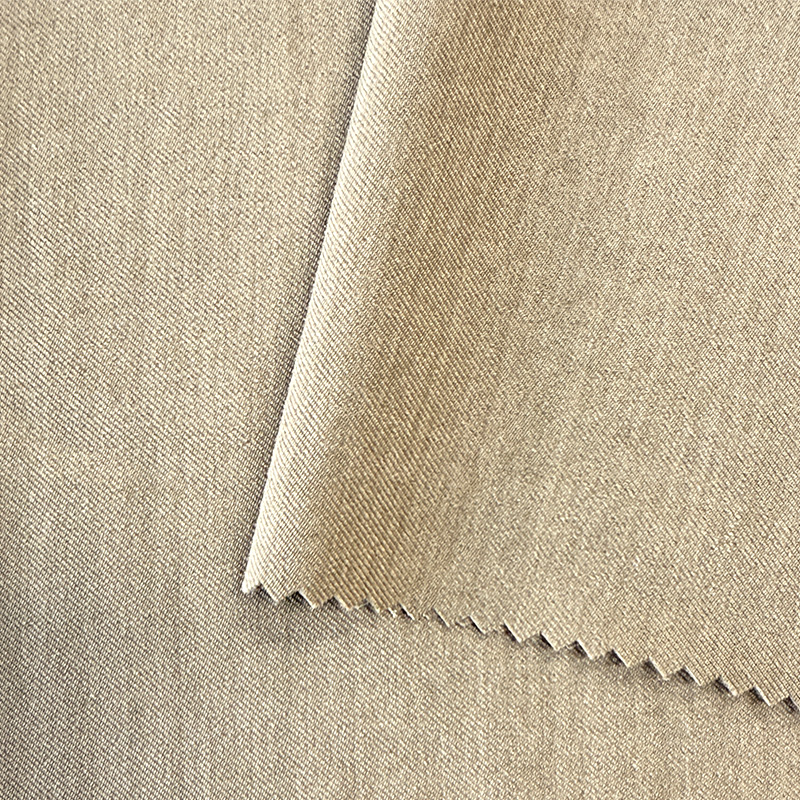
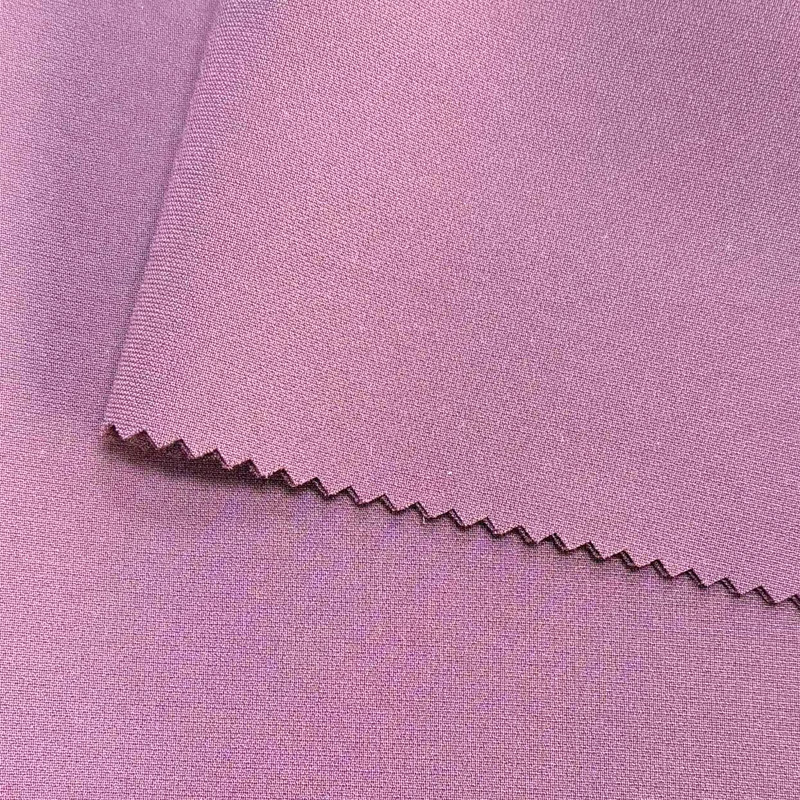
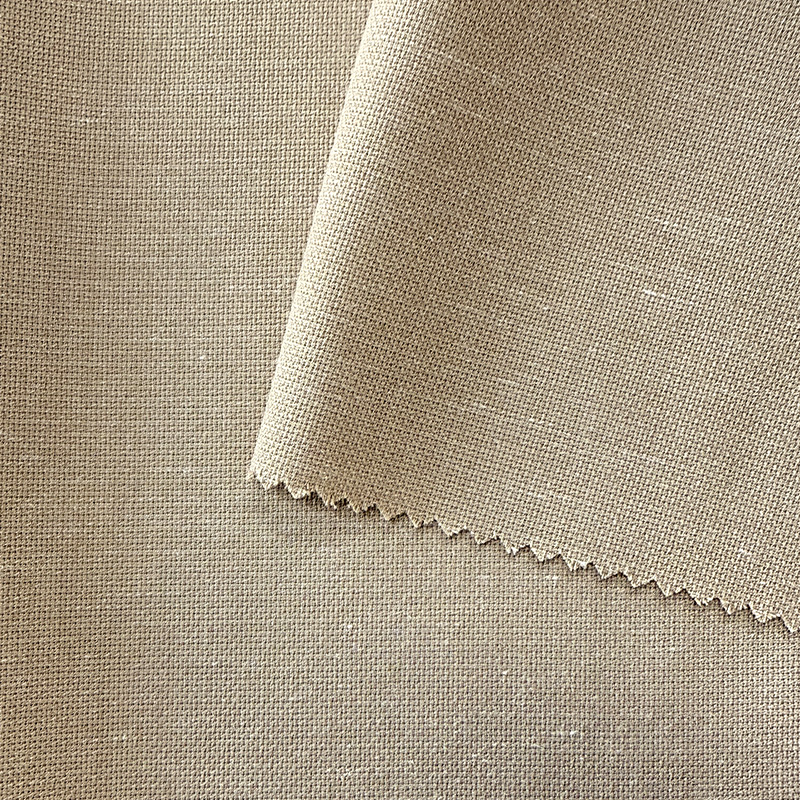
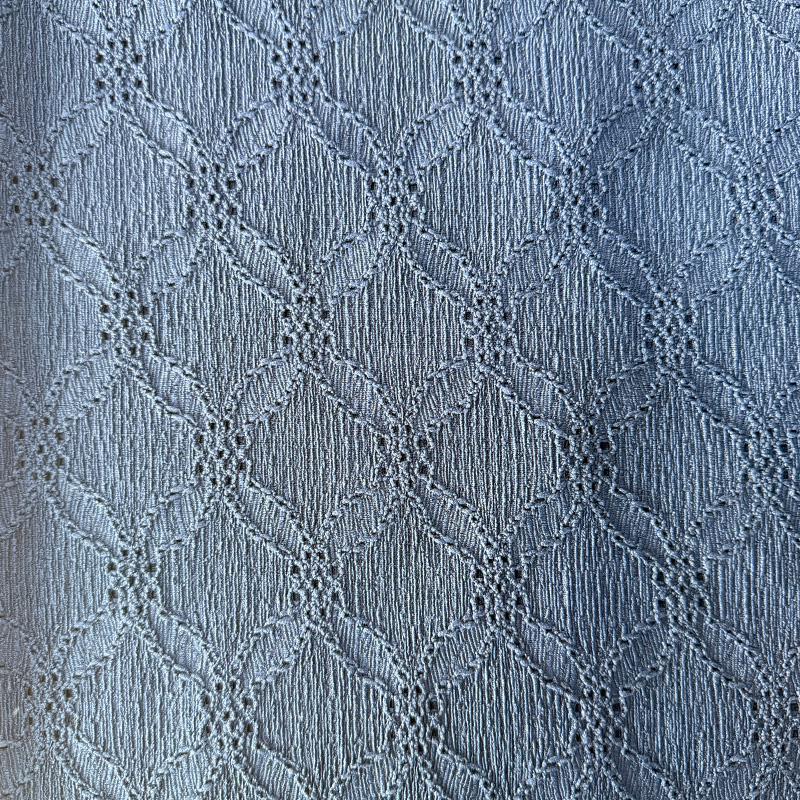
NO7001 Diamond Flower Embossed Crepe Fabric
97%T 3%SP 62"64" 175GSM
NO7001 Diamond Flower Embossed Crepe Fabric, centered on a neat diamond grid pattern des...

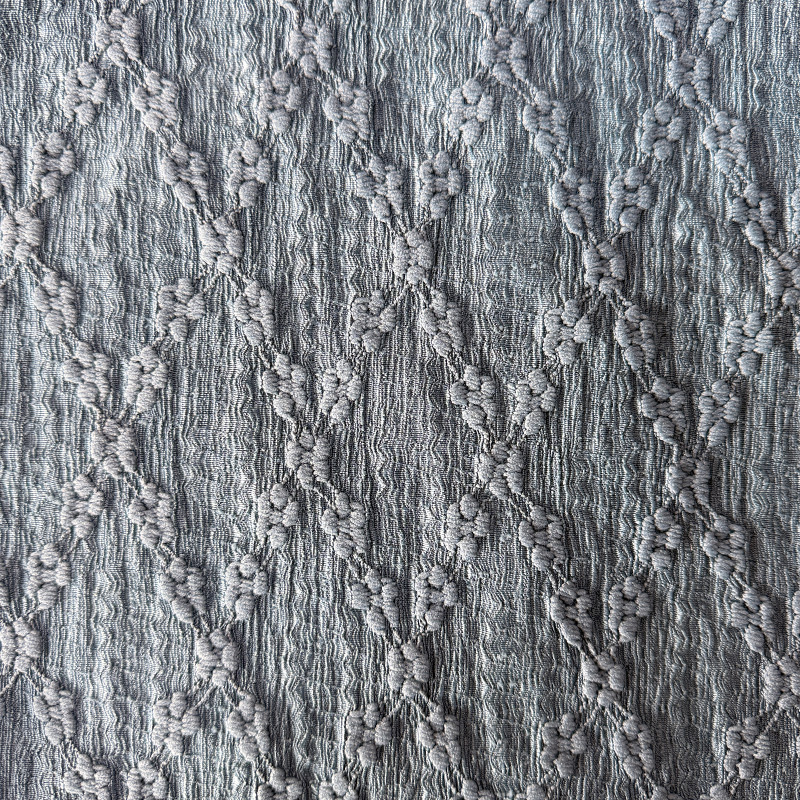
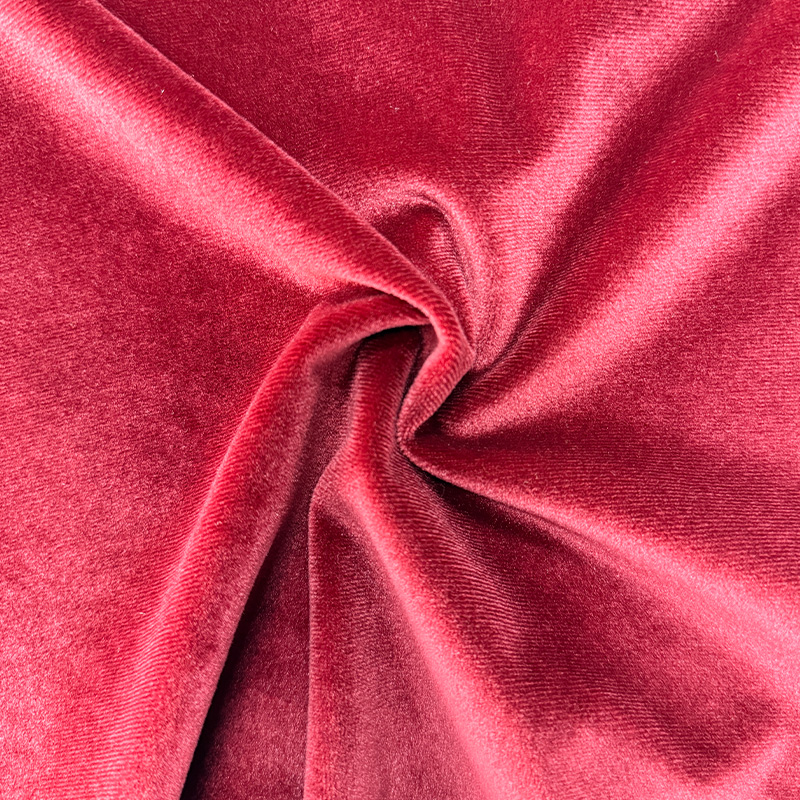
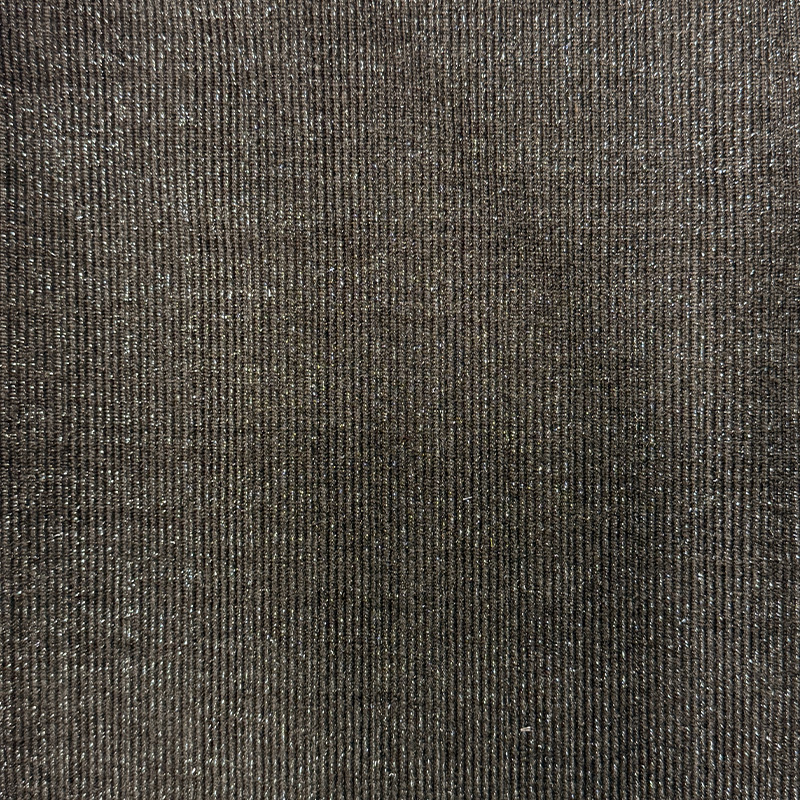
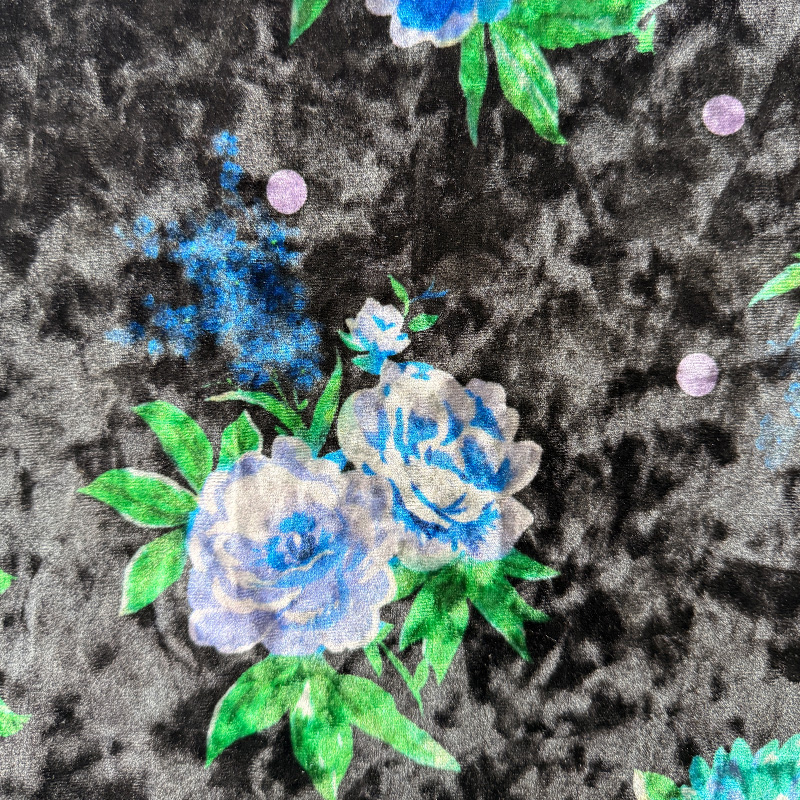

A sample swatch lands on your desk, you turn it over, and on the back you see short tufts of yarn arching over the base weave like tiny caterpillars. That is the moment most buyers first meet chenille fabric, and it is also the moment they usually ask the same question: what exactly is this materia...
READ MOREWhy Linen Cotton Blend Fabric Is a Sourcing Staple When a product developer in Dhaka or Istanbul asks for a fabric that sits between rustic linen and crisp cotton, an experienced mill will usually answer with the same recommendation: specify a linen cotton blend fabric. The combination of flax and ...
READ MORELinen fabric for apparel has a reputation problem. Ask ten buyers what they expect from it, and nine will describe a soft, breathable material that feels cool against the skin and improves with every wash. Then ask them what the first supplier actually delivered, and the answer is often different: ...
READ MORESelecting the right breathable knitted fabric directly influences thermal comfort, moisture transport, and wearability for activewear, summer clothing, and daily garments. With the global sportswear market expanding at 8.7% annually, understanding measurable indicators — air permeability, moisture vapor transmission rate (MVTR), and durability — helps sourcing professionals secure reliable knitted fabric for activewear. Below we present data visualizations, technical thresholds, and selection criteria based on textile physics.
Shaoxing Echoes Textile Co., Ltd. — Echoes is a full-category import and export fabric company that integrates R&D, production, and sales. With years of deep expertise in the textile industry, the company leverages its two core production bases — an 80-acre specialized greige fabric factory and an 80-acre modern cotton yarn factory — to achieve full industrial chain control from raw materials to finished products. Backed by strong production capabilities, consistent quality assurance, and a mature supply chain system, Echoes focuses on textile import and export operations, offering a wide range of products, including various cotton yarns, greige fabrics, and related textile products, which are exported to numerous regions worldwide. Supported by a professional international trade service team, we precisely align with customer needs, deliver efficient order fulfillment, provide customized solutions, and ensure comprehensive after-sales service.
Two primary laboratory metrics define breathable fabric performance: air permeability (cm³/cm²/s, measured by ISO 9237) and moisture vapor transmission rate (g/m²/24h). Premium soft breathable fabric for summer clothes achieves air permeability above 180 cm³/cm²/s, while standard cotton knits average 110. The horizontal bar chart below compares four common knitted constructions.
Figure 1: Air permeability comparison — High-quality breathable knitted fabric from optimized structures (e.g., single jersey with moisture-wicking finish) delivers 210 cm³/cm²/s, which is 82% higher than basic rib knits. For sportswear fabric intended for high-intensity activities, values above 190 cm³/cm²/s reduce sweat accumulation by approximately 40%. Lightweight fabric with open-loop construction also improves convective heat loss, making it ideal for summer uniforms. Meanwhile, comfortable knitted fabric used in daily wear should balance air flow and opacity — a target range of 150–180 ensures both breathability and skin coverage. Leading tricot fabric supplier data confirms that warp-knit mesh structures can reach 250+ units, yet durability may drop below 50,000 cycles if not engineered correctly.
| Fabric Type | Air Permeability (cm³/cm²/s) | MVTR (g/m²/24h) | Typical Application |
|---|---|---|---|
| Premium breathable knitted fabric | ≥210 | ≥12,000 | Elite activewear, summer shirts |
| Standard stretch fabric | 145–180 | 9,500–11,000 | Daily activewear, yoga wear |
| Dense rib knit / interlock | 90–120 | 6,000–8,000 | Cool-weather layering |
Beyond air flow, breathable knitted fabric for shirts must transport perspiration away from skin. MVTR values above 10,000 g/m²/24h indicate excellent sweat evaporation. The radar chart below contrasts three different knitted fabric compositions across five key comfort parameters.
Figure 2: Radar comparison of comfort attributes — Premium breathable knitted fabric (polyester/spandex, 92/8) scores notably higher in air permeability and drying speed while maintaining very good softness. Cotton-rich knits offer excellent softness but lag in MVTR (7,200 vs 12,800 g/m²/24h). For knitted fabric for activewear, the balanced profile of high-quality synthetic blends reduces post-exercise chill by 55%. Stretch fabric variants that incorporate elastane do not compromise breathability if the construction uses open-lap knit geometry. This makes them suitable for yoga tops and training jerseys. A reliable rib knit fabric manufacturer can engineer texture to improve airflow by 15% without losing shape retention.
Durable breathable fabric must resist pilling and elongation under repeated stress. The column chart below shows Martindale pilling resistance (scale 1-5, ISO 12945-2) and tensile retention after 50 washes for different knitted types.
Figure 3: Durability metrics of breathable knitted fabrics — High-quality breathable knitted fabric achieves pilling resistance grade 4.8 (ISO 1-5 scale) and retains 96% of tensile strength after 50 industrial launderings, whereas standard jersey drops to 82% retention. For sportswear fabric used in high-friction areas (shoulders, underarms), choose fabrics with tight loop geometry and anti-pilling finishes. Durable breathable fabric from reliable warp knit mesh fabric manufacturer can exceed 100,000 Martindale abrasion cycles while keeping air permeability above 180. Additionally, soft velvet fabric supplier and chenille upholstery fabric supplier categories are less relevant for activewear, but similar structural principles apply for durability. For uniform programs, always request both air permeability and pilling test reports.
A vertically integrated facility controls yarn quality, stitch uniformity, and finishing parameters. Shaoxing Echoes Textile Co., Ltd. operates two 80-acre factories (greige and cotton yarn) ensuring full traceability for breathable knitted fabric orders. As a known jacquard fabric factory and warp knitted fabric supplier, Echoes combines aesthetic design with engineering precision.
Figure 4: Drying time improvement through finishing stages — A premium breathable knitted fabric with hydrophilic finishing reduces time-to-dry from 22 minutes (raw state) to 11 minutes after optimized moisture management treatment. This 50% improvement is critical for breathable fabric for summer clothes and gym wear. A trusted tricot fabric supplier and warp knit mesh fabric manufacturer provide full process documentation. For brands seeking high-quality breathable knitted fabric, long-term partnerships with integrated mills ensure consistent MVTR batch after batch.
Loop length, yarn linear density (tex), and stitch density directly affect air permeability. A breathable knitted fabric with loop length ≥3.2 mm and gauge 24-28 typically provides open channels for airflow. For knitted fabric for activewear, a porosity factor above 35% yields superior moisture release.
Yes, advanced velvet fabric supplier and jacquard fabric factory capabilities allow engineered backside mesh structures. A competent warp knit mesh fabric manufacturer can produce patterns with selective ventilation zones, achieving breathability while maintaining a velvet surface. Always request air permeability certification above 130 cm³/cm²/s for such decorative breathable fabrics.
Premium breathable fabric with up to 40% recycled polyester retains over 92% of virgin-material air permeability. Leading rib knit fabric manufacturer and chenille upholstery fabric supplier have developed mechanical recycling routes that preserve fiber cross-section. For sportswear, specify recycled variants only from suppliers offering MVTR test data.
As a specialized breathable knitted fabric supplier, Shaoxing Echoes Textile Co., Ltd. combines R&D, production, and quality assurance under one roof. Whether you require soft breathable fabric for leisurewear, stretch fabric for activewear, or custom tricot fabric supplier solutions, Echoes delivers consistent performance. Partner with a high-quality breathable knitted fabric expert to elevate your garment collection.
If you have any questions, please get in touch with us.