
 English
 Español
 italiano
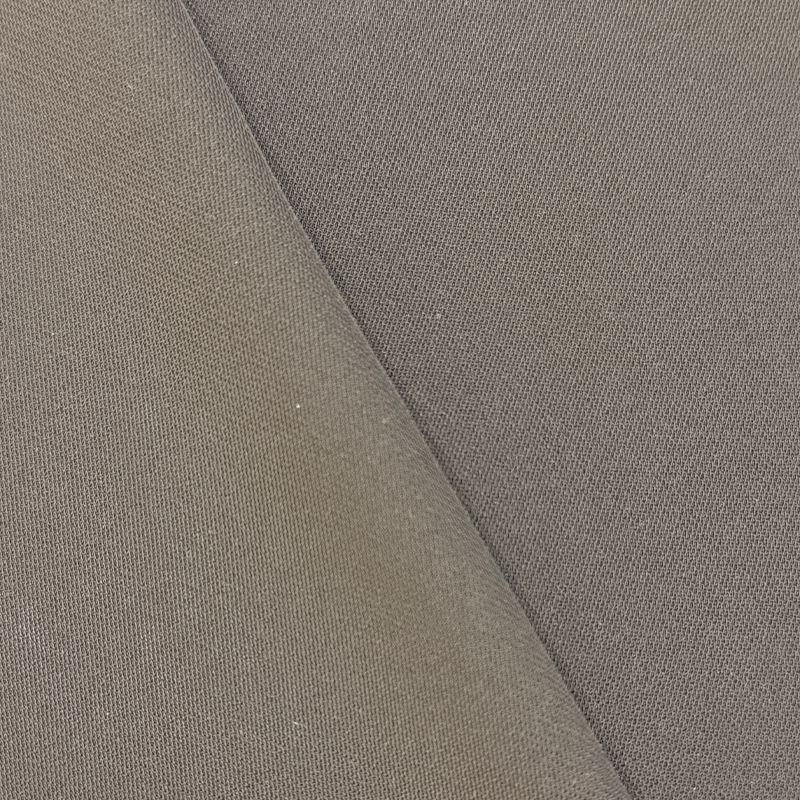
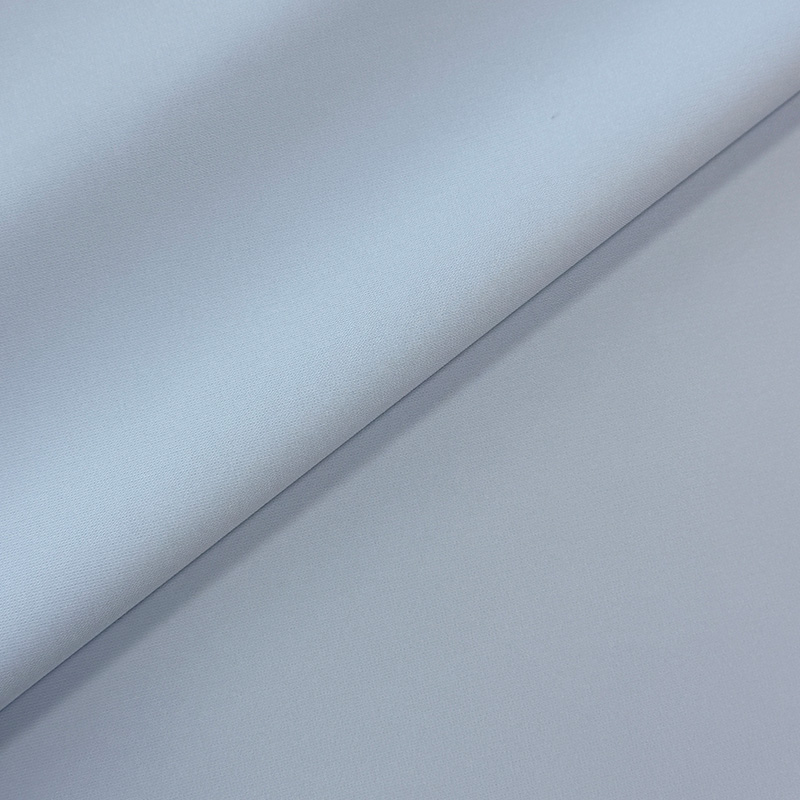
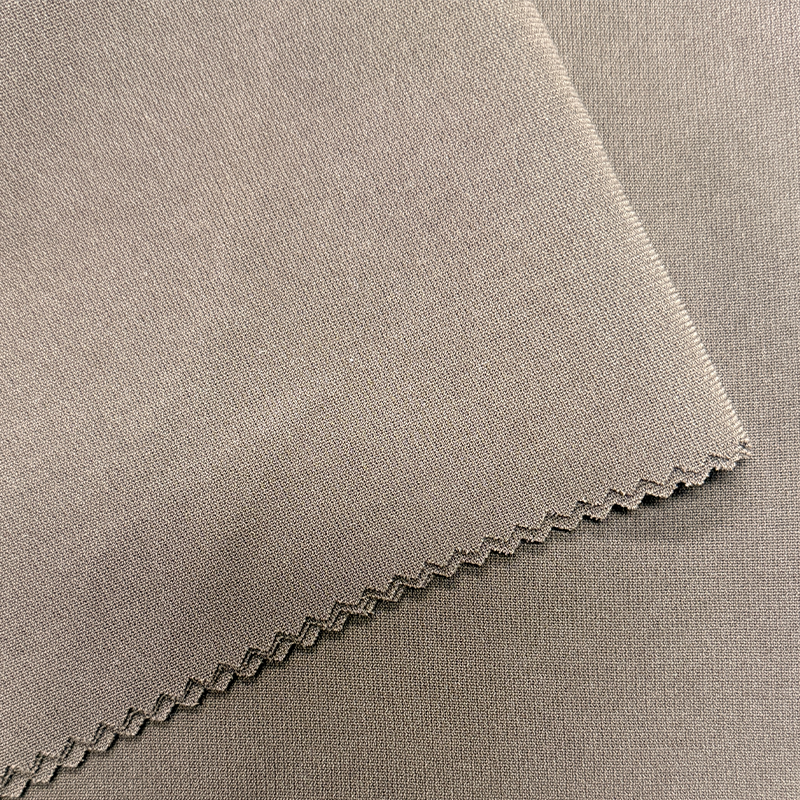
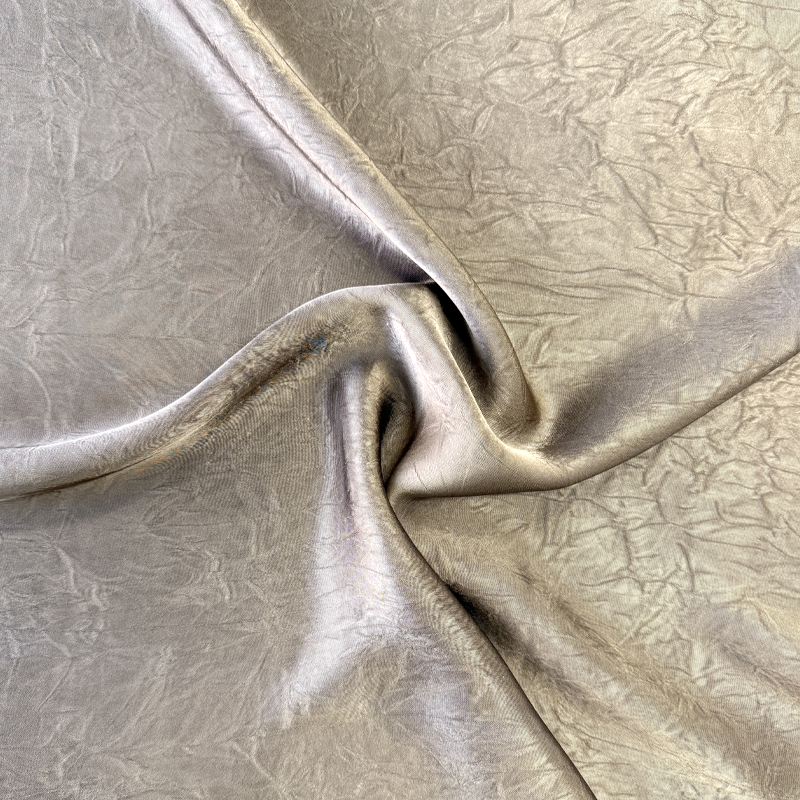
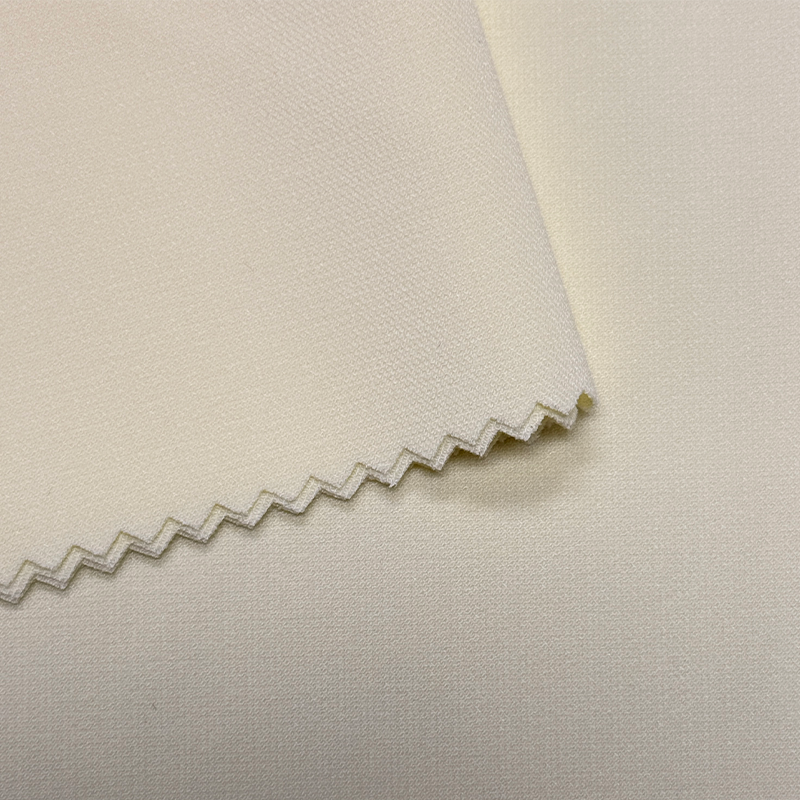
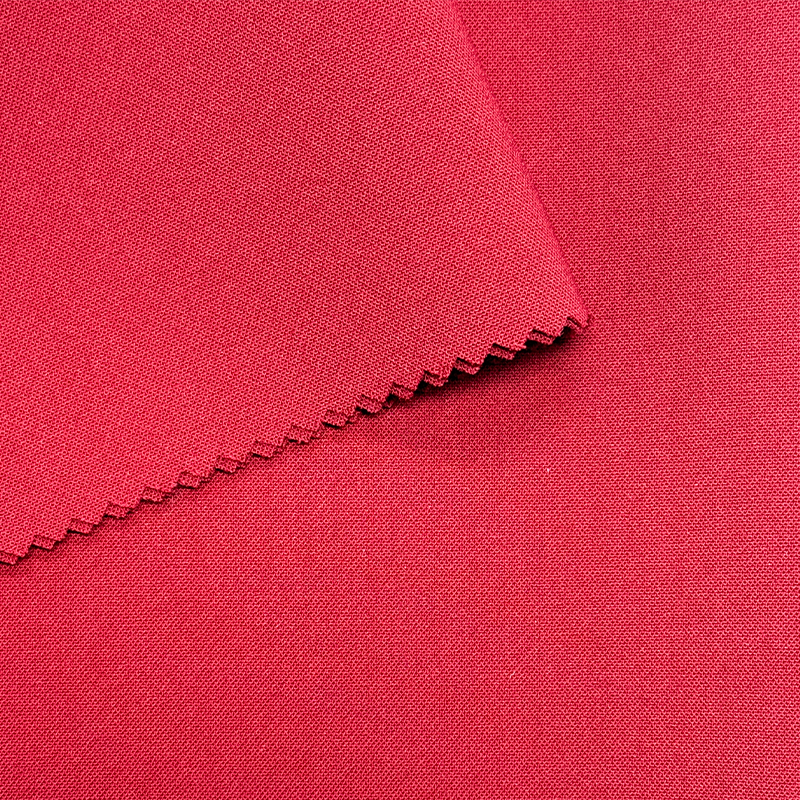
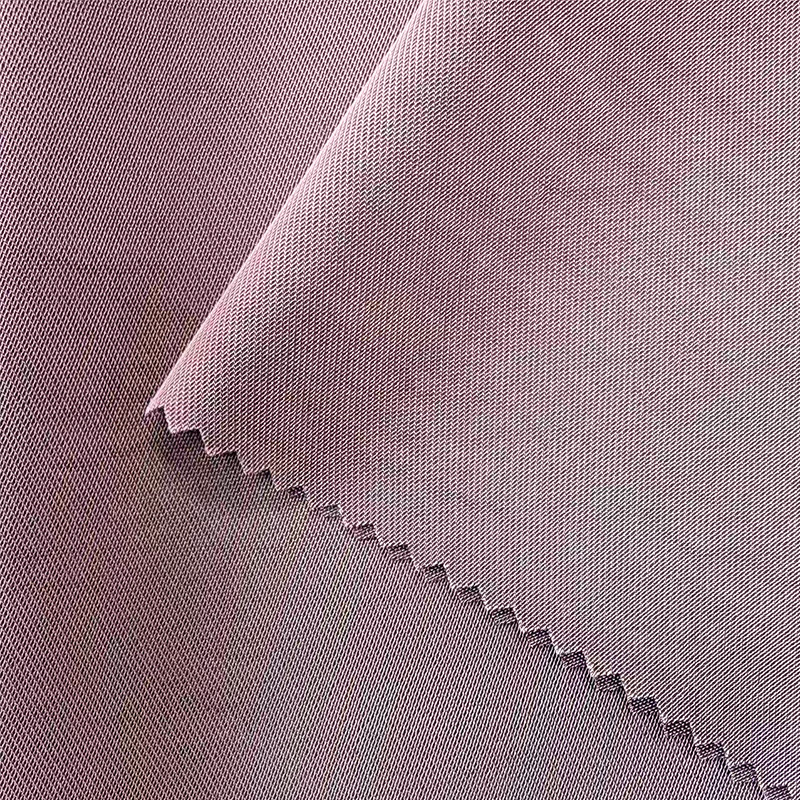
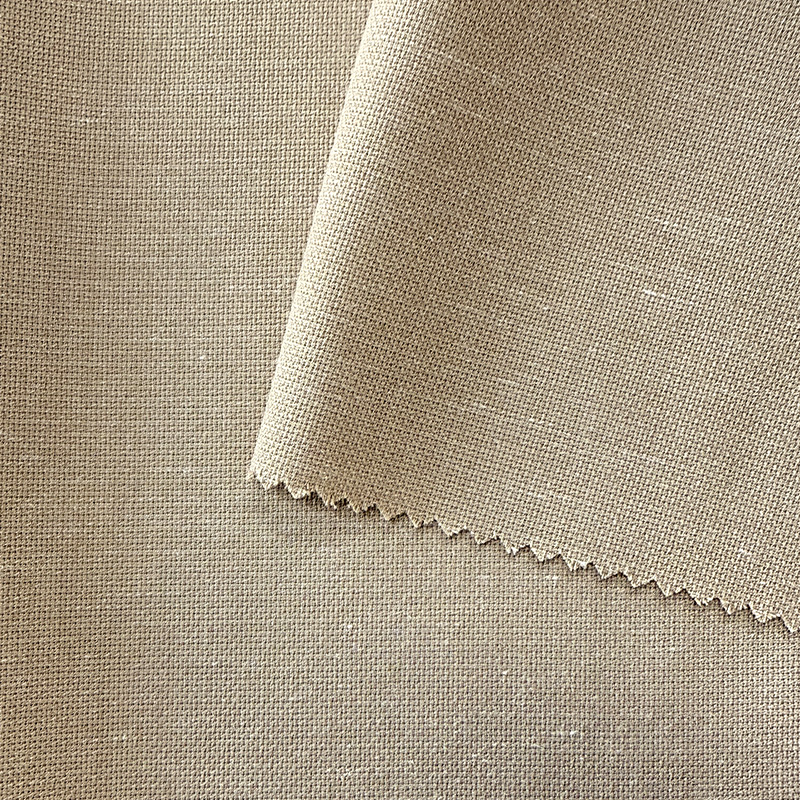
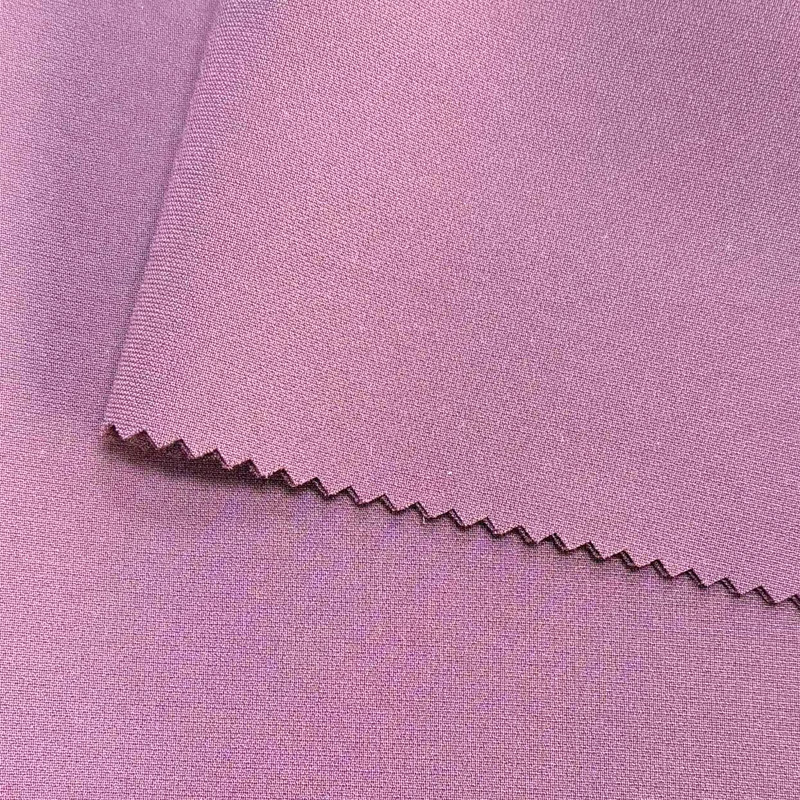
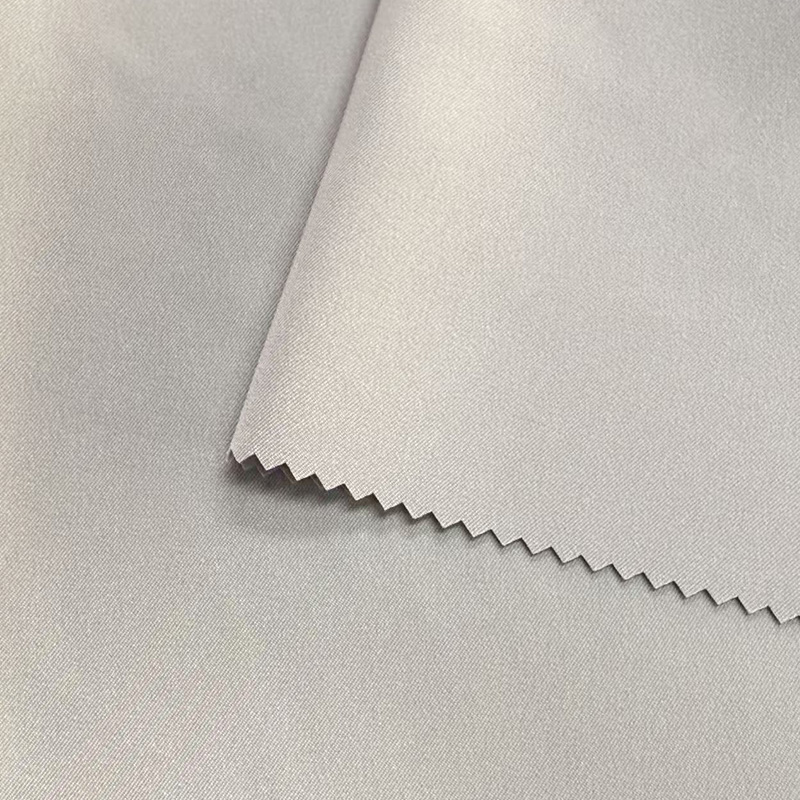
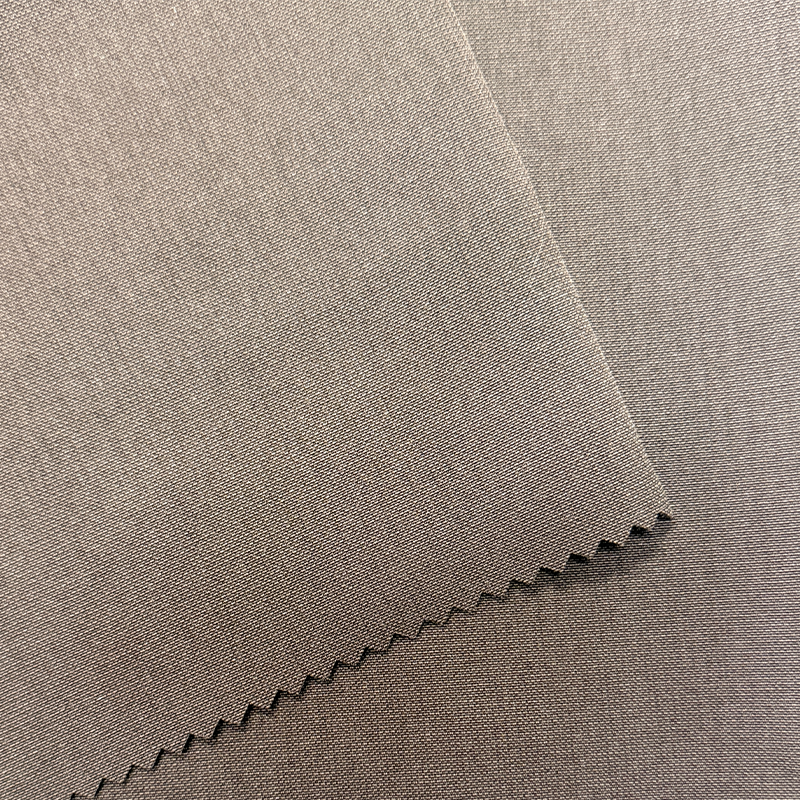
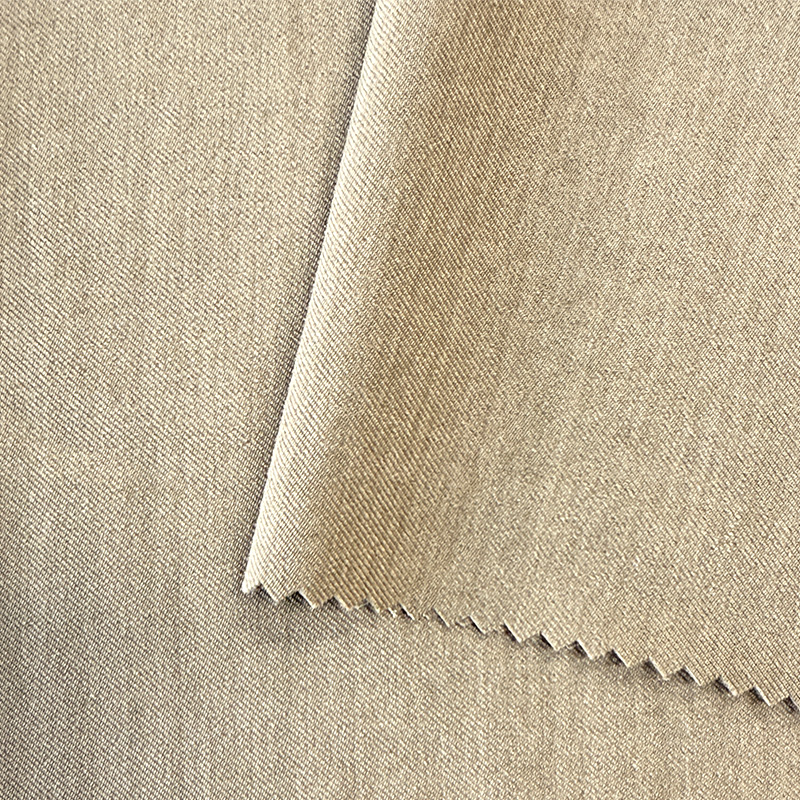
NO 1003 Matte Mesh textured Fabric
93%T 7%SP 58"60" 260GSM
This NO 1003 Matte Mesh textured Fabric has a "perfect balance of rigidity and flexibilit...

1. Material Properties
Polyester is a synthetic fiber primarily made from polyester (PET), known for its good abrasion resistance and strength.
2. Durability
Polyester fabric has high tensile strength and durability, making it resistant to wrinkles and easy to clean and maintain.
3. Poor Moisture Absorption
Polyester has poor moisture absorption, which can make it feel less breathable and comfortable compared to natural fibers when worn.
4. Wrinkle Resistance
Polyester has excellent wrinkle resistance, and it doesn't deform or wrinkle easily after washing.
5. High Color Fastness
Polyester fabric has strong dye absorption properties, resulting in vibrant colors that do not easily fade.
6. Wide Range of Uses
Polyester is commonly used in the production of clothing, home textiles, and industrial products, making it suitable for most everyday clothing and household items.
7. Environmental Impact
As a synthetic fiber, polyester is not easily biodegradable, which poses some environmental concerns, although recycling technologies are being developed.
A sample swatch lands on your desk, you turn it over, and on the back you see short tufts of yarn arching over the base weave like tiny caterpillars. That is the moment most buyers first meet chenille fabric, and it is also the moment they usually ask the same question: what exactly is this materia...
READ MOREWhy Linen Cotton Blend Fabric Is a Sourcing Staple When a product developer in Dhaka or Istanbul asks for a fabric that sits between rustic linen and crisp cotton, an experienced mill will usually answer with the same recommendation: specify a linen cotton blend fabric. The combination of flax and ...
READ MORELinen fabric for apparel has a reputation problem. Ask ten buyers what they expect from it, and nine will describe a soft, breathable material that feels cool against the skin and improves with every wash. Then ask them what the first supplier actually delivered, and the answer is often different: ...
READ MOREPolyester fabric is the most widely used synthetic textile globally, with annual production exceeding 60 million metric tons. However, not all polyester fabric offers the same durability, performance, or environmental footprint. Selecting high-quality material requires understanding key metrics: tensile strength (N), moisture wicking (mm/30min), abrasion resistance (cycles), and specialized finishes. This data-driven guide provides measurable benchmarks for evaluating PSF fabric (polyester staple fiber) and polyester filament fabrics, including advanced variants like SPH fabric and CEY fabric. For manufacturers and designers, working with a trusted polyester fabric supplier that provides third-party test reports is essential for consistent quality.
Shaoxing Echoes Textile Co., Ltd. — Echoes is a full-category import and export fabric company that integrates R&D, production, and sales. With years of deep expertise in the textile industry, the company leverages its two core production bases — an 80-acre specialized greige fabric factory and an 80-acre modern cotton yarn factory — to achieve full industrial chain control from raw materials to finished products. Backed by strong production capabilities, consistent quality assurance, and a mature supply chain system, Echoes focuses on textile import and export operations, offering a wide range of products, including various cotton yarns, greige fabrics, and related textile products, which are exported to numerous regions worldwide. Supported by a professional international trade service team, we precisely align with customer needs, deliver efficient order fulfillment, provide customized solutions, and ensure comprehensive after-sales service. As a leading polyester fabric supplier, Echoes offers recycled polyester fabric supplier solutions, waterproof polyester fabric supplier products, and lightweight polyester fabric supplier services, including composite filament fabric and mechanical stretch fabric innovations.
Polyester fabric is broadly classified into filament (continuous long fibers) and staple (short fibers spun into yarn). Filament fabrics — including polyester filament fabrics like SPH fabric (Super Polyester High stretch) and CEY fabric (Core Elastic Yarn) — offer superior smoothness, drapability, and mechanical stretch without elastane. Staple-based PSF fabric mimics cotton texture with higher breathability but lower tensile strength. According to the Textile World 2024 report, filament polyester accounts for 68% of global polyester fabric consumption, driven by performance apparel and technical textiles. The horizontal bar chart below compares key performance metrics across major polyester fabric categories.
Figure 1: Performance comparison of polyester fabric categories — Filament-based polyester fabric, particularly SPH fabric and CEY fabric, significantly outperforms staple PSF fabric in tensile strength (92 vs 74) and abrasion resistance (95 vs 70). This translates to approximately 40% higher durability in end-use applications such as outerwear and workwear. For moisture management, polyester filament fabrics with mechanical stretch (e.g., mechanical stretch fabric) achieve wicking scores of 88 versus 55 for staple variants, due to continuous fiber structure enabling uninterrupted moisture transport. Composite filament fabric and laminated filament fabric products add functional layers (membranes, coatings) that can increase water resistance to 10,000 mm H₂O while maintaining breathability above 5,000 g/m²/24h. When evaluating polyester fabric supplier samples, request specific test data: ASTM D5034 for tensile strength, AATCC 197 for wicking, and ASTM D4966 for abrasion. For specialized applications like eveningwear, lurex fabric and lurex knit fabric incorporate metallic filaments without compromising base polyester integrity. Acetate fabric and acetate-like fabric alternatives offer different drapability but lower tensile strength (typically 40-50% less than standard polyester).
Evaluating polyester fabric quality requires examining five core metrics: tensile strength (ASTM D5034), tear strength (ASTM D2261), colorfastness (AATCC 61), pilling resistance (ASTM D3512), and dimensional stability (AATCC 135). For waterproof polyester fabric supplier products, hydrostatic head testing (ISO 811) adds a sixth critical parameter. The radar chart below compares standard-grade vs. premium polyester fabric across these quality axes, based on aggregated data from textile testing laboratories.
Figure 2: Quality radar comparison for polyester fabric grades — Premium polyester fabric (high-tenacity filament, SPH fabric or CEY fabric) achieves scores exceeding 140 in tensile strength and tear strength, compared to standard-grade scores around 115. This 22% differential corresponds to approximately 18 months of additional service life in workwear applications. Colorfastness (light and wash) for premium grades reaches 4.5 (ISO scale 1-5) versus 3.8 for standard, ensuring minimal fading after 30 industrial laundering cycles. Pilling resistance — critical for apparel — shows premium scoring 142 vs 110, achieved through compact yarn construction and reduced surface hairiness. For waterproof polyester fabric supplier products, water resistance (hydrostatic head) of premium composite filament fabric exceeds 12,000 mm H₂O while maintaining breathability above 8,000 g/m²/24h, suitable for high-performance outerwear. Lightweight polyester fabric supplier offerings (40-70 gsm) for packable jackets require additional focus on tear strength (minimum 25 N) despite low weight. Recycled polyester fabric supplier products using GRS-certified post-consumer PET should match or exceed standard-grade metrics: industry data shows rPET fabrics achieve 95-98% of virgin polyester tensile strength when proper processing is applied.
Advanced polyester filament fabrics have evolved beyond conventional textures to offer mechanical stretch without elastane. SPH fabric (Super Polyester High stretch) achieves 30-40% elongation using modified cross-section fibers and special heat-setting. CEY fabric (Core Elastic Yarn) provides 25-35% stretch with excellent recovery (≤5% residual elongation after 100 cycles). For decorative applications, lurex fabric and lurex knit fabric integrate metallic fibers while retaining polyester's durability. The column chart below compares stretch, recovery, and durability across these advanced variants.
Figure 3: Performance metrics for advanced polyester fabric variants — SPH fabric delivers the highest elongation (38%) among mechanical stretch polyesters, making it suitable for yoga wear and compression garments requiring multi-directional movement. CEY fabric offers 30% stretch with superior recovery (residual elongation below 5% after 100 stretch cycles), ideal for woven pants requiring shape retention. Both variants achieve abrasion resistance exceeding 55,000 Martindale cycles, outperforming elastane-blended fabrics which typically degrade after 30,000 cycles due to spandex oxidation. Composite filament fabric and laminated filament fabric products — often used in waterproof polyester fabric supplier applications — incorporate PTFE or PU membranes, achieving hydrostatic heads of 10,000-20,000 mm H₂O but with slightly reduced breathability (5,000-8,000 g/m²/24h). Lurex fabric and lurex knit fabric, while offering unique aesthetics for eveningwear and fashion apparel, show lower abrasion resistance (approximately 25,000-30,000 cycles) due to metallic component abrasion. For lightweight polyester fabric supplier requirements (40-60 gsm), mechanical stretch variants like SPH maintain 15-20% elongation while keeping fabric weight low. Acetate-like fabric alternatives to polyester offer silk-like hand feel but typically provide 30-40% lower tensile strength and reduced abrasion resistance.
The shift toward recycled polyester fabric supplier sources has accelerated, with global rPET fabric production growing at 14% CAGR. According to Textile Exchange, recycled polyester reduces carbon footprint by 58% (5.3 vs 12.5 kg CO₂e per kg) and water consumption by 78% compared to virgin polyester. GRS-certified recycled polyester fabric supplier products must contain minimum 20% recycled content, with many premium suppliers achieving 50-100% rPET. The line chart below shows the adoption trajectory of recycled polyester fabrics and their quality parity with virgin materials.
Figure 4: Recycled polyester quality parity and market adoption trends — Recycled polyester fabric supplier quality has improved significantly, with rPET fabrics now achieving 92% of virgin polyester tensile strength in 2024, up from 85% in 2020. Projections indicate 95% parity by 2026 and 97% by 2030. Concurrently, recycled polyester's market share has grown from 8% to 14% (2020-2024) and is projected to reach 25% by 2030. For polyester fabric supplier partners, GRS certification ensures chain-of-custody for recycled content claims. Lightweight polyester fabric supplier products using recycled materials (40-70 gsm) have seen the fastest adoption (22% CAGR) in outdoor and performance apparel segments. Waterproof polyester fabric supplier rPET variants maintain membrane adhesion properties comparable to virgin substrates, with hydrostatic head testing showing no significant difference (margin within 3%). Composite filament fabric incorporating recycled base layers has achieved double GRS certification, allowing brands to claim total recycled content across laminated structures. When selecting a recycled polyester fabric supplier, request test reports for both tensile strength and color consistency, as rPET can show batch-to-batch variation in dye uptake (approximately 5-8% delta E difference, within acceptable commercial tolerance of ΔE<3 after process optimization).
PSF fabric (polyester staple fiber) uses short fibers (typically 38-51 mm) spun into yarn, resulting in a cotton-like texture with higher breathability but lower tensile strength (typically 450-550 N). Polyester filament fabrics use continuous fibers, offering higher strength (650-850 N), smoother surface, and better moisture wicking. Filament-based SPH fabric and CEY fabric also provide mechanical stretch without elastane.
Request third-party test reports from accredited laboratories (SGS, Bureau Veritas, Intertek) covering: tensile strength (ASTM D5034), abrasion resistance (ASTM D4966), colorfastness (AATCC 61), and dimensional stability (AATCC 135). For waterproof polyester fabric supplier claims, ask for hydrostatic head (ISO 811) and breathability (ASTM E96) reports. A reliable polyester fabric supplier will provide these documents without delay.
Yes, mechanical stretch fabric such as SPH fabric and CEY fabric offers several advantages over elastane blends: better recovery (≤5% residual vs 8-10%), superior abrasion resistance (65,000 vs 30,000 cycles), and no elastane degradation from chlorine or UV exposure. For applications requiring moderate stretch (15-35%), mechanical stretch polyester filament fabrics are preferred for durability. For high-stretch applications (>40%), elastane blends remain necessary.
As a vertically integrated polyester fabric supplier with comprehensive R&D and production capabilities, Shaoxing Echoes Textile Co., Ltd. delivers high-quality polyester fabric including SPH fabric, CEY fabric, mechanical stretch fabric, composite filament fabric, and lightweight polyester fabric. Whether you require recycled polyester fabric supplier solutions, waterproof polyester fabric supplier products, or lurex fabric for fashion applications, Echoes provides certified quality with full traceability. Partner with a trusted polyester fabric supplier that controls the process from polymer to finished fabric.
If you have any questions, please get in touch with us.
