
 English
 Español
 italiano
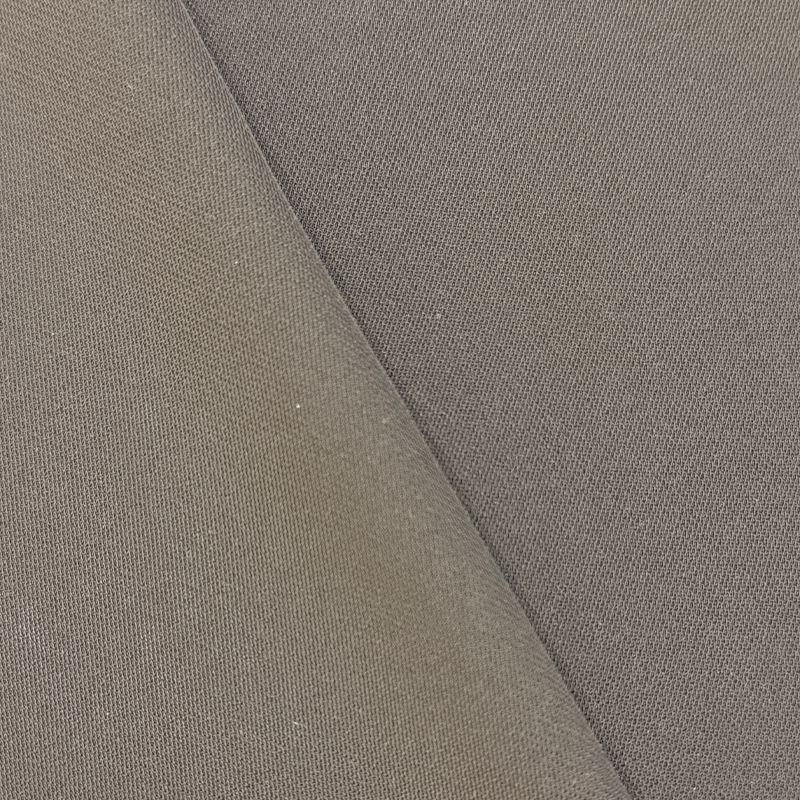
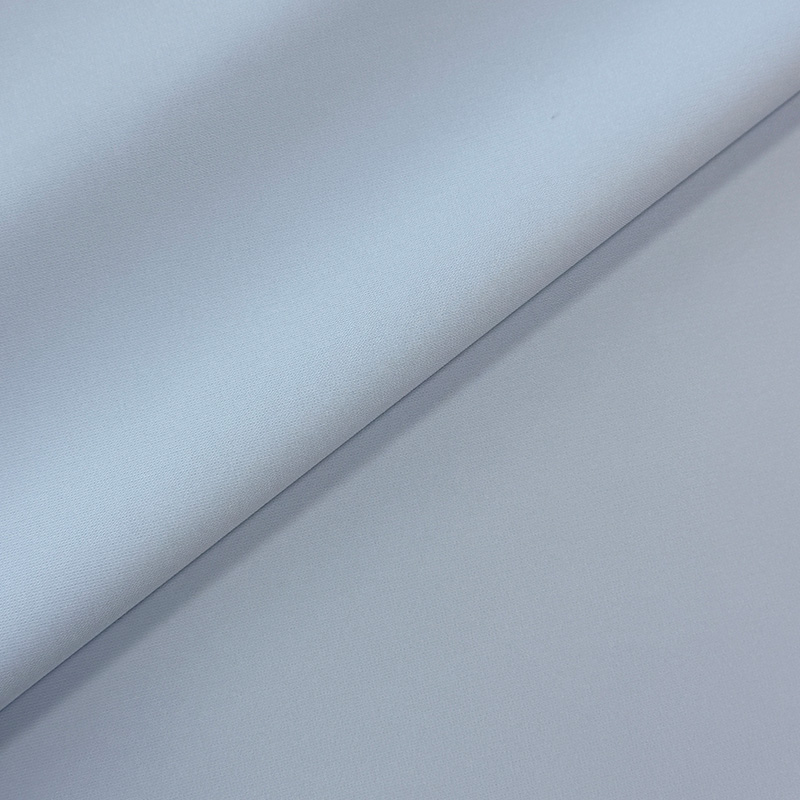
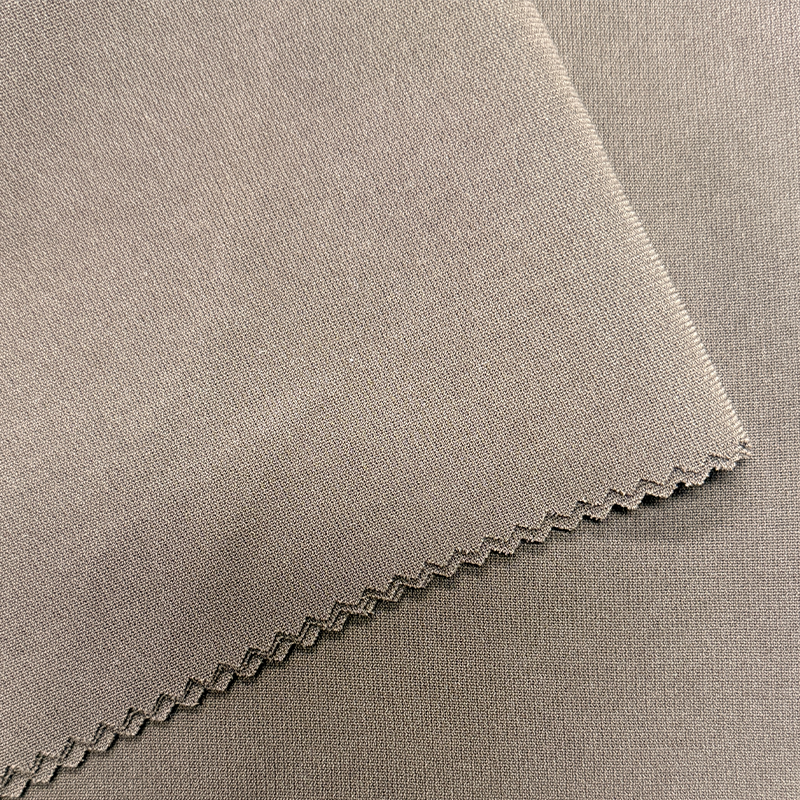
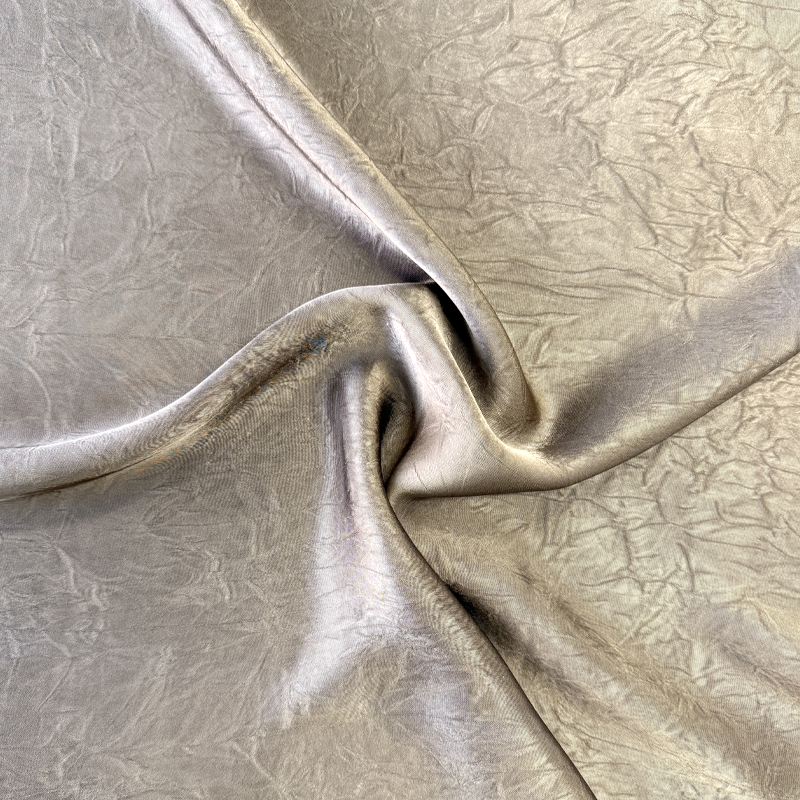
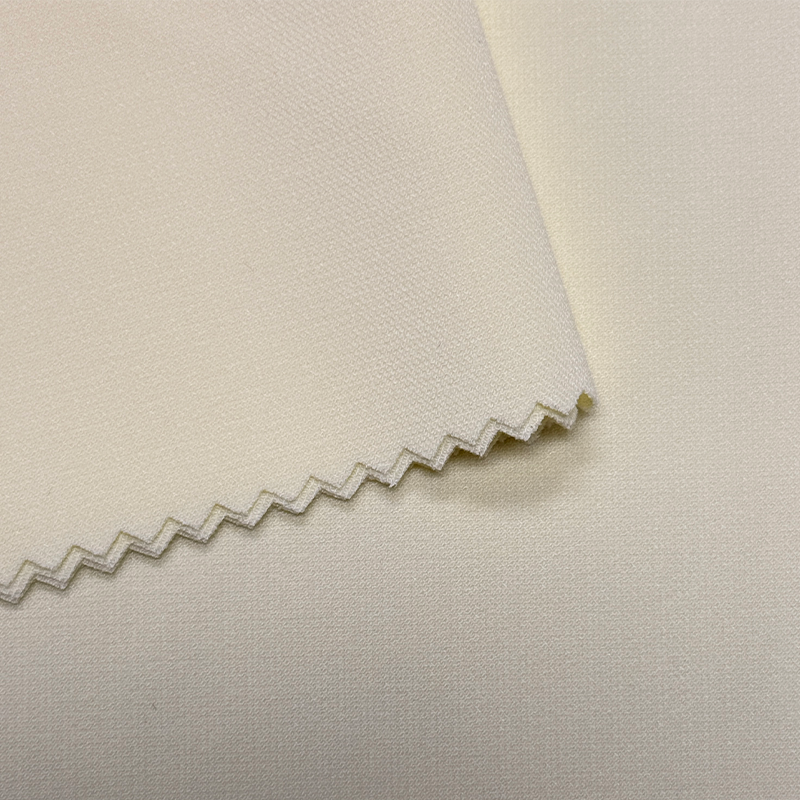
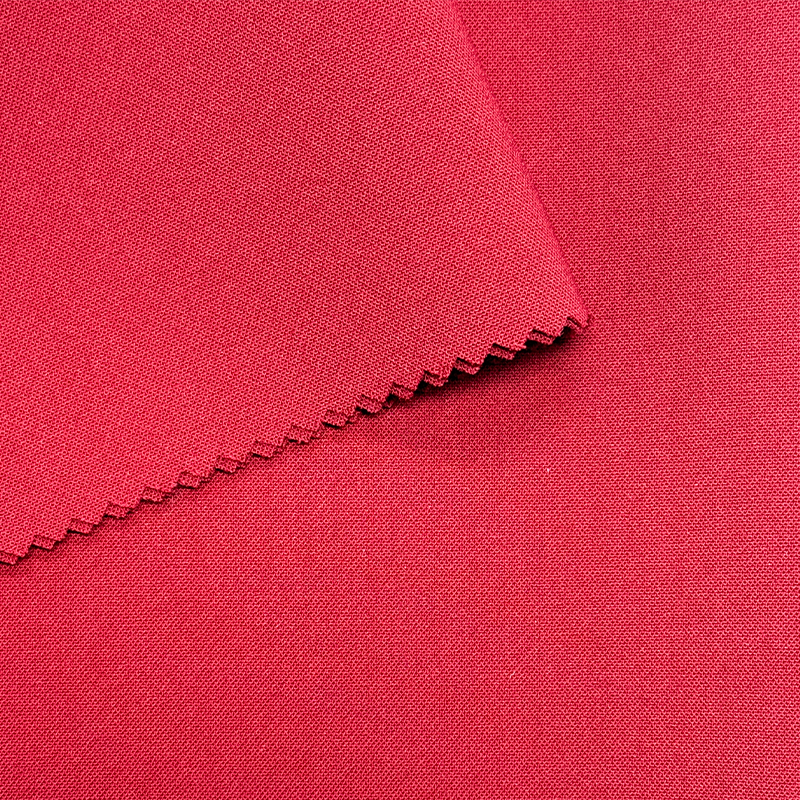
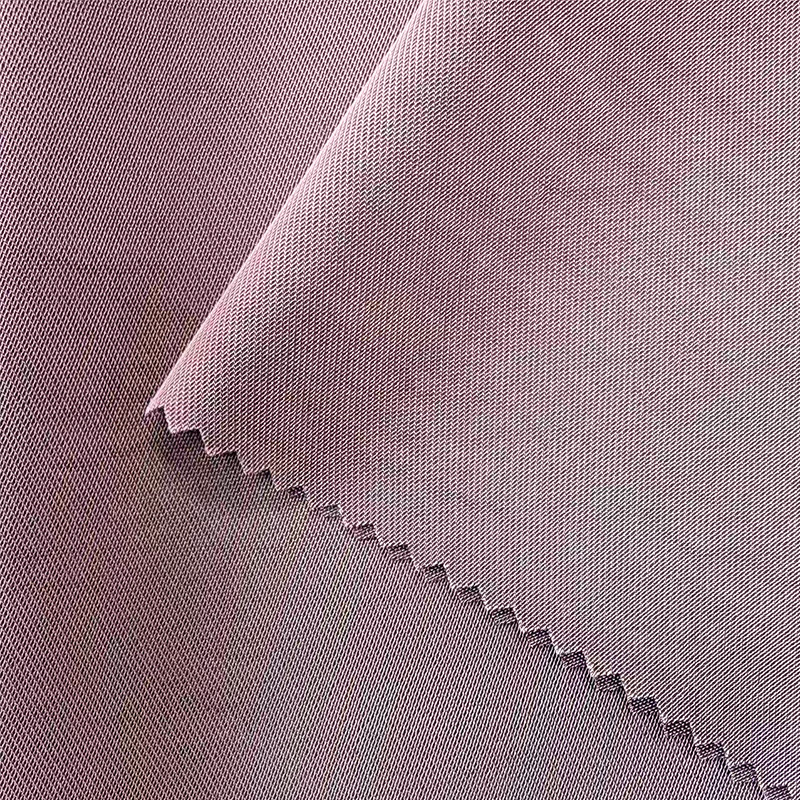
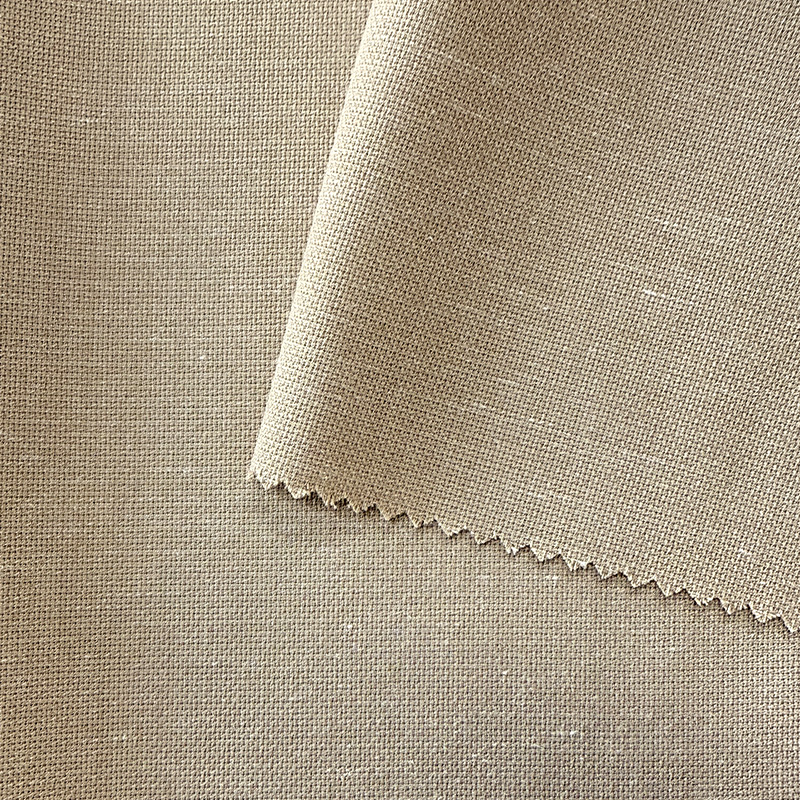
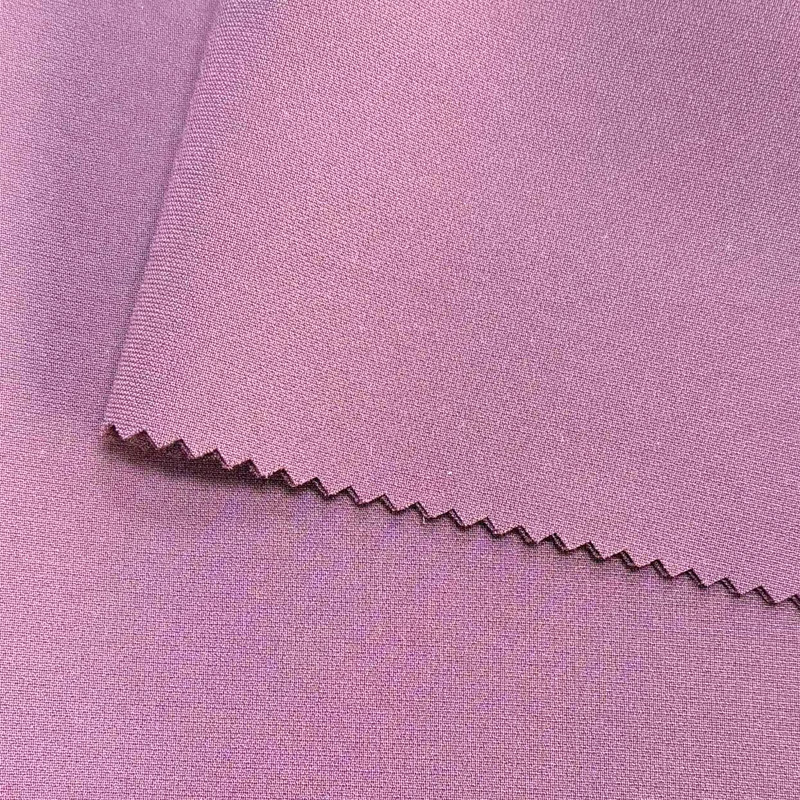
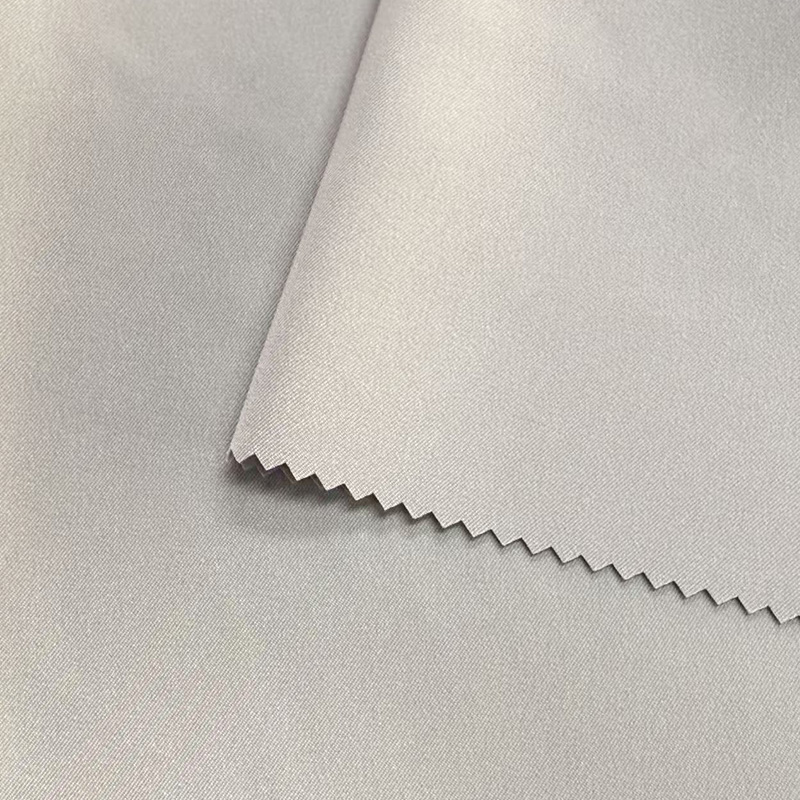
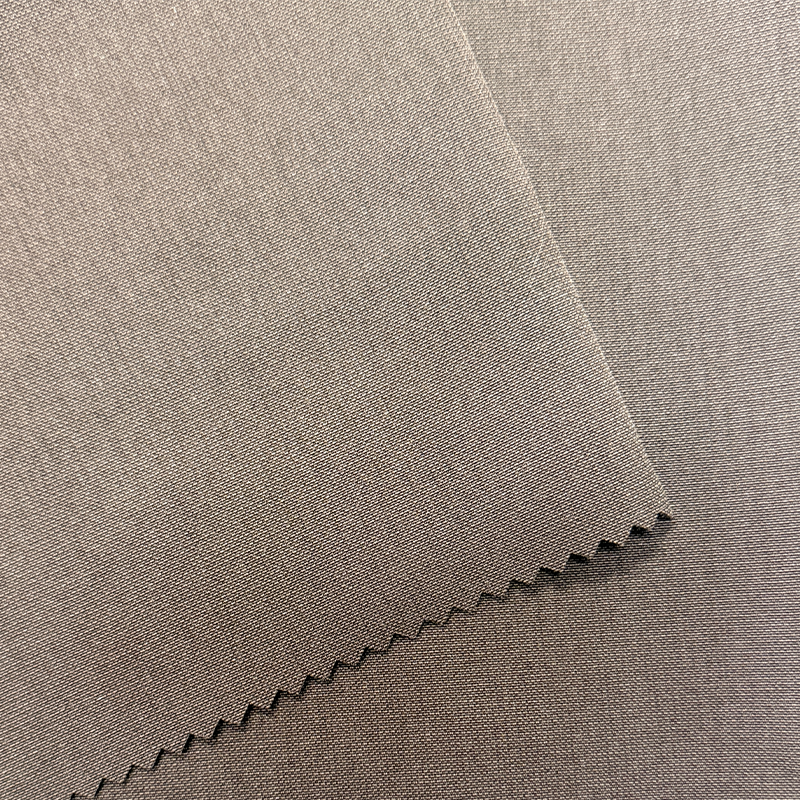
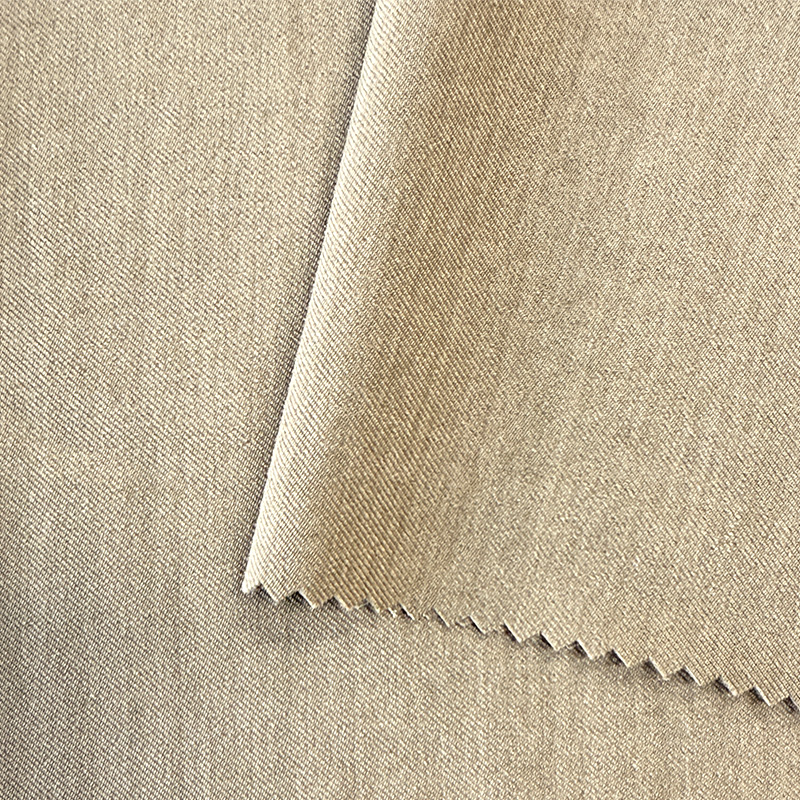
NO 1003 Matte Mesh textured Fabric
93%T 7%SP 58"60" 260GSM
This NO 1003 Matte Mesh textured Fabric has a "perfect balance of rigidity and flexibilit...


A sample swatch lands on your desk, you turn it over, and on the back you see short tufts of yarn arching over the base weave like tiny caterpillars. That is the moment most buyers first meet chenille fabric, and it is also the moment they usually ask the same question: what exactly is this materia...
READ MOREWhy Linen Cotton Blend Fabric Is a Sourcing Staple When a product developer in Dhaka or Istanbul asks for a fabric that sits between rustic linen and crisp cotton, an experienced mill will usually answer with the same recommendation: specify a linen cotton blend fabric. The combination of flax and ...
READ MORELinen fabric for apparel has a reputation problem. Ask ten buyers what they expect from it, and nine will describe a soft, breathable material that feels cool against the skin and improves with every wash. Then ask them what the first supplier actually delivered, and the answer is often different: ...
READ MOREAn apparel fabric collection brings together a structured range of textile materials organized by fiber content, construction method, weight, and finishing treatment, allowing garment manufacturers and brands to source consistent materials from a single organized reference. Rather than treating each fabric as an isolated product, a well-organized apparel fabric collection groups materials according to shared performance traits, construction logic, and end-use suitability, which simplifies specification, comparison, and procurement for buyers working across multiple garment categories. Fabrics within such a collection are typically classified along several dimensions, including fiber composition, construction, surface finish, and weight expressed in grams per square meter, commonly written as GSM. Understanding these dimensions helps designers and sourcing teams match fabric characteristics to the functional and aesthetic requirements of a specific garment, whether that garment is a tailored shirt, a pair of structured trousers, an insulated jacket, or a stretch-knit top. Because garment performance depends heavily on the underlying fabric rather than only on cut and construction, fabric selection is one of the earlier and more consequential steps in garment development.
Core performance indicators commonly used to evaluate fabrics within an apparel fabric collection include tensile strength, tear resistance, abrasion resistance, dimensional stability after washing, colorfastness to light and rubbing, and air permeability. Weight and hand feel, meaning how a fabric drapes and feels against skin, also influence which garment category a fabric is best suited for, since lightweight open-weave fabrics behave differently from heavier brushed or coated fabrics. Finishing treatments such as mercerization, sanforization, or calendaring can adjust surface smoothness, shrinkage behavior, and luster without altering the base fiber content, which is why two fabrics with an identical fiber blend can still perform quite differently once finished. A properly documented apparel fabric collection typically records these attributes on a specification sheet for each fabric, covering composition, weight, width, weave or knit type, and recommended end use, so that buyers can compare fabrics on a like-for-like basis. This structured approach to organizing fabric data is what separates a professional collection from a loosely assembled set of samples.
Fabrics found in a typical apparel fabric collection generally fall into three broad groups: woven fabrics, knitted fabrics, and blended or functionally finished fabrics. Each group is built on a different construction logic, which in turn determines stretch behavior, drape, breathability, and durability. Woven fabrics are constructed by interlacing two sets of yarns at right angles, producing a relatively stable structure with limited stretch unless elastane is added. Knitted fabrics are formed by interlocking loops of yarn, which naturally gives them more stretch and recovery, making them common in fitted or athletic garments. Blended fabrics combine two or more fiber types within the same yarn or fabric structure to balance properties such as softness, strength, wrinkle resistance, and durability.
Woven fabrics such as poplin, twill, oxford, and canvas are widely used in shirting, trousers, and outerwear because their interlaced structure resists stretching and holds a defined shape. Poplin has a fine, tight weave and a smooth surface, making it a common choice for dress shirts and lightweight blouses. Twill fabrics, identified by a diagonal rib pattern, tend to be more durable and are frequently used for workwear-style trousers and jackets. Oxford weave fabrics have a slightly textured, basket-like surface and are often chosen for casual shirting, while canvas is a heavier, plain-woven fabric valued for strength and commonly used in structured outerwear.
Knitted fabrics including jersey, interlock, rib knit, French terry, and ponte are selected when stretch, recovery, and comfort against the skin are priorities. Jersey is a lightweight, single-layer knit widely used for T-shirts and casual tops due to its softness and drape. Interlock and rib knits have a denser, more stable structure and are often used where a cleaner surface and better shape retention are needed, such as in polo shirts or cuffs. French terry has looped yarns on the reverse side, adding warmth while remaining breathable, which makes it a common choice for sweatshirts, while ponte knit is a firmer double-knit fabric with limited stretch and good shape retention, frequently used in structured knit trousers and dresses.
Blended fabrics such as cotton-polyester, cotton-spandex, and polyester-viscose combine the comfort of natural fibers with the durability, wrinkle resistance, or stretch contributed by synthetic fibers. A cotton-polyester blend, for example, typically reduces shrinkage and wrinkling compared with pure cotton while retaining reasonable breathability. Fabrics with functional finishes, including brushed fleece, water-repellent coatings, or moisture-wicking treatments, are engineered for specific end uses such as outerwear or activewear, where a particular performance characteristic is prioritized over general-purpose use. Selecting between a base fiber blend and an added functional finish often depends on whether the performance requirement is structural, such as stretch, or surface-level, such as water resistance.
| Fabric Type | Typical Composition | Weight Range (GSM) | Common End Use |
|---|---|---|---|
| Poplin (Woven) | Cotton or cotton blend | 100–150 | Shirts, blouses |
| Twill (Woven) | Cotton or cotton-poly | 180–260 | Trousers, workwear |
| Jersey (Knit) | Cotton or cotton-elastane | 140–180 | T-shirts, casual tops |
| French Terry (Knit) | Cotton-poly blend | 240–320 | Sweatshirts |
| Ponte Knit | Poly-viscose-elastane | 280–350 | Structured knitwear |
| Melton Wool Blend (Woven) | Wool blend | 400–500 | Coats, outerwear |
Weight, measured in grams per square meter, is one of the first specifications buyers check when comparing fabrics inside an apparel fabric collection. It provides a quick reference for how a fabric will likely behave in terms of warmth, drape, and suitability for a given season or garment type. Because weight ranges vary considerably between woven and knitted structures, and even more between plain and brushed or wool-blend fabrics, a visual comparison can make the differences easier to interpret than a table of numbers alone. The illustration below places five representative fabric types side by side using their approximate midpoint weight in grams per square meter. Viewing the bars together highlights how lightweight shirting fabrics differ from heavier outerwear-oriented materials.
Illustration 1. Approximate midpoint fabric weight (GSM) across representative fabric types.
As the chart shows, poplin sits at the lighter end of the range, which is consistent with its common use in shirting where breathability and a soft drape are more important than bulk. Twill occupies a middle position, reflecting a balance between durability and wearable weight, which explains why it appears frequently in trousers and light outerwear. Jersey, despite being a knit rather than a woven fabric, falls in a comparable weight range to twill, though its stretch and softness suit it to a different set of garments such as T-shirts rather than structured trousers. French terry is noticeably heavier due to its looped reverse side, which adds insulating air pockets without requiring a thicker single layer of fabric. Melton wool blend sits clearly at the heaviest end of the comparison, aligning with its typical use in coats and outerwear where warmth and structure take priority over lightness. This kind of weight comparison is useful during early garment development because weight interacts closely with layering, seasonality, and construction method. A fabric that is too light for a coat will not provide adequate structure, while a fabric that is too heavy for a summer shirt will compromise comfort and breathability. Buyers reviewing an apparel fabric collection often use weight as an initial filter before evaluating more detailed characteristics such as stretch percentage or colorfastness. Weight alone, however, does not determine warmth or durability, since finishing treatments and fiber content also play a meaningful role. For this reason, weight comparisons are generally interpreted alongside composition and construction details rather than in isolation.
Matching a fabric to its intended application is central to working with an apparel fabric collection, since the same fiber content can perform very differently depending on construction and finishing. Garment categories such as casual wear, formal wear, activewear, and outerwear each place different demands on breathability, stretch, structure, and weather resistance. Selecting fabric without considering the specific application can lead to garments that appear correct on a hanger but perform poorly once worn, laundered, or exposed to weather. The overview below outlines common application scenarios together with the fabric characteristics that tend to matter most in each case.
Casual garments such as T-shirts, casual shirts, and everyday trousers generally prioritize comfort, breathability, and easy care over structure. Lightweight to mid-weight cotton or cotton-blend knits and light wovens are common choices, since they balance softness with reasonable durability through repeated washing.
Formal shirting and tailored trousers place more emphasis on a smooth, stable surface, wrinkle resistance, and consistent drape. Finer woven fabrics such as poplin or fine twill, sometimes blended with a small percentage of synthetic fiber for shape retention, are frequently selected for this category.
Activewear demands stretch and recovery, moisture management, and quick drying, which typically points toward knitted fabrics with elastane content and moisture-wicking finishes. Breathability and dimensional stability after repeated stretching are particularly important selection criteria here.
Outerwear fabrics need to provide warmth, wind resistance, and durability, often achieved through heavier woven fabrics, wool blends, or fabrics with brushed or coated finishes. Weight and structure matter more in this category, since outerwear is generally expected to hold its shape over a longer service life than lighter garments.
Moisture regain, meaning the amount of moisture a fiber naturally absorbs from surrounding air under standard conditions, is a useful reference point when comparing fibers for different applications. Fibers with higher moisture regain tend to feel more absorbent against skin, while fibers with very low moisture regain dry faster and resist water absorption. This property directly influences which fiber types are favored for activewear compared with fibers preferred for tailored or outerwear applications. The line chart below compares approximate moisture regain percentages across four fiber types commonly found within an apparel fabric collection: cotton, wool, viscose, and polyester. Reading the chart from left to right shows how widely this property can vary even among fibers that might otherwise appear in similar garment categories.
Illustration 2. Approximate moisture regain percentage across common fiber types.
Wool shows the highest moisture regain among the four fibers compared, consistent with its long-standing use in outerwear and cold-weather garments where absorbing and slowly releasing moisture contributes to a feeling of warmth. Viscose also shows a relatively high moisture regain, reflecting its cellulose-based structure, which is one reason it is often blended with other fibers to add softness and drape rather than used alone in performance garments. Cotton sits at a moderate level, which explains its long history as a comfortable, breathable choice for casual and everyday wear, though this same property means cotton garments can feel heavier and slower to dry once wet. Polyester shows the lowest moisture regain by a clear margin, a key reason synthetic fibers are frequently chosen for activewear, since low moisture absorption allows sweat to move to the fabric surface and evaporate more quickly. This pattern helps explain common blending decisions within an apparel fabric collection, such as pairing polyester with a small percentage of cotton or viscose to balance quick drying with a softer hand feel. It also clarifies why technical activewear fabrics are rarely made from wool or other high-regain fibers alone, despite their comfort benefits in other contexts. For outerwear, a higher moisture regain fiber such as wool can be advantageous because the fabric can absorb ambient moisture without immediately feeling wet against the skin. For garments intended for high-intensity movement, a lower regain synthetic or a wicking finish applied to a natural fiber is generally more suitable. Selection teams reviewing an apparel fabric collection often cross-reference moisture regain with intended activity level and expected laundering frequency before finalizing a fabric choice. Considering this property alongside weight and construction gives a more complete picture than evaluating any single characteristic on its own.
Beyond individual fiber properties, buyers often need to compare broader fabric categories against several performance dimensions at once. A radar-style comparison is useful here because it places multiple attributes side by side for more than one fabric category, making trade-offs easier to see than a simple ranked list. The comparison below uses a relative five-point illustrative scale across three general fabric categories often represented within an apparel fabric collection: cotton woven fabric, poly-cotton blended fabric, and technical knit fabric. The five attributes compared are breathability, durability, softness, moisture management, and dimensional stability. These values are intended as a general directional comparison rather than a laboratory measurement, meant to support fabric selection discussions rather than serve as a precise technical specification.
Illustration 3. Relative performance comparison across three general fabric categories on a five-point illustrative scale.
Cotton woven fabric scores comparatively higher on breathability and softness, aligning with its widespread use in shirting and lightweight casual garments where comfort against skin is a priority. Its dimensional stability and durability sit at a moderate level, reflecting that pure cotton wovens can be prone to shrinkage and creasing unless treated with a finishing process such as sanforization. Poly-cotton blended fabric shows a more balanced profile, with an improvement in durability and dimensional stability compared with cotton alone, which is one reason blends are chosen for workwear and garments expected to withstand frequent washing. The trade-off is a slightly lower breathability and softness score, since the synthetic component reduces some of the natural fiber's absorbency and hand feel. Technical knit fabric stands out clearly in moisture management, consistent with its common role in activewear where moving sweat away from the body is a primary functional requirement. Its scores on softness and breathability are comparable to the blended category rather than to cotton, reflecting the synthetic content typically used to achieve stretch and wicking performance. Viewing these three categories together illustrates that no single fabric category scores highest across every attribute, which is why fabric selection generally involves prioritizing the two or three properties most relevant to a specific garment rather than searching for one universally suitable option. A tailored shirt program, for example, may prioritize softness and breathability, favoring cotton woven fabric. An activewear program will typically prioritize moisture management and durability under repeated stretching, favoring technical knit fabric. Reviewing this kind of comparison early in fabric selection, alongside the fabric type table and weight comparison introduced earlier, helps sourcing teams narrow an apparel fabric collection down to the fabrics best suited to a specific product line rather than evaluating every option individually.
Weight requirements also vary meaningfully depending on the garment application, independent of fiber content or construction type. Reviewing typical minimum and maximum weight ranges by application category gives a practical starting point for narrowing fabric options within an apparel fabric collection before finer selection criteria, such as stretch or finish, are applied. The column chart below compares approximate minimum and maximum GSM ranges across four common garment applications: shirting, bottoms, outerwear, and activewear. These ranges are presented as general reference points based on common industry practice rather than fixed rules, since individual programs may adjust weight depending on regional climate or specific design intent. Comparing the four categories side by side makes clear how much broader the acceptable weight range becomes for outerwear compared with shirting.
Illustration 4. Approximate minimum and maximum fabric weight (GSM) ranges by garment application.
Shirting shows the narrowest and lightest weight range among the four categories, reflecting the relatively consistent performance requirements of shirts, where comfort, breathability, and a clean drape are prioritized within a fairly tight window. Bottoms occupy a noticeably wider and heavier range, since trousers can span from lightweight chino-style fabrics to heavier twill or canvas depending on intended use and season. Outerwear shows the widest range of the four categories, extending from moderate-weight shell fabrics up to heavy wool-blend coating fabrics, reflecting the broad diversity of outerwear styles, from lightweight jackets to heavy winter coats. Activewear falls into a moderate range that overlaps somewhat with shirting at the lower end and bottoms at the upper end, consistent with the variety of activewear products, from lightweight base layers to heavier fleece-lined pieces. This kind of application-based weight comparison is a practical complement to the fabric-type comparison shown earlier, since it approaches fabric selection from the garment's functional requirements rather than from the fabric's construction method. A sourcing team developing a lightweight summer shirt program can use this range as an early filter to exclude fabrics that are clearly too heavy for the category, before checking fiber content or finish. A team developing structured outerwear can use the wider acceptable range as a guide for how much flexibility exists in weight selection, while still relying on the fiber and construction comparisons discussed earlier to narrow the final choice. Combining weight-by-application data with the fiber-type and moisture-regain comparisons introduced earlier supports a layered, methodical approach to building out an apparel fabric collection for a specific product line, rather than selecting fabrics on a single attribute in isolation. Buyers frequently use this layered comparison approach when reviewing multiple seasonal collections at once, since it keeps evaluation criteria consistent across different garment categories, which becomes particularly useful when a collection includes several garment types produced on a coordinated timeline.
Consistency across an apparel fabric collection depends heavily on how closely a supplier controls the stages between raw material and finished fabric. When yarn spinning, greige fabric production, and finishing are handled separately by unrelated parties, small variations in yarn quality or dyeing conditions can accumulate into noticeable batch-to-batch differences by the time fabric reaches a garment factory. Suppliers that manage more of this process internally are generally better positioned to maintain consistent weight, width, and color across repeat orders. Shaoxing Echoes Textile Co., Ltd. is one example of a supplier structured around this kind of integration, operating a dedicated greige fabric production base alongside a separate cotton yarn production base, which allows raw material and base fabric stages to be coordinated more closely before fabrics move into finishing and further processing. This kind of internal coordination does not remove the need for careful specification and quality checks at each stage, but it does reduce some of the variability that can arise when multiple unrelated suppliers are involved across a fabric's production path. For buyers assembling or sourcing from an apparel fabric collection across multiple seasons, working with a supplier that maintains this kind of internal coordination can simplify communication and make batch consistency easier to track over time.
Proper handling and storage help preserve the intended characteristics of fabrics within an apparel fabric collection between production and cutting. Rolls should generally be stored flat or upright in a dry, temperature-stable area away from direct sunlight, since prolonged exposure to heat, humidity, or ultraviolet light can affect color and fiber integrity over time. Fabrics with natural fiber content, such as cotton or wool blends, are more sensitive to moisture and are best kept away from damp storage areas to reduce the risk of mildew or uneven shrinkage before cutting. Knitted fabrics, because of their looser structure compared with wovens, benefit from being stored with minimal tension to avoid stretching or distortion while on the roll.
Following consistent handling practices across an entire apparel fabric collection helps ensure that the fabric performance observed during initial evaluation is maintained through to final garment production, reducing avoidable variation between sample approval and bulk output.
Woven fabric is formed by interlacing two sets of yarns at right angles, producing a stable structure with limited natural stretch. Knitted fabric is formed by interlocking loops of yarn, which gives it more inherent stretch and recovery. This structural difference is the main reason wovens are typically chosen for tailored, structured garments while knits are chosen for fitted or athletic garments.
Fabric weight is generally measured in grams per square meter, referred to as GSM. It gives an early indication of how a fabric will drape, insulate, and behave in a finished garment, and is often used as a first filter when comparing fabrics for a specific application before finer details such as stretch or finish are reviewed.
Some fabrics, particularly mid-weight cotton-blend knits, can suit more than one garment category, such as casual tops and lightweight loungewear. Fabrics with more specific performance requirements, such as technical activewear knits or heavy outerwear wovens, are generally better suited to a narrower range of applications.
Activewear selection typically prioritizes stretch, recovery, and moisture management, favoring knitted fabrics with elastane content and lower moisture regain fibers such as polyester. Outerwear selection typically prioritizes warmth, wind resistance, and structure, favoring heavier woven fabrics or wool blends with higher moisture regain.
Blending combines the properties of two or more fibers within a single yarn or fabric, allowing a balance between characteristics such as softness, durability, wrinkle resistance, and moisture management. This makes blended fabrics a common middle ground between pure natural fiber fabrics and pure synthetic fiber fabrics.
If you have any questions, please get in touch with us.
