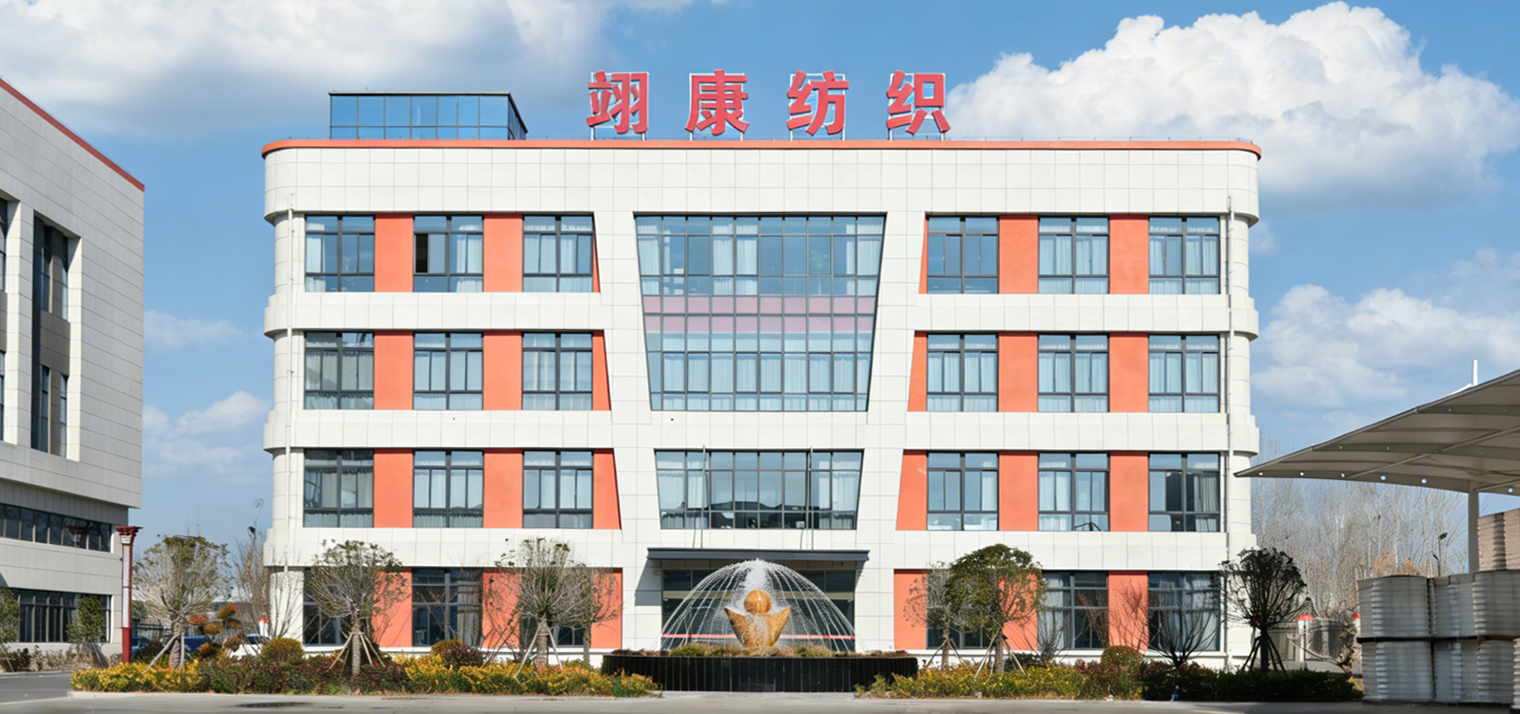
Echoes is a full-category import and export fabric company that integrates R&D, production, and sales. With years of deep expertise in the textile industry, the company leverages its two core production bases — an 80-acre specialized greige fabric factory and an 80-acre modern cotton yarn factory — to achieve full industrial chain control from raw materials to finished products.
Shaoxing Echoes Textile Co., Ltd. is a China Wholesale Recycled Polyester Fabric Factory and GRS Recycled Fabric Manufacturer, building upon a steadfast dedication to integrity and a quality-first philosophy, Echoes strives to position itself as a globally trusted and dependable partner across the textile supply chain, consistently delivering value and fostering long-term collaboration with clients worldwide.
"What fabric is denim made of?" is usually the first question a garment manufacturer, fabric buyer, or wholesale sourcing agent asks before placing a denim order. The direct answer is that classic denim is a cotton twill fabric, but the complete answer also covers indigo dyeing, yarn structure, and...
You have finally settled on the window treatment style, measured every window twice, and started comparing samples. Then the question that decides everything appears: what curtain cloth fabric should you actually order? The answer is never just about color or pattern. Drape, light transmission, was...
What Is Mosquito Net Mesh Fabric and Why It Matters
Mosquito net mesh fabric is a specialized textile engineered with an open weave structure that creates a physical barrier against insects while allowing air to pass through freely. Unlike standard fabrics used for clothing or upholstery, mosquito ...
Recycled fabricis a textile material manufactured from post-consumer or post-industrial waste that is processed back into usable fiber, yarn, or fabric. The global recycled fabric market reached $9.8 billion in 2024, with recycled polyester accounting for 65% of production, followed by recycled cotton (20%) and recycled nylon (10%). Unlike virgin polyester derived from petroleum, PET bottle recycled fabric transforms plastic waste (approximately 1.2 million bottles saved per 40,000 kg of fabric) into high-quality textile material. This guide explains the manufacturing processes — mechanical and chemical recycling — quantifies environmental benefits, and compares recycled polyester fabric vs virgin polyester, helping buyers select a GRS recycled fabric supplier.
Shaoxing Echoes Textile Co., Ltd. — Echoes is a full-category import and export fabric company that integrates R&D, production, and sales. With years of deep expertise in the textile industry, the company leverages its two core production bases — an 80-acre specialized greige fabric factory and an 80-acre modern cotton yarn factory — to achieve full industrial chain control from raw materials to finished products. Backed by strong production capabilities, consistent quality assurance, and a mature supply chain system, Echoes focuses on textile import and export operations, offering a wide range of products, including various cotton yarns, greige fabrics, and related textile products, which are exported to numerous regions worldwide. Supported by a professional international trade service team, we precisely align with customer needs, deliver efficient order fulfillment, provide customized solutions, and ensure comprehensive after-sales service. As a leading recycled fabric manufacturer and GRS recycled fabric supplier, Echoes operates a recycled polyester fabric factory producing GRS certified recycled polyester fabric for sportswear, activewear, and sustainable fashion, available through recycled fabric wholesale channels.
1. What Is Recycled Fabric? Definition and Material Categories
Recycled fabric is produced from waste materials diverted from landfills or incineration. The three main categories are: (1) PET bottle recycled polyester (post-consumer bottles sorted, cleaned, flaked, melted, and re-extruded into fiber), (2) recycled cotton (post-industrial cutting waste or post-consumer garments shredded and spun into new yarn), and (3) recycled nylon (from post-industrial carpet waste or fishing nets). Post consumer recycled fabric (PCR fabric) represents the highest environmental benefit as it diverts actual consumer waste. The horizontal bar chart below compares recycled fabric vs virgin polyester across key environmental metrics.
Figure 1: Environmental impact comparison of recycled vs. virgin polyester — Recycled polyester fabric reduces carbon footprint by 50-60% (3.0-4.0 kg CO₂e per kg vs 5.5-7.5 for virgin), energy consumption by 40-50%, and water consumption by 70-80%. For eco friendly recycled fabric for clothing, these reductions translate to measurable sustainability gains: a typical t-shirt made from GRS certified recycled polyester fabric has 55% lower climate impact than one made from virgin polyester. PET bottle recycled fabric diverts approximately 1.2 million bottles per 40,000 kg of fabric from landfills or incineration. For sustainable recycled fabric for fashion brands, these quantifiable benefits support Environmental, Social, and Governance (ESG) reporting and carbon neutrality commitments. When evaluating a GRS recycled fabric supplier, request environmental impact data specific to their production process. What is GRS certification? The Global Recycle Standard (GRS) verifies recycled content (minimum 20%, typically 50-100%), chain of custody, and social/environmental compliance in production.
Table 1: Recycled fabric types, sources, and typical applications
Recycled Type
Primary Source
Recycling Method
Typical Application
rPET (Recycled Polyester)
PET bottles, packaging, post-industrial waste
Mechanical or chemical\,.3
Sportswear, fleece, outerwear, bags, footwear
Recycled Cotton
Cutting waste, post-consumer garments
Mechanical shredding and spinning
Denim, t-shirts, workwear, blended fabrics
Recycled Nylon
Fishing nets, carpet waste, industrial scrap
Chemical depolymerization
Swimwear, activewear, hosiery
2. How Is Recycled Fabric Made? Manufacturing Processes
How is recycled polyester made? Two primary methods exist: mechanical recycling (grinding, melting, re-extruding) and chemical recycling (depolymerization to monomers, purification, repolymerization). Mechanical recycling uses 40% less energy than chemical but yields fiber with 90-95% tenacity retention. Chemical recycling achieves 98-100% virgin-quality fiber but requires higher energy investment. The column chart below compares process parameters for PET bottle recycled fabric production.
Figure 2: Mechanical vs. chemical recycling process comparison — Mechanical recycling of recycled polyester fabric consumes 20-25 MJ/kg (40% less than chemical's 35-45 MJ/kg) but yields fiber tenacity of 90-95% of virgin (4.5-5.5 cN/tex vs 5.5-7.5 for chemical recycling). For GRS recycled fabric intended for high-performance activewear, chemical recycling (98-100% tenacity retention) is preferred. Water consumption for mechanical recycling is 5-10 L per kg (versus 15-25 L for chemical), as mechanical processes avoid purification steps. The step-by-step how is recycled fabric made process for PET bottle recycled material: (1) collection and sorting by color/type, (2) washing and label removal, (3) grinding into flakes (4-8 mm), (4) melting at 260-280°C, (5) filtration to remove contaminants, (6) extrusion through spinnerets into filaments, (7) drawing and texturing, (8) cutting into staple fiber or winding onto packages. For post consumer recycled fabric (PCR fabric), traceability from waste source to finished fabric is required for GRS certification. A recycled polyester fabric factory using closed-loop mechanical recycling can produce 5,000-10,000 kg per day from approximately 600,000 PET bottles daily.
3. Benefits of Recycled Fabric: Performance and Environmental Advantages
Benefits of recycled fabric extend beyond environmental to include performance parity with virgin materials. Recycled polyester vs polyester comparison shows: tenacity 4.5-6.0 cN/tex (95% of virgin), elongation 25-35% (identical), moisture regain 0.4% (identical), and abrasion resistance 50,000-80,000 cycles (comparable). Additionally, GRS certified recycled polyester fabric meets OEKO-TEX Standard 100 for harmful substances. The radar chart below compares recycled polyester fabric for sportswear with virgin polyester across performance criteria.
Figure 3: Performance comparison of recycled vs. virgin polyester — Recycled polyester fabric achieves 95-98% of virgin polyester performance across all key metrics: tensile strength (145 vs 148), abrasion resistance (142 vs 144), and color fastness (148 vs 150). For recycled polyester fabric for sportswear and recycled fabric for activewear, the minor performance difference (2-5%) is imperceptible in end-use applications. UV resistance (135 vs 138) and dimensional stability (140 vs 142) are similarly comparable. The primary benefits of recycled fabric are environmental: 50-60% lower carbon footprint, 40-50% less energy, and 70-80% less water. For sustainable recycled fabric for fashion brands, the performance parity allows substitution without compromising quality. For eco friendly recycled fabric for clothing, GRS certification ensures that the recycled content is verifiable (minimum 20% recycled, up to 100%). When sourcing from a recycled fabric supplier, request both performance test reports (ASTM) and environmental impact data.
4. GRS Certification: Ensuring Recycled Content and Traceability
What is GRS certification? The Global Recycle Standard (GRS) is an international, voluntary standard that verifies recycled content (minimum 20%), chain of custody, and compliance with environmental and social criteria. For GRS recycled fabric supplier, certification requires third-party audits by accredited bodies (e.g., Control Union, Intertek). GRS certified recycled polyester fabric must trace material from waste source to finished fabric, ensuring claims are verifiable. The line chart below shows adoption growth of GRS-certified recycled fabrics.
Figure 4: GRS certified recycled fabric market growth — GRS certification for recycled polyester has grown from 15% in 2021 to 35% in 2025, projected to reach 65% by 2030. For GRS fabric for apparel manufacturing, certification ensures that claims of "recycled" are substantiated through chain-of-custody documentation. A GRS recycled fabric supplier must provide transaction certificates (TCs) for each shipment, documenting recycled content percentage (typically 50-100%). For certified recycled textile supplier selection, verify that the certificate is current (annual renewal) and covers the specific product category. GRS certified recycled polyester fabric commands a premium of 10-25% over non-certified recycled materials, justified by traceability and third-party verification. For sustainable fabric manufacturer operations, GRS certification also requires social compliance (labor standards) and environmental management (wastewater treatment, chemical use).
Recycled Content: Minimum 20% recycled material (typically 50-100% for fabric suppliers)
Chain of Custody: Documentation from waste source → recycler → yarn spinner → fabric mill → finished goods
Environmental Requirements: Wastewater treatment, chemical management, energy monitoring
Social Compliance: Occupational health and safety, no forced/child labor, living wages
5. Common Questions About Recycled Fabric
Q1: What is the difference between recycled polyester and virgin polyester?
Recycled polyester vs polyester comparison shows identical chemical composition (PET) and nearly identical performance properties (95-98% tenacity retention). The key difference is source: virgin polyester from petroleum (fossil fuels), recycled polyester from post-consumer PET bottles or post-industrial waste. Environmental impact: recycled reduces carbon footprint by 50-60%, energy by 40-50%, and water by 70-80%. For recycled polyester fabric for sportswear, the performance is indistinguishable from virgin.
Q2: How do I verify that a fabric is genuinely recycled?
Request GRS (Global Recycle Standard) certification from your GRS recycled fabric supplier. A valid GRS certificate includes: (1) recycled content percentage (minimum 20%, often 50-100%), (2) transaction certificate number verifiable through the certification body, (3) product scope (e.g., "recycled polyester knitted fabric"), and (4) validity dates. For GRS certified recycled polyester fabric, independent third-party audits ensure claims accuracy. Avoid suppliers who cannot provide GRS or similar certification (e.g., RCS - Recycled Claim Standard).
Q3: Is recycled fabric suitable for high-performance sportswear?
Yes, recycled polyester fabric for activewear and sportswear is widely used by sustainable brands. Mechanical-recycled polyester achieves 90-95% tenacity of virgin (4.5-5.5 cN/tex), suitable for moisture-wicking base layers, jerseys, and shorts. Chemical-recycled polyester achieves 98-100% tenacity, suitable for compression wear and high-stress applications. For recycled fabric for activewear, specify the required performance metrics and request test reports from your recycled fabric manufacturer.
Q4: What is the minimum order quantity for GRS recycled fabric?
For recycled fabric wholesale from a GRS recycled fabric supplier, typical MOQs range from 500-2,000 kg per color/style. For recycled polyester fabric factory direct sourcing, MOQs may be higher (3,000-5,000 kg) for custom colors. Small-batch (100-500 kg) GRS-certified fabric is available from specialized suppliers but typically carries a premium. For sampling, many recycled fabric manufacturer offer strike-off quantities of 10-50 meters for design validation.
As a leading recycled fabric manufacturer and GRS recycled fabric supplier, Shaoxing Echoes Textile Co., Ltd. offers comprehensive solutions for recycled polyester fabric, PET bottle recycled fabric, and GRS certified recycled polyester fabric for sportswear, activewear, and sustainable fashion. Whether you require recycled fabric for activewear, eco friendly recycled fabric for clothing, or sustainable recycled fabric for fashion brands, Echoes provides certified quality, full traceability, and reliable recycled fabric wholesale solutions. Partner with a trusted sustainable fabric manufacturer committed to circularity and environmental responsibility.


 English
 Español
 italiano