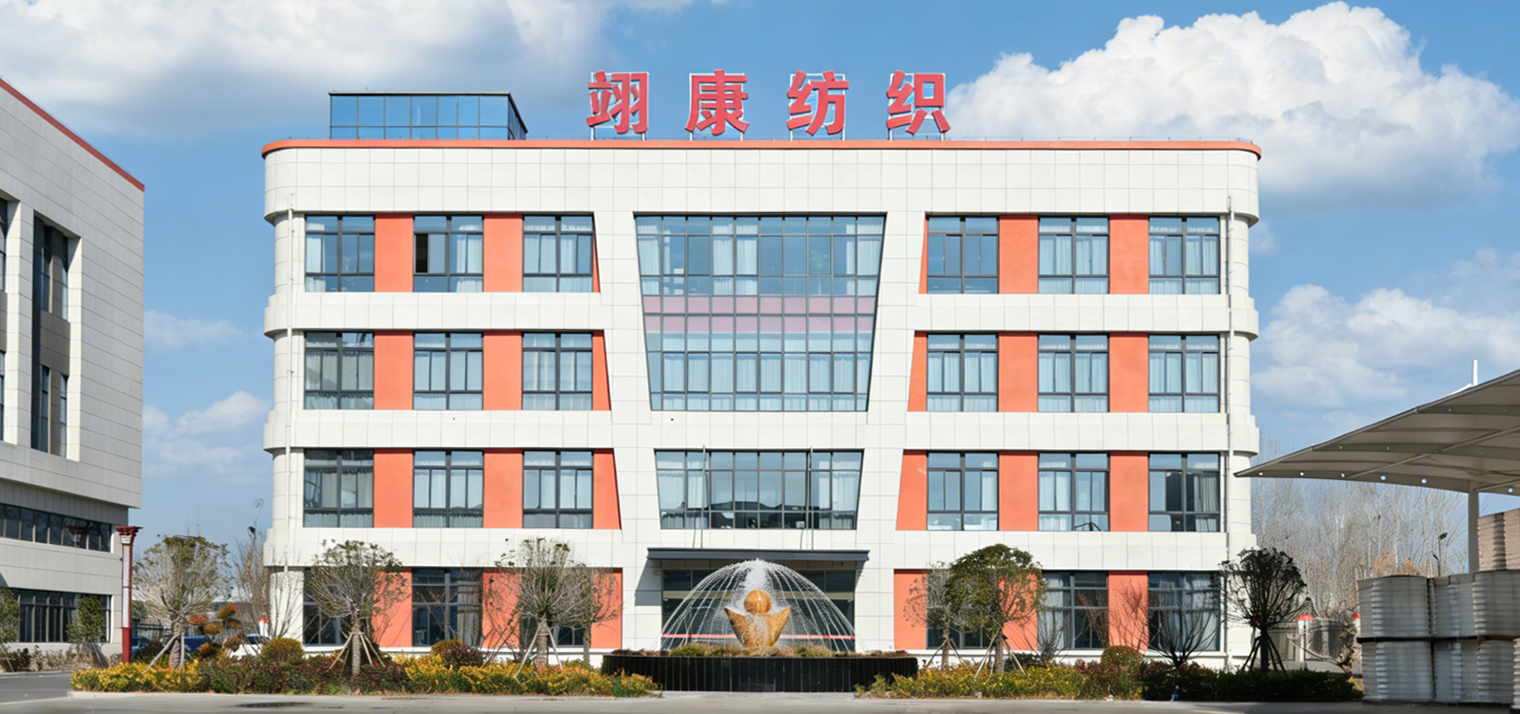
Echoes is a full-category import and export fabric company that integrates R&D, production, and sales. With years of deep expertise in the textile industry, the company leverages its two core production bases — an 80-acre specialized greige fabric factory and an 80-acre modern cotton yarn factory — to achieve full industrial chain control from raw materials to finished products.
Shaoxing Echoes Textile Co., Ltd. is a China Wholesale Rib Knit Fabric Factory and Rib Knit Fabric Manufacturer, building upon a steadfast dedication to integrity and a quality-first philosophy, Echoes strives to position itself as a globally trusted and dependable partner across the textile supply chain, consistently delivering value and fostering long-term collaboration with clients worldwide.
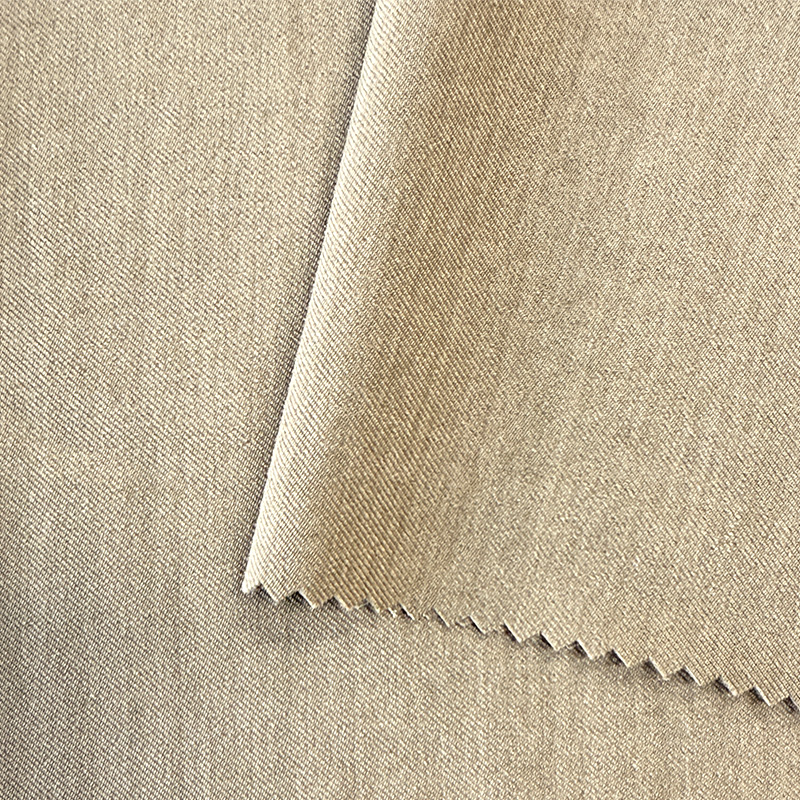
"What fabric is denim made of?" is usually the first question a garment manufacturer, fabric buyer, or wholesale sourcing agent asks before placing a denim order. The direct answer is that classic denim is a cotton twill fabric, but the complete answer also covers indigo dyeing, yarn structure, and...
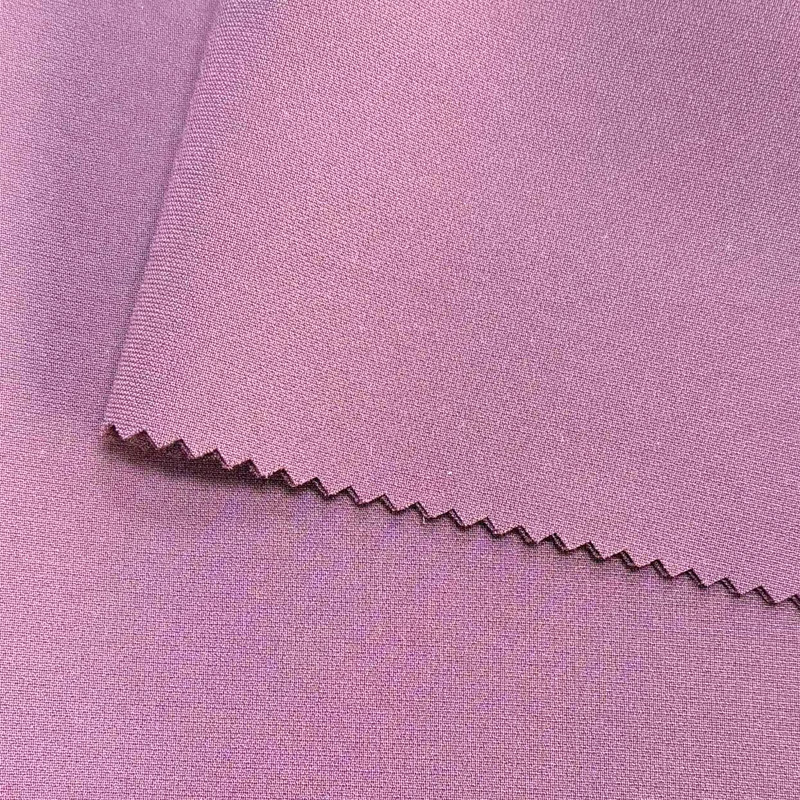
You have finally settled on the window treatment style, measured every window twice, and started comparing samples. Then the question that decides everything appears: what curtain cloth fabric should you actually order? The answer is never just about color or pattern. Drape, light transmission, was...
What Is Mosquito Net Mesh Fabric and Why It Matters
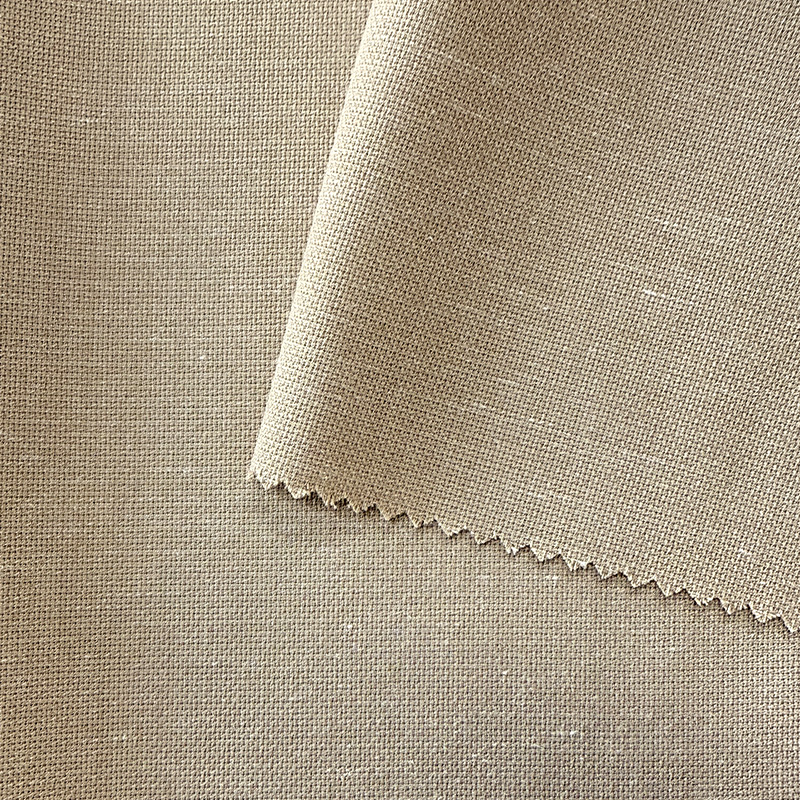
Mosquito net mesh fabric is a specialized textile engineered with an open weave structure that creates a physical barrier against insects while allowing air to pass through freely. Unlike standard fabrics used for clothing or upholstery, mosquito ...
Why Is Rib Knit Fabric Popular in Apparel Manufacturing?
Rib knit fabric is a double-faced knitted textile characterized by alternating raised vertical wales (ridges) on both sides, created by knitting knit and purl stitches in alternating columns. Unlike single jersey (which curls at edges and has a distinct face/back), rib fabric is reversible, highly elastic (50-150% elongation), and exhibits excellent recovery (90-95% after stretch). The global knit rib market exceeded $22 billion in 2024, with rib knit fabric for clothing representing 65% of consumption, driven by demand for stretch rib knit fabric in cuffs, collars, neckbands, waistbands, and full garments. This data-driven guide quantifies the performance advantages of rib knit fabric over other knit constructions and helps buyers select a reliable rib knit fabric supplier.
Shaoxing Echoes Textile Co., Ltd. — Echoes is a full-category import and export fabric company that integrates R&D, production, and sales. With years of deep expertise in the textile industry, the company leverages its two core production bases — an 80-acre specialized greige fabric factory and an 80-acre modern cotton yarn factory — to achieve full industrial chain control from raw materials to finished products. Backed by strong production capabilities, consistent quality assurance, and a mature supply chain system, Echoes focuses on textile import and export operations, offering a wide range of products, including various cotton yarns, greige fabrics, and related textile products, which are exported to numerous regions worldwide. Supported by a professional international trade service team, we precisely align with customer needs, deliver efficient order fulfillment, provide customized solutions, and ensure comprehensive after-sales service. As a leading rib knit fabric manufacturer and rib knit fabric supplier, Echoes produces cotton rib knit fabric, cotton spandex rib knit fabric, and polyester rib knit fabric for apparel applications, available through rib knit fabric wholesale channels.
1. Superior Stretch and Recovery: The Structural Advantage
The alternating knit/purl structure of rib knit fabric creates a highly elastic textile with exceptional recovery. A 1x1 rib (alternating knit and purl in each column) achieves 75-100% elongation in the width direction, while 2x2 rib (two knit, two purl) achieves 100-150% elongation. This compares to 50-75% for interlock and 25-50% for single jersey. The recovery rate of quality stretch rib knit fabric is 90-95% after stretch, meaning garments maintain their shape without bagging at elbows, knees, and waistbands. The horizontal bar chart below compares stretch and recovery across knit fabric types.
Figure 1: Stretch and recovery comparison of knit fabrics — Rib knit fabric offers significantly higher stretch (75-150%) than single jersey (25-50%) and interlock (50-75%), making it the preferred choice for rib knit fabric for cuffs, rib knit fabric for collars, and waistbands where elasticity is critical. The recovery rate of 90-95% ensures that cuffs and collars retain their shape after repeated wearing and washing. For rib knit fabric for t shirts used as full garment (ribbed t-shirts), the 1x1 construction provides 75-100% stretch with a soft, fluid drape. For rib knit fabric for sportswear, higher stretch (100-150%) is achieved with 2x2 construction and spandex blends (cotton spandex rib knit fabric with 3-5% elastane). The vertical wale structure also contributes to shape retention: wale density of 20-30 wales per 5 cm provides sufficient rigidity to prevent vertical stretching while allowing horizontal elasticity. When evaluating a rib knit fabric supplier, request stretch and recovery test data (ASTM D2594). Premium soft rib knit fabric achieves recovery of 95% after 100 stretch cycles, maintaining cuff tightness over garment lifetime. For rib knit fabric wholesale buyers, specifying the rib ratio (1x1, 2x2, or 2x1) and elastane percentage is essential for performance predictability.
Table 1: Rib knit fabric specifications by application
Application
Rib Ratio
Stretch (%)
Weight (gsm)
Typical Blend
Cuffs / Collars / Waistbands
1x1 or 2x2
75-150%
200-350
Cotton/spandex or cotton/poly
Full Garment (T-shirts, tops)
1x1 or 2x1
50-100%
160-240
Cotton or cotton/spandex (3%)
Sportswear / Activewear
2x2
100-150%
180-280
Polyester/spandex (5-10%)
Neckbands / Trim
1x1
60-80%
250-400
Cotton/spandex or cotton/poly
2. Durability, Edge Stability, and No Curling
Rib knit fabric offers superior edge stability compared to single jersey, which curls at cut edges. The balanced knit/purl structure creates equal tension on both sides, eliminating edge curl. This property makes rib fabric ideal for finishing garment openings without additional binding. Additionally, knit rib exhibits higher abrasion resistance (40,000-60,000 Martindale cycles) than single jersey (20,000-30,000 cycles). The column chart below compares durability metrics across knit constructions.
Figure 2: Durability and edge stability comparison — Rib knit fabric achieves 50,000 Martindale cycles (abrasion resistance), 40% higher than interlock and 100% higher than single jersey. This durability ensures that rib knit fabric for cuffs and waistbands withstand repeated friction without fraying or thinning. Edge curl rating of 5 (no curl) eliminates the need for binding on finished edges — a significant production advantage for rib knit fabric for collars and neckbands. The balanced stitch structure also provides superior seam strength: knit rib achieves seam slippage below 2 mm at 120 N load (ASTM D4034). For rib knit fabric for sportswear and activewear, the combination of high abrasion resistance and edge stability reduces garment failure points. For best rib knit fabric for apparel, manufacturers recommend 1x1 rib for lightweight garments (160-200 gsm) and 2x2 rib for heavier applications (250-350 gsm). When sourcing from a rib knit fabric manufacturer, request abrasion test reports and edge curl assessment. For sustainable rib knit fabric, recycled polyester and organic cotton blends are available with comparable durability to virgin materials (tenacity retention 92-95%).
3. Versatility: From Trim to Full Garment
Rib knit fabric is used across multiple apparel categories: trim components (cuffs, collars, waistbands) — 45% of consumption; full garments (t-shirts, tops, dresses) — 35%; sportswear — 15%; accessories — 5%. The radar chart below compares rib fabric with single jersey and interlock across six performance criteria important to apparel manufacturers.
Figure 3: Performance comparison of knit fabric types — Rib knit fabric scores highest in stretch (150), recovery (142), and edge stability (148), making it the optimal choice for trim applications requiring elasticity and clean finishing. Abrasion resistance (138) exceeds both jersey and interlock. While soft rib knit fabric has slightly lower drapability (115) compared to jersey (135), the difference is acceptable for most applications, and modern finer-gauge ribs (1x1 with 28-32 gauge) achieve drape coefficients comparable to jersey. Breathability of breathable rib knit fabric (125) is similar to jersey (128), with cotton rib offering moisture regain of 8-13%. For rib knit fabric for t shirts used as full garment, 1x1 rib in lightweight (160-180 gsm) provides fluid drape (drape coefficient 50-55%). For rib knit fabric vs jersey fabric comparison: choose rib for stretch and recovery (cuffs, collars, fitted garments); choose jersey for maximum drape and lower cost (loose-fitting t-shirts). Cotton spandex rib knit fabric with 3-5% elastane achieves the highest stretch (150%) and recovery (95%), preferred for sportswear and fitted tops. A reliable rib knit fabric manufacturer can produce ribs in various gauges (14-32 needles per inch) to achieve different textures: coarse rib (14-18 gauge) for casual wear, fine rib (24-32 gauge) for smooth, luxurious hand feel.
4. Sustainability and Ease of Care
The durability of rib knit fabric (50,000+ Martindale cycles) extends garment life, reducing replacement frequency and environmental impact. Sustainable rib knit fabric options include GRS-certified recycled polyester, organic cotton, and blends. Additionally, cotton rib knit fabric is biodegradable (90-95% mass loss in 120 days). The line chart below shows the market share growth of sustainable rib knits and consumer preference trends.
Figure 4: Sustainable rib knit fabric market growth — Market share of sustainable rib knit fabric (recycled polyester, organic cotton, or blends) has grown from 12% in 2022 to 24% in 2024, projected to reach 45% by 2030. Consumer surveys indicate 62% of apparel buyers prefer garments made from sustainable materials, with sustainable rib knit fabric commanding a premium of 15-25% over conventional. For rib knit fabric wholesale buyers, eco-friendly options are increasingly available from major rib knit fabric manufacturer with GRS and GOTS certifications. Care advantages of soft rib knit fabric include: machine washable (30-40°C), low shrinkage (<3% after 5 washes), and wrinkle resistance (recovery angle 280-320°). For best rib knit fabric for apparel, combination of durability and easy care reduces total cost of ownership for consumers.
Stretch & Recovery: 75-150% elongation with 90-95% recovery — superior to jersey and interlock
Durability: 50,000+ Martindale cycles — 2x longer life than single jersey
Edge Stability: No edge curl (rating 5/5) — eliminates need for binding on trims
Versatility: Suitable for cuffs, collars, waistbands, full garments, and sportswear
Q1: What is the difference between 1x1 rib and 2x2 rib knit fabric?
1x1 rib knit fabric alternates one knit stitch with one purl stitch, creating fine, closely spaced wales. It offers 75-100% stretch, softer hand, and is used for lightweight garments and trim. 2x2 rib alternates two knit with two purl, creating wider wales, higher stretch (100-150%), and heavier weight, preferred for rib knit fabric for cuffs on outerwear and sportswear. A reliable rib knit fabric supplier will offer both constructions.
Q2: How do I choose between cotton rib and cotton spandex rib knit fabric?
Cotton rib knit fabric (100% cotton) offers good stretch (50-75%) and recovery (85-90%), suitable for casual wear and trim. Cotton spandex rib knit fabric (95-97% cotton, 3-5% spandex) achieves higher stretch (75-100%) and superior recovery (92-95%), preferred for rib knit fabric for sportswear and fitted garments requiring shape retention. For rib knit fabric for t shirts with a relaxed fit, 100% cotton is sufficient; for body-conscious styles, spandex blend is recommended.
Q3: Is rib knit fabric suitable for summer clothing?
Yes, breathable rib knit fabric in lightweight constructions (160-200 gsm) is suitable for summer. Cotton rib offers moisture regain of 8-13% and air permeability of 100-150 cm³/cm²/s. For summer rib knit fabric for clothing, choose 1x1 rib in fine gauge (24-28 needles per inch) and lightweight (160-180 gsm) for maximum breathability and soft drape. Avoid heavy 2x2 rib (300+ gsm) for summer use.
Q4: Where can I find a reliable rib knit fabric manufacturer?
When searching for a rib knit fabric manufacturer, look for: (1) in-house knitting and finishing capabilities, (2) ability to produce multiple rib ratios (1x1, 2x2, 2x1) and gauges (14-32), (3) OEKO-TEX or GOTS certification for sustainable options, and (4) test reporting capabilities (stretch, recovery, abrasion). Shaoxing Echoes Textile Co., Ltd. is a vertically integrated rib knit fabric manufacturer and rib knit fabric supplier, offering cotton rib knit fabric, cotton spandex rib knit fabric, and polyester rib knit fabric for apparel applications, available through rib knit fabric wholesale channels.
As a leading rib knit fabric manufacturer and rib knit fabric supplier, Shaoxing Echoes Textile Co., Ltd. offers a comprehensive range of rib knit fabric for cuffs, collars, waistbands, t-shirts, and sportswear. Whether you require cotton rib knit fabric, cotton spandex rib knit fabric, or polyester rib knit fabric, Echoes provides certified quality, consistent stretch and recovery, and reliable rib knit fabric wholesale solutions. Partner with a trusted rib knit fabric manufacturer that delivers performance, durability, and versatility for your apparel production.


 English
 Español
 italiano