English
 Español
 italiano
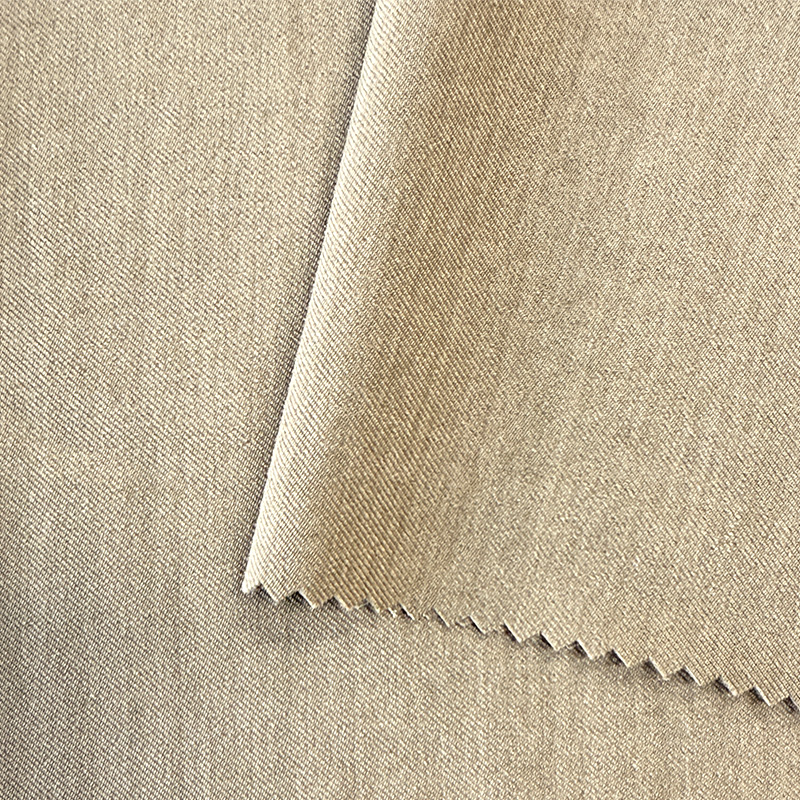
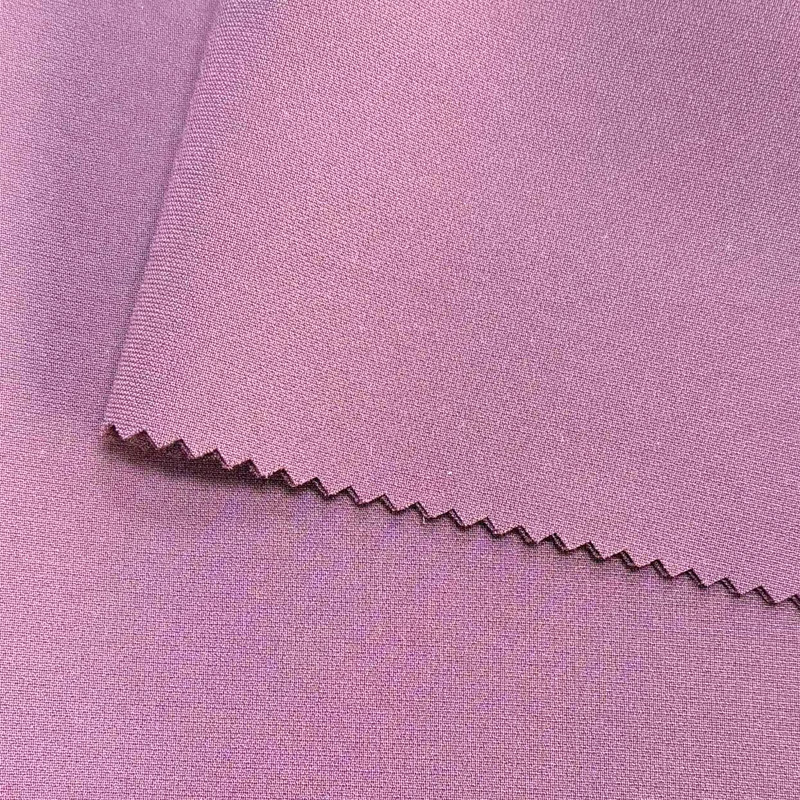
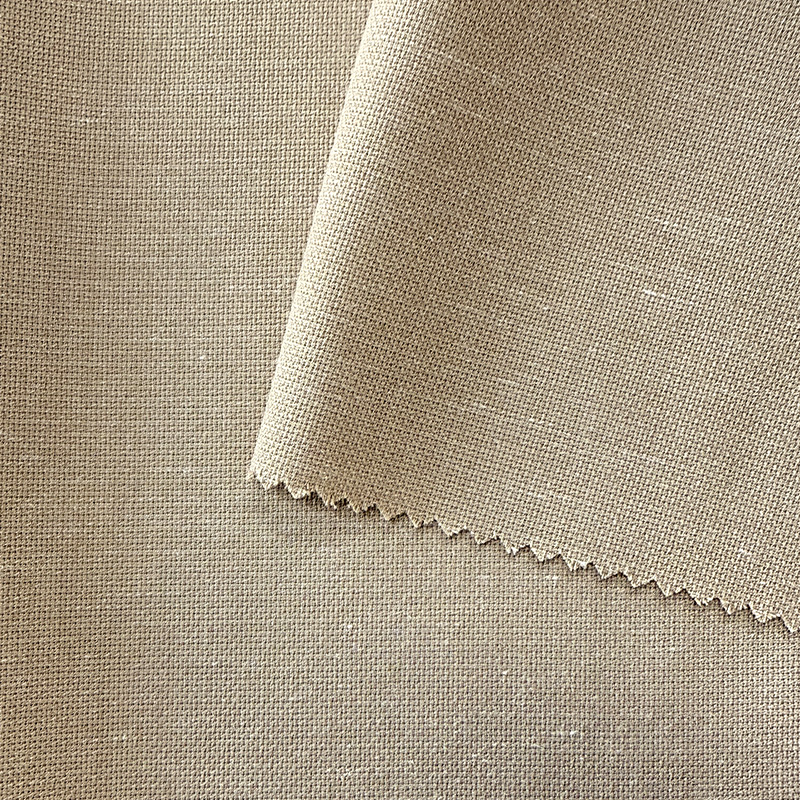
NO6111 Chenille Embroidery Fabric
70%T 30%R 55"57" 460GSM
NO6111 Chenille Embroidery Fabric combines two-tone chenille fabric with delicate sequin...

1. Series Style
Centered on the chenille material style, emphasizing the texture and visual layers of the fabric itself, while balancing decorative appeal and fabric texture expression.
2. Tactile Characteristics
The fabric as a whole presents a soft and full-bodied texture, featuring distinctive material recognition and enriching the sensory experience of the fabric.
3. Visual Appearance
Through variations in texture, weave, or patterns, the fabric’s layered effect is enhanced, making the overall visual more distinctive and design-oriented.
4. Style Adaptability
The series products can be developed for different style directions, ranging from everyday designs to personalized product applications, meeting diverse fabric requirements.
5. Design Application Value
Focusing on the fabric’s own expressive qualities and potential for combination, it provides richer design possibilities for clothing and related products.
6. Application Scope
Suitable for apparel development, fashion ready-to-wear, creative design, and textile-related products, meeting product development needs in various scenarios.
7. Series Positioning
The chenille fabric series emphasizes the combination of material characteristics and visual expression, forming a unique statement between fabric style, texture layers, and design applications.

A sample swatch lands on your desk, you turn it over, and on the back you see short tufts of yarn arching over the base weave like tiny caterpillars. That is the moment most buyers first meet chenille fabric, and it is also the moment they usually ask the same question: what exactly is this materia...
READ MOREWhy Linen Cotton Blend Fabric Is a Sourcing Staple When a product developer in Dhaka or Istanbul asks for a fabric that sits between rustic linen and crisp cotton, an experienced mill will usually answer with the same recommendation: specify a linen cotton blend fabric. The combination of flax and ...
READ MORELinen fabric for apparel has a reputation problem. Ask ten buyers what they expect from it, and nine will describe a soft, breathable material that feels cool against the skin and improves with every wash. Then ask them what the first supplier actually delivered, and the answer is often different: ...
READ MOREChenille upholstery fabric (pronounced "shuh-neel") is a luxurious woven textile characterized by a soft, fuzzy pile created from chenille yarns — yarns with a distinctive caterpillar-like appearance where short pile fibers are trapped between two core yarns. The name derives from the French word for "caterpillar." Unlike standard upholstery fabric, chenille fabric achieves exceptional softness (Shore A hardness 15-25), high pile density (30-50 piles per cm²), and a velvety hand feel that resists matting when properly constructed. The global chenille textile market reached $12 billion in 2024, with chenille upholstery fabric representing 55% of consumption, driven by demand for soft chenille for sofas, cushions, and residential upholstery. This data-driven guide explains the manufacturing process — from chenille yarn production to weaving and finishing — and quantifies performance characteristics for buyers seeking a reliable chenille upholstery fabric supplier.
Shaoxing Echoes Textile Co., Ltd. — Echoes is a full-category import and export fabric company that integrates R&D, production, and sales. With years of deep expertise in the textile industry, the company leverages its two core production bases — an 80-acre specialized greige fabric factory and an 80-acre modern cotton yarn factory — to achieve full industrial chain control from raw materials to finished products. Backed by strong production capabilities, consistent quality assurance, and a mature supply chain system, Echoes focuses on textile import and export operations, offering a wide range of products, including various cotton yarns, greige fabrics, and related textile products, which are exported to numerous regions worldwide. Supported by a professional international trade service team, we precisely align with customer needs, deliver efficient order fulfillment, provide customized solutions, and ensure comprehensive after-sales service. As a leading chenille upholstery fabric supplier and chenille fabric manufacturer, Echoes produces high quality chenille fabric for sofas, cushions, and home decor, available through chenille fabric wholesale channels.
Chenille upholstery fabric is defined by its use of chenille yarns — composite yarns where short pile fibers (1-5 mm length) are trapped between two twisted core yarns, creating a soft, fuzzy surface. Key characteristics include: pile height of 2-5 mm (longer than velvet's 1-3 mm), pile density of 30-50 piles per cm², and a distinctive "hand" that feels soft and plush but firmer than velvet. Unlike velvet (which has a dense, upright pile), chenille cloth has a slightly laid-over pile that gives it a subtle sheen variation when brushed in different directions. The horizontal bar chart below compares chenille upholstery fabric properties with velvet and other upholstery fabric types.
Figure 1: Chenille upholstery fabric property comparison — Chenille upholstery fabric achieves the highest softness score (92), significantly outperforming velvet (78) and standard polyester upholstery (55). The unique chenille yarn structure — with short pile fibers (typically 2-4 mm) trapped between core yarns — creates a plush, velvety surface with a hand feel that is both soft and resilient. Abrasion resistance of quality chenille fabric ranges from 50,000 to 70,000 Martindale cycles, exceeding the industry standard for residential upholstery (30,000 cycles) and suitable for medium-duty commercial applications (offices, hospitality). Pile retention after abrasion is 88% for soft chenille versus 82% for velvet, meaning the fabric maintains its plush appearance longer under regular use. For chenille fabric for sofas and chenille fabric for cushions, this durability translates to 8-12 years of residential use with proper care. The pile height of chenille cloth (2-5 mm) is longer than velvet (1-3 mm), contributing to its characteristic fluffy appearance but requiring slightly more care to prevent matting. When evaluating a chenille upholstery fabric supplier, request Martindale abrasion test results (ASTM D4966) and pile retention data. Premium high quality chenille fabric also undergoes anti-static and stain-resistant finishing (typically fluorocarbon-based treatments achieving 80-90% oil repellency).
The production of chenille upholstery fabric involves eight key stages: (1) Pile fiber preparation — acrylic, polyester, or cotton fibers cut to 2-5 mm length; (2) Core yarn spinning — two base yarns (typically 300-600 denier) are twisted; (3) Chenille yarn formation — pile fibers are fed between the two core yarns and trapped as the cores are twisted together (using a chenille spinning machine at 5,000-10,000 RPM); (4) Winding onto spools; (5) Weaving — chenille yarns used as weft or warp on a loom; (6) Shearing — trimming pile to uniform height; (7) Brushing — raising the pile for softness; (8) Finishing — stain-resistant and anti-static treatments. The column chart below shows the critical process parameters.
Figure 2: Manufacturing parameters for chenille upholstery fabric — The chenille yarn spinning process is critical to final fabric quality: spinning speeds of 5,000-10,000 RPM produce uniform yarns; slower speeds (5,000-7,000 RPM) yield softer, more consistent yarns for premium high quality chenille fabric. Core yarn denier of 300-600 ensures adequate strength for upholstery applications; lower denier cores (300-400) produce softer fabric with lower abrasion resistance, while higher denier (500-600) improves durability but reduces softness. Pile density of 12-20 chenille yarns per centimeter of fabric width creates a full, dense surface that resists matting. After weaving, shearing to uniform pile height (tolerance ±0.3 mm) and brushing (2-4 passes) raise the pile. Finishing treatments for chenille fabric for sofas typically include stain-resistant fluorocarbon coating (80-90% oil repellency per AATCC 118) and anti-static treatment (surface resistivity < 10^10 ohms). A reliable chenille upholstery fabric manufacturer will control humidity (55-65% RH) during production to prevent static buildup. For chenille fabric wholesale orders, the production lead time is typically 8-12 weeks from sample approval to shipment, including yarn spinning, weaving, and finishing.
Chenille upholstery fabric offers a unique combination of softness, durability, and aesthetic qualities. Key performance metrics: abrasion resistance (50,000-70,000 Martindale cycles), seam slippage (< 2 mm at 120 N load), color fastness (grade 4-5 for light and rubbing), and flame resistance (meets CAL 117 or BS 5852 with appropriate backing). The radar chart below compares chenille fabric with other premium upholstery fabric types.
Figure 3: Performance comparison of upholstery fabric types — Chenille upholstery fabric excels in softness (148) and pile retention (142), outperforming both velvet and standard polyester upholstery. Abrasion resistance (138) and stain resistance (135) are also superior when premium finishes are applied. Color fastness of chenille cloth (grade 4.5-5.0) matches velvet, with lightfastness of 4-5 on the ISO blue wool scale for polyester-based chenilles. Flame resistance is moderate (120) — untreated chenille may not meet commercial flammability standards; a reliable chenille upholstery fabric supplier will offer back-coated or inherently flame-retardant versions (meeting CAL 117, BS 5852, or NFPA 260). For chenille fabric for sofas in residential use, standard grades with stain-resistant finish are recommended. For commercial applications (hotels, restaurants), specify higher Martindale requirements (70,000+ cycles) and flame-retardant backing. Pile retention after 20,000 abrasion cycles is 85-90% for quality high quality chenille fabric, meaning the fabric maintains its plush appearance without significant matting. When evaluating a chenille fabric manufacturer, request test reports for: abrasion (ASTM D4966), seam slippage (ASTM D4034), color fastness to light (AATCC 16), and flammability (CAL 117 or BS 5852).
Chenille upholstery fabric is used across multiple sectors: residential sofas and chairs (50% of consumption), cushions and throw pillows (25%), commercial seating (15%), and drapery (10%). The line chart below shows consumption growth by sector through 2030, with commercial seating showing the fastest growth at 5.8% CAGR.
Figure 4: Consumption growth by application sector — Residential sofas remain the largest market for chenille upholstery fabric at 45,000 tons (2024), growing at 3.2% CAGR to 52,000 tons by 2030. Commercial seating (hotels, restaurants, offices) is the fastest-growing segment at 5.8% CAGR, from 18,000 tons to 25,000 tons over the same period, driven by demand for durable yet soft seating in hospitality environments. For chenille fabric for sofas and chenille fabric for cushions, proper care extends fabric life:
Yes, quality chenille upholstery fabric with 50,000+ Martindale cycles is suitable for daily residential use (sofas, chairs). For chenille fabric for sofas in high-traffic homes (children, pets), select higher Martindale ratings (60,000-70,000 cycles) and stain-resistant finishes. Commercial-grade chenille fabric (70,000+ cycles) is used in hospitality and office settings with proper maintenance.
When evaluating a chenille upholstery fabric supplier, request: (1) Martindale abrasion test reports, (2) pile height and density specifications, (3) stain resistance test results (AATCC 118), (4) color fastness certificates, and (5) flammability compliance documentation for your region. A reputable chenille fabric manufacturer will provide lot-to-lot consistency and offer custom colors. For chenille fabric wholesale orders, request pre-production samples to evaluate hand feel, pile uniformity, and color accuracy.
Chenille upholstery fabric uses chenille yarns (pile fibers trapped between core yarns), resulting in a softer, fluffier surface with longer pile (2-5 mm) and higher softness scores. Velvet uses cut pile from woven loops, creating a denser, shorter pile (1-3 mm) with higher luster but slightly less softness. For chenille fabric for sofas, chenille offers superior comfort and casual elegance; velvet provides a more formal, high-sheen appearance.
Untreated chenille cloth has moderate stain resistance due to its textured surface. However, premium high quality chenille fabric receives stain-resistant finishing (fluorocarbon or silicone-based) achieving 80-90% oil repellency and 90-95% water repellency (AATCC 118). For chenille fabric for cushions in dining areas or homes with children, specify stain-resistant finish and request test data. Prompt blotting of spills and periodic professional cleaning maintain appearance.
As a leading chenille upholstery fabric supplier and chenille fabric manufacturer, Shaoxing Echoes Textile Co., Ltd. offers a comprehensive range of high quality chenille fabric, soft chenille, and chenille cloth for residential and commercial applications. Whether you require chenille fabric for sofas, chenille fabric for cushions, or custom chenille upholstery fabric for hospitality projects, Echoes provides certified quality, stain-resistant finishes, and reliable chenille fabric wholesale solutions. Partner with a trusted chenille upholstery fabric manufacturer that delivers comfort, durability, and aesthetic excellence.
If you have any questions, please get in touch with us.