English
 Español
 italiano
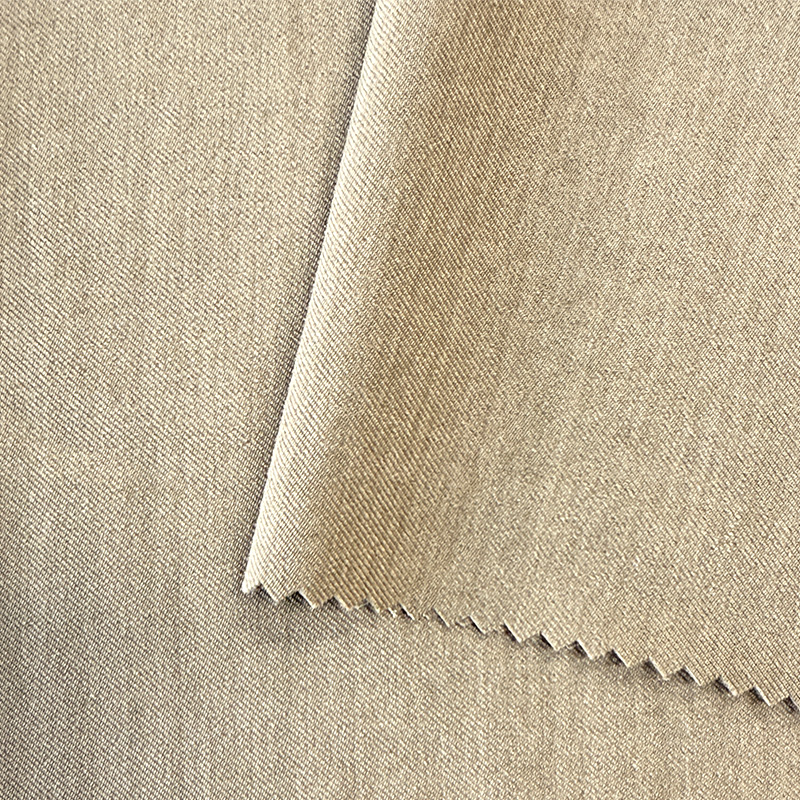
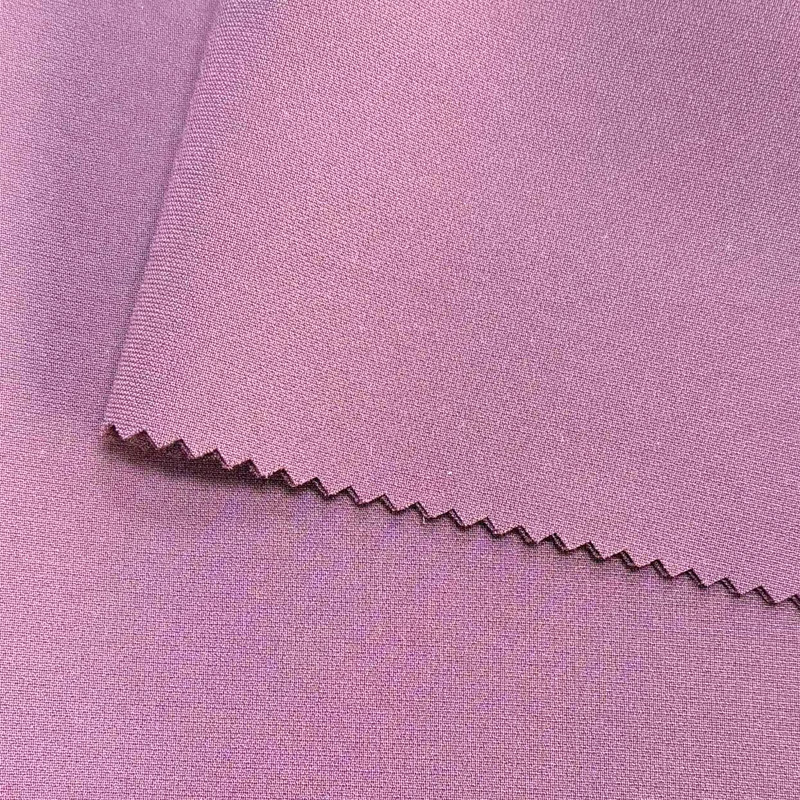
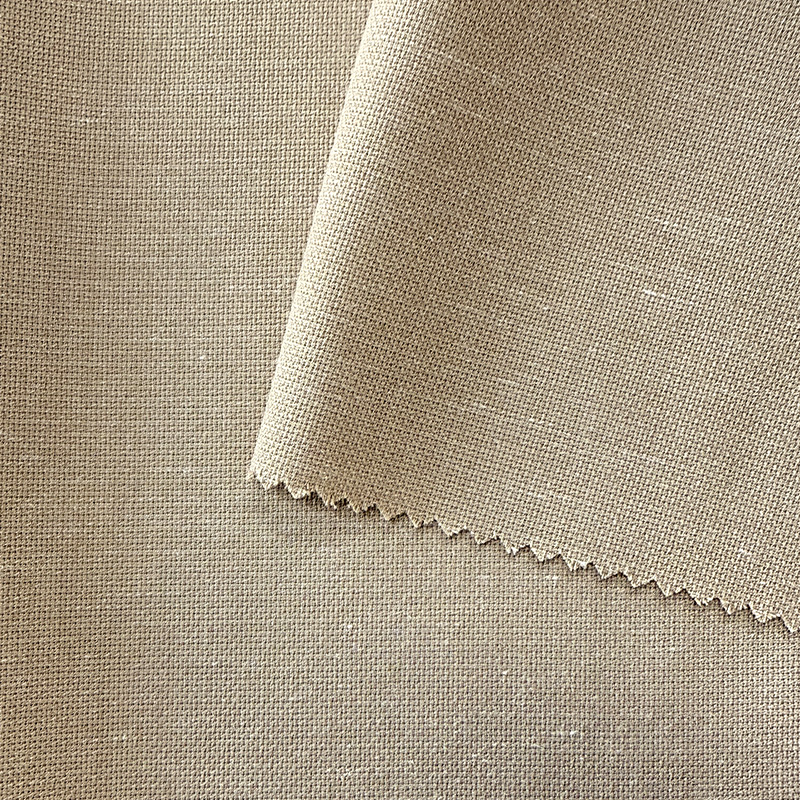
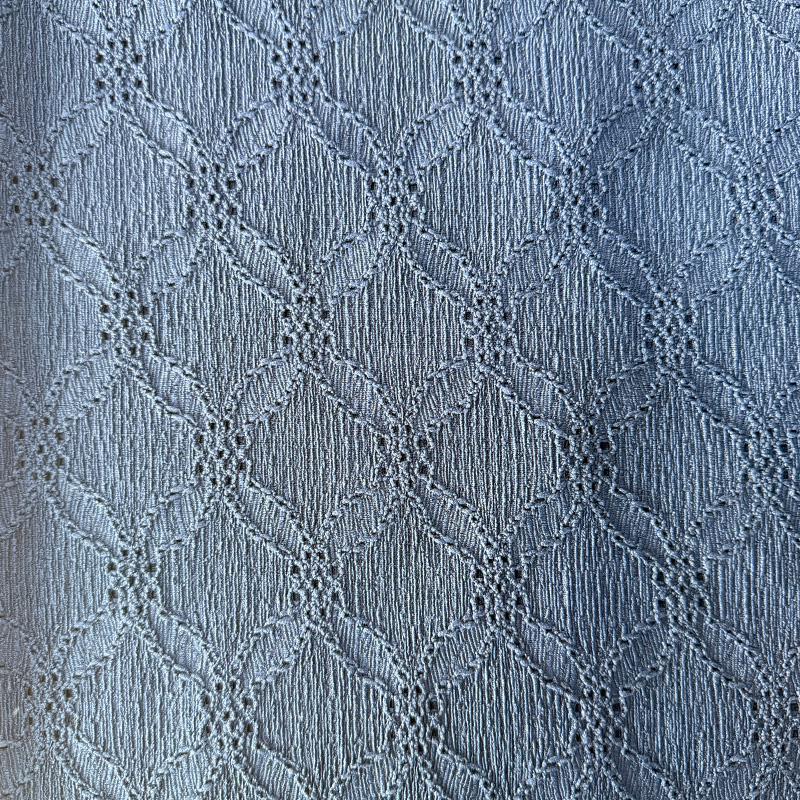
NO7001 Diamond Flower Embossed Crepe Fabric
97%T 3%SP 62"64" 175GSM
NO7001 Diamond Flower Embossed Crepe Fabric, centered on a neat diamond grid pattern des...

1. Series Characteristics
Centered on warp knitted crepe fabrics as the core direction, this series emphasizes fabric surface texture and visual layering, with an overall style that balances practicality and design appeal.
2. Texture Expression
The fabrics feature strong textural effects, with naturally rich surface patterns and inherent creased style characteristics, enhancing the overall dimensional visual effect of the fabric.
3. Everyday Practicality
The built-in creased effect as a design characteristic makes the fabric more convenient for everyday use and maintenance, meeting the needs of garment applications across multiple scenarios.
4. Lightweight and Comfortable Feel
The overall style leans toward lightweight and breathable qualities, balancing a lightweight wearing feel with a comfortable experience, suitable for multi-season apparel development directions.
5. Pattern Diversity
The series covers a diverse range of pattern expressions, from minimalist textures to stylized motifs, meeting different product positioning and design requirements.
6. Broad Suitability
The fabric styles cover a wide range and can adapt to garment-making needs across different age groups, making them suitable for diversified apparel product development.
7. Application Directions
Suitable for everyday apparel, fashion ready-to-wear, and serialized garment projects, providing broader fabric selection possibilities for different style designs.
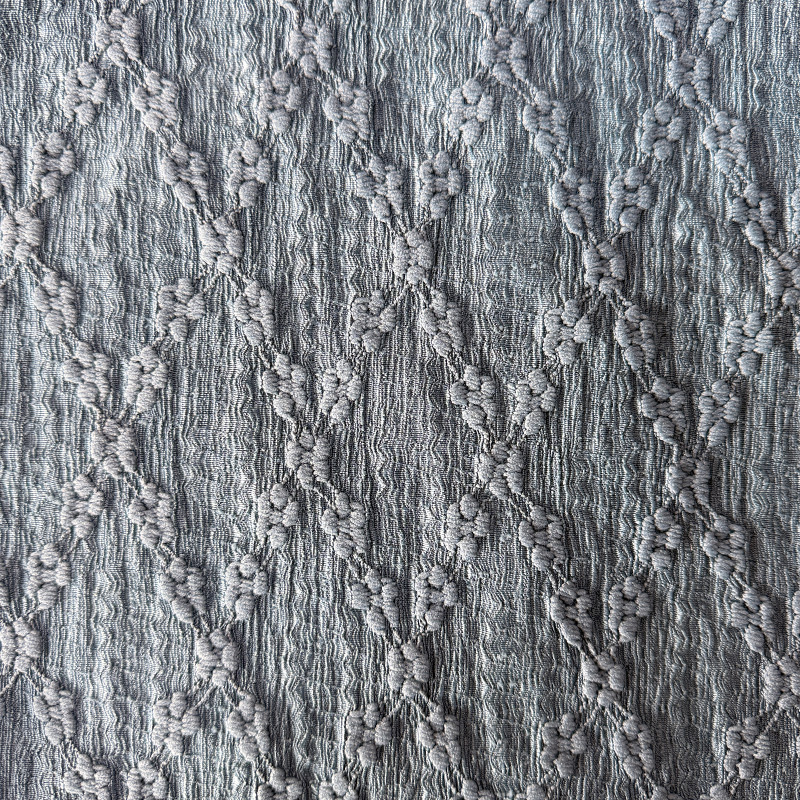

A sample swatch lands on your desk, you turn it over, and on the back you see short tufts of yarn arching over the base weave like tiny caterpillars. That is the moment most buyers first meet chenille fabric, and it is also the moment they usually ask the same question: what exactly is this materia...
READ MOREWhy Linen Cotton Blend Fabric Is a Sourcing Staple When a product developer in Dhaka or Istanbul asks for a fabric that sits between rustic linen and crisp cotton, an experienced mill will usually answer with the same recommendation: specify a linen cotton blend fabric. The combination of flax and ...
READ MORELinen fabric for apparel has a reputation problem. Ask ten buyers what they expect from it, and nine will describe a soft, breathable material that feels cool against the skin and improves with every wash. Then ask them what the first supplier actually delivered, and the answer is often different: ...
READ MORETricot fabric (pronounced "tree-koh") is a warp-knitted textile characterized by fine vertical wales on the face and horizontal ribs on the back, produced using a warp knitting machine with multiple guide bars (typically 2-4). Unlike weft knitting (which forms loops across the fabric width), warp knitted fabric involves each needle drawing its loop from a separate yarn supplied from a warp beam. The global knitted textile market reached $85 billion in 2024, with tricot accounting for approximately 30% of warp knit production. Warp knit mesh fabric, in contrast, is an open-structure variant with deliberate gaps between yarns, creating a net-like appearance for breathability and drainage. This technical guide explains the structural differences, quantifies performance characteristics, and helps buyers select between tricot fabric supplier and warp knit mesh fabric manufacturer based on application needs.
Shaoxing Echoes Textile Co., Ltd. — Echoes is a full-category import and export fabric company that integrates R&D, production, and sales. With years of deep expertise in the textile industry, the company leverages its two core production bases — an 80-acre specialized greige fabric factory and an 80-acre modern cotton yarn factory — to achieve full industrial chain control from raw materials to finished products. Backed by strong production capabilities, consistent quality assurance, and a mature supply chain system, Echoes focuses on textile import and export operations, offering a wide range of products, including various cotton yarns, greige fabrics, and related textile products, which are exported to numerous regions worldwide. Supported by a professional international trade service team, we precisely align with customer needs, deliver efficient order fulfillment, provide customized solutions, and ensure comprehensive after-sales service. As a leading tricot fabric supplier and warp knitted fabric manufacturer, Echoes produces high quality tricot fabric, warp knit mesh fabric for swimwear, and warp knitted fabric for sportswear, available through tricot fabric wholesale channels.
Tricot fabric is a warp-knitted construction where the yarns run vertically (warp direction) and are looped together using a series of needles arranged in a flat bed. The distinctive feature of tricot is its two-faced appearance: the technical face has fine, vertical wales (ridges), while the technical back has horizontal ribs (courses). This structure is produced using 2-4 guide bars on a tricot knitting machine, with typical machine gauges of 28-40 needles per inch (11-16 needles per cm). Tricot fabric offers excellent drape (drape coefficient 45-55%), moderate stretch (15-25% elongation), and good recovery (90-95%). The horizontal bar chart below compares tricot properties with other warp knitted fabric types.
Figure 1: Tricot fabric properties vs. warp knit mesh — Tricot fabric offers moderate stretch (15-25%) with excellent recovery (90-95%), making it ideal for applications requiring shape retention without excessive elongation. The fabric's dense structure provides 90-95% opacity, suitable for opaque garments like lingerie, linings, and swimwear. In contrast, warp knit mesh fabric offers higher stretch (40-60%) but lower recovery (85-90%) and significantly lower opacity (30-50%). For tricot fabric supplier evaluation, request test data on stretch percentage (ASTM D2594), recovery (residual elongation after 100 cycles), and fabric weight (gsm). Typical tricot fabric weights range from 100 gsm for lightweight linings to 250 gsm for structured swimwear and activewear. The vertical wale structure of tricot provides excellent surface smoothness, reducing friction against the skin — a key advantage for stretch knit fabric used in intimate apparel. For high quality tricot fabric, consistent loop formation is critical; premium tricot machines (28-40 gauge) produce 40-80 courses per cm, ensuring fine, uniform texture.
Warp knit mesh fabric is a specialized warp-knitted construction where yarns are deliberately spaced to create open areas (holes) between loop structures. Produced on the same warp knitting machines as tricot (but with different lapping movements and guide bar settings), warp knit mesh achieves open areas ranging from 30% to 70% depending on pattern and gauge. Typical mesh sizes range from 1 mm to 10 mm hole diameter. The open structure provides exceptional breathability (air permeability 300-800 cm³/cm²/s — 3-8 times higher than tricot), rapid drainage, and lightweight properties (60-150 gsm). The radar chart below compares tricot fabric and warp knit mesh fabric across six performance criteria.
Figure 2: Radar comparison of tricot vs warp knit mesh fabric — Tricot fabric scores higher in opacity/coverage (148), recovery (145), and drapability (140), making it suitable for opaque garments requiring shape retention. Warp knit mesh fabric excels in breathability (155 vs 120 for tricot) and stretch (148 vs 130), critical for applications like swimwear linings, sports jerseys, and footwear uppers. Mesh's open structure (30-70% open area) allows air and moisture to pass through freely — air permeability of 300-800 cm³/cm²/s compared to 50-100 for tricot. For warp knit mesh fabric manufacturer operations, mesh patterns are achieved by moving guide bars to create "holes" where no yarns interloop; hole size is controlled by the number of consecutive empty courses (typically 2-10 courses per hole). For warp knit mesh for swimwear, open-area ratios of 40-50% provide the balance of breathability and opacity needed for swimsuit linings and beachwear. For warp knitted fabric for sportswear, mesh panels are strategically placed in high-sweat zones (underarms, back) to enhance ventilation. When selecting a warp knitted fabric manufacturer, specify required open-area percentage and hole geometry (round, hexagonal, diamond). High quality tricot fabric used as a base layer behind mesh provides opacity while the mesh layer offers ventilation — a common construction in performance apparel.
The primary difference between tricot fabric and warp knit mesh fabric lies in the lapping movement of guide bars. Tricot uses a simple 1-0/1-2 or 1-0/2-3 lapping pattern that creates dense, continuous loops. Mesh uses "miss-lap" patterns where guide bars skip needles for several courses, creating open areas. The column chart below illustrates the production parameters and resulting fabric properties for each type.
Figure 3: Production parameter differences — Tricot fabric uses 2-4 guide bars and produces 40-80 courses per cm, resulting in dense, opaque fabric. Warp knit mesh fabric uses 2-6 guide bars (more complex lapping) and produces 20-50 courses per cm, creating open areas of 30-70%. The reduced course density in mesh allows for higher air permeability and lighter weight but reduces coverage and recovery. For tricot fabric manufacturer operations, machine speeds typically range from 1,500-2,500 courses per minute; mesh production runs slower (800-1,500 courses per minute) due to more complex guide bar movements. The choice between tricot fabric and warp knit mesh depends on end-use requirements: opaque, smooth, high-recovery fabrics for lingerie, linings, and swimwear base layers → tricot; breathable, lightweight, quick-drying fabrics for sportswear panels, shoe uppers, and beachwear → warp knit mesh. For warp knitted fabric for sportswear, many designs combine both: tricot base for opacity with mesh inserts for ventilation. When sourcing from a warp knitted fabric supplier, request samples of both constructions to evaluate hand feel, stretch, and breathability for your specific application. High quality tricot fabric for lingerie applications typically uses finer denier yarns (30-50 denier) and higher gauge machines (32-40 needles per inch) for smoother surface.
Tricot fabric is widely used in: lingerie (bras, panties) — 35% of consumption, swimwear linings — 25%, activewear base layers — 20%, and linings for outerwear — 20%. Warp knit mesh fabric is used in: sportswear panels — 40%, swimwear overlays — 25%, footwear uppers — 20%, and bags/accessories — 15%. The line chart below shows market growth for each category through 2030.
Figure 4: Market growth projections for tricot and warp knit mesh — The global market for tricot fabric is projected to grow from 1.8 million tons (2024) to 2.2 million tons (2030) at 3.2% CAGR. Warp knit mesh fabric is growing faster at 6.8% CAGR, from 0.9 million tons to 1.4 million tons over the same period, driven by demand for breathable sportswear and performance footwear. For tricot fabric wholesale buyers, the mature market offers stable pricing and consistent availability. For warp knit mesh fabric for swimwear, rapid growth is driven by the athleisure trend and demand for quick-drying, breathable beachwear. When selecting a warp knitted fabric manufacturer, consider the following application-based recommendations:
The main difference is structural density. Tricot fabric has a dense, continuous loop structure with 90-95% opacity, 15-25% stretch, and 90-95% recovery. Warp knit mesh fabric has deliberate open areas (30-70% open space), higher stretch (40-60%), lower recovery (85-90%), and significantly higher breathability. Choose tricot for opacity and shape retention; choose mesh for ventilation and lightweight performance.
For warp knitted fabric for sportswear, both have roles. Tricot fabric is used for base layers and compression garments where opacity and recovery are important. Warp knit mesh fabric is used for ventilation panels, jersey backs, and breathable inserts. Many performance garments combine both: tricot body with mesh underarm and back panels. A warp knit mesh fabric supplier can provide recommendations based on sport (running, cycling, team sports) and sweat zones.
When evaluating a tricot fabric supplier, request: (1) fabric weight (gsm) and composition, (2) stretch and recovery test data (ASTM D2594), (3) color fastness reports (AATCC 61), and (4) gauge specification (needles per inch). For high quality tricot fabric, look for consistent loop formation, uniform dye uptake, and minimal edge curling. A reputable tricot fabric manufacturer will provide lot-to-lot consistency and OEKO-TEX certification for skin-contact applications.
For custom warp knit mesh fabric from a warp knit mesh fabric manufacturer, typical lead times are 4-6 weeks for sample development (pattern design, sample yardage) and 8-12 weeks for production orders (500-5,000 kg). A warp knitted fabric supplier with in-house design capabilities can shorten development to 2-3 weeks for simple mesh patterns. For warp knit mesh for swimwear seasonal collections, plan orders 4-5 months ahead of peak season.
As a leading tricot fabric supplier and warp knitted fabric manufacturer, Shaoxing Echoes Textile Co., Ltd. offers a comprehensive range of tricot fabric, warp knit mesh fabric for swimwear, and warp knitted fabric for sportswear. Whether you require high quality tricot fabric for lingerie and linings or warp knit mesh fabric supplier for breathable sportswear panels, Echoes provides certified quality, custom pattern design, and reliable tricot fabric wholesale solutions. Partner with a trusted warp knitted fabric supplier that understands the structural differences and application requirements of tricot vs. warp knit mesh.
If you have any questions, please get in touch with us.