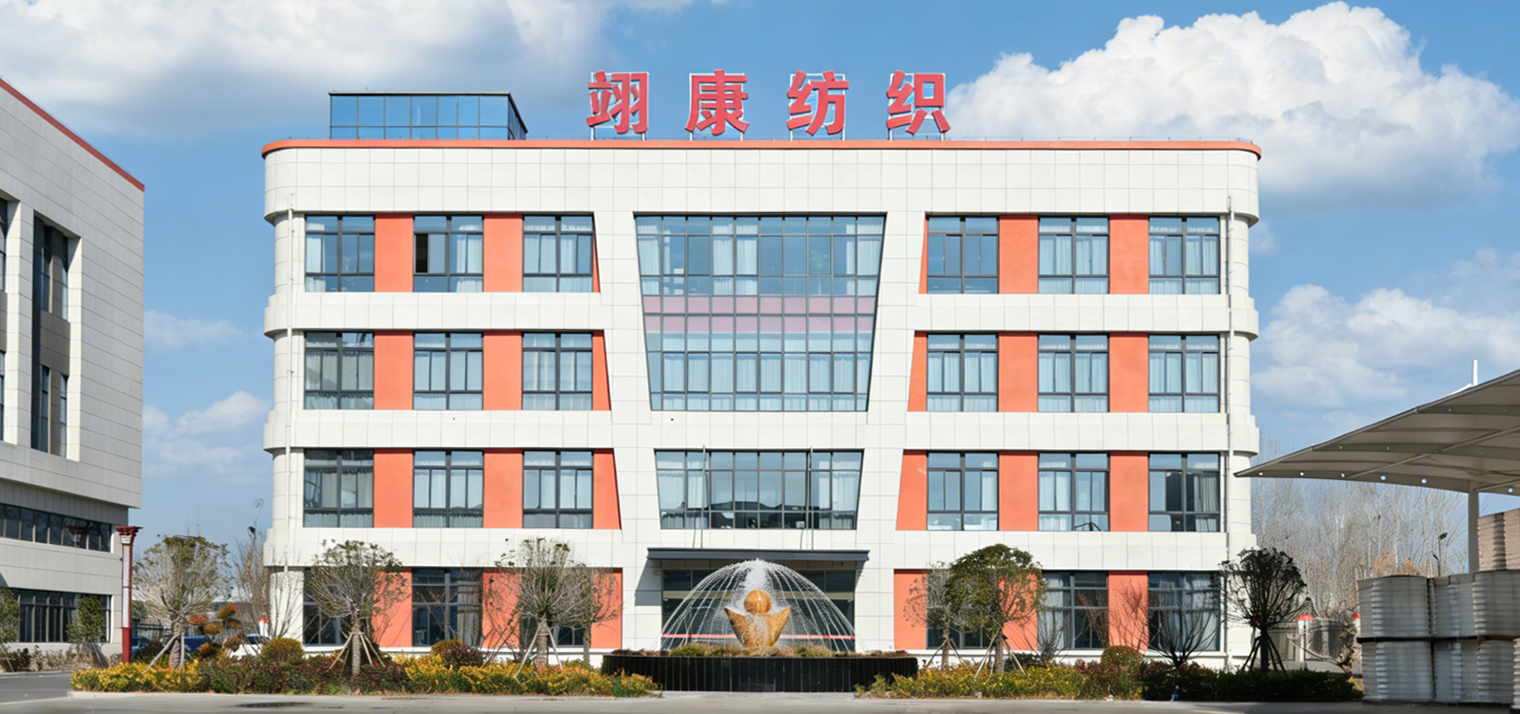
Echoes is a full-category import and export fabric company that integrates R&D, production, and sales. With years of deep expertise in the textile industry, the company leverages its two core production bases — an 80-acre specialized greige fabric factory and an 80-acre modern cotton yarn factory — to achieve full industrial chain control from raw materials to finished products.
Shaoxing Echoes Textile Co., Ltd. is a China Wholesale Ring Spun Yarn Factory and Ring Spun Yarn Manufacturer, building upon a steadfast dedication to integrity and a quality-first philosophy, Echoes strives to position itself as a globally trusted and dependable partner across the textile supply chain, consistently delivering value and fostering long-term collaboration with clients worldwide.
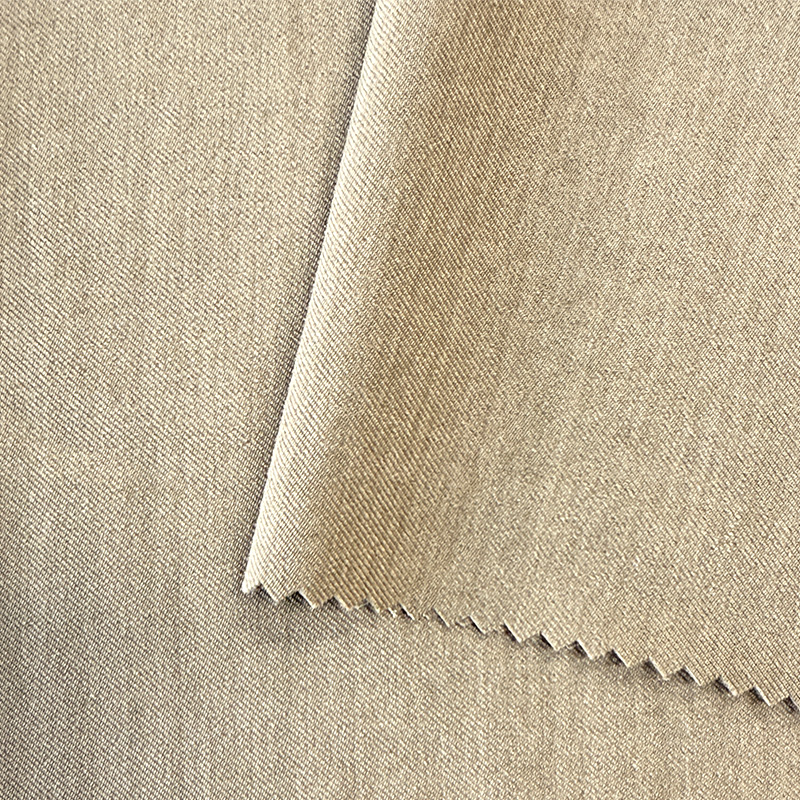
A sample swatch lands on your desk, you turn it over, and on the back you see short tufts of yarn arching over the base weave like tiny caterpillars. That is the moment most buyers first meet chenille fabric, and it is also the moment they usually ask the same question: what exactly is this materia...
Why Linen Cotton Blend Fabric Is a Sourcing Staple
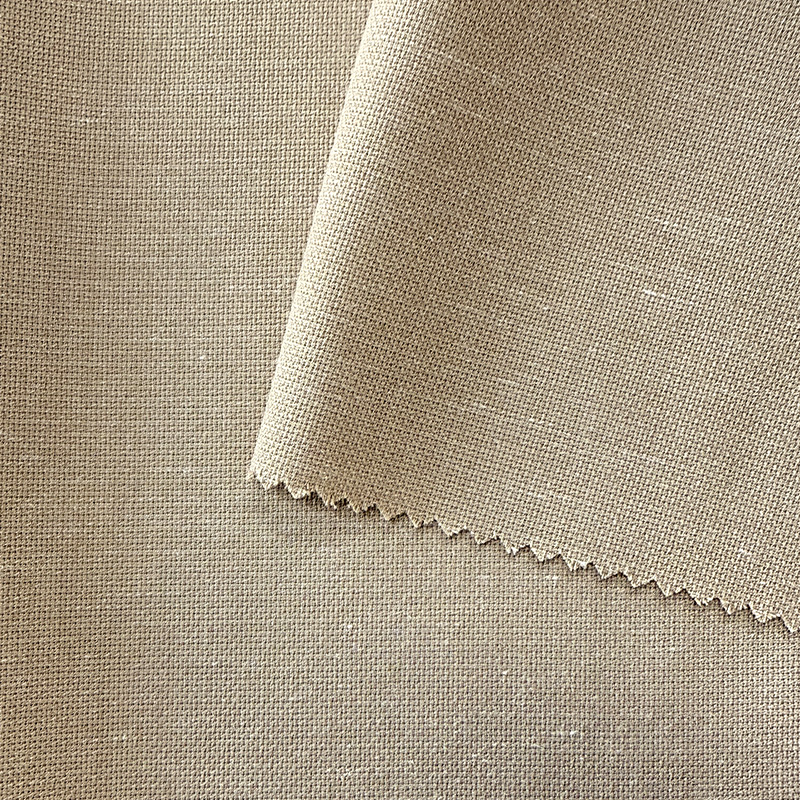
When a product developer in Dhaka or Istanbul asks for a fabric that sits between rustic linen and crisp cotton, an experienced mill will usually answer with the same recommendation: specify a linen cotton blend fabric. The combination of flax and ...
Linen fabric for apparel has a reputation problem. Ask ten buyers what they expect from it, and nine will describe a soft, breathable material that feels cool against the skin and improves with every wash. Then ask them what the first supplier actually delivered, and the answer is often different: ...
Why Is Ring Spun Yarn Preferred by Textile Manufacturers?
Ring spun yarn is produced using a spinning process that drafts, twists, and winds fibers onto a bobbin via a rotating ring and traveler system. Unlike open-end (rotor) spinning which produces coarser, less uniform yarn, ring spun yarn delivers superior evenness (CVm% 12-15 vs 16-18), higher tensile strength (4.0-5.0 cN/tex vs 3.5-4.5), and a softer hand feel due to the helical fiber alignment. The global market for ring spun cotton yarn reached $45 billion in 2024, accounting for 60% of all spun yarn production, driven by demand for high quality ring spun yarn in apparel, home textiles, and premium knitwear. This data-driven guide compares ring spun yarn vs open-end yarn, quantifies performance benefits, and explains why ring spun yarn manufacturer are preferred by apparel brands.
Shaoxing Echoes Textile Co., Ltd. — Echoes is a full-category import and export fabric company that integrates R&D, production, and sales. With years of deep expertise in the textile industry, the company leverages its two core production bases — an 80-acre specialized greige fabric factory and an 80-acre modern cotton yarn factory — to achieve full industrial chain control from raw materials to finished products. Backed by strong production capabilities, consistent quality assurance, and a mature supply chain system, Echoes focuses on textile import and export operations, offering a wide range of products, including various cotton yarns, greige fabrics, and related textile products, which are exported to numerous regions worldwide. Supported by a professional international trade service team, we precisely align with customer needs, deliver efficient order fulfillment, provide customized solutions, and ensure comprehensive after-sales service. As a leading ring spun yarn manufacturer and ring spun yarn supplier, Echoes produces organic ring spun yarn, high quality ring spun yarn, and ring spun cotton yarn for apparel, knitting, and textile factories, available through ring spun yarn wholesale channels.
1. What Is Ring Spun Yarn? Manufacturing Process and Fiber Orientation
What is ring spun yarn? The ring spinning process involves drafting (attenuating) a fiber sliver to the desired count, then twisting it using a rotating ring and traveler system. Fibers are wrapped helically around the yarn axis, creating a strong, compact structure with protruding fiber ends that contribute to softness and surface texture. Key process parameters: draft ratio (20-200x), twist multiplier (3.5-5.5 depending on application), and spindle speed (15,000-25,000 RPM). The resulting spun yarn has a hairy surface (unlike compact or open-end yarns) that provides a natural cotton-like feel. The horizontal bar chart below compares ring spun yarn vs open-end yarn across key quality metrics.
Figure 1: Ring spun vs. open-end yarn quality comparison — Ring spun yarn achieves higher tensile strength (4.0-5.0 cN/tex vs 3.5-4.5), better evenness (CVm% 12-15 vs 16-18), and superior softness (95 vs 70). The helical fiber alignment in ring-spun yarns creates a smoother surface with protruding fiber ends that contribute to a cotton-like hand feel, while open-end yarns have a core-and-sheath structure (fibers wrapped around a central core) that produces a stiffer, harsher texture. For ring spun yarn for knitting and ring spun yarn for weaving, the higher evenness reduces fabric defects: ring-spun yarns produce 40-50% fewer thin/thick places (imperfections per kilometer) than open-end yarns. The softer hand feel (95 vs 70) makes soft ring spun yarn for t-shirts the preferred choice for next-to-skin apparel. For high strength ring spun yarn used in denim and workwear, the higher tensile strength translates to improved fabric durability (20-30% higher tear strength). When evaluating a ring spun yarn supplier, request evenness (CVm%) and imperfection count (thin/thick places) test reports (USTER statistics). Organic ring spun yarn (GOTS-certified) retains the same performance advantages as conventional ring-spun, with additional environmental benefits (91% less water, no synthetic pesticides).
Table 1: Ring spun yarn specifications by application
Application
Yarn Count (Ne)
Twist Multiplier
Key Requirement
Apparel / T-Shirts / Knits
20-40 Ne
3.5-4.2
Softness, evenness, low hairiness
Denim / Workwear (warp)
6-16 Ne
4.5-5.5
High strength, abrasion resistance
Home Textiles (sheets, towels)
20-50 Ne
3.8-4.5
Softness, absorbency (cotton)
Premium Knitwear
30-60 Ne
3.5-4.0
Evenness, low imperfections
2. Benefits of Ring Spun Yarn: Softness, Strength, and Aesthetics
Benefits of ring spun cotton yarn include: (1) superior softness (fiber ends protrude, creating a natural cotton-like feel), (2) higher tensile strength (helical fiber alignment maximizes fiber-to-fiber friction), (3) better evenness (CVm% 12-15), (4) improved dye uptake (more uniform fiber orientation leads to level dyeing), and (5) reduced pilling in knitted fabrics. The radar chart below compares ring spun yarn with open-end (OE) and air-jet spun yarns across six performance criteria.
Figure 2: Performance comparison of ring spun vs. other spinning technologies — Ring spun yarn achieves the highest scores in softness (150), tensile strength (148), yarn evenness (145), and dye uptake (142), outperforming both open-end and air-jet spun yarns. The helical fiber structure (fibers oriented in a spiral around the yarn axis) maximizes fiber utilization (90-95% of fiber tenacity is realized in the yarn), compared to open-end yarns which achieve only 80-85%. For ring spun yarn for apparel production, the superior dye uptake translates to 20-30% deeper color saturation with the same dye concentration. Abrasion resistance of ring-spun yarn (130) is 15-20% higher than open-end (115), extending fabric life in high-friction applications (denim, workwear). Pilling resistance (135 vs 120 for open-end) reduces fabric surface deterioration in knitted garments. For ring spun yarn for fashion brands, these performance advantages justify the 10-20% premium over open-end yarns. When evaluating a high quality ring spun yarn supplier, request USTER statistics (CVm%, thin/thick places, neps) to verify evenness. Organic ring spun yarn manufacturer with GOTS certification ensures that the premium price includes verified environmental and social compliance.
3. Ring Spun Yarn vs Open-End Yarn – Which One to Choose?
Ring spun yarn vs OE yarn selection depends on end-use requirements. Ring-spun is preferred for: (1) high-quality apparel (t-shirts, polo shirts, premium knits), (2) fabrics requiring soft hand feel, (3) yarn counts above Ne 20, and (4) applications requiring dye vibrancy. Open-end (rotor) yarn is preferred for: (1) coarse counts (Ne 1-20), (2) high-speed production (3-5x faster than ring spinning), (3) lower cost requirements, and (4) applications where softness is less critical (denim filling yarns, industrial fabrics). The column chart below compares production parameters.
Figure 3: Production parameter comparison – ring vs. open-end spinning — Ring spun yarn is produced at 15-25 meters per minute (spindle speed 15,000-25,000 RPM) versus 100-200 m/min for open-end spinning (rotor speed 100,000-150,000 RPM). This slower speed contributes to higher yarn quality but lower productivity. Ring spinning can produce yarn counts from Ne 6 to Ne 100 (fine yarns for high-end apparel), while open-end spinning is limited to Ne 1-20 (coarse yarns). Energy consumption for ring spinning (3.5-4.5 kWh per kg) is 30-50% higher than open-end (2.0-3.0 kWh), reflecting the higher mechanical complexity. For ring spun yarn for textile factories, the quality premium (10-20% higher yarn price) offsets the lower production speed and higher energy cost. For ring spun yarn wholesale buyers, ring-spun is specified for apparel and home textiles where softness and appearance matter; open-end is used for filling yarns in denim and industrial applications where strength is less critical. When evaluating ring spun yarn vs regular cotton yarn (which may be open-end or carded), the difference is most apparent in knitted fabrics: ring-spun produces smoother, softer, more uniform fabrics with lower pilling. A reputable ring spun yarn manufacturer will provide both ring-spun and open-end options, advising on the best choice for each application.
4. Sustainability: Organic Ring Spun Yarn and Recycled Options
Demand for organic ring spun yarn and sustainable ring spun yarn for apparel is growing rapidly, with GOTS-certified organic cotton ring-spun yarn production growing at 18% CAGR. Organic ring-spun yarn retains all performance advantages of conventional ring-spun (softness, strength, evenness) while reducing environmental impact: 91% less water, 46% less CO₂, and zero synthetic pesticides. The line chart below shows adoption trends for sustainable ring-spun yarns.
Figure 4: Organic ring spun yarn market growth — Organic ring spun yarn has grown from 8% of ring-spun production in 2021 to 18% in 2025, projected to reach 35% by 2030. For organic ring spun yarn manufacturer, GOTS certification ensures that organic content (minimum 95%) is verified and that social/environmental criteria are met. Ring spun yarn for fashion brands increasingly specifies organic or recycled content to meet ESG targets. Recycled ring-spun yarn (from pre-consumer cotton waste or mechanically recycled cotton) is also available, though fiber length reduction (from 28-32 mm to 20-25 mm) reduces strength by 10-15%. For premium ring spun yarn supplier selection, verify certification claims with transaction certificates. High quality ring spun yarn from organic sources commands a 15-30% premium over conventional, justified by reduced environmental impact and verified traceability.
Softness: 95/100 rating (vs 70 for open-end) — superior hand feel for next-to-skin apparel
Strength: 4.0-5.0 cN/tex vs 3.5-4.5 — 15-20% higher tensile strength
Evenness: CVm% 12-15 vs 16-18 — 40-50% fewer yarn defects
Dye Uptake: 20-30% deeper color saturation vs open-end yarns
Sustainability: Organic ring spun yarn reduces water by 91%, CO₂ by 46%
5. Common Questions About Ring Spun Yarn
Q1: What is the difference between ring spun yarn and regular cotton yarn?
Ring spun vs regular cotton yarn — "Regular" cotton yarn may be open-end (rotor) spun or carded. Ring spun yarn offers superior softness (fiber ends protrude, creating a cotton-like feel), higher tensile strength (4.0-5.0 vs 3.5-4.5 cN/tex), better evenness (CVm% 12-15 vs 16-18), and improved dye uptake. For ring spun yarn for t-shirts and premium apparel, ring-spun is preferred; for coarse, lower-cost fabrics, open-end is used.
Q2: How do I choose a reliable ring spun yarn manufacturer?
When evaluating a ring spun yarn supplier, request: (1) USTER statistics (CVm%, thin/thick places, neps), (2) tensile test reports (ASTM D2256), (3) yarn count verification (ASTM D1907), (4) twist data (twists per inch or per meter), and (5) certification (GOTS for organic, OEKO-TEX for safety). A reputable ring spun yarn manufacturer will provide lot-to-lot consistency and allow third-party audits. For ring spun yarn wholesale, minimum order quantities typically range from 2,000-10,000 kg per count.
Q3: Is ring spun yarn suitable for both knitting and weaving?
Yes, ring spun yarn for knitting uses lower twist multipliers (3.5-4.2) for softness and loop formation; ring spun yarn for weaving uses higher twist multipliers (4.5-5.5) for strength and abrasion resistance during high-speed weaving. A full-service ring spun yarn manufacturer will offer both twist levels. For warp yarns in denim and shirting, higher twist ring-spun yarns are standard; for weft yarns or knitted fabrics, lower twist is preferred.
Q4: What is the typical price difference between ring spun and open-end yarn?
High quality ring spun yarn typically commands a premium of 10-20% over open-end yarn of equivalent count, reflecting lower production speed (15-25 m/min vs 100-200 m/min) and higher quality. For organic ring spun yarn, the premium increases to 25-40% due to lower organic cotton yields and certification costs. For ring spun yarn wholesale buyers, the premium is justified by reduced fabric defects, better dyeing results, and superior garment aesthetics.
As a leading ring spun yarn manufacturer and ring spun yarn supplier, Shaoxing Echoes Textile Co., Ltd. offers comprehensive solutions for ring spun cotton yarn, organic ring spun yarn, and high quality ring spun yarn for apparel, knitting, weaving, and textile factories. Whether you require ring spun yarn for t-shirts, premium ring spun yarn for fashion brands, or sustainable ring spun yarn for apparel, Echoes provides certified quality, USTER-tested consistency, and reliable ring spun yarn wholesale solutions. Partner with a trusted ring spun yarn supplier that delivers softness, strength, and evenness for your textile production.


 English
 Español
 italiano