English
 Español
 italiano
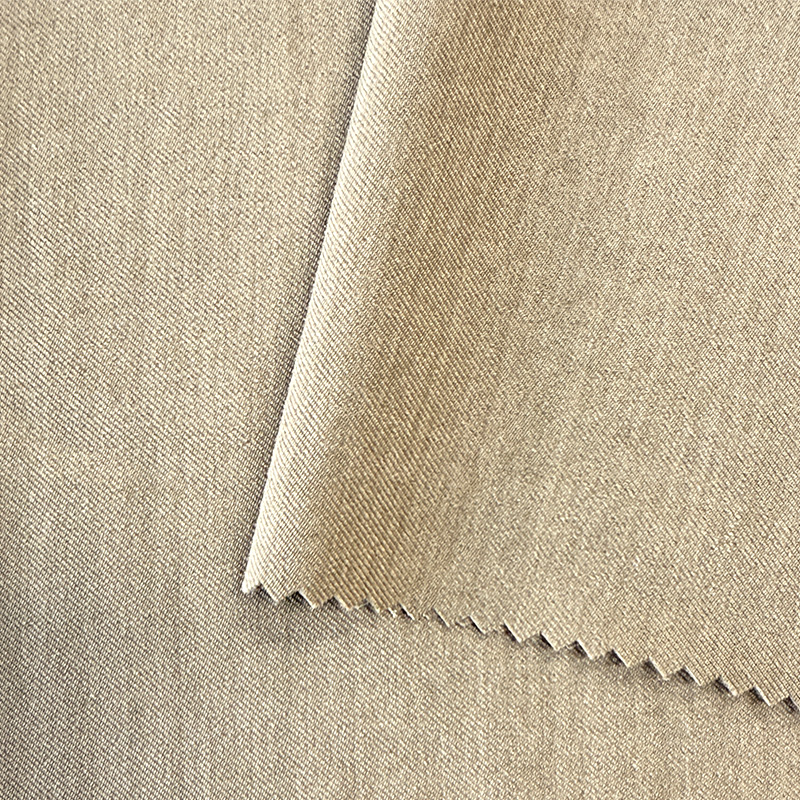
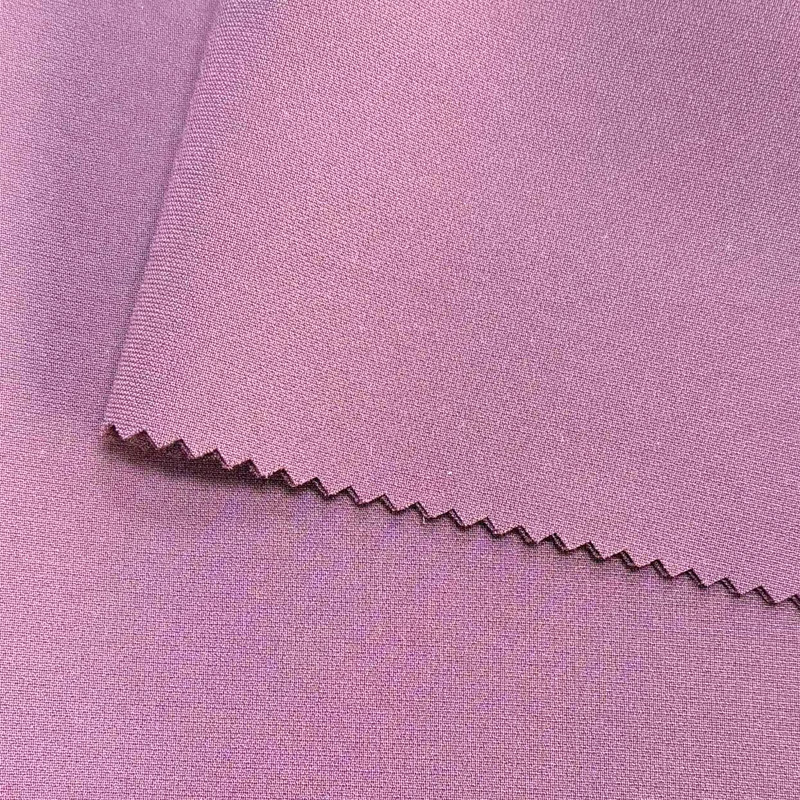
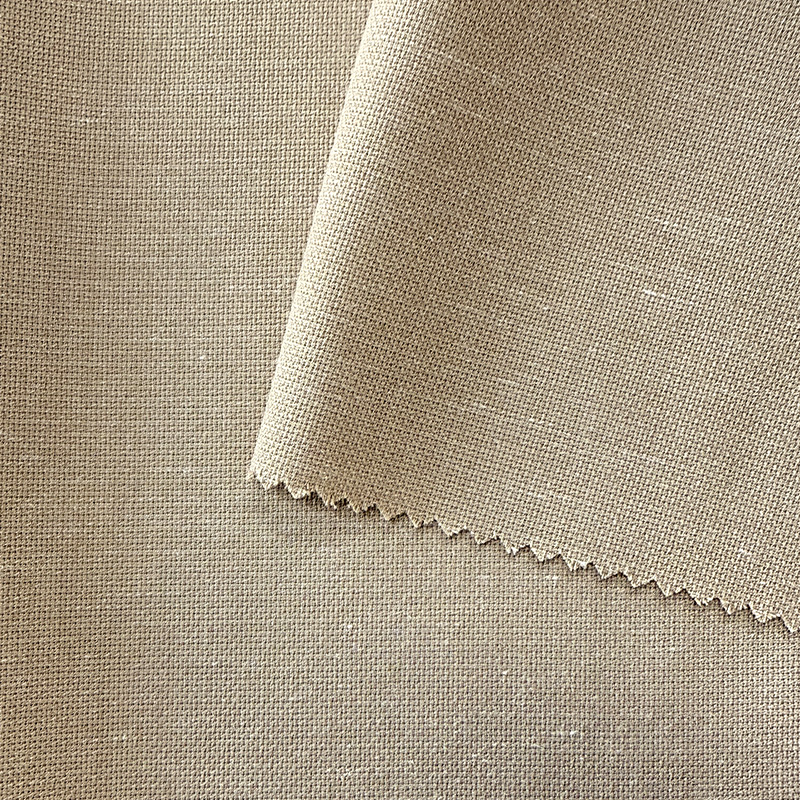
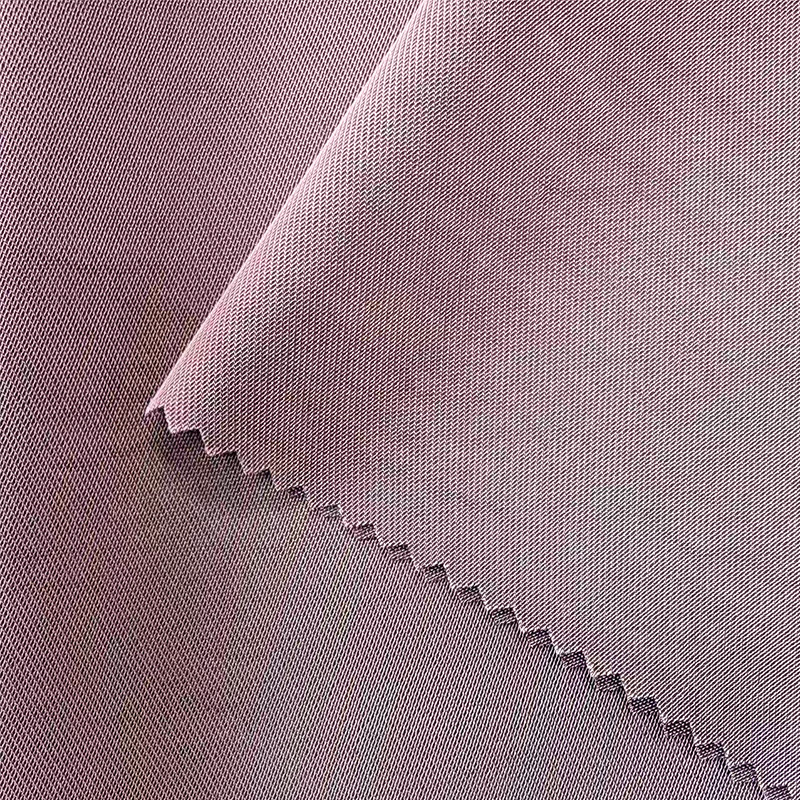
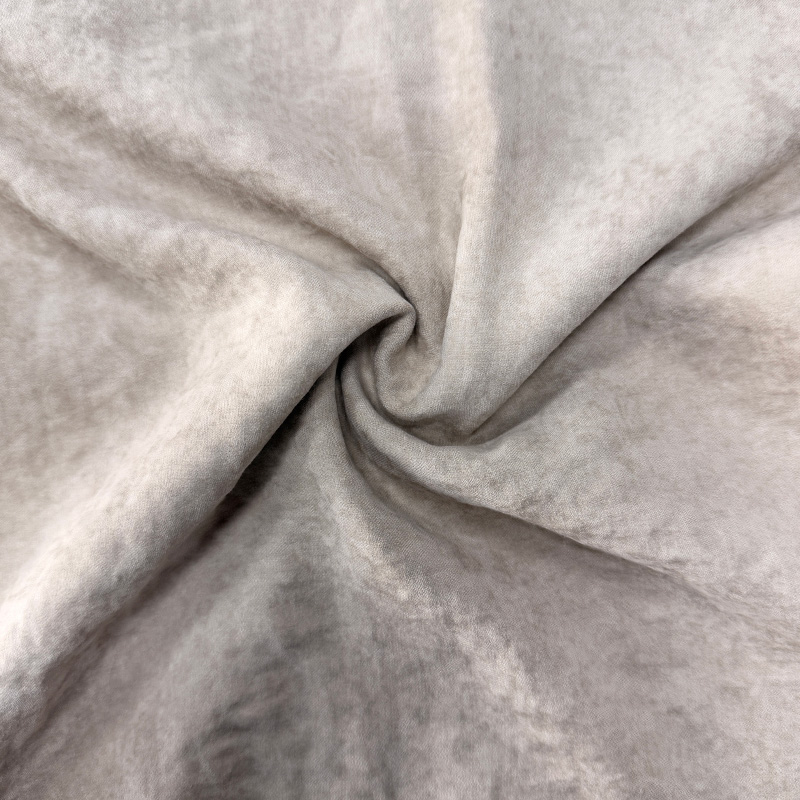
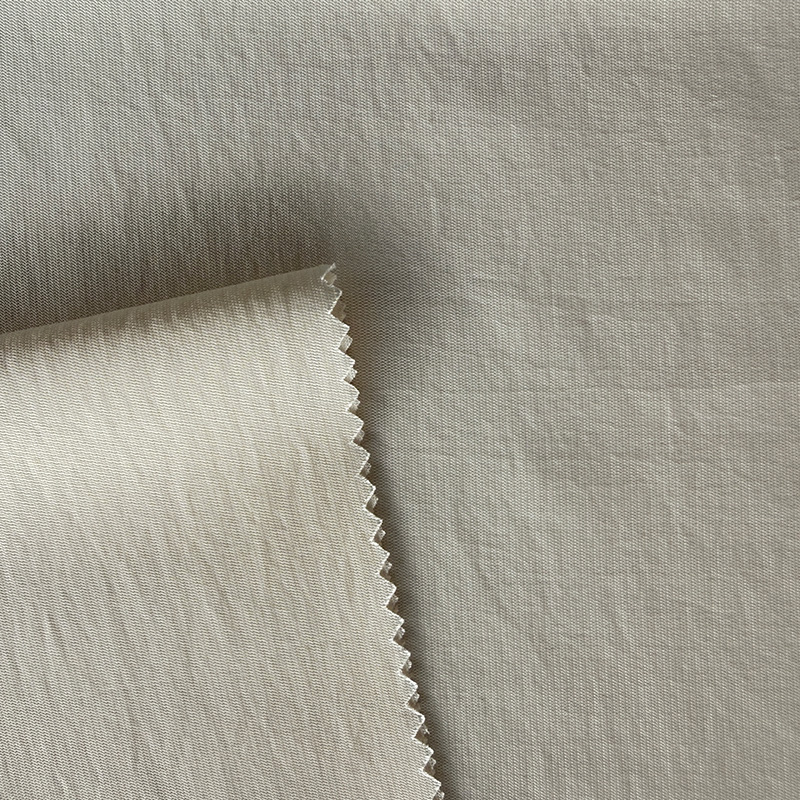
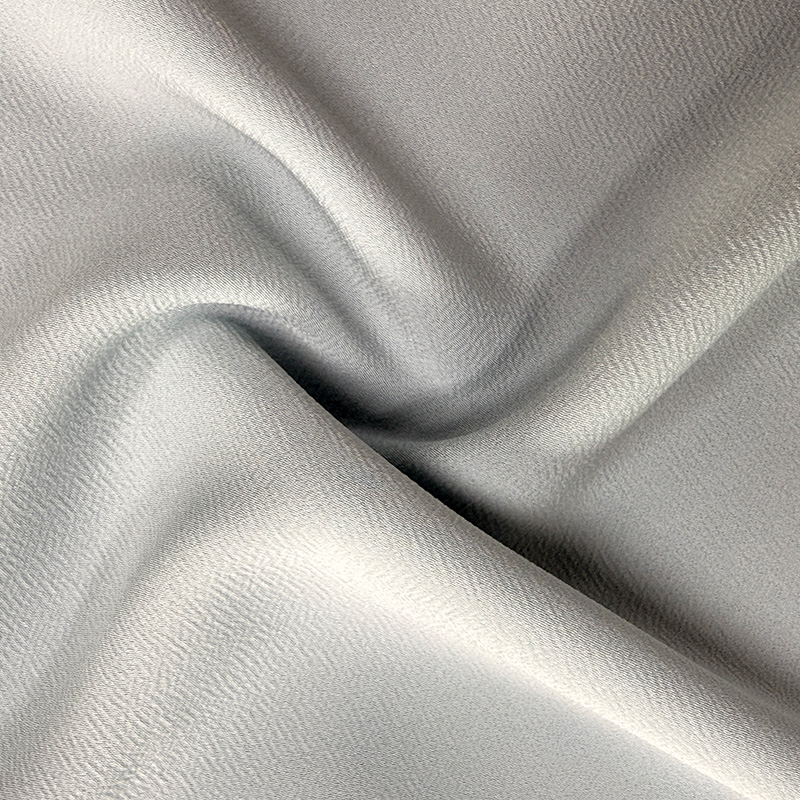
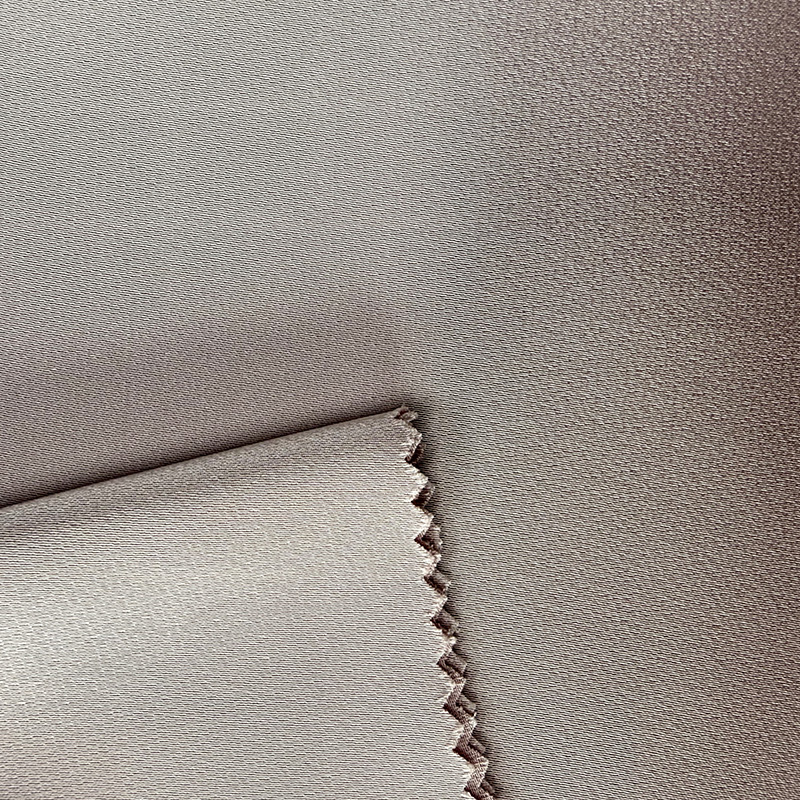
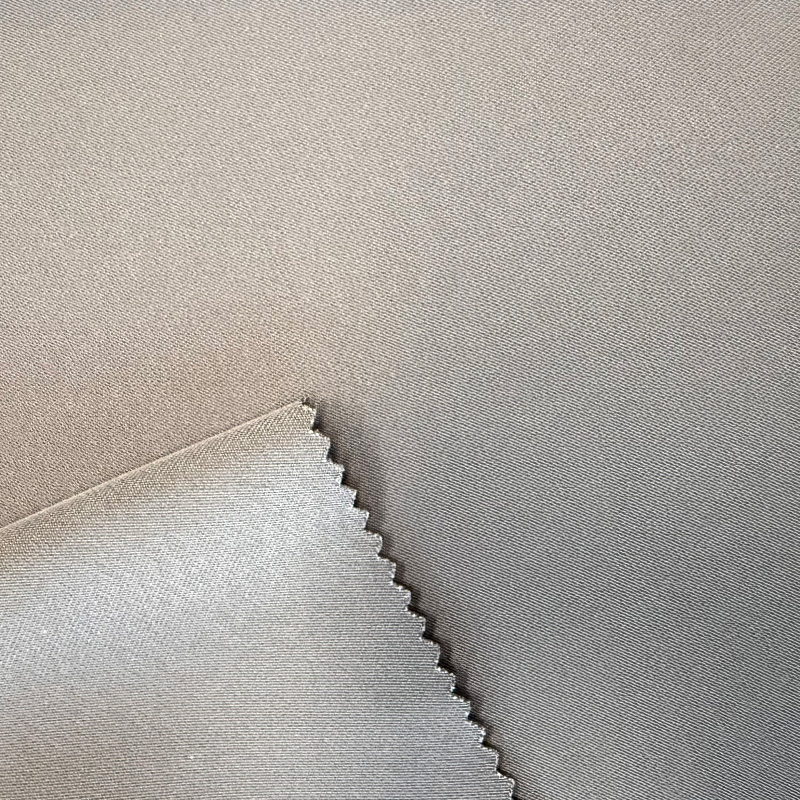
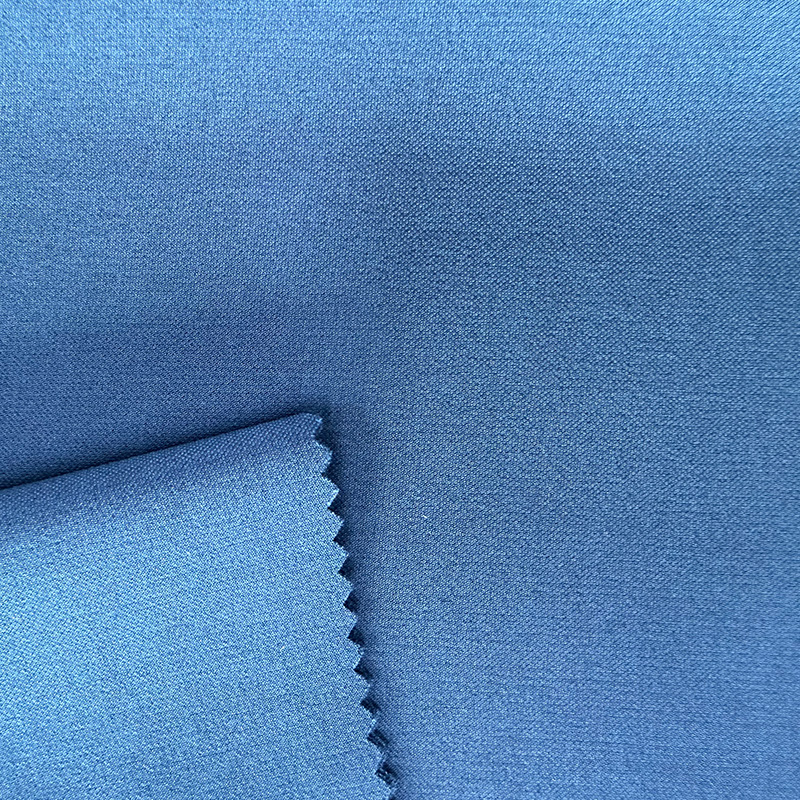
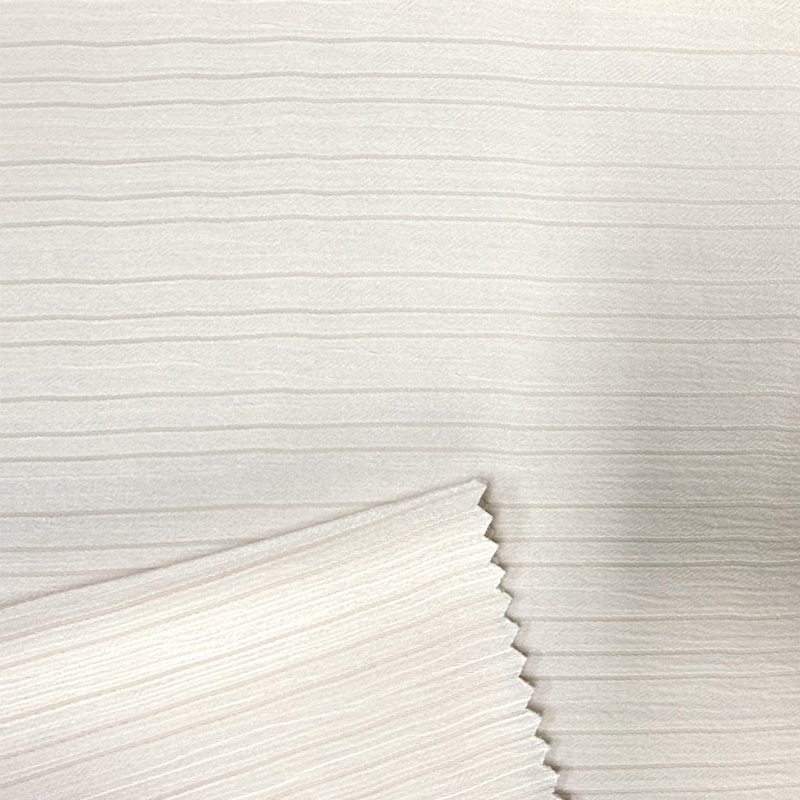
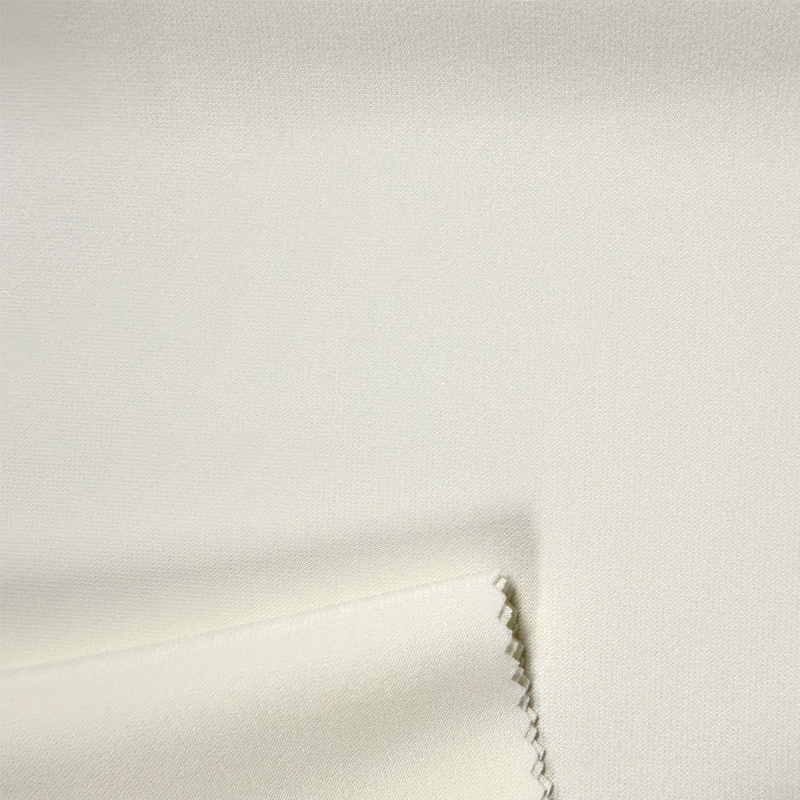
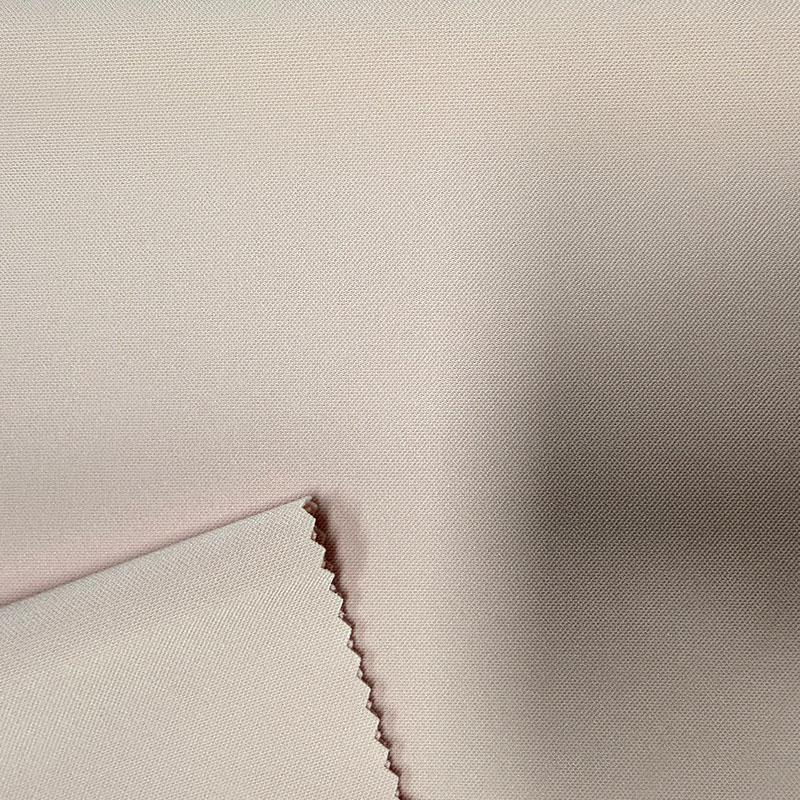
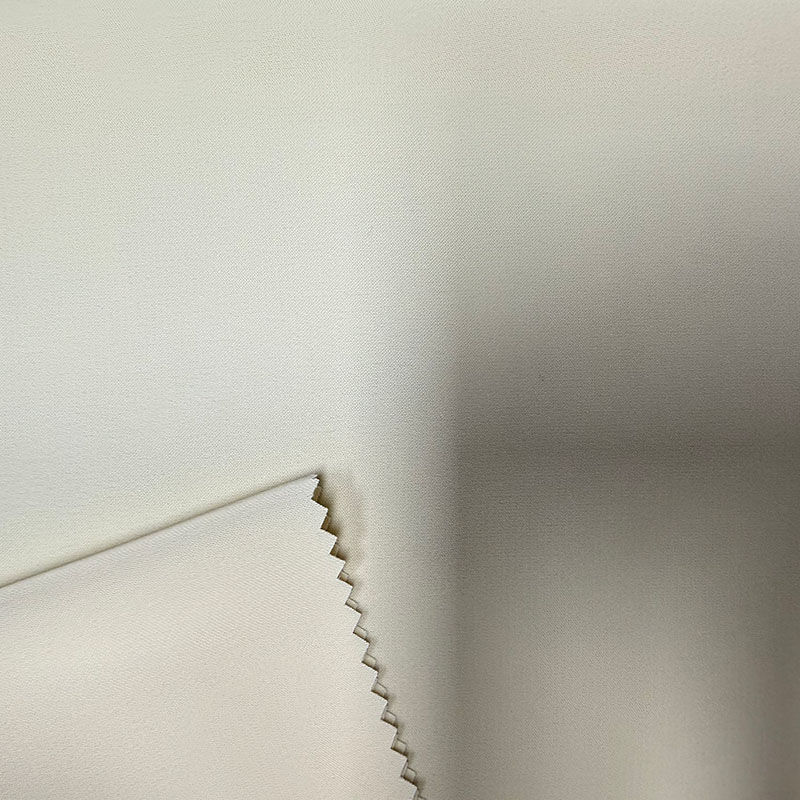
NO1016 Hand-Pleated Imitation Acetate Double-Sided Satin Fabric
100%T 58"60" 180GSM
NO1016 Hand-Pleated Imitation Acetate Double-Sided Satin Fabric is a high-end fabric that com...

1. Silk-like Visual Luster
Our acetate-like series uses a high-colorfastness process to give the fabric a natural sheen similar to mulberry silk. As an excellent silk alternative, it visually exudes a high-end, understated luxury feel, making it an ideal choice for elevating the brand image of ready-to-wear clothing.
2. Superior Drape and Wrinkle Resistance
Thanks to its unique fiber structure, this fabric boasts exceptional drape, creating a streamlined silhouette. Simultaneously, it possesses natural wrinkle-resistant and carefree properties, maintaining its flat shape even after long journeys or frequent wear, solving the wrinkling problem of traditional natural fabrics.
3. Soft and Skin-Friendly, Suitable for All Seasons
The fabric is lightweight and soft to the touch, with excellent moisture absorption and breathability. This breathable fabric has good temperature regulation capabilities, providing all-day comfort whether used as a cool summer shirt or a lining for autumn and winter formal wear.
4. Easy Care and High Durability
Compared to delicate natural fibers, our acetate-like fabric is more resilient:
Machine Wash Friendly: Resistant to deformation and shrinkage after multiple washes.
Abrasion Resistant: The surface is not prone to pilling, making it suitable for the fast-paced modern lifestyle.
Wide Range of Applications: Suitable for affordable luxury women's wear, formal dresses, scarves, sleepwear, etc.
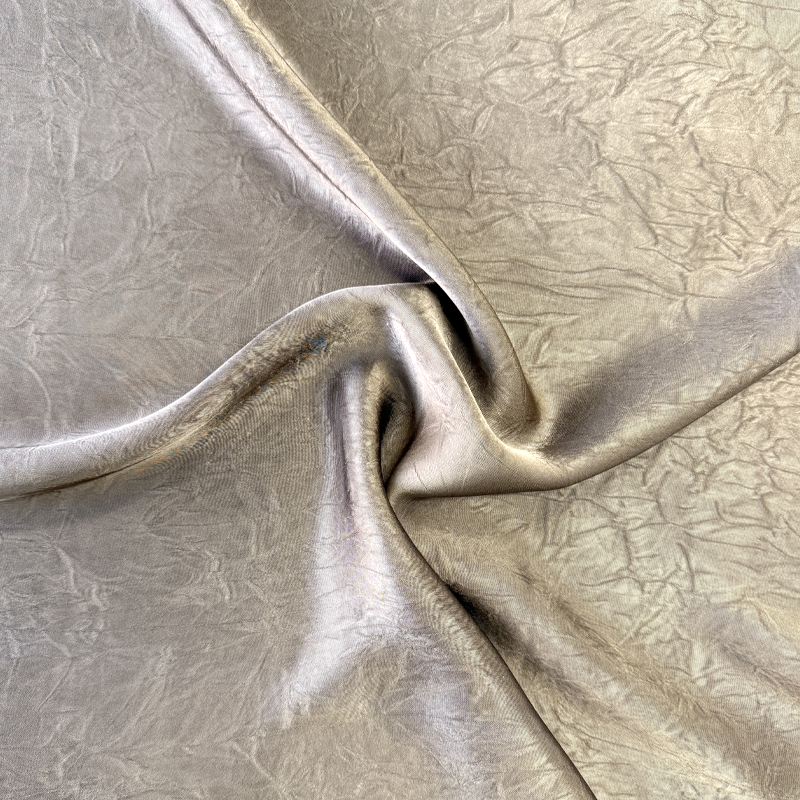
A sample swatch lands on your desk, you turn it over, and on the back you see short tufts of yarn arching over the base weave like tiny caterpillars. That is the moment most buyers first meet chenille fabric, and it is also the moment they usually ask the same question: what exactly is this materia...
READ MOREWhy Linen Cotton Blend Fabric Is a Sourcing Staple When a product developer in Dhaka or Istanbul asks for a fabric that sits between rustic linen and crisp cotton, an experienced mill will usually answer with the same recommendation: specify a linen cotton blend fabric. The combination of flax and ...
READ MORELinen fabric for apparel has a reputation problem. Ask ten buyers what they expect from it, and nine will describe a soft, breathable material that feels cool against the skin and improves with every wash. Then ask them what the first supplier actually delivered, and the answer is often different: ...
READ MOREAcetate fabric is a semi-synthetic textile derived from cellulose — the natural polymer found in wood pulp and cotton linters. First commercially developed in the early 20th century, acetate cloth gained prominence for its silk-like luster, drapability, and affordability. Unlike fully synthetic fibers (polyester, nylon), acetate fabric retains a natural origin while offering unique performance characteristics: high gloss, low static buildup, and excellent draping properties. According to the Textile World 2024 report, global acetate fabric production reached approximately 800,000 metric tons annually, with major applications in lining fabric for suits and jackets, as well as luxury blouses and acetate fabric for dresses. This guide details the manufacturing process, from raw cellulose to finished filament, and provides quantifiable comparisons with other silky fabric alternatives.
Shaoxing Echoes Textile Co., Ltd. — Echoes is a full-category import and export fabric company that integrates R&D, production, and sales. With years of deep expertise in the textile industry, the company leverages its two core production bases — an 80-acre specialized greige fabric factory and an 80-acre modern cotton yarn factory — to achieve full industrial chain control from raw materials to finished products. Backed by strong production capabilities, consistent quality assurance, and a mature supply chain system, Echoes focuses on textile import and export operations, offering a wide range of products, including various cotton yarns, greige fabrics, and related textile products, which are exported to numerous regions worldwide. Supported by a professional international trade service team, we precisely align with customer needs, deliver efficient order fulfillment, provide customized solutions, and ensure comprehensive after-sales service. As a reliable acetate fabric supplier and acetate lining fabric specialist, Echoes offers high quality acetate fabric and acetate-like fabric manufacturer services for global fashion brands, including acetate fabric for dresses and acetate fabric for shirts.
Acetate fabric begins with high-purity cellulose sourced from sustainably managed wood pulp (typically pine, spruce, or eucalyptus) or cotton linters (the short fibers remaining after cotton ginning). The cellulose content required for textile-grade acetate must exceed 92% purity, with lignin and hemicellulose reduced to below 1% through chemical pulping. Approximately 2.5 kilograms of wood pulp yields 1 kilogram of acetate cloth after processing. The horizontal bar chart below illustrates the material efficiency and chemical inputs across the acetate production stages.
Figure 1: Material balance in acetate fabric manufacturing — Producing 1 kilogram of acetate fabric requires 2.5 kg of wood pulp and 1.8 kg of acetic anhydride, with acetone solvent recovery rates reaching 95% in modern closed-loop systems. Water consumption averages 35 liters per kg of fiber, significantly lower than conventional cotton (2,700 L/kg) but higher than polyester (15 L/kg). The acetylation reaction converts cellulose to cellulose triacetate, followed by partial hydrolysis to yield secondary acetate (the variant most common in acetate cloth for apparel). For acetate fabric manufacturer facilities, energy consumption for spinning and drying ranges from 45-55 MJ per kg of finished fiber. When sourcing acetate fabric wholesale, buyers should request information on solvent recovery rates as an indicator of environmental compliance. Acetate-like fabric manufacturer operations using alternative feedstocks (recycled cellulose) have achieved 20-25% reductions in chemical inputs compared to virgin wood pulp routes. The viscosity of the spinning dope directly affects filament uniformity: optimal dope viscosity for dry spinning is 400-600 poise at 25°C, producing filaments with denier variation below 3%.
Unlike melt spinning (polyester) or wet spinning (viscose rayon), acetate fabric employs dry spinning: the cellulose acetate solution (dissolved in acetone) is extruded through spinnerets into heated vertical columns where acetone evaporates, solidifying the filaments. Spinneret hole diameters range from 0.05 to 0.15 mm, and filament denier is controlled by extrusion rate and take-up speed. Typical filament counts for acetate lining fabric range from 75 to 150 denier. The radar chart below compares acetate fabric with other common silky fabric alternatives across six performance characteristics.
Figure 2: Performance radar: acetate fabric vs. other silky fabrics — Acetate fabric excels in luster (score 140) and drapability (135), surpassing both viscose rayon and polyester microfiber. This makes it the preferred choice for lining fabric in high-end suits and acetate fabric for dresses requiring fluid movement. However, acetate cloth shows lower tensile strength (115 vs 135 for polyester) and abrasion resistance (110), necessitating careful handling during garment assembly and dry cleaning only (acetate loses strength when wet, retaining approximately 60-70% of dry tensile strength). Breathability of acetate fabric (score 138) exceeds that of polyester, with moisture regain of 6-7% (versus 0.4% for polyester), providing enhanced comfort in lined garments. For acetate-like fabric manufacturer products designed to mimic silk, acetate remains the closest match in terms of hand feel (softness rating 4.5/5 in panel tests). When sourcing high quality acetate fabric for blouses or shirts, request specifications on filament denier (finer denier = softer hand) and twist level (higher twist improves drapability). Acetate fabric for shirts typically uses 75-100 denier filament with a satin weave construction. Acetate lining fabric accounts for approximately 45% of all acetate consumption globally, valued for its smooth slip surface that facilitates easy garment donning and removal.
Acetate fabric possesses distinct physical characteristics that influence its suitability for various end-uses. Key metrics include: tenacity (1.2-1.5 g/denier dry, 0.8-1.0 g/denier wet), elongation at break (25-35%), moisture regain (6.5%), and melting point (approximately 260°C). Unlike polyester, acetate cloth is thermoplastic but softens at lower temperatures (170-190°C), requiring low-heat ironing. The column chart below presents comparative property data for acetate fabric relative to other common apparel textiles.
Figure 3: Property comparison across fabric types — Acetate fabric achieves the highest drapability score (92 out of 100), outperforming viscose (78) and polyester (65). This superior drapability is attributed to its low bending modulus (approximately 1.5 GPa) and high filament flexibility. Moisture regain of acetate cloth (6.5%) lies between viscose (11%) and polyester (0.4%), providing moderate comfort in humid conditions without excessive shrinkage. However, tensile strength of acetate fabric (1.4 cN/tex) is significantly lower than polyester (5.5 cN/tex) and viscose (2.2 cN/tex), explaining why acetate lining fabric requires reinforcement at stress points (armholes, side seams). Wet strength reduction is notable: acetate retains only 60-70% of dry strength when saturated, compared to 85% for viscose. For high quality acetate fabric intended for outerwear or acetate fabric for dresses, blending with 5-10% nylon or polyester can improve tensile strength by 40-50% while maintaining silk-like aesthetics. Acetate fabric for shirts benefits from higher twist yarns (30-40% higher than standard lining grades), improving abrasion resistance from 25,000 to 35,000 Martindale cycles. When specifying acetate fabric wholesale orders, confirm the intended end-use to select appropriate denier: 75-100 denier for blouses, 150 denier for linings, and 200+ denier for heavier outerwear applications.
Acetate fabric requires specific care to maintain appearance and structural integrity: dry cleaning recommended for structured garments, hand washing in cold water with mild detergent for simple items (avoid wringing). Acetate is sensitive to organic solvents (acetone, nail polish remover) and high heat (iron at low settings, maximum 150°C). From an environmental perspective, acetate fabric manufacturer facilities have improved solvent recovery rates to 95-98% in modern plants, reducing acetone emissions. The line chart below shows the lifecycle carbon footprint of acetate fabric compared to other textiles.
Figure 4: Lifecycle carbon footprint of acetate fabric vs alternatives — Acetate fabric has a carbon footprint of approximately 6.2 kg CO₂e per kg of fabric, lower than conventional cotton (9.8 kg) and viscose (7.5 kg), but higher than polyester (5.5 kg). The primary contributors to acetate's footprint are chemical pulping (35%) and acetone recovery (25%). Organic cotton shows the highest footprint (11.2 kg) due to lower yields per hectare. For acetate fabric supplier operations, water consumption (35 L/kg) is significantly lower than cotton (2,700 L/kg) but higher than polyester (15 L/kg). Biodegradability: acetate cloth is biodegradable under industrial composting conditions (60-70% mass loss within 120 days), outperforming polyester (<1% degradation). When evaluating acetate fabric wholesale options, consider eco-certifications such as FSC (Forest Stewardship Council) for wood pulp sourcing and ZDHC (Zero Discharge of Hazardous Chemicals) for manufacturing compliance. Acetate-like fabric manufacturer products using recycled cellulose feedstocks have achieved 20-25% lower carbon footprints compared to virgin wood-based acetate. For brands prioritizing circularity, acetate lining fabric can be mechanically recycled, though current recycling rates remain below 5% due to collection infrastructure limitations.
Acetate fabric is classified as a semi-synthetic fiber. The raw material (cellulose) is natural (wood pulp or cotton linters), but the manufacturing process involves chemical modification (acetylation) and solvent spinning. This distinguishes acetate cloth from fully synthetic fibers (polyester, nylon) which are derived from petroleum, and from natural fibers (cotton, linen) which require no chemical transformation.
Acetate fabric refers specifically to cellulose acetate fiber produced via dry spinning. Acetate-like fabric is a broader term for textiles that imitate acetate's silky luster and drape using alternative fibers (polyester microfiber, nylon taffeta) or finishing techniques. While acetate-like fabric manufacturer products may be more durable and less expensive, they typically lack the moisture regain (6.5%) and static-free properties of genuine acetate cloth. For premium lining fabric applications where breathability and comfort are priorities, genuine acetate is preferred.
When evaluating a acetate fabric supplier, request specifications on: filament denier (lower = finer, softer), twist level (affects drape and surface sheen), fabric weight (gsm), and washing care test reports. High quality acetate fabric exhibits uniform luster without streaks or slubs, consistent dye uptake (acetate requires disperse dyes, color fastness should be grade 4 or higher), and minimal static buildup. For acetate fabric for dresses and acetate fabric for shirts, request finished fabric samples to evaluate hand feel and draping behavior on a mannequin. A reputable acetate fabric manufacturer will provide lot-to-lot consistency data and chemical testing certificates (OEKO-TEX Standard 100).
As a trusted acetate fabric supplier and acetate lining fabric specialist, Shaoxing Echoes Textile Co., Ltd. offers high quality acetate fabric for dresses, shirts, linings, and custom applications. Whether you require acetate fabric wholesale quantities or small-batch acetate-like fabric manufacturer services, Echoes provides full transparency from cellulose sourcing to finished fabric. Partner with an acetate fabric manufacturer committed to quality consistency and technical support.
If you have any questions, please get in touch with us.