English
 Español
 italiano
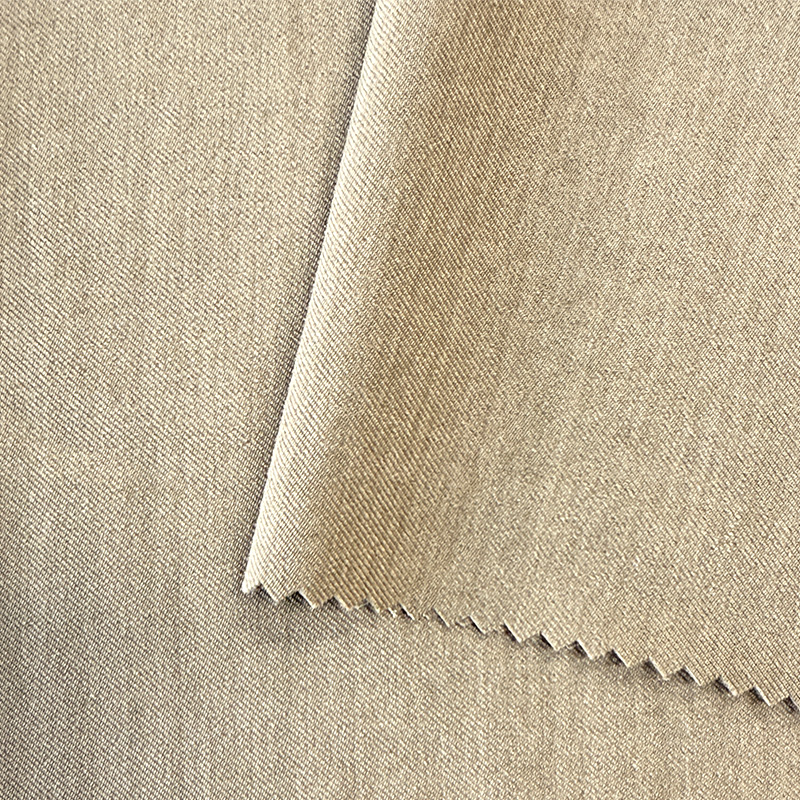
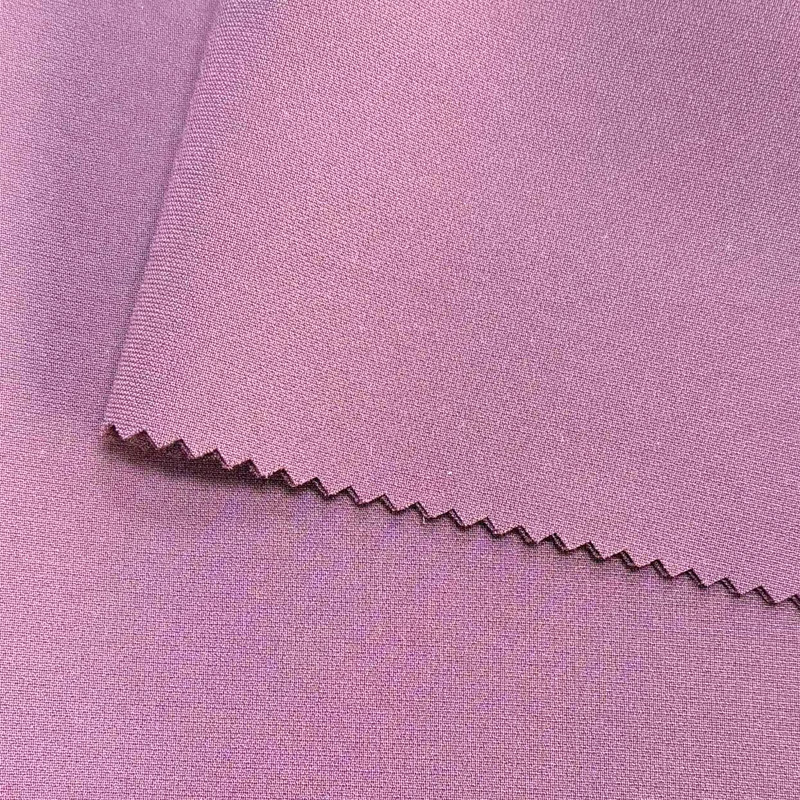
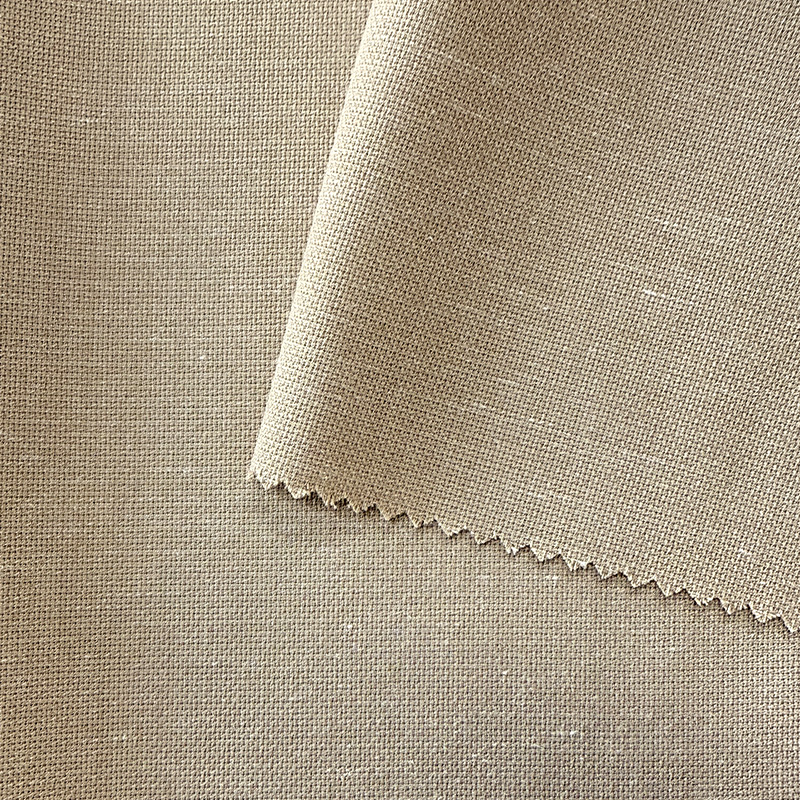
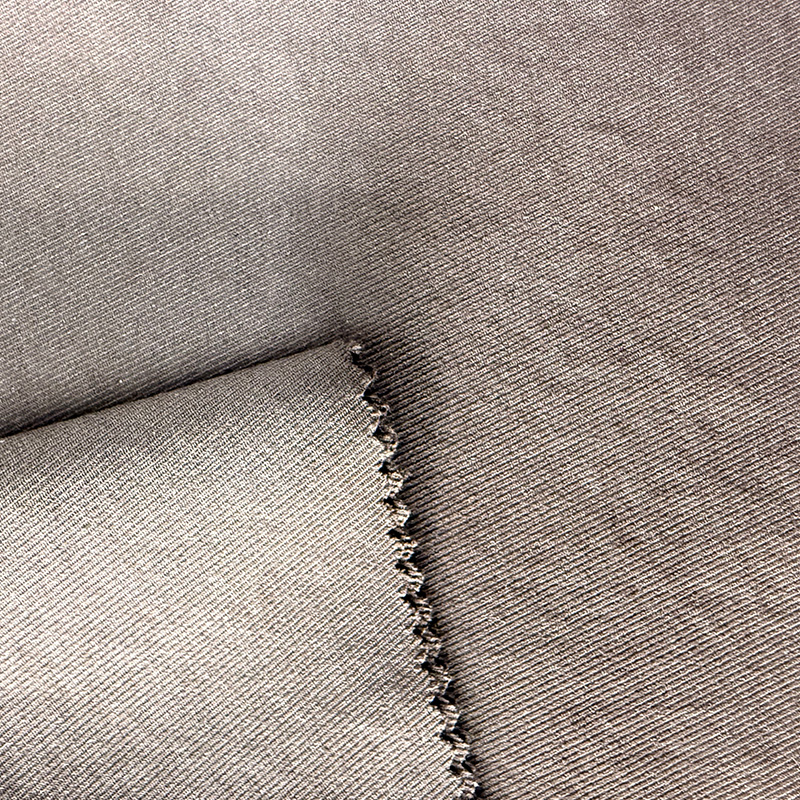
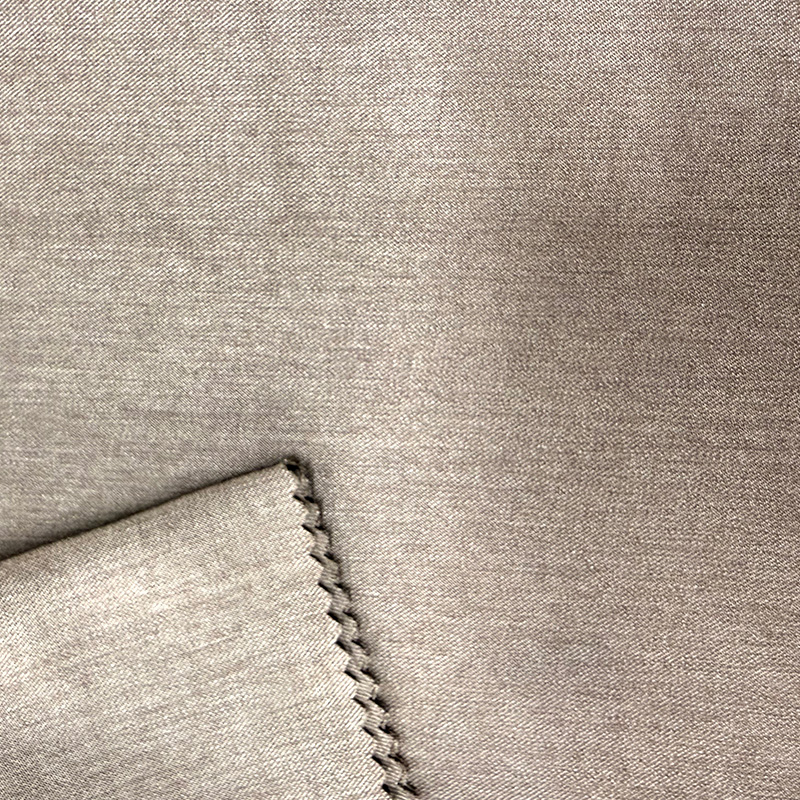
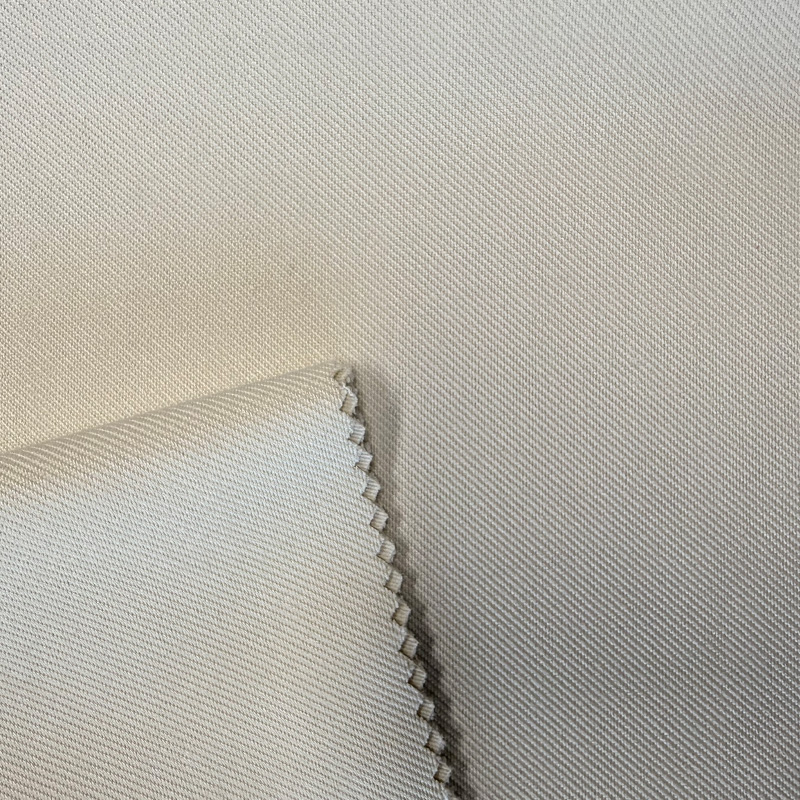
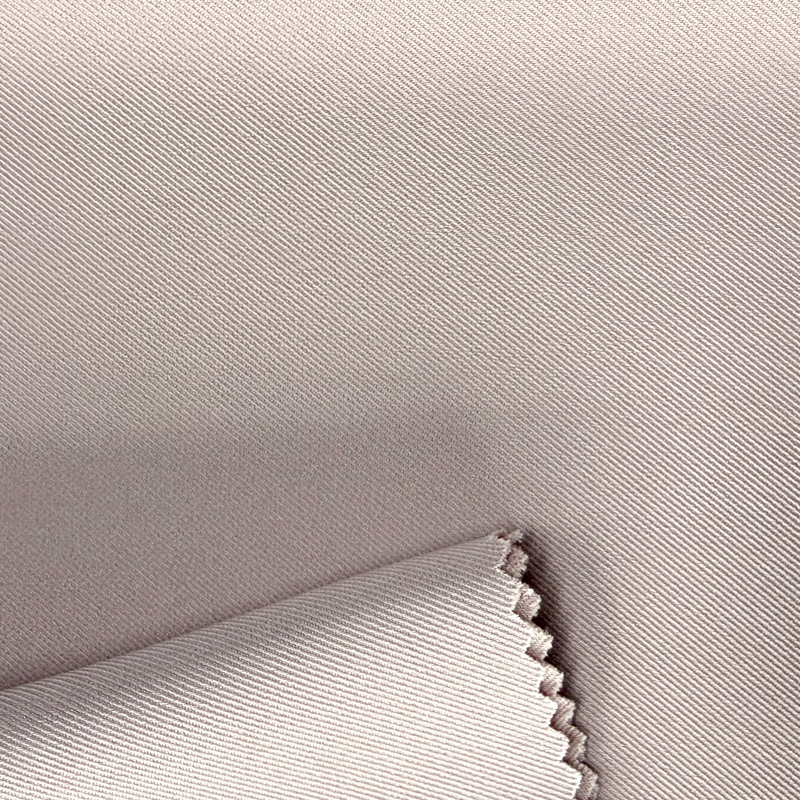
NO 6033 100% Polyester Cationic Linen-like Fabric
100%T 58"60" 160GSM
This 100% polyester cationic linen-like fabric features clear faux linen bamboo yarn textures ...

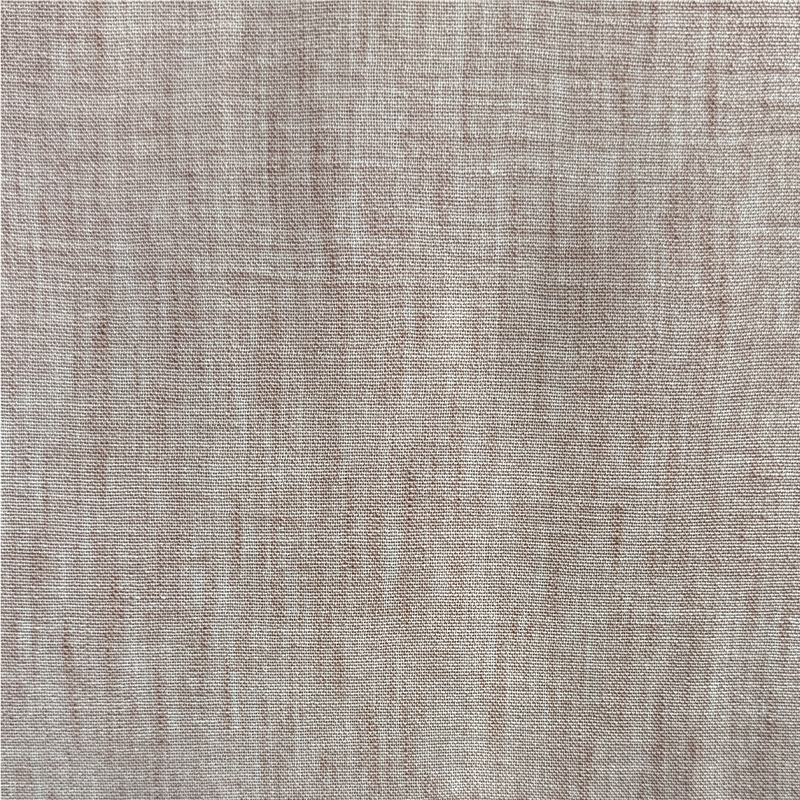
A sample swatch lands on your desk, you turn it over, and on the back you see short tufts of yarn arching over the base weave like tiny caterpillars. That is the moment most buyers first meet chenille fabric, and it is also the moment they usually ask the same question: what exactly is this materia...
READ MOREWhy Linen Cotton Blend Fabric Is a Sourcing Staple When a product developer in Dhaka or Istanbul asks for a fabric that sits between rustic linen and crisp cotton, an experienced mill will usually answer with the same recommendation: specify a linen cotton blend fabric. The combination of flax and ...
READ MORELinen fabric for apparel has a reputation problem. Ask ten buyers what they expect from it, and nine will describe a soft, breathable material that feels cool against the skin and improves with every wash. Then ask them what the first supplier actually delivered, and the answer is often different: ...
READ MOREPSF fabric (Polyester Staple Fiber fabric) refers to textiles made from short, discrete lengths of polyester fiber — typically 32-51 mm long — that are spun into yarn then woven or knitted into fabric. Unlike continuous filament fiber (which produces smooth, lustrous fabrics), staple fiber textile mimics the texture and breathability of natural fibers like cotton. The global polyester staple fiber market exceeded 18 million metric tons in 2024, accounting for approximately 35% of total polyester fiber consumption. PSF fabric for garment production is valued for its cotton-like hand feel, excellent moisture absorption (0.4% regain, comparable to cotton's 8-10% when considering liquid moisture transport), and superior cost-effectiveness. This data-driven guide explains how staple fiber textile is manufactured, compares PSF with filament fabrics, and provides selection criteria for PSF fabric manufacturer and staple fiber textile supplier sourcing.
Shaoxing Echoes Textile Co., Ltd. — Echoes is a full-category import and export fabric company that integrates R&D, production, and sales. With years of deep expertise in the textile industry, the company leverages its two core production bases — an 80-acre specialized greige fabric factory and an 80-acre modern cotton yarn factory — to achieve full industrial chain control from raw materials to finished products. Backed by strong production capabilities, consistent quality assurance, and a mature supply chain system, Echoes focuses on textile import and export operations, offering a wide range of products, including various cotton yarns, greige fabrics, and related textile products, which are exported to numerous regions worldwide. Supported by a professional international trade service team, we precisely align with customer needs, deliver efficient order fulfillment, provide customized solutions, and ensure comprehensive after-sales service. As a leading PSF fabric manufacturer and staple fiber textile supplier, Echoes provides high quality PSF fabric, durable staple fiber textile, and recycled staple fiber textile for the apparel, home textile, and industrial sectors.
PSF fabric (Polyester Staple Fiber fabric) is manufactured from short polyester fibers (staple length typically 32-51 mm) that are spun into yarn before fabric formation. This contrasts with filament fiber (continuous length). The staple fiber textile production process involves: (1) extrusion of polyester filaments, (2) cutting into precise staple lengths (denier: 1.2-15.0, depending on application), (3) carding and drawing to align fibers, (4) spinning into yarn (ring-spun or open-end), and (5) weaving or knitting. The short fiber structure creates a fabric with higher surface area, resulting in better moisture management and a softer, more natural hand feel than filament fabrics. The horizontal bar chart below compares key properties of PSF fabric vs. filament polyester.
Figure 1: PSF fabric vs. filament polyester fabric property comparison — PSF fabric significantly outperforms filament polyester in softness/hand feel (92 vs 55) and breathability (88 vs 58), making it the preferred choice for apparel applications requiring next-to-skin comfort. The staple fiber structure creates micro-air pockets between fibers, enhancing moisture vapor transmission (MVTR of breathable staple fiber textile typically 9,000-10,500 g/m²/24h vs 4,500-6,000 for filament). However, filament polyester excels in pilling resistance (88 vs 68) and tensile strength (92 vs 72). For PSF fabric for garment production, the lower tensile strength (3.5-4.5 cN/tex vs 5.5-7.5 for filament) means fabrics are less durable for high-abrasion applications but more comfortable. The staple fiber surface also improves dye uptake: high quality PSF fabric achieves color fastness grades of 4-5 (ISO scale) with disperse dyes, comparable to filament. For PSF fabric wholesale buyers, understanding these trade-offs is essential: choose PSF for apparel, bedding, and applications where softness and breathability are priorities; choose filament for technical textiles, outdoor gear, and high-durability uses. Polyester staple fiber for fabric making is available in various deniers: 1.2-1.5 denier for fine apparel (cotton-like), 3-6 denier for home textiles, and 10-15 denier for industrial nonwovens.
The terms PSF fabric and staple fiber textile are closely related but not identical. Staple fiber textile is the broader category encompassing any fabric made from short fibers (natural or synthetic), while PSF fabric specifically refers to polyester staple fiber textiles. The manufacturing process involves multiple steps: (1) polyester staple fiber production via melt spinning and cutting, (2) carding to parallelize fibers, (3) drawing to align and reduce sliver thickness, (4) spinning into yarn (ring-spun for finer counts, open-end for coarser), and (5) fabric formation (weaving or knitting). The column chart below shows the production volume distribution of PSF across different sectors.
Figure 2: PSF fabric consumption by sector — Apparel represents the largest market for PSF fabric for garment production at 8.2 million metric tons (42% share), valued for its cotton-like aesthetics and lower cost than natural fibers. Home textiles (bedding, curtains, upholstery) account for 5.4 million tons (28%), while PSF fabric for nonwoven fabric applications (hygiene, filtration, wipes) consume 3.3 million tons (17%) and represent the fastest-growing segment at 7.2% CAGR. Industrial textiles (geotextiles, tarpaulins, conveyor belts) use 1.8 million tons (9%). For staple fiber textile for apparel industry, the shift toward blended fabrics (65% polyester/35% cotton or 50/50) has increased PSF consumption, as blends offer wrinkle resistance and durability with improved comfort. Recycled staple fiber textile from post-consumer PET bottles now accounts for 15-20% of PSF production in advanced markets, with GRS-certified products achieving comparable quality to virgin PSF (tenacity retention 92-95%). When evaluating a staple fiber textile supplier, consider their ability to provide consistent denier and length specifications (tolerance: denier ±3%, length ±2 mm). For PSF textile material supplier selection, request fiber test reports including: tenacity (ASTM D3822), elongation at break, crimp count, and thermal shrinkage.
Understanding the difference between PSF fabric and staple fiber (compared to filament) is essential for material selection. The radar chart below provides a comprehensive comparison across seven key performance criteria, helping manufacturers decide which is better PSF fabric or filament fiber for specific applications.
Figure 3: Radar comparison of PSF fabric vs. polyester filament fabric — PSF fabric excels in softness (148), breathability (150), and cost efficiency (155), making it the preferred choice for apparel, bedding, and applications where comfort and affordability are priorities. Filament polyester outperforms PSF in tensile strength (148 vs 118), pilling resistance (145 vs 110), and durability (140 vs 120). For high quality PSF fabric used in garment manufacturing, the staple structure provides superior moisture management (MVTR 9,000-10,500 vs 4,500-6,000 g/m²/24h) and a natural hand feel. However, filament's higher strength and pilling resistance make it suitable for activewear, outdoor gear, and technical textiles. Strong polyester staple fiber fabric can be achieved through higher denier fibers (6-10 denier) and tighter yarn twists, improving tensile strength to 4.5-5.0 cN/tex — approaching filament performance while retaining staple benefits. For soft PSF fabric for clothing, finer denier (1.2-1.5) and ring-spun yarns provide optimal comfort. The cost effective PSF textile material advantage (typically 15-25% lower than filament for equivalent weight) drives widespread adoption in price-sensitive segments. When following a PSF fabric buying guide for manufacturers, consider the end-use: apparel → PSF; technical textiles → filament; blended → PSF for comfort with filament for durability.
The demand for eco friendly PSF fiber material and recycled staple fiber textile has grown significantly, with global recycled PSF production reaching 2.8 million metric tons in 2024. Recycled PSF is produced from post-consumer PET bottles (rPET) or post-industrial polyester waste, reducing carbon footprint by 40-60% compared to virgin PSF. The line chart below shows the adoption trajectory of recycled PSF and its quality parity with virgin material.
Figure 4: Recycled PSF fabric market share and quality trends — Recycled staple fiber textile market share has grown from 8% in 2020 to 16% in 2024, projected to reach 30% by 2030. Quality parity has improved significantly: recycled PSF tenacity retention has increased from 85% of virgin in 2020 to 92% in 2024, with projections reaching 96% by 2030. Recycled staple fiber textile from mechanical recycling processes achieves these levels, while chemical recycling (depolymerization) delivers 98-100% tenacity retention but at higher cost. For PSF fabric manufacturer offering eco-friendly options, GRS (Global Recycle Standard) certification ensures chain-of-custody for recycled content claims. High quality PSF fabric made from recycled fibers is now available for apparel, home textiles, and nonwoven applications, with color consistency (ΔE < 0.8) matching virgin material. When sourcing from a staple fiber textile supplier, inquire about recycled PSF availability and certification. The carbon footprint reduction for recycled PSF is substantial: 2.5-3.0 kg CO₂e per kg vs 5.5-6.5 for virgin PSF, representing a 50-55% reduction. For brands with sustainability targets, recycled staple fiber textile is a preferred material for PSF fabric for garment production, staple fiber textile for clothing, and PSF fabric for home textile products.
PSF fabric (Polyester Staple Fiber fabric) is a subset of staple fiber textile. Staple fiber textile is the broader category encompassing any fabric made from short fibers — natural (cotton, wool, linen) or synthetic (polyester, nylon, polypropylene). PSF fabric specifically refers to textiles made from polyester staple fibers. When comparing PSF fabric vs staple fiber textile of other compositions, PSF offers advantages in durability, wrinkle resistance, and cost compared to cotton staple textiles.
To select the best PSF fabric for garment manufacturing, consider: (1) fiber denier — 1.2-1.5 for soft apparel, 3-6 for outerwear, (2) spinning method — ring-spun for finer, softer yarns; open-end for coarser, more economical yarns, (3) fabric weight — 100-160 gsm for shirts/blouses, 160-250 for pants/jackets, (4) finish — optical brighteners for whites, wicking finishes for activewear. A reliable PSF fabric supplier will provide samples and test data.
Yes, PSF fabric for nonwoven fabric is a major application. Polyester staple fiber is used in spunlace, needle-punched, and thermal-bonded nonwovens for wipes, filtration media, hygiene products (diapers, sanitary napkins), and geotextiles. Fiber denier ranges from 1.5 to 15.0 depending on end-use: 1.5-2.0 for soft wipes and hygiene, 3-6 for filtration, 10-15 for geotextiles and industrial nonwovens.
While avoiding specific pricing, cost effective PSF textile material is generally 15-25% more economical than filament polyester of equivalent weight, due to lower processing energy requirements (melt spinning for PSF is less energy-intensive than filament drawing). For PSF fabric wholesale purchases, larger order volumes (20+ metric tons per SKU) typically achieve better unit economics. For how to choose staple fiber textile supplier, compare total landed cost including shipping, duties, and testing fees.
When searching for a PSF fabric manufacturer or staple fiber textile supplier, prioritize suppliers with integrated production (from polymer to fabric), quality certifications (OEKO-TEX, GRS, ISO), and proven export experience. Request factory audits, test reports, and customer references. Shaoxing Echoes Textile Co., Ltd. is a vertically integrated PSF fabric supplier and polyester staple fiber supplier serving global markets with consistent quality.
As a vertically integrated PSF fabric manufacturer and staple fiber textile supplier, Shaoxing Echoes Textile Co., Ltd. offers comprehensive solutions for PSF fabric for garment production, staple fiber textile for clothing, PSF fabric for nonwoven fabric, and PSF fabric for home textile products. Whether you require high quality PSF fabric, durable staple fiber textile, eco friendly PSF fiber material, or recycled staple fiber textile, Echoes provides certified quality, full traceability, and competitive solutions. Follow this PSF fabric buying guide for manufacturers and partner with a trusted polyester staple fiber supplier for your textile needs.
If you have any questions, please get in touch with us.