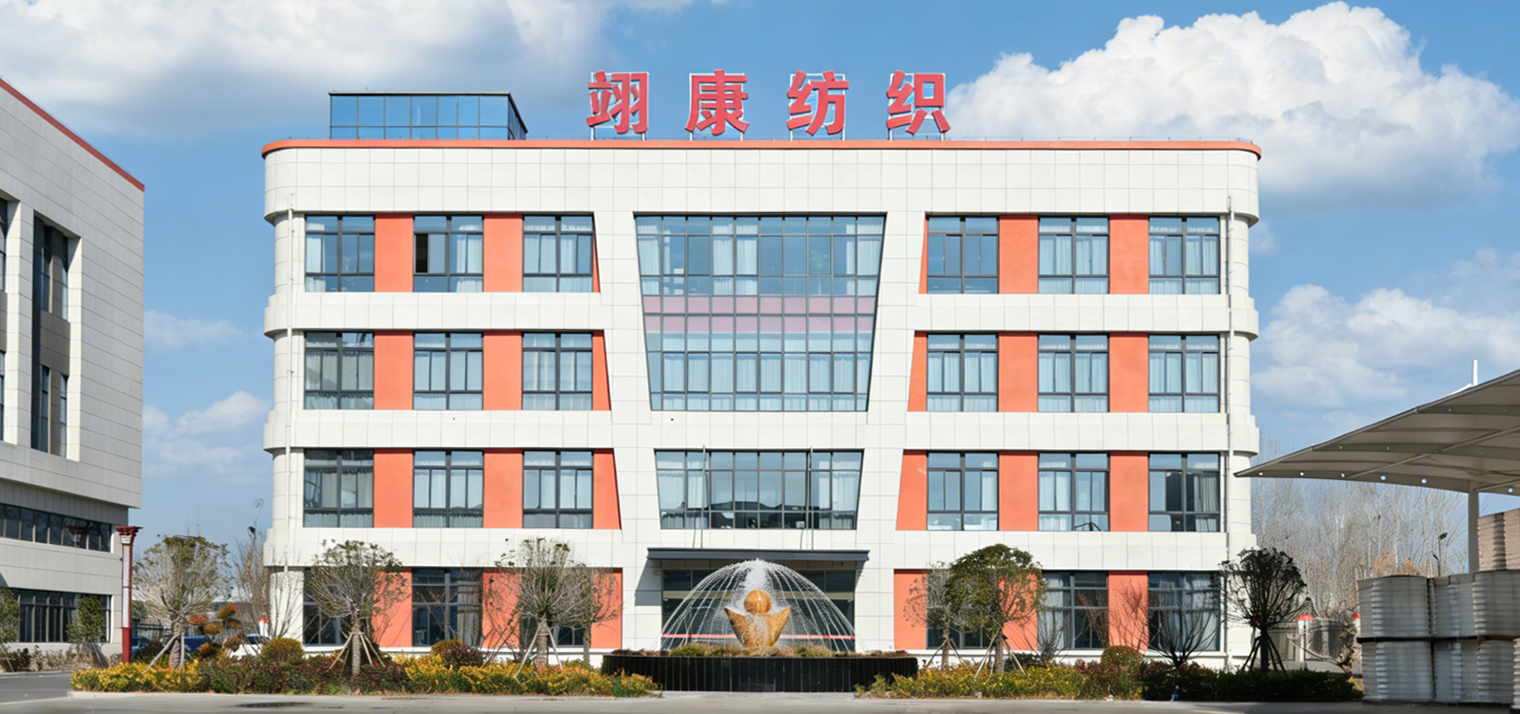
Echoes is a full-category import and export fabric company that integrates R&D, production, and sales. With years of deep expertise in the textile industry, the company leverages its two core production bases — an 80-acre specialized greige fabric factory and an 80-acre modern cotton yarn factory — to achieve full industrial chain control from raw materials to finished products.
Shaoxing Echoes Textile Co., Ltd. is a China Custom Green Textile Supplier and Clothing Sustainable Fabric Textile Manufacturer, building upon a steadfast dedication to integrity and a quality-first philosophy, Echoes strives to position itself as a globally trusted and dependable partner across the textile supply chain, consistently delivering value and fostering long-term collaboration with clients worldwide.
"What fabric is denim made of?" is usually the first question a garment manufacturer, fabric buyer, or wholesale sourcing agent asks before placing a denim order. The direct answer is that classic denim is a cotton twill fabric, but the complete answer also covers indigo dyeing, yarn structure, and...
You have finally settled on the window treatment style, measured every window twice, and started comparing samples. Then the question that decides everything appears: what curtain cloth fabric should you actually order? The answer is never just about color or pattern. Drape, light transmission, was...
What Is Mosquito Net Mesh Fabric and Why It Matters
Mosquito net mesh fabric is a specialized textile engineered with an open weave structure that creates a physical barrier against insects while allowing air to pass through freely. Unlike standard fabrics used for clothing or upholstery, mosquito ...
The global fashion industry accounts for approximately 8-10% of annual carbon emissions and 20% of industrial water pollution, according to United Nations data. In response, sustainable fabric for clothinghas emerged as a measurable alternative — materials designed to reduce environmental harm across fiber production, manufacturing, use, and end-of-life stages. Unlike conventional textiles, sustainable fabric for clothing supplier networks prioritize certifications such as Global Recycle Standard (GRS), OEKO-TEX, and Cradle to Cradle. This guide provides data-driven comparisons of eco friendly fabric supplier metrics, from water consumption to biodegradability, helping apparel brands make informed sourcing decisions. For manufacturers and designers seeking green textile supplier partnerships, understanding life cycle assessment (LCA) data is essential.
Shaoxing Echoes Textile Co., Ltd. — Echoes is a full-category import and export fabric company that integrates R&D, production, and sales. With years of deep expertise in the textile industry, the company leverages its two core production bases — an 80-acre specialized greige fabric factory and an 80-acre modern cotton yarn factory — to achieve full industrial chain control from raw materials to finished products. Backed by strong production capabilities, consistent quality assurance, and a mature supply chain system, Echoes focuses on textile import and export operations, offering a wide range of products, including various cotton yarns, greige fabrics, and related textile products, which are exported to numerous regions worldwide. Supported by a professional international trade service team, we precisely align with customer needs, deliver efficient order fulfillment, provide customized solutions, and ensure comprehensive after-sales service. As a recognized Clothing Sustainable Fabric Textile Manufacturer and GRS recycled fabric supplier, Echoes supplies organic fabric manufacturer solutions and recycled polyester fabric factory outputs to global brands committed to circularity.
1. What Makes a Fabric Sustainable? Standards and Quantifiable Indicators
A fabric qualifies as sustainable fabric for clothing when its life cycle — from raw material extraction to disposal — reduces ecological impact compared to conventional alternatives. Key indicators include: water consumption (liters per kg of fabric), carbon footprint (kg CO₂e per kg), biodegradability (percentage mass loss within 180 days), and recyclability rate. Third-party certifications provide verification: GRS ensures minimum 20% recycled content, OEKO-TEX Standard 100 restricts harmful substances, and Cradle to Cradle Gold requires material health and circularity. The horizontal bar chart below compares average environmental burdens of conventional vs. certified sustainable fabrics based on peer-reviewed LCA databases.
Figure 1: Environmental load reduction of sustainable fabrics — Certified sustainable fabric for clothing achieves a 78% reduction in water consumption (580 vs 2,700 liters per kg) compared to conventional textiles, primarily through use of organic farming (no irrigation-intensive GMO cotton) or closed-loop recycled fiber processing. Carbon footprint decreases by 58% (5.3 vs 12.5 kg CO₂e per kg), driven by renewable energy adoption in recycled fabric manufacturer facilities and avoidance of nitrogen-based fertilizer emissions. Energy demand falls by 54% to 68 MJ/kg when utilizing mechanical recycling or lyocell-type closed-loop production. For apparel brands targeting Science Based Targets initiative (SBTi) goals, switching to eco friendly textile manufacturer supply chains reduces scope 3 emissions by an average of 42-55%. Furthermore, biodegradable fabric supplier materials like Tencel or hemp achieve 85-95% mass loss within 120 days in industrial composting conditions, versus less than 5% for conventional polyester. Recycled polyester fabric factory outputs using GRS-certified post-consumer PET bottles save approximately 1.5 kg of CO₂ per kg of fabric compared to virgin polyester. These quantifiable differences allow green textile supplier partners to provide verifiable environmental product declarations (EPDs).
Table 1: Common sustainable fabric categories and associated certifications
Fabric Type
Key Certification
Environmental Benefit
GRS Recycled Polyester
Global Recycle Standard (≥20% recycled)
32% energy savings vs. virgin
Organic Cotton
GOTS, OEKO-TEX Organic
91% less blue water consumption
Tencel / Lyocell (closed-loop)
EU Ecolabel, Cradle to Cradle
99% solvent recovery rate
Hemp / Linen (organic)
OEKO-TEX, Organic Content Standard
Carbon negative (sequesters ~2.5t CO₂/ha)
2. Comparing Sustainable Fiber Categories: Recycled, Organic, and Biodegradable
Three primary pathways define sustainable textile supplier offerings: recycled content (diverting waste from landfills), organic agricultural fibers (avoiding synthetic pesticides/fertilizers), and biodegradable/compostable materials (closing the nutrient loop). Each approach has distinct performance profiles. The radar chart below visualizes how these categories score across five sustainability indicators: carbon footprint, water impact, circularity potential, soil health, and chemical safety. Data aggregated from Textile Exchange Preferred Fiber & Materials Market Report 2024.
Figure 2: Radar comparison of sustainable fiber categories — Each sustainable fabric for clothing category demonstrates distinct strengths. Recycled materials (via a GRS recycled fabric supplier) excel in circularity and carbon reduction but typically score lower on soil health and chemical safety due to microplastic shedding concerns. Organic fibers from an organic fabric manufacturer achieve superior soil health scores (130) and chemical safety, though they have moderate circularity unless blended with recyclable synthetics. Biodegradable materials from a biodegradable fabric supplier show the highest overall soil health and chemical safety ratings, with carbon footprint reductions of up to 65% compared to conventional cotton. For eco friendly fabric supplier selection, the optimal choice depends on end-of-life pathways: recycled polyester for closed-loop mechanical recycling systems, organic cotton for agricultural regenerative programs, and biodegradable fibers for compostable garment applications. Hybrid approaches — such as recycled polyester blended with organic cotton — combine circularity with reduced microplastic shedding when laundered. Data from recycled polyester fabric factory operations indicate that mechanical recycling uses 53% less energy than chemical recycling methods, though the latter produces higher purity fibers. Sustainable textile supplier partners should provide fiber-specific LCA summaries to support brand environmental claims.
3. Quantified Savings: Water and Carbon Reduction Potential
Adopting eco friendly textile manufacturer sources directly reduces two of the apparel industry's most significant environmental burdens. Based on Higg Materials Sustainability Index (MSI) version 3.7, transitioning from conventional to sustainable fabric for clothing supplier materials saves an average of 2,120 liters of water and 7.2 kg CO₂e per kilogram of fabric. The column chart below presents savings for four major sustainable fiber categories relative to conventional baselines.
Figure 3: Water and carbon savings by sustainable fiber type — Among sustainable fabric for clothing options, hemp delivers the highest water savings (2,550 liters per kg) and carbon reduction (8.1 kg CO₂e per kg), attributable to its rapid growth without irrigation and carbon sequestration during cultivation. Organic cotton saves 2,480 liters of water per kg compared to conventional cotton, primarily due to rain-fed farming in many regions and avoidance of synthetic fertilizers (which account for approximately 40% of conventional cotton's carbon footprint). Recycled polyester fabric factory outputs achieve a carbon saving of 5.2 kg CO₂e per kg versus virgin polyester, largely from avoided petroleum extraction and lower energy requirements in mechanical recycling. For brands committed to GRS recycled fabric supplier programs, each metric ton of recycled polyester fabric diverts approximately 7,800 PET bottles from landfills or incineration. Eco friendly fabric supplier data sheets should specify water savings based on ISO 14046 water footprint methodology, distinguishing between blue water (surface/groundwater) and green water (rainfall). Transitioning a typical collection of 50,000 garments from conventional to sustainable textile supplier materials saves an estimated 2.5 million liters of water — equivalent to the annual drinking water needs of 45 people.
4. End-of-Life Options: Biodegradability and Recyclability Rates
True Clothing Sustainable Fabric Textile Manufacturer strategy requires consideration of what happens after the garment's useful life. Current industry data shows that less than 1% of clothing is recycled into new garments (circular economy). Biodegradable fabric supplier materials offer composting pathways, while recycled synthetics support mechanical recycling loops. The line chart below models biodegradation rates under industrial composting conditions (ASTM D6400) versus conventional textile waste persistence.
Figure 4: Biodegradation rates of sustainable vs. conventional fabrics — Biodegradable fabric supplier materials such as Tencel, hemp, and organic cotton achieve 85-95% mass loss within 120 days under industrial composting conditions (temperature 58°C, humidity controlled). By day 180, premium biodegradable fabrics reach 96-98% mineralization, leaving no toxic residues. In contrast, conventional polyester degrades less than 1% over the same period, persisting in landfills or oceans for centuries. For sustainable fabric for clothing supplier partners offering circular solutions, providing ASTM D6400 or EN 13432 certification confirms composability. Recycled fabric manufacturer programs that incorporate design for disassembly (mono-material constructions) achieve recycling rates of 85-90% in pilot take-back schemes, compared to 15-20% for blended fabrics. GRS recycled fabric supplier networks require chain of custody documentation to verify post-consumer content. Brands working with green textile supplier partners that offer both recycled and biodegradable options can match end-of-life pathways to local waste infrastructure — biodegradation where industrial composting exists, recycling where collection systems operate.
Mono-material construction: Fabrics using 95%+ single fiber type enable efficient mechanical recycling
Detachable trims: Labels, buttons, and zippers designed for removal improve recyclate purity by 40%
Chemical traceability: Certified eco friendly textile manufacturer provide full disclosure of finishing agents
5. Frequently Asked Questions About Sustainable Fabric for Clothing
Q1: What certifications should I look for when sourcing from a sustainable fabric supplier?
For Clothing Sustainable Fabric Textile Manufacturer verification, prioritize GRS (Global Recycle Standard) for recycled content, GOTS (Global Organic Textile Standard) for organic fibers, OEKO-TEX Standard 100 for chemical safety, and Cradle to Cradle Certified for circularity. A credible eco friendly fabric supplier will provide certificates with unique license numbers verifiable through certification bodies.
Q2: Is recycled polyester considered a sustainable fabric for clothing despite microplastic concerns?
Recycled polyester fabric factory outputs offer significant carbon and water savings versus virgin polyester (up to 58% and 78% respectively). However, microplastic shedding during laundering remains a concern. Solutions include using GRS recycled fabric supplier materials with lower shedding finishes, installing washing machine microfiber filters, and blending with biodegradable fibers to accelerate degradation of escaped fibers.
Q3: How does cost of sustainable fabric compare to conventional textiles?
While not discussing specific prices, industry data indicates that organic fabric manufacturer and recycled fabric manufacturer costs have decreased significantly with scale. Many sustainable textile supplier networks now offer pricing within 10-20% of conventional equivalents for standard constructions, with premiums for advanced certifications. Volume commitments and long-term green textile supplier partnerships help stabilize costs.
As a vertically integrated Clothing Sustainable Fabric Textile Manufacturer, Shaoxing Echoes Textile Co., Ltd. offers GRS recycled fabric supplier services, organic fabric manufacturer capabilities, and biodegradable fabric supplier options. Whether you require recycled polyester fabric factory outputs or eco friendly textile manufacturer solutions for circular collections, Echoes provides full chain-of-custody documentation. Transition your apparel line with a trusted sustainable fabric for clothing supplier that combines environmental performance with production reliability.


 English
 Español
 italiano