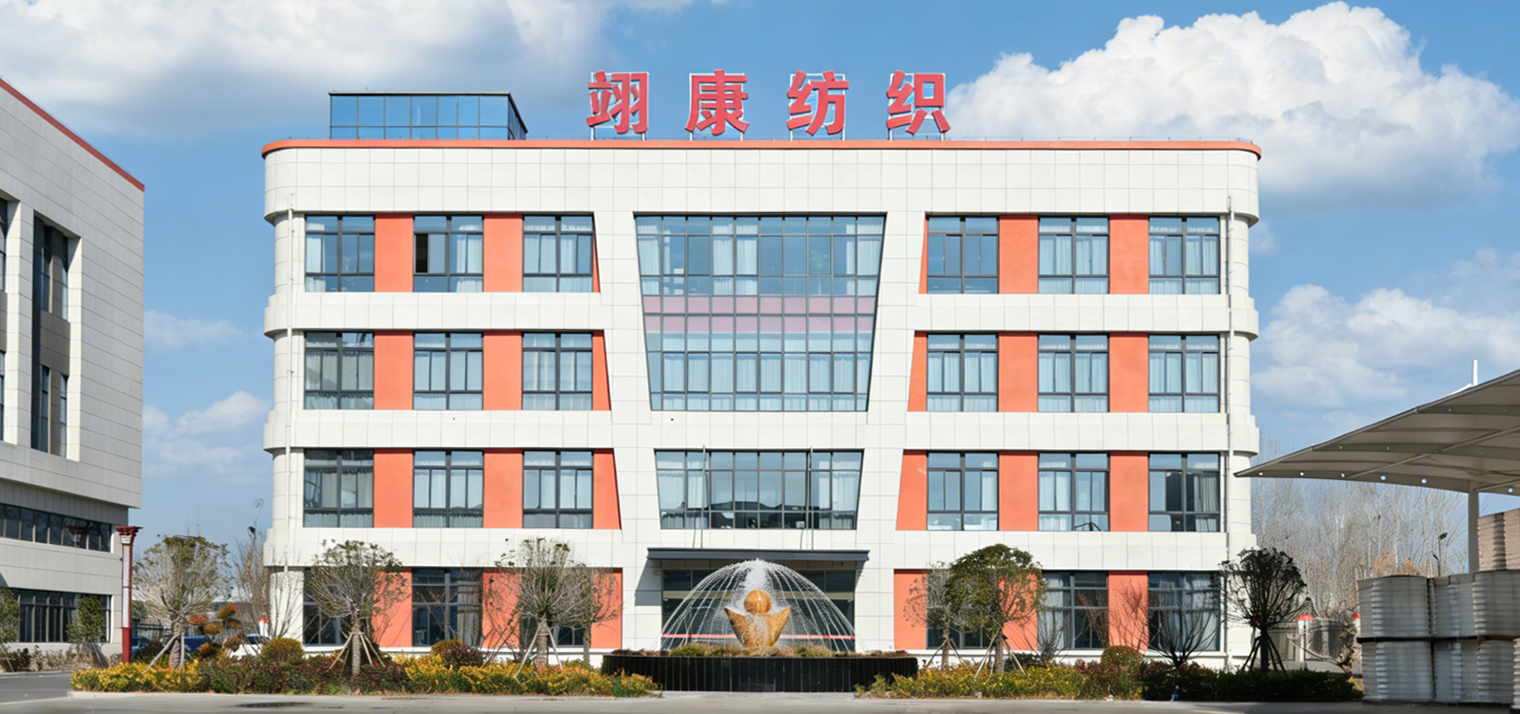
Echoes is a full-category import and export fabric company that integrates R&D, production, and sales. With years of deep expertise in the textile industry, the company leverages its two core production bases — an 80-acre specialized greige fabric factory and an 80-acre modern cotton yarn factory — to achieve full industrial chain control from raw materials to finished products.
Shaoxing Echoes Textile Co., Ltd. is a China Wholesale Nylon Monofilament Factory and Nylon Monofilament Manufacturer, building upon a steadfast dedication to integrity and a quality-first philosophy, Echoes strives to position itself as a globally trusted and dependable partner across the textile supply chain, consistently delivering value and fostering long-term collaboration with clients worldwide.
A sample swatch lands on your desk, you turn it over, and on the back you see short tufts of yarn arching over the base weave like tiny caterpillars. That is the moment most buyers first meet chenille fabric, and it is also the moment they usually ask the same question: what exactly is this materia...
Why Linen Cotton Blend Fabric Is a Sourcing Staple
When a product developer in Dhaka or Istanbul asks for a fabric that sits between rustic linen and crisp cotton, an experienced mill will usually answer with the same recommendation: specify a linen cotton blend fabric. The combination of flax and ...
Linen fabric for apparel has a reputation problem. Ask ten buyers what they expect from it, and nine will describe a soft, breathable material that feels cool against the skin and improves with every wash. Then ask them what the first supplier actually delivered, and the answer is often different: ...
Why Is Nylon Monofilament Used in Industrial Textiles?
Nylon monofilamentis a single continuous filament extruded from nylon polymer (polyamide 6 or 66), characterized by its high tensile strength (5.5-7.5 cN/tex), excellent abrasion resistance (100,000+ Martindale cycles), and chemical stability. Unlike multifilament yarns (composed of many fine fibers twisted together), monofilament yarn has a smooth, uniform surface, consistent diameter, and high rigidity, making it ideal for industrial applications requiring precision and durability. The global industrial yarn market reached $28 billion in 2024, with nylon monofilament accounting for 25% of consumption, driven by demand for nylon monofilament for fishing nets, nylon monofilament for filter mesh, and brush bristles. This data-driven guide compares nylon monofilament vs multifilament and nylon monofilament vs polyester monofilament, explaining key applications and selection criteria for buyers seeking a reliable nylon monofilament supplier.
Shaoxing Echoes Textile Co., Ltd. — Echoes is a full-category import and export fabric company that integrates R&D, production, and sales. With years of deep expertise in the textile industry, the company leverages its two core production bases — an 80-acre specialized greige fabric factory and an 80-acre modern cotton yarn factory — to achieve full industrial chain control from raw materials to finished products. Backed by strong production capabilities, consistent quality assurance, and a mature supply chain system, Echoes focuses on textile import and export operations, offering a wide range of products, including various cotton yarns, greige fabrics, and related textile products, which are exported to numerous regions worldwide. Supported by a professional international trade service team, we precisely align with customer needs, deliver efficient order fulfillment, provide customized solutions, and ensure comprehensive after-sales service. As a leading nylon monofilament manufacturer and nylon monofilament supplier, Echoes produces high strength nylon monofilament for fishing nets, filter mesh, screen printing, brush bristles, and industrial applications, available through nylon monofilament wholesale channels.
1. What Is Nylon Monofilament? Key Properties and Manufacturing
What is nylon monofilament? It is a single, continuous extruded strand of nylon polymer (polyamide) with diameter ranging from 0.05 mm to 5.0 mm, produced by melting nylon chips (PA6 or PA66 at 260-280°C) and extruding through spinnerets with single-hole or multi-hole dies (one hole per filament). Unlike multifilament yarns (which consist of 10-200 fine fibers twisted together), monofilament yarn has no internal twist, resulting in a smooth, stiff, and uniform structure. Key properties include: tensile strength 5.5-7.5 cN/tex, elongation 15-25%, melting point 215-220°C (PA6) or 250-260°C (PA66), and excellent abrasion resistance. The horizontal bar chart below compares nylon monofilament properties with polyester monofilament and multifilament alternatives.
Figure 1: Performance comparison of nylon monofilament vs. alternatives — Nylon monofilament excels in tensile strength (92), abrasion resistance (95), and rigidity (90), outperforming polyester monofilament and multifilament yarns. The smooth, uniform surface of monofilament provides consistent diameter (±1-2% tolerance) essential for precision applications like screen printing mesh and filter fabrics. Unlike multifilament (which has high surface area and can trap particles), nylon filament is non-porous and easy to clean, making it ideal for food-grade filtration. Abrasion resistance of nylon monofilament (95) is critical for fishing nets, which experience constant friction against rocks, debris, and boat surfaces — nylon retains 90-95% of tensile strength after 500 hours of simulated abrasion testing. For nylon monofilament for industrial use, the polymer type matters: PA66 (nylon 6,6) offers higher melting point (250-260°C) and better heat resistance than PA6 (215-220°C), suitable for applications requiring hot air or steam exposure. When evaluating a nylon monofilament supplier, request diameter tolerance data (critical for nylon monofilament for screen printing mesh) and tensile test reports (ASTM D2256). High strength nylon monofilament (6.5-7.5 cN/tex) is used for heavy-duty fishing nets and industrial conveyor belts; standard grade (5.5-6.5 cN/tex) suits filter mesh and brush bristles.
Table 1: Nylon monofilament specifications by industrial application
Application
Diameter Range (mm)
Tensile Strength (cN/tex)
Key Requirement
Fishing Nets (monofilament)
0.10-1.00 mm
6.0-7.5 cN/tex
UV resistance, knot strength, abrasion
Filter Mesh / Screen Printing
0.03-0.50 mm
5.5-6.5 cN/tex
Diameter uniformity, chemical resistance
Brush Bristles (industrial brushes)
0.20-2.00 mm
5.0-6.5 cN/tex
Stiffness, fatigue resistance, abrasion
Industrial Conveyor Belts
0.30-2.50 mm
6.5-8.0 cN/tex
High tensile, low elongation, heat resistance
2. Nylon Monofilament vs Multifilament – Structural and Performance Differences
Monofilament vs multifilament yarn comparison: monofilament consists of a single, solid strand; multifilament comprises multiple fine fibers (10-200) twisted together. For industrial textiles, monofilament offers higher rigidity, smoother surface, and better abrasion resistance. Multifilament provides higher flexibility, better knot strength (fiber-to-fiber friction), and lower stiffness. The radar chart below compares nylon monofilament and multifilament across six criteria relevant to industrial applications.
Figure 2: Monofilament vs. multifilament performance comparison — Nylon monofilament scores higher in rigidity/stiffness (150 vs 115), abrasion resistance (145 vs 118), and surface smoothness (148 vs 110), making it the preferred choice for applications requiring a clean, non-porous surface (filter mesh, screen printing) and high wear resistance (fishing nets, brush bristles). Multifilament excels in knot strength (155 vs 130) and flexibility (152 vs 120) due to fiber-to-fiber friction and lower bending modulus. For nylon monofilament for fishing nets, the trade-off is accepted: monofilament nets have higher visibility (clear nylon) and lower drag in water, while multifilament nets offer better knot retention. For nylon monofilament for filter mesh, the smooth surface prevents particle adhesion and facilitates cleaning — critical for food and pharmaceutical filtration. For industrial nylon monofilament yarn supplier evaluation, request diameter uniformity data (tolerance ±1-2% typical for premium grade). High tensile nylon monofilament yarn (7.0-8.0 cN/tex) is used for conveyor belts and heavy-duty nets; standard grade (5.5-6.5 cN/tex) suits filtration and brushes.
Nylon monofilament for fishing nets is the largest application (40% of consumption), valued for high knot strength (85-95% of base tensile), UV resistance (80-85% retention after 1,000 hours accelerated weathering), and low visibility in water (refractive index close to water). Nylon monofilament for filter mesh (25% of consumption) uses precise diameter control (tolerance ±0.003 mm) for consistent pore size from 10 to 500 microns. Nylon monofilament for brush bristles (15% of consumption) requires high fatigue resistance (1 million+ bending cycles). The column chart below shows market share by application.
Figure 3: Nylon monofilament consumption by application — Fishing nets account for 40% of nylon monofilament consumption, with diameters from 0.10-1.00 mm depending on target species (small mesh for sardines, large mesh for tuna). Nylon monofilament for filter mesh (25%) requires the tightest diameter tolerance (±0.003 mm for 50-micron mesh) and consistent pore size distribution. The fastest-growing segment is industrial filtration (6.5% CAGR), driven by water treatment and pharmaceutical processing. Nylon monofilament for brush bristles (15%) requires fatigue resistance: premium grades withstand 1-2 million bending cycles before breakage. For nylon monofilament yarn for fishing nets, UV stabilizers (carbon black or hindered amine light stabilizers) are added during extrusion to achieve 80-85% tensile retention after 1,000 hours QUV exposure (ASTM G154). For clear nylon monofilament yarn used in recreational fishing lines, UV resistance is lower (60-70% retention), requiring storage away from direct sunlight. When selecting a nylon monofilament manufacturer, specify required diameter, tensile strength, elongation, and UV resistance for the intended application. Medical grade nylon monofilament (sterilizable by autoclave or ethylene oxide) is a growing niche for surgical meshes and catheter components.
4. Nylon Monofilament vs Polyester Monofilament – How to Choose
Nylon monofilament vs polyester monofilament selection depends on application requirements. Nylon offers higher abrasion resistance (95 vs 88), better UV resistance (85 vs 70), and higher elongation (20-25% vs 12-18%), making it suitable for dynamic loading (fishing nets, brush bristles). Polyester offers higher stiffness, lower moisture absorption (0.4% vs 3.5-4.5%), and better dimensional stability, preferred for static filtration and screen printing. The line chart below compares performance retention under different environmental conditions.
Figure 4: UV resistance comparison – nylon vs polyester monofilament — Nylon monofilament retains 85-90% of initial tensile strength after 1,000 hours of accelerated UV exposure (QUV), compared to 60-70% for polyester monofilament. This makes nylon preferred for outdoor applications (fishing nets, agricultural netting, outdoor brushes). Under wet conditions, nylon absorbs moisture (3.5-4.5% regain), which plasticizes the fiber and reduces stiffness but maintains strength; polyester (0.4% regain) is unaffected but offers less flexibility. For nylon monofilament for industrial use requiring chemical resistance, nylon is resistant to alkalis and hydrocarbons but susceptible to strong acids; polyester has better acid resistance but lower alkali resistance. For UV resistant nylon monofilament used in fishing nets, carbon black (2-3% loading) provides best UV protection (85-90% retention), while clear nylon achieves 60-70% retention. When selecting between nylon monofilament vs polyester monofilament, consider: outdoor/dynamic → nylon; indoor/static → polyester; chemical exposure → consult chemical compatibility charts. A reliable nylon monofilament yarn supplier will provide test data for specific conditions.
Q1: What is the difference between nylon monofilament and nylon multifilament?
Monofilament vs multifilament yarn: monofilament is a single, solid strand with smooth surface, high rigidity, and excellent abrasion resistance; multifilament consists of multiple fine fibers twisted together, offering higher flexibility, better knot strength, and softer hand. For nylon monofilament for fishing nets, monofilament is preferred for clear, low-drag nets; multifilament is used for high-strength, abrasion-resistant nets (e.g., trawls).
Q2: How do I select a reliable nylon monofilament supplier?
When evaluating a nylon monofilament supplier, request: (1) diameter tolerance (±1-2% for premium grade), (2) tensile test reports (ASTM D2256), (3) elongation data (%), (4) UV resistance test results (ASTM G154), and (5) lot traceability. A reputable nylon monofilament manufacturer will provide third-party test reports and offer customization of diameter, color, and UV stabilizer loading. For nylon monofilament wholesale, minimum order quantities typically range from 500-2,000 kg per diameter/color.
Q3: Is nylon monofilament biodegradable?
Standard nylon monofilament is not biodegradable (persists 50-100+ years in marine environments). However, bio-based nylon (PA11 derived from castor oil) offers improved biodegradability under specific conditions. For nylon monofilament for fishing nets, lost or discarded nets (ghost nets) are a major environmental concern; biodegradable nylon alternatives are under development but currently have lower tensile strength (15-20% reduction). For sustainable applications, consider recycling programs for end-of-life nylon monofilament.
Q4: What are the typical diameters available for nylon monofilament?
Nylon monofilament is available from 0.03 mm (ultra-fine for screen printing mesh) to 5.0 mm (heavy-duty for brush bristles and conveyor belts). Common diameters for nylon monofilament for fishing nets: 0.10-1.00 mm; for nylon monofilament for filter mesh: 0.03-0.50 mm; for nylon monofilament for brush bristles: 0.20-2.00 mm. Most monofilament yarn manufacturer can produce custom diameters within ±1-2% tolerance.
As a leading nylon monofilament manufacturer and nylon monofilament supplier, Shaoxing Echoes Textile Co., Ltd. offers comprehensive solutions for nylon monofilament for fishing nets, nylon monofilament for filter mesh, nylon monofilament for brush bristles, and high strength nylon monofilament for industrial applications. Whether you require clear nylon monofilament yarn, UV resistant nylon monofilament, or medical grade nylon monofilament, Echoes provides certified quality, tight diameter tolerance, and reliable nylon monofilament wholesale solutions. Partner with a trusted nylon monofilament yarn supplier that delivers performance, durability, and precision for your industrial textile needs.


 English
 Español
 italiano