English
 Español
 italiano
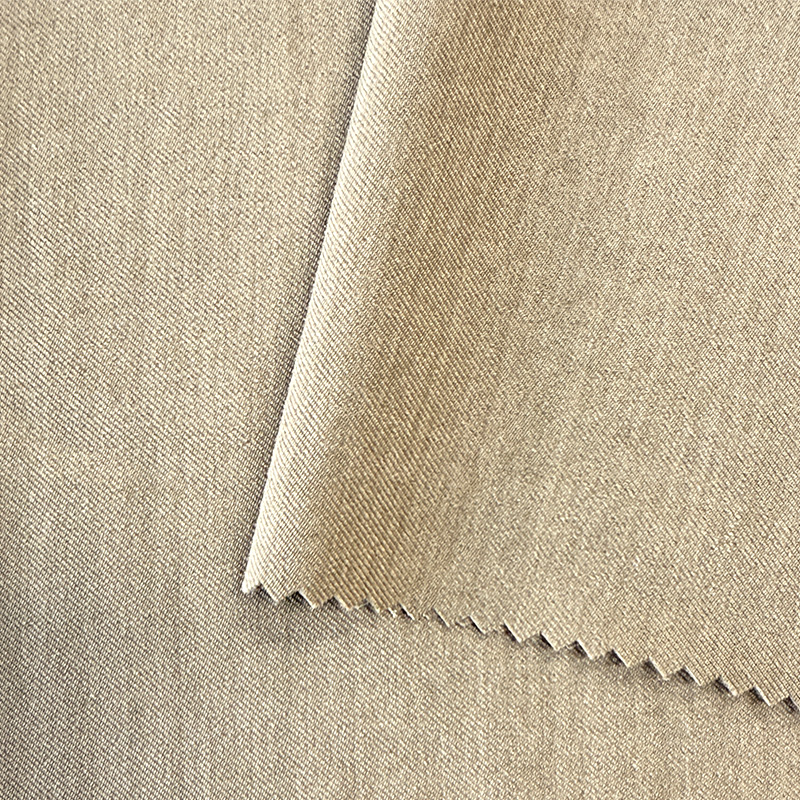
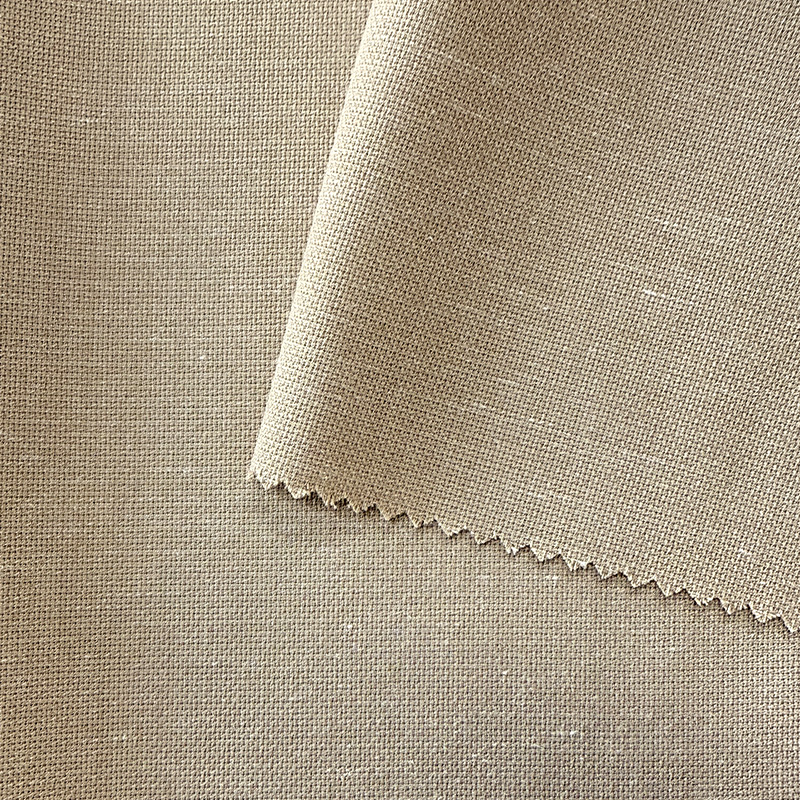
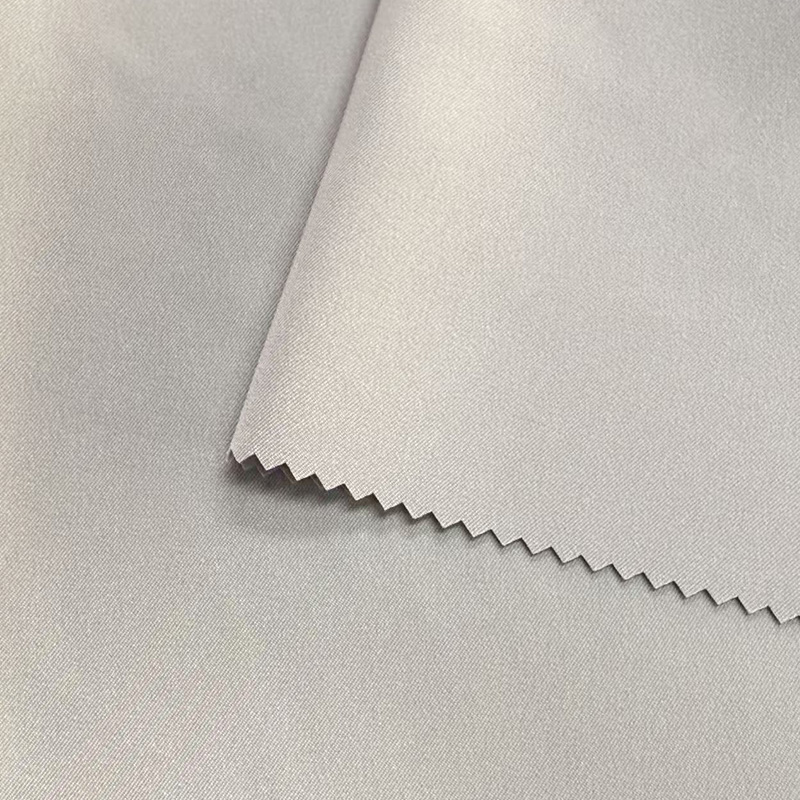
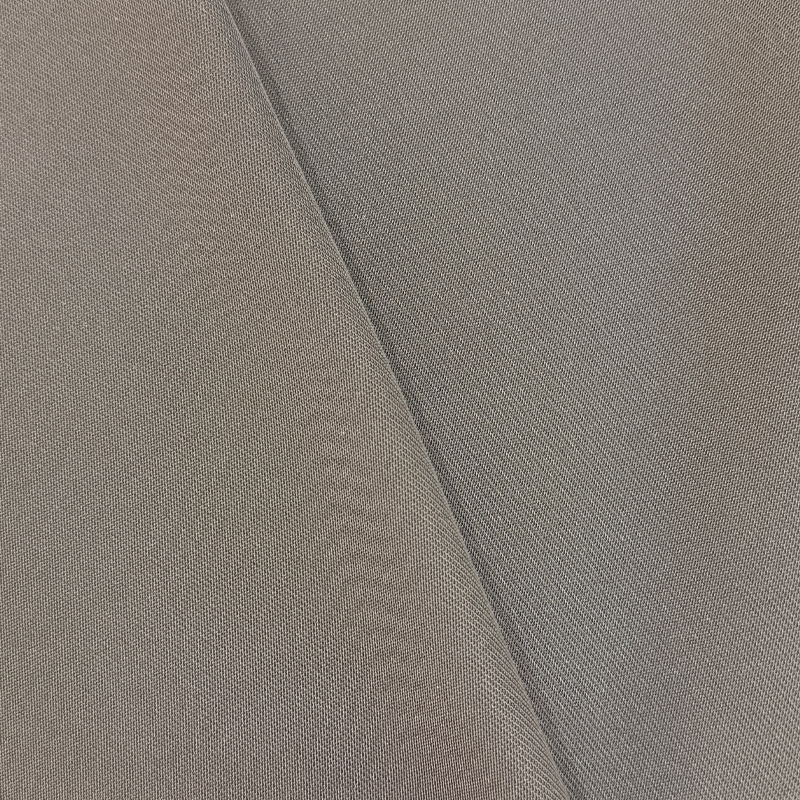
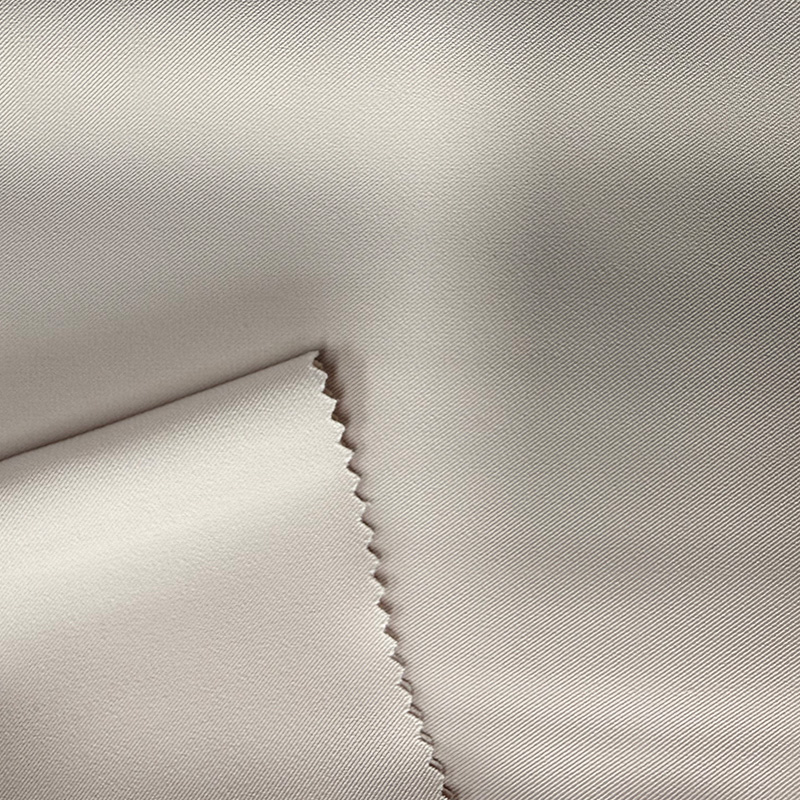
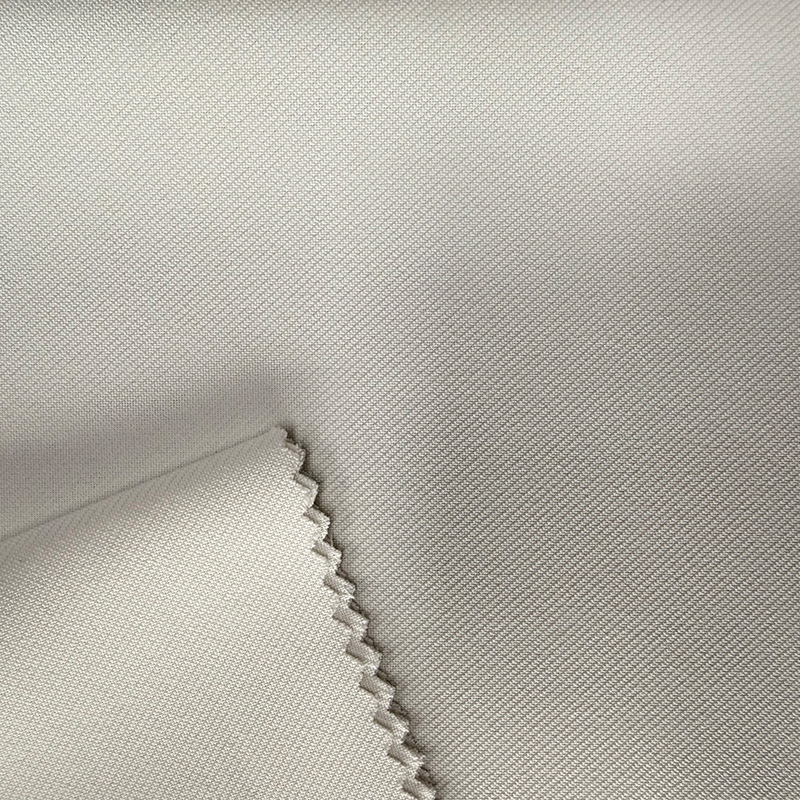
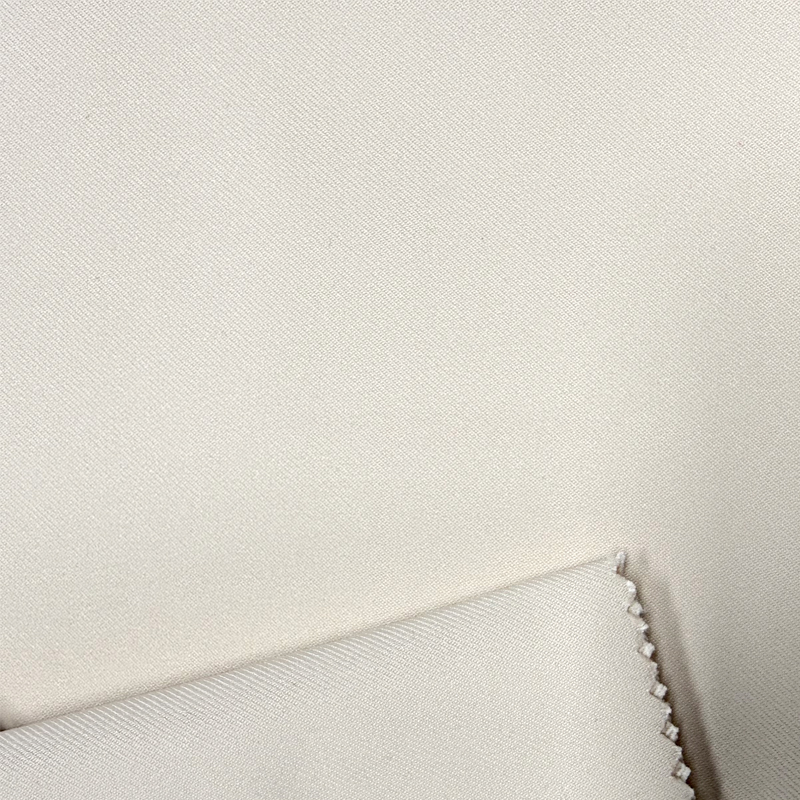
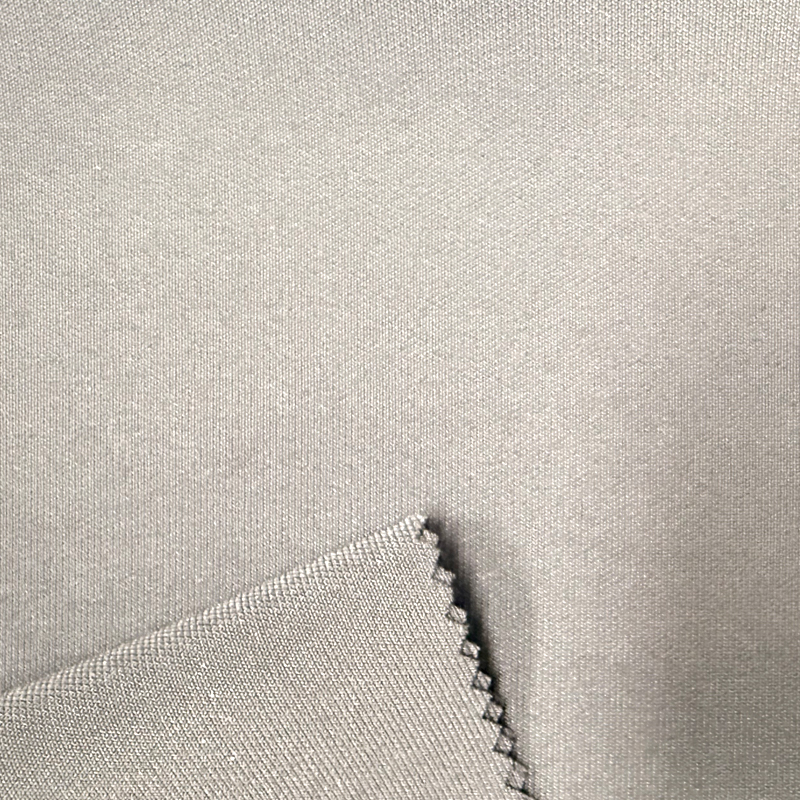
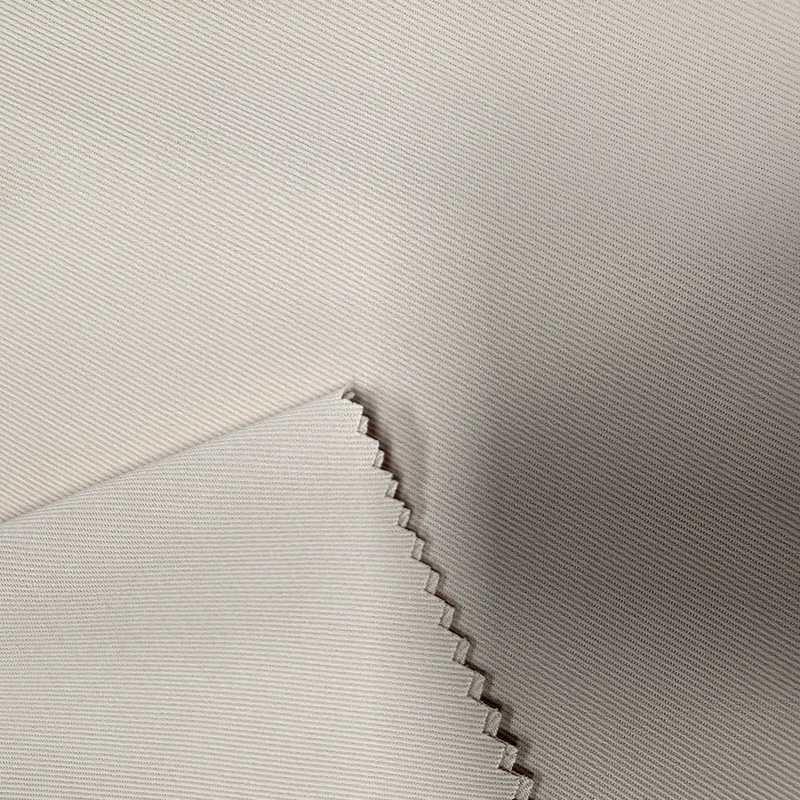
NO 1003 Matte Mesh textured Fabric
93%T 7%SP 58"60" 260GSM
This NO 1003 Matte Mesh textured Fabric has a "perfect balance of rigidity and flexibilit...

This fabric series uses long-filament fibers as its core raw material, emphasizing a smooth texture and stable performance. It is suitable for the production needs of professional women's wear and trousers. Specific features and descriptions are as follows:
1. Smooth and Delicate Surface: Long-filament fibers are inherently continuous and free of short-fiber fuzz. The resulting fabric has a smooth, clean surface with no obvious yarn knots, a smooth touch, and a soft sheen, enhancing the refined texture of clothing and aligning with the formal style of professional attire.
2. Excellent Drape: The high toughness and uniform linear density of the fibers give the fabric excellent drape. Garments made from this fabric are less prone to sagging or curling, naturally conforming to the body's contours and showcasing a clean, crisp silhouette. This is especially suitable for trousers, skirts, and other categories requiring high drape.
3. Resistant to Shrinking and Deformation: The fabric undergoes a setting process, resulting in a stable molecular structure. During daily washing and wear, it will not exhibit significant shrinkage, stretching, or deformation, maintaining the original size and shape of garments for a long time and reducing maintenance costs. 4. Suitable for professional women's clothing: The fabric combines aesthetics and practicality in terms of texture and performance, and can be widely used in the production of professional suit trousers, shirts, skirts, and other clothing, meeting the core needs of the workplace for neat and easy-care clothing.
If you have ever asked what fabric is modal, you are not alone. Modal is one of the most frequently mentioned yet least understood fibers in modern apparel. The direct answer is that modal is a semi-synthetic, wood-derived cellulose fiber, usually made from beechwood pulp, and classified as a high-...
READ MORE"What fabric is denim made of?" is usually the first question a garment manufacturer, fabric buyer, or wholesale sourcing agent asks before placing a denim order. The direct answer is that classic denim is a cotton twill fabric, but the complete answer also covers indigo dyeing, yarn structure, and...
READ MOREYou have finally settled on the window treatment style, measured every window twice, and started comparing samples. Then the question that decides everything appears: what curtain cloth fabric should you actually order? The answer is never just about color or pattern. Drape, light transmission, was...
READ MOREPolyester filament fabrics represent a cornerstone of the global textile industry, accounting for approximately 54% of all synthetic fiber production — over 55 million metric tons annually. Unlike staple fibers (short lengths spun into yarn), polyester filament consists of continuous, extremely long fibers produced directly from molten polymer. This continuous structure imparts unique properties: superior tensile strength (5.5-7.5 cN/tex), exceptional smoothness, high abrasion resistance (often exceeding 60,000 Martindale cycles), and consistent dye uptake. The manufacturing process — melt spinning — transforms PET (polyethylene terephthalate) chips into filament fabric through extrusion, drawing, and texturing. This data-driven guide explains each production stage, provides quantifiable performance benchmarks, and helps buyers select the right polyester fabric variant for specific applications, whether from a polyester filament fabric supplier or polyester filament fabric manufacturer.
Shaoxing Echoes Textile Co., Ltd. — Echoes is a full-category import and export fabric company that integrates R&D, production, and sales. With years of deep expertise in the textile industry, the company leverages its two core production bases — an 80-acre specialized greige fabric factory and an 80-acre modern cotton yarn factory — to achieve full industrial chain control from raw materials to finished products. Backed by strong production capabilities, consistent quality assurance, and a mature supply chain system, Echoes focuses on textile import and export operations, offering a wide range of products, including various cotton yarns, greige fabrics, and related textile products, which are exported to numerous regions worldwide. Supported by a professional international trade service team, we precisely align with customer needs, deliver efficient order fulfillment, provide customized solutions, and ensure comprehensive after-sales service. As a trusted polyester filament fabric supplier and polyester textile manufacturer, Echoes provides high strength polyester fabric, smooth polyester filament fabric, and durable filament fabric for global apparel and technical textile applications.
Polyester filament fabrics are woven or knitted textiles made from continuous polyester filaments, as opposed to spun yarns made from short staple fibers. The continuous nature of polyester filament eliminates fiber-end protrusion, resulting in smoother surface, higher luster, and lower pilling tendency than staple equivalents. Key classifications include: Fully Drawn Yarn (FDY) — fully oriented with high crystallinity; Partially Oriented Yarn (POY) — semi-oriented, requires further drawing; Draw Textured Yarn (DTY) — textured for bulk and stretch; and Flat Yarn — untextured with glossy finish. The horizontal bar chart below compares the properties of major filament fabric types.
Figure 1: Performance comparison of polyester filament yarn types — FDY (Fully Drawn Yarn) offers the highest tensile strength (95 score, equivalent to 6.5-7.5 cN/tex) and surface smoothness (92), making it ideal for smooth polyester filament fabric used in linings and high-count woven fabrics. DTY (Draw Textured Yarn) provides superior bulk and elasticity (88 score), preferred for durable filament fabric in sportswear and knit applications. High-tenacity filament yarns (used in industrial fabrics) achieve abrasion resistance scores of 98, with tensile strengths reaching 8.0-9.5 cN/tex. For polyester filament fabric supplier selection, understanding the intended end-use is critical: FDY for smooth, glossy surfaces (chiffon, satin, lining), DTY for soft, bulky hand-feel (jersey, fleece, interlock). The market distribution among filament types is approximately: DTY 45%, FDY 35%, POY (Partially Oriented Yarn, used as intermediate) 15%, and specialty filaments 5%. When sourcing polyester filament fabric wholesale, specify the required yarn type and filament denier (common range: 30 denier for lightweight apparel to 1000 denier for industrial fabrics). High strength polyester fabric for technical applications (airbags, seatbelts, ropes) uses high-tenacity filament with specialized finish formulations.
The production of polyester filament follows a five-stage melt spinning process: (1) Polymer preparation — PET chips dried at 160-180°C to remove moisture (below 50 ppm), (2) Extrusion — melted polymer (285-295°C) forced through spinnerets with 12-200 holes (0.2-0.5 mm diameter), (3) Cooling — filaments solidify in quench air (20-25°C), (4) Drawing — filaments stretched 3-6x their original length to orient polymer chains, (5) Texturing/Heat-setting — imparting bulk, crimp, or dimensional stability. The column chart below shows production parameters across the spinning process.
Figure 2: Key process parameters in polyester filament manufacturing — Extrusion temperature range of 285-295°C ensures optimal polymer melt viscosity (250-350 Pa·s) for uniform filament formation. Draw ratio — the degree of stretching applied to solidify and orient polymer chains — ranges from 3x to 6x; a higher draw ratio (6x) increases tensile strength to 7.5 cN/tex but reduces elongation to 15-20%, while a lower ratio (3x) yields softer filament with higher elongation (35-40%). Winding speeds for modern melt spinning lines reach 4,000-6,000 m/min, enabling production rates of 2.5-4 tons per spinneret per day. Spin finish application (0.5-1.5% by weight) lubricates filaments to reduce friction and static during subsequent processing. For polyester filament fabric manufacturer facilities, energy consumption per kg of filament averages 15-20 MJ, with 45% attributed to extrusion heating, 30% to drawing, and 15% to winding. Quality control checks include denier uniformity (tolerance ±1.5%), tenacity (ASTM D2256), and elongation consistency. Synthetic filament fabric supplier certifications (OEKO-TEX, GRS for recycled filament) require tracking of process parameters and lot traceability. For high strength polyester fabric used in automotive airbags, an additional heat-setting stage (180-220°C) reduces thermal shrinkage to below 2% at 150°C.
Polyester filament fabrics exhibit distinct measurable properties that differentiate them from spun polyester and other synthetic fabrics. Key performance metrics include: tensile strength (5.5-9.5 cN/tex depending on filament type), abrasion resistance (50,000-120,000 Martindale cycles), moisture regain (0.4% — hydrophobic), melting point (255-260°C), and UV resistance (80-90% strength retention after 500 hours accelerated weathering). The radar chart below compares polyester filament fabric with two other common synthetic fabric alternatives across six performance criteria.
Figure 3: Radar comparison of filament fabrics — Polyester filament fabric excels in tensile strength (155 score), abrasion resistance (142), and dimensional stability (152), outperforming both nylon and polypropylene filaments. UV resistance is notably high (138), with polyester retaining 85-90% of tensile strength after 500 hours accelerated weathering (nylon retains 65-70%). Moisture wicking of smooth polyester filament fabric (score 85) is moderate — lower than nylon (95) but higher than polypropylene (70). For applications requiring heat resistance, polyester's melting point (255-260°C) exceeds nylon (220-225°C) and polypropylene (165-170°C), making it suitable for ironing and industrial drying. Dimensional stability (shrinkage) of quality durable filament fabric is below 2% after 5 wash cycles at 60°C, compared to 3-5% for nylon. When sourcing from a polyester filament fabric supplier, request test data for the specific property priorities of your application. High strength polyester fabric for technical uses (geotextiles, safety belts) achieves tensile scores above 160, using high-tenacity filament with specialized finish. For synthetic filament fabric supplier selection, consider that polyester's hydrophobic nature (0.4% moisture regain) makes it quick-drying but less comfortable in hot-humid conditions without moisture-wicking finishes; treated variants can achieve moisture transport rates of 8-12 cm/30min (AATCC 197).
Polyester filament fabrics serve diverse sectors: apparel (55% of consumption), home textiles (25%), industrial/technical (15%), and automotive (5%). Within apparel, filament fabric is used in sportswear, linings, blouses, jackets, and dresses. The line chart below shows demand growth by application segment over the past five years, with projections to 2028.
Figure 4: Demand growth for polyester filament fabrics by application — Apparel remains the largest segment at approximately 30.5 million tons annually (2024), growing at a moderate CAGR of 2.8% through 2028. Technical and industrial applications (geotextiles, ropes, conveyor belts) represent the fastest-growing segment at 5.5% CAGR, reaching 4.2 million tons by 2028. Polyester filament fabric supplier serving the technical sector focus on high-tenacity grades (7.5-9.5 cN/tex) with UV stabilization and flame-retardant finishes. Home textiles (upholstery, curtains, bedding) account for 13.8 million tons with steady growth of 3.2% CAGR. For polyester filament fabric wholesale buyers, the choice between FDY and DTY depends on end-use: FDY for smooth, woven applications (linings, shirting); DTY for knit applications (sportswear, fleece). Durable filament fabric for outdoor furniture and automotive upholstery requires additional UV stabilizers (2-3% by weight) to achieve 500+ hours accelerated weathering retention (>80% strength). Polyester textile manufacturer facilities increasingly offer recycled filament options (rPET), which now account for 14% of production and are projected to reach 25% by 2030. When sourcing high strength polyester fabric for safety-critical applications (seatbelts, airbags), require certification to ISO 9001 and IATF 16949 (automotive quality standard).
Polyester filament fabric uses continuous fibers, resulting in smoother surface, higher tensile strength (5.5-7.5 vs 3.5-4.5 cN/tex), lower pilling, and higher luster. Polyester staple fabric (spun from short fibers) offers better breathability, softer hand feel, and more cotton-like appearance. Polyester filament fabric manufacturer typically produce filament for technical and performance applications, while staple serves casual apparel and home textiles.
When evaluating a polyester filament fabric supplier, request: (1) filament type (FDY/DTY) and denier specifications, (2) tensile test reports (ASTM D2256), (3) shrinkage data (AATCC 135), and (4) color fastness for dyed fabrics (AATCC 61). A reputable polyester filament fabric manufacturer will provide lot traceability and OEKO-TEX certification. For polyester filament fabric wholesale orders, request pre-production samples to verify hand feel, drape, and uniform dye uptake.
Yes, polyester filament can be mechanically or chemically recycled. Mechanical recycling (grinding, melting, re-extruding) produces filament with 95-98% of virgin tenacity but may have color limitations. Chemical recycling (depolymerization to BHET monomer, repolymerization) yields virgin-quality filament but requires more energy. Many synthetic filament fabric supplier now offer GRS-certified recycled polyester filament with 20-100% post-consumer content, reducing carbon footprint by 40-60% compared to virgin polyester.
As a leading polyester filament fabric supplier and polyester textile manufacturer, Shaoxing Echoes Textile Co., Ltd. offers a comprehensive range of polyester filament fabrics, including FDY, DTY, high-tenacity, and microfilament variants. Whether you require polyester filament fabric wholesale for apparel, home textiles, or technical applications, Echoes provides certified quality, full traceability, and custom solutions. Partner with a polyester filament fabric manufacturer that controls the entire process from polymer to finished smooth polyester filament fabric.
If you have any questions, please get in touch with us.