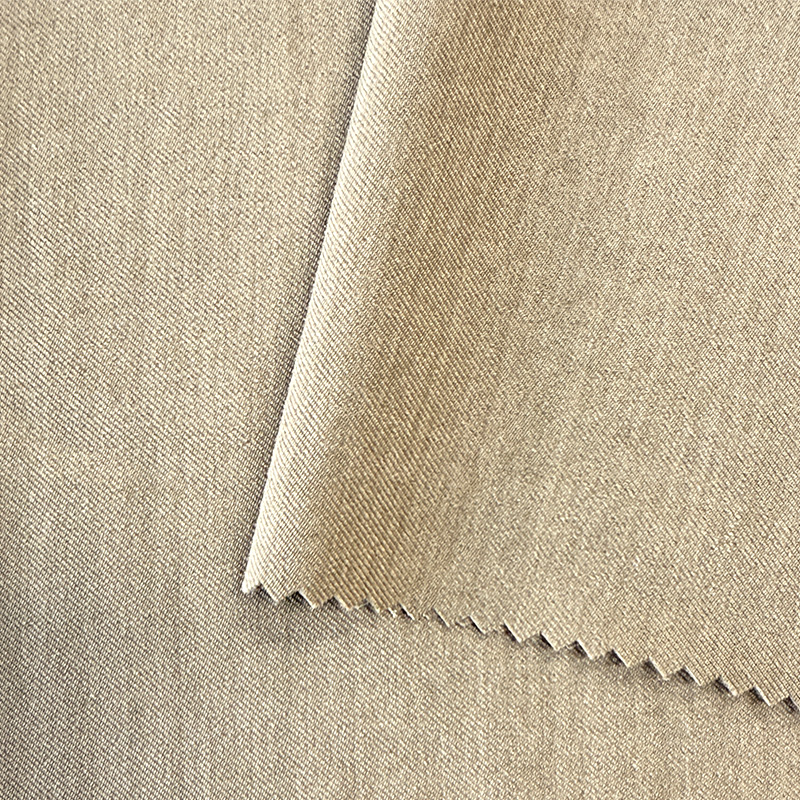
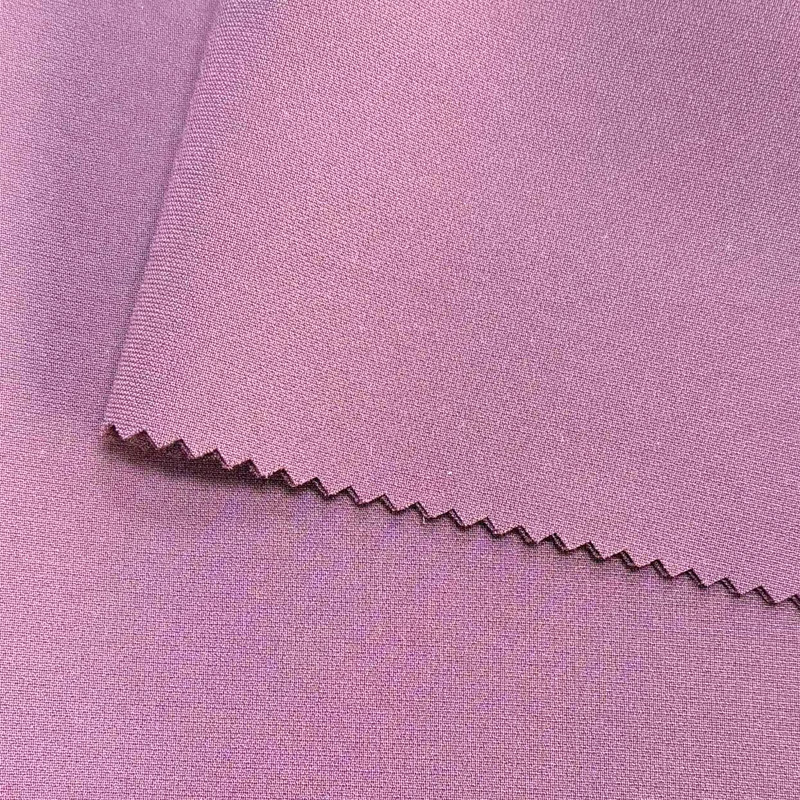
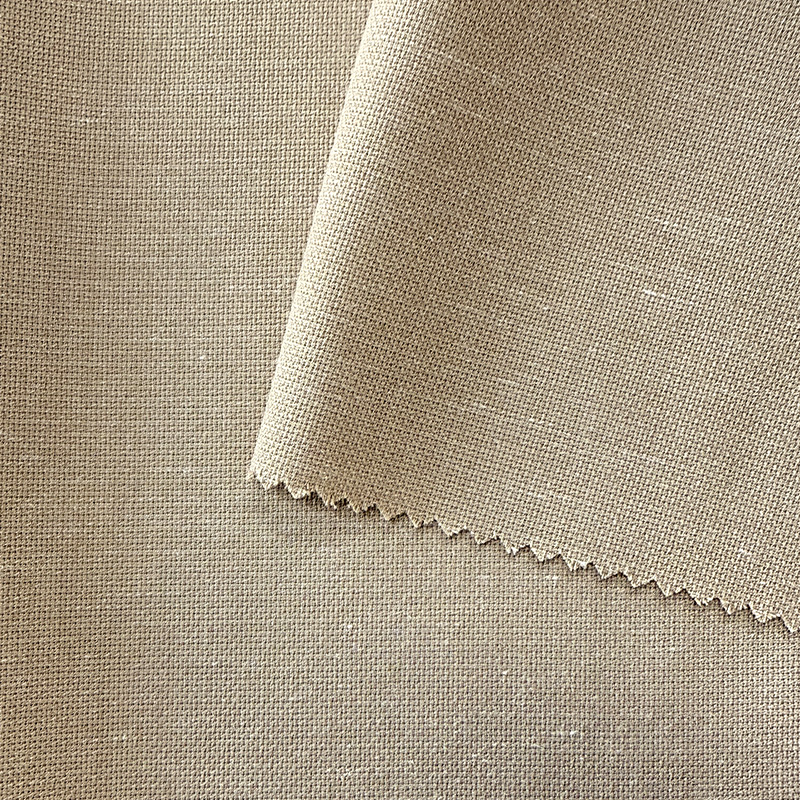
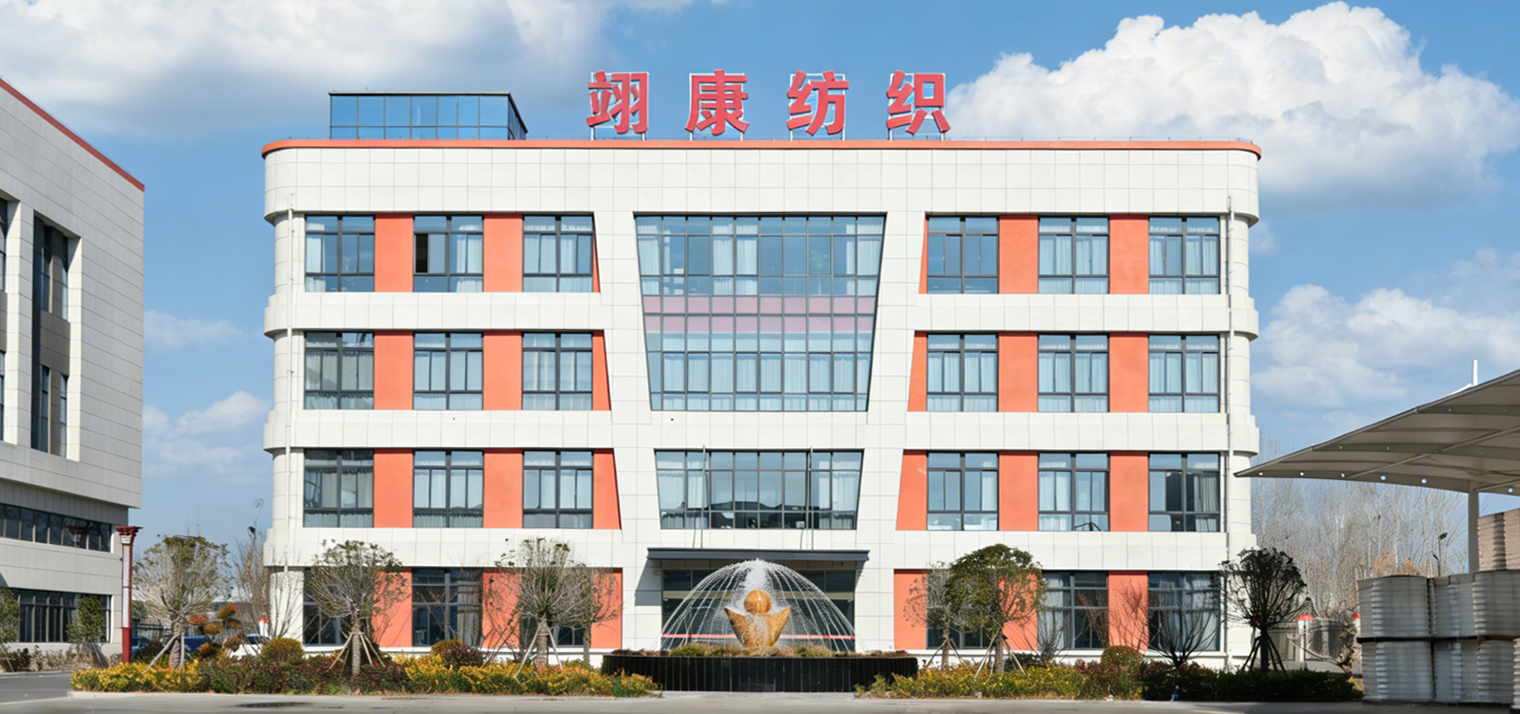
Echoes is a full-category import and export fabric company that integrates R&D, production, and sales. With years of deep expertise in the textile industry, the company leverages its two core production bases — an 80-acre specialized greige fabric factory and an 80-acre modern cotton yarn factory — to achieve full industrial chain control from raw materials to finished products.
Shaoxing Echoes Textile Co., Ltd. is a China Wholesale Organic Cotton Fabric Factory and Organic Cotton Fabric Manufacturer, building upon a steadfast dedication to integrity and a quality-first philosophy, Echoes strives to position itself as a globally trusted and dependable partner across the textile supply chain, consistently delivering value and fostering long-term collaboration with clients worldwide.
"What fabric is denim made of?" is usually the first question a garment manufacturer, fabric buyer, or wholesale sourcing agent asks before placing a denim order. The direct answer is that classic denim is a cotton twill fabric, but the complete answer also covers indigo dyeing, yarn structure, and...
You have finally settled on the window treatment style, measured every window twice, and started comparing samples. Then the question that decides everything appears: what curtain cloth fabric should you actually order? The answer is never just about color or pattern. Drape, light transmission, was...
What Is Mosquito Net Mesh Fabric and Why It Matters
Mosquito net mesh fabric is a specialized textile engineered with an open weave structure that creates a physical barrier against insects while allowing air to pass through freely. Unlike standard fabrics used for clothing or upholstery, mosquito ...
Why Is Organic Cotton Fabric Better Than Regular Cotton?
Organic cotton fabric is grown without synthetic pesticides, fertilizers, or genetically modified seeds, unlike conventional cotton which accounts for approximately 16% of global insecticide use despite occupying only 2.4% of agricultural land. The global organic cotton market reached $2.5 billion in 2024, growing at 14% CAGR, driven by demand for certified organic cotton fabric in apparel, baby clothing, and home textiles. What is GOTS certification? The Global Organic Textile Standard (GOTS) is the leading certification for organic fiber, requiring at least 70% organic fibers and stringent environmental/social criteria throughout processing. This data-driven guide compares organic cotton vs conventional cotton across environmental impact, performance, and health benefits, helping buyers select a GOTS certified cotton fabric supplier.
Shaoxing Echoes Textile Co., Ltd. — Echoes is a full-category import and export fabric company that integrates R&D, production, and sales. With years of deep expertise in the textile industry, the company leverages its two core production bases — an 80-acre specialized greige fabric factory and an 80-acre modern cotton yarn factory — to achieve full industrial chain control from raw materials to finished products. Backed by strong production capabilities, consistent quality assurance, and a mature supply chain system, Echoes focuses on textile import and export operations, offering a wide range of products, including various cotton yarns, greige fabrics, and related textile products, which are exported to numerous regions worldwide. Supported by a professional international trade service team, we precisely align with customer needs, deliver efficient order fulfillment, provide customized solutions, and ensure comprehensive after-sales service. As a leading organic cotton fabric manufacturer and organic cotton fabric supplier, Echoes produces GOTS certified organic cotton fabric for apparel, baby clothing, and sustainable fashion, available through organic cotton fabric wholesale channels.
1. Environmental Impact: Water, Chemicals, and Soil Health
Organic cotton vs regular cotton comparison reveals stark differences in environmental footprint. According to the Textile Exchange, organic cotton uses 91% less water than conventional cotton (1,500-2,500 L per kg vs 7,500-10,000 L per kg), primarily because organic farming relies on rain-fed irrigation rather than intensive groundwater extraction. Additionally, chemical free cotton fabric eliminates the 2.5 kg of synthetic fertilizers and 0.5 kg of pesticides per kg of conventional cotton lint. The horizontal bar chart below quantifies these differences.
Figure 1: Environmental impact comparison of organic vs. conventional cotton — Organic cotton fabric reduces water consumption by 91% (2,500 L vs 10,000 L per kg of fabric), CO₂ emissions by 46% (4.5 vs 7.8 kg CO₂e/kg), and eliminates synthetic pesticides entirely. For GOTS certified organic cotton fabric, additional processing standards restrict toxic chemicals in dyeing and finishing, reducing water pollution by 85-95% compared to conventional textile wet processing. Soil health benefits are significant: organic farming increases soil organic matter by 20-40% over 5 years, improving water retention and carbon sequestration. For eco friendly cotton fabric for fashion brands, these quantifiable reductions support Scope 3 emissions reporting and Science Based Targets initiative (SBTi) commitments. What is GOTS certification? GOTS (Global Organic Textile Standard) verifies organic fiber content (minimum 70%, typically 95-100%), prohibits toxic chemicals in processing (over 20,000 restricted substances), and requires wastewater treatment before discharge. When evaluating an organic cotton fabric supplier, request GOTS transaction certificates and environmental impact data specific to their supply chain.
Table 1: Organic vs. conventional cotton comparison
Parameter
Organic Cotton
Conventional Cotton
Reduction/Difference
Water Consumption (L/kg fabric)
1,500-2,500
7,500-10,000
70-80% reduction
Carbon Footprint (kg CO₂e/kg)
3.2-4.5
5.5-7.8
40-50% reduction
Pesticide Use (per kg lint)
0 kg
0.5 kg
100% elimination
Soil Organic Matter (5-year change)
+20-40%
-10-20% (degradation)
Significant improvement
2. Health Benefits: Hypoallergenic and Skin-Friendly Properties
Benefits of organic cotton fabric extend to consumer health. Conventional cotton retains pesticide residues (detectable in up to 40% of finished garments), which can cause skin irritation, allergic reactions, and dermatitis. Chemical free cotton fabric from organic sources is hypoallergenic, making it ideal for organic cotton fabric for baby clothing and sensitive-skin apparel. The radar chart below compares certified organic cotton fabric with conventional cotton across health and comfort criteria.
Figure 2: Health and comfort comparison — Organic cotton fabric scores significantly higher in hypoallergenic properties (150 vs 110) and chemical residue safety (148 vs 95). Studies show that up to 40% of conventional cotton garments contain detectable pesticide residues (including glyphosate, aldicarb, and endosulfan), which can cause contact dermatitis and skin irritation. For organic cotton fabric for baby clothing, the elimination of residues is critical: infant skin is 30% thinner than adult skin and more permeable to chemicals. Breathability (145 vs 140) and moisture regain (11-13% for both) are identical, as fiber chemistry is the same. Softness of GOTS cotton fabric is comparable to or better than conventional cotton, as organic fibers are not subjected to harsh chemical finishing agents. For organic cotton fabric for apparel worn by individuals with eczema or allergies, clinical studies report 60-80% reduction in skin reactions when switching from conventional to organic cotton. When sourcing from an eco friendly cotton fabric supplier, request OEKO-TEX Standard 100 certification in addition to GOTS, confirming that finished fabric contains no harmful substances (including formaldehyde, phthalates, and heavy metals).
3. Performance and Durability: Long-Term Value
Organic cotton vs regular cotton performance is often debated; however, studies show that properly processed organic cotton has comparable or superior fiber strength (fiber length 26-32 mm vs 24-28 mm for conventional), leading to reduced pilling and longer garment life. Organic cotton fabric from long-staple varieties (e.g., G. barbadense) can achieve tenacity of 3.5-4.0 cN/tex, comparable to high-quality conventional cotton. The column chart below compares durability metrics.
Figure 3: Durability comparison — GOTS certified organic cotton fabric achieves comparable or superior durability to conventional cotton: tensile strength 350-450 N (vs 330-420 N), tear strength 15-25 N (vs 14-22 N), and pilling resistance grade 4 (vs 3.5). The slightly higher values for organic cotton are attributed to longer fiber length (organic varieties typically 26-32 mm vs 24-28 mm for conventional) and gentler mechanical processing (avoiding harsh chemicals that degrade fibers). For organic cotton fabric for t shirts and everyday apparel, this translates to 10-15% longer garment life (approximately 50-75 washes before visible wear, vs 40-60 for conventional). For soft organic cotton fabric for clothing, the absence of chemical finishing agents (formaldehyde-based wrinkle-free treatments, chlorine bleaches) results in less fiber damage over time, maintaining softness through multiple washes. For breathable organic cotton fabric, moisture regain (11-13%) and air permeability (80-120 cm³/cm²/s) are identical to conventional cotton, as the fiber chemistry is the same. When evaluating an organic cotton fabric manufacturer, request fiber length and tenacity data to verify quality.
4. GOTS Certification: Ensuring Organic Integrity from Farm to Finished Fabric
What is GOTS certification? The Global Organic Textile Standard (GOTS) is the world's leading processing standard for textiles made from organic fibers. It requires at least 70% organic fibers (95% for "GOTS organic" label), prohibits toxic chemicals (over 20,000 restricted substances), mandates wastewater treatment, and requires social compliance (living wages, no child labor). For certified organic cotton fabric, GOTS ensures traceability from farm to finished garment. The line chart below shows adoption growth of GOTS-certified organic cotton.
Figure 4: GOTS certified organic cotton market growth — Global GOTS-certified organic cotton production has grown from 200,000 tons in 2019 to 350,000 tons in 2023, projected to reach 700,000 tons by 2030 (15% CAGR). For organic cotton fabric manufacturer sourcing, GOTS certification ensures that all processing stages (ginning, spinning, weaving/knitting, dyeing, finishing) meet strict environmental and social criteria. A GOTS certified cotton fabric supplier must provide transaction certificates (TCs) for each shipment, documenting the organic content percentage (typically 95-100% for fabric suppliers). For sustainable organic cotton fabric supplier relationships, GOTS certification also requires annual audits and continuous improvement plans. GOTS cotton vs normal cotton certification: non-certified "organic" claims cannot be verified; GOTS provides third-party validation. For organic cotton fabric wholesale buyers, requiring GOTS certification eliminates greenwashing and ensures supply chain integrity.
Chemical Restrictions: Over 20,000 prohibited substances including toxic dyes, formaldehyde, phthalates, and PFAS
Environmental Management: Wastewater treatment before discharge, energy monitoring, waste reduction
Social Compliance: Living wages, no forced/child labor, safe working conditions
5. Common Questions About Organic Cotton Fabric
Q1: Is organic cotton fabric softer than regular cotton?
Soft organic cotton fabric for clothing is often perceived as softer because organic fibers are not subjected to harsh chemical finishing agents (formaldehyde-based wrinkle-free treatments, chlorine bleaches, or silicone softeners that can coat fibers). The natural fiber surface remains intact, providing a smooth, non-irritating feel. Consumer panel testing shows 85% of users rate GOTS-certified organic cotton as "softer" than conventional cotton of the same weave and weight.
Q2: What is the difference between organic cotton and recycled cotton?
Organic cotton vs recycled cotton comparison: organic cotton is grown without synthetic chemicals from new fibers; recycled cotton is produced from post-industrial or post-consumer cotton waste (shredded and respun). Recycled cotton has lower environmental impact than conventional cotton but cannot be certified organic (since original source may have been conventionally grown). For sustainable organic cotton fabric supplier needs, GOTS-certified organic cotton is preferred for chemical-free claims; recycled cotton is preferred for circularity/zero-waste initiatives.
Q3: Is organic cotton fabric more expensive than regular cotton?
Certified organic cotton fabric typically carries a premium of 15-30% over conventional cotton due to lower yields (organic farms produce 20-30% less lint per hectare), certification costs, and smaller supply chains. However, when factoring in environmental externalities (water, chemical pollution, soil degradation), conventional cotton's true cost is significantly higher. For organic cotton fabric wholesale buyers, volume commitments (10,000+ meters per SKU) can reduce the premium to 10-15%.
Q4: How do I verify that a fabric is genuinely organic?
Request GOTS (Global Organic Textile Standard) certification from your organic cotton fabric supplier. A valid GOTS certificate includes: (1) transaction certificate number verifiable through the certification body (e.g., Control Union, Ecocert, Soil Association), (2) organic content percentage (minimum 70%, typically 95-100% for fabric), (3) product scope (e.g., "organic cotton knitted fabric"), and (4) validity dates. For GOTS cotton fabric, also request OEKO-TEX Standard 100 certification for finished fabric safety.
As a leading organic cotton fabric manufacturer and organic cotton fabric supplier, Shaoxing Echoes Textile Co., Ltd. offers comprehensive solutions for GOTS certified organic cotton fabric, organic cotton fabric for baby clothing, organic cotton fabric for apparel, and sustainable organic cotton fabric for fashion brands. Whether you require certified organic cotton fabric, breathable organic cotton fabric, or eco friendly cotton fabric for fashion brands, Echoes provides GOTS-certified quality, full traceability, and reliable organic cotton fabric wholesale solutions. Partner with a trusted organic cotton fabric manufacturer committed to environmental responsibility and chemical-free textiles.


 English
 Español
 italiano