English
 Español
 italiano
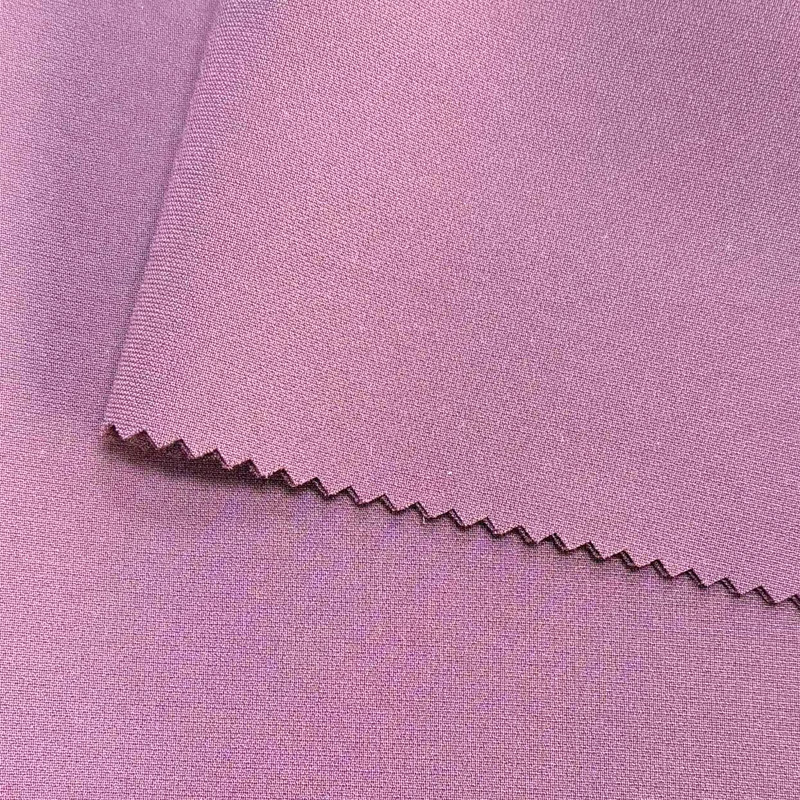
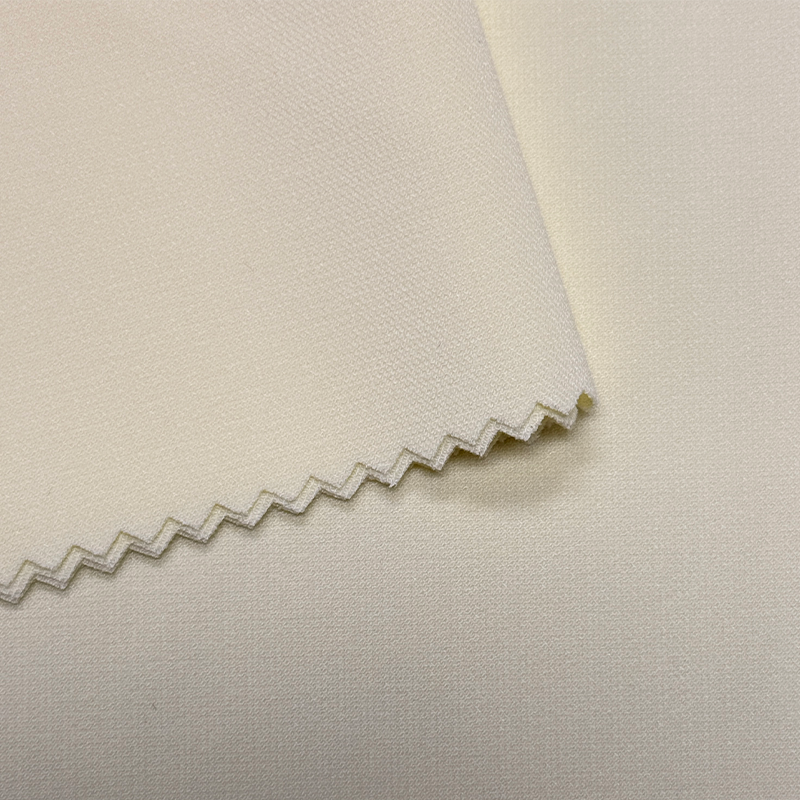
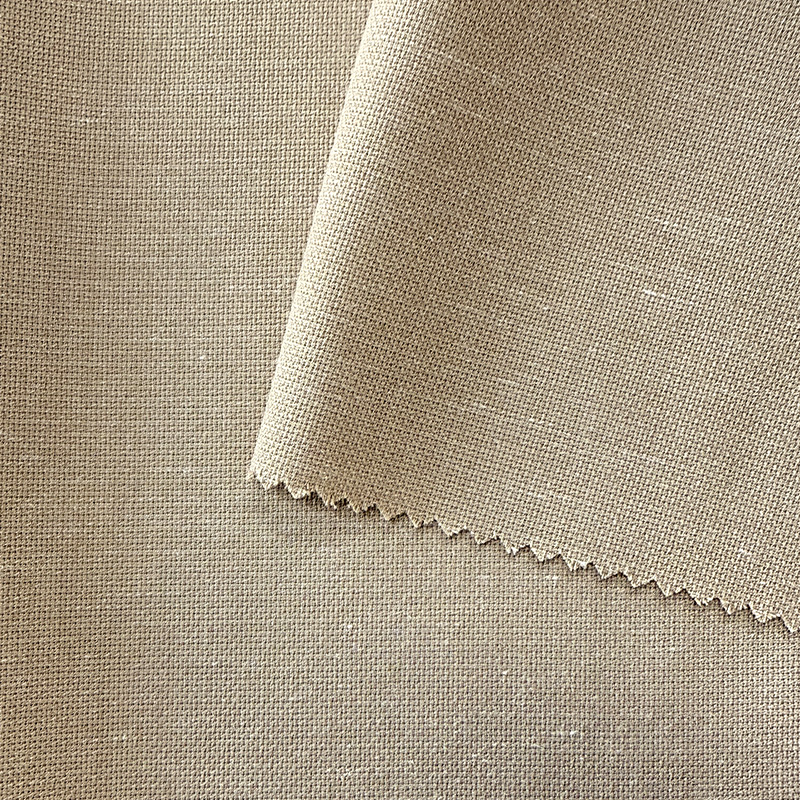
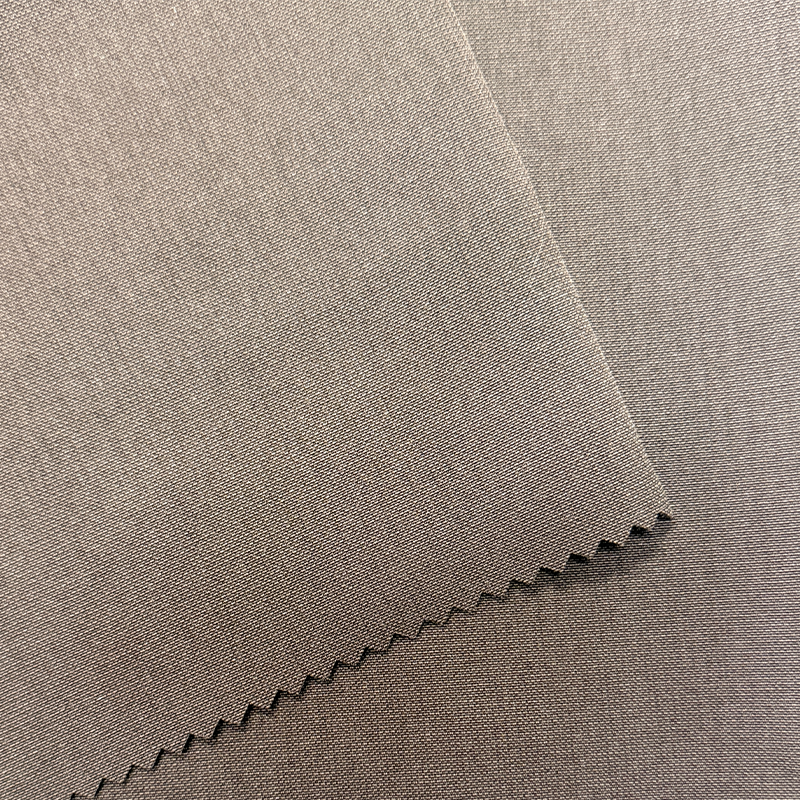
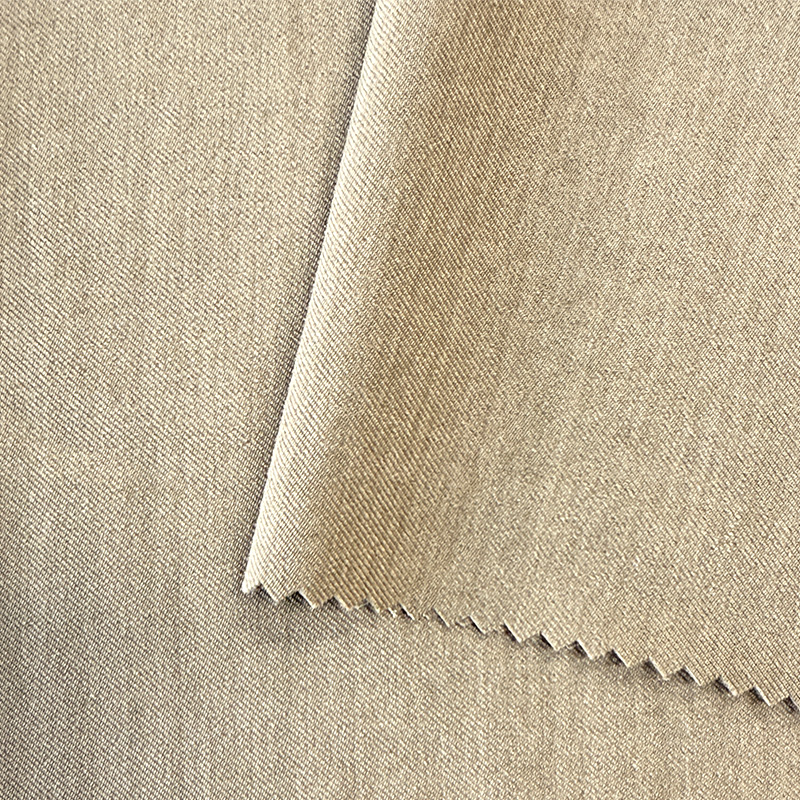
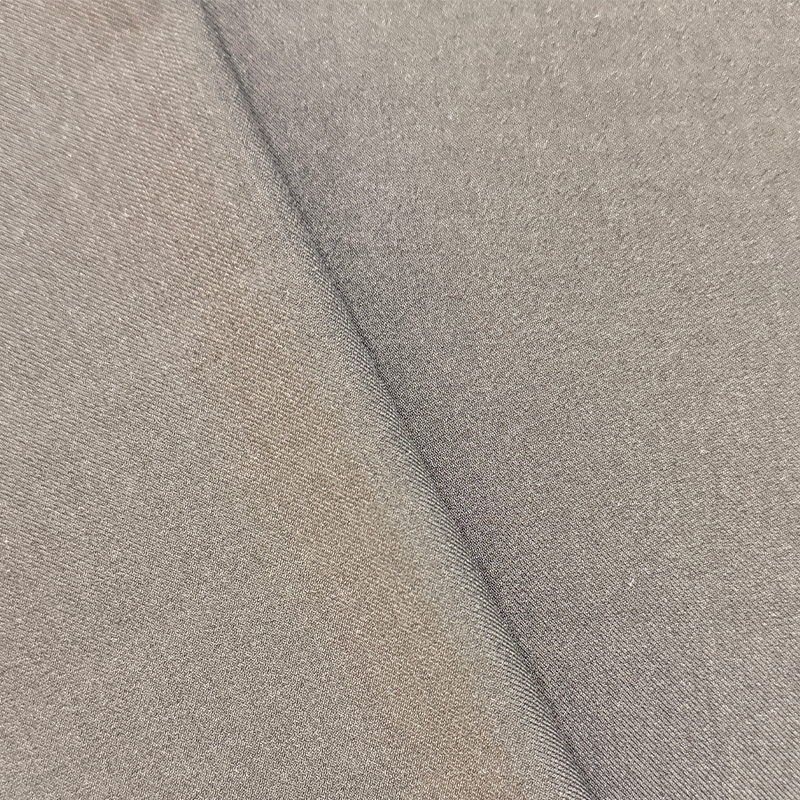
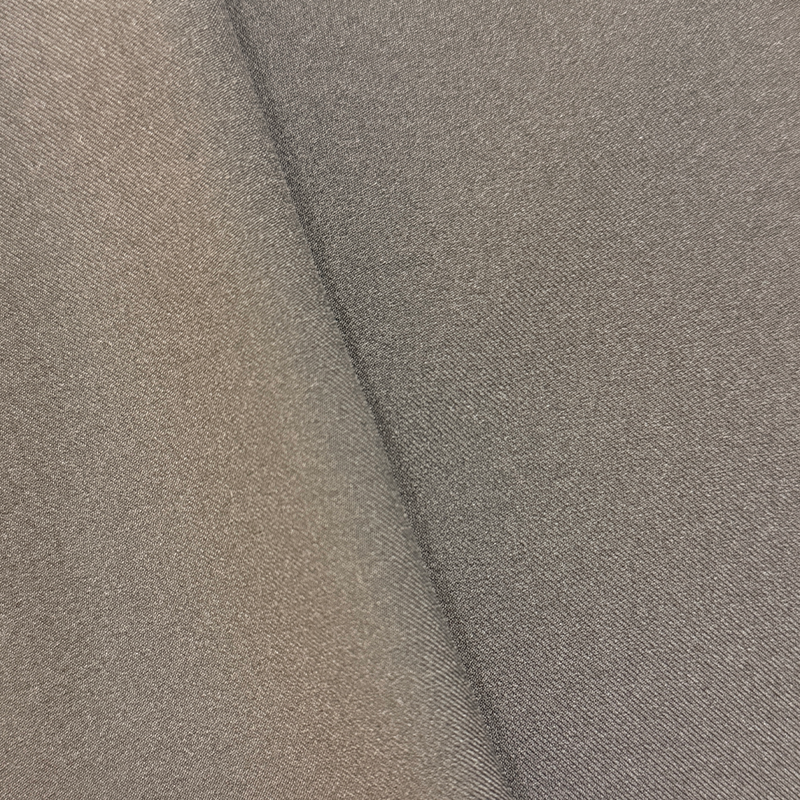
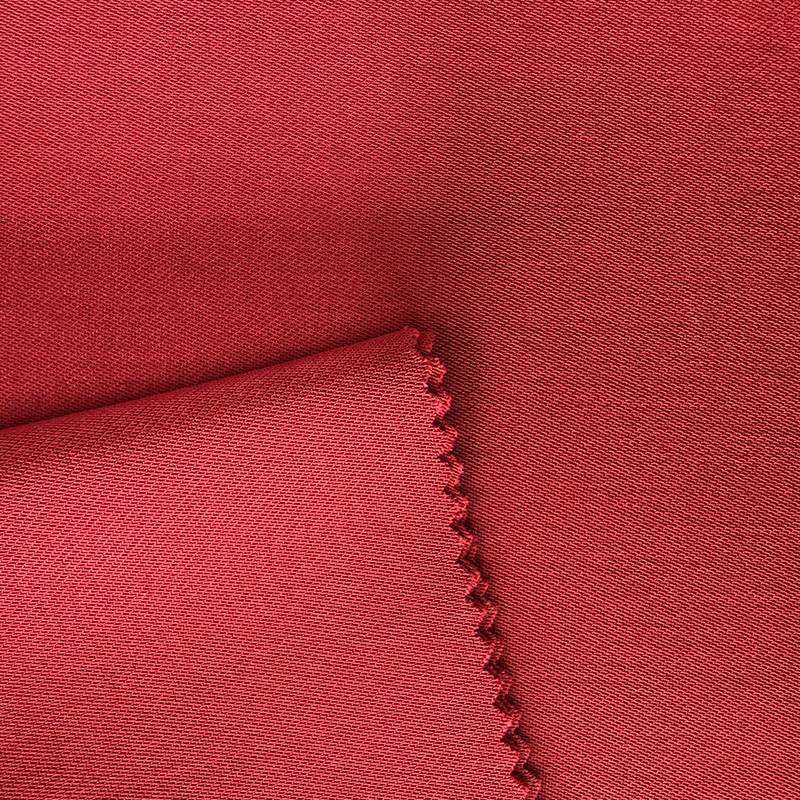
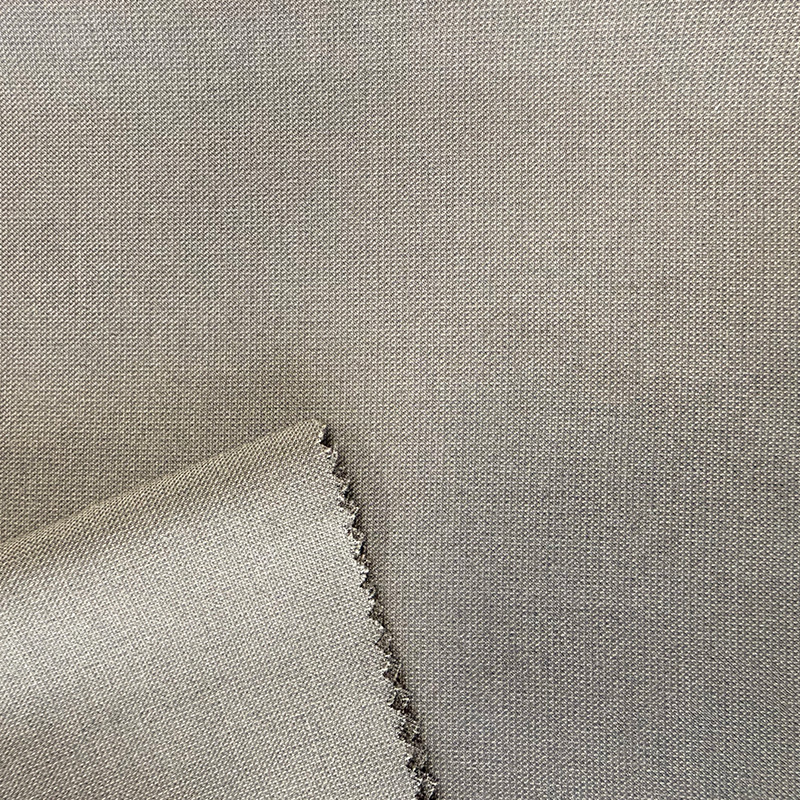
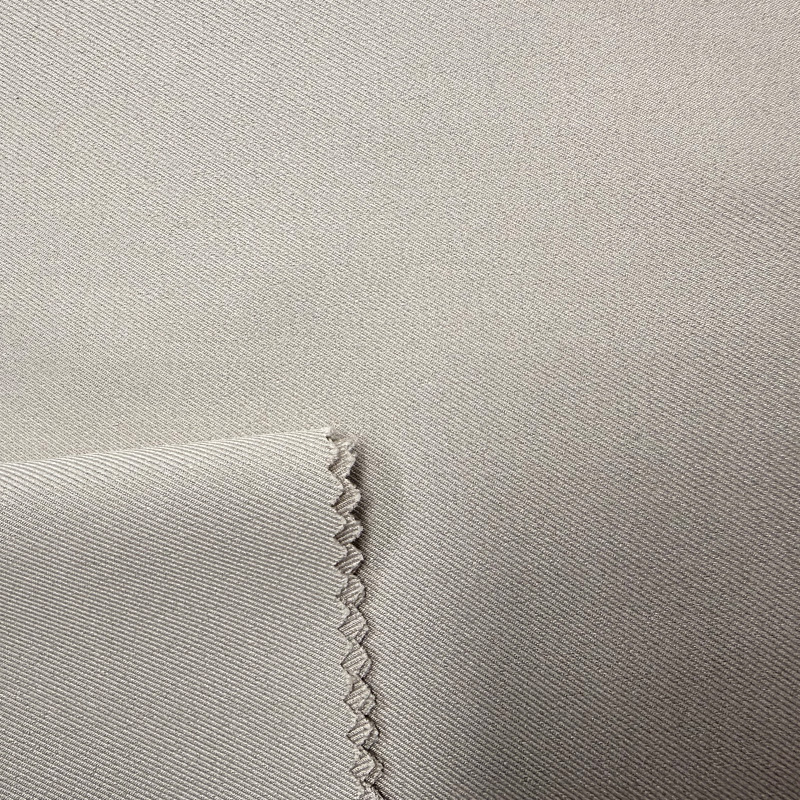
NO1018 Cationic Lurex Fabric
92%T 8%SP 58"60" 200GSM
This Cationic Lurex fabric is finer and smoother compared to regular Lurex, offering a su...

This fabric series takes polyester Lurex fiber as its core material, focusing on two key advantages: visual texture and practical performance. The main features and descriptions are as follows:
1. Linen-like Two-Tone Visual Effect
Leveraging the physical properties of polyester Lurex fiber, the fabric surface naturally forms a well-defined two-tone texture that replicates the grain and texture of natural linen. Without the need for additional special finishing processes, it delivers a vintage and minimalist aesthetic, well-suited to the design needs of contemporary fashion apparel.
2. Fluid Drape and Smooth Hand Feel
The fiber offers excellent drape performance. Once woven into fabric, it resists curling and deformation. When worn close to the skin, it feels smooth and gentle with minimal friction, enhancing garment silhouettes and significantly improving wearing comfort.
3. Wrinkle Resistance and Easy Care
With a stable molecular structure, the fabric provides superior wrinkle resistance compared to traditional cotton and linen fabrics. It is less prone to creasing during daily wear and can quickly return to a smooth appearance after washing without the need for high-temperature ironing, reducing maintenance costs and adapting well to fast-paced lifestyles.
4. Versatile Application Across Fashion Categories
With balanced fabric weight and durability, this material is suitable for a wide range of fashion women's wear items, including tops, dresses, and trousers. It offers designers flexible options for cutting, tailoring, and garment construction.
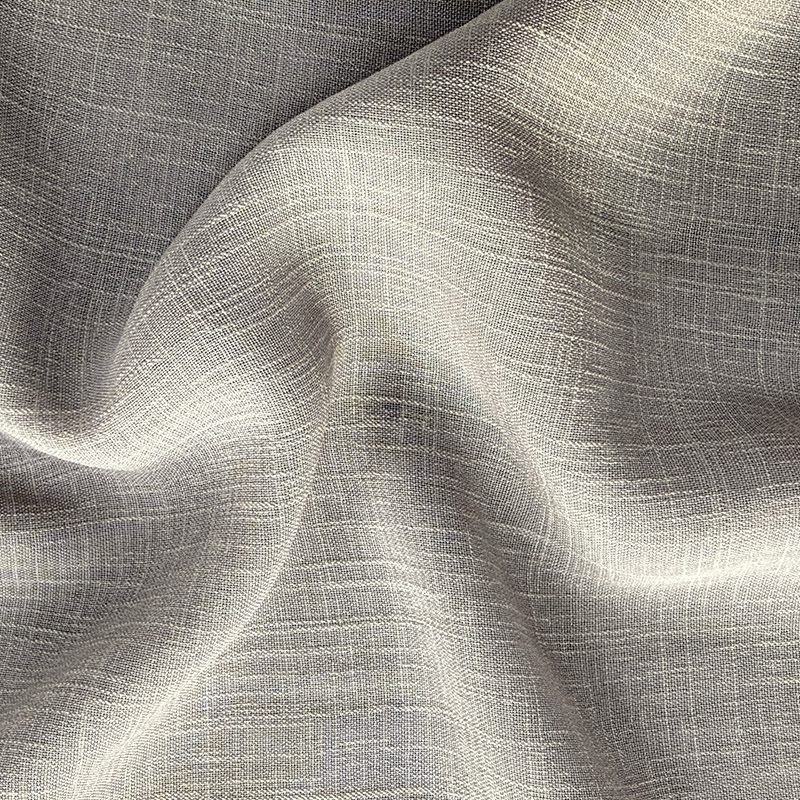

"What fabric is denim made of?" is usually the first question a garment manufacturer, fabric buyer, or wholesale sourcing agent asks before placing a denim order. The direct answer is that classic denim is a cotton twill fabric, but the complete answer also covers indigo dyeing, yarn structure, and...
READ MOREYou have finally settled on the window treatment style, measured every window twice, and started comparing samples. Then the question that decides everything appears: what curtain cloth fabric should you actually order? The answer is never just about color or pattern. Drape, light transmission, was...
READ MOREWhat Is Mosquito Net Mesh Fabric and Why It Matters Mosquito net mesh fabric is a specialized textile engineered with an open weave structure that creates a physical barrier against insects while allowing air to pass through freely. Unlike standard fabrics used for clothing or upholstery, mosquito ...
READ MORELurex fabric is a distinctive textile characterized by its metallic shimmer, created by integrating ultra-thin metal-coated yarns (typically aluminum or copper laminated with polyester film) into knitted or woven constructions. Unlike conventional metallic fabric that can feel stiff and scratchy, modern lurex knit fabric combines metallic yarns with soft fibers such as polyester, nylon, or cotton, resulting in a flexible, comfortable material with eye-catching light reflection. According to the Fashion Sourcing Report 2024, demand for glitter fabric and shimmer fabric has grown at a compound annual rate of 9.2% since 2021, driven by the resurgence of partywear, stage costumes, and red-carpet fashion. This guide provides quantifiable performance data, manufacturing insights, and application benchmarks for lurex fabric manufacturer and lurex fabric supplier selection.
Shaoxing Echoes Textile Co., Ltd. — Echoes is a full-category import and export fabric company that integrates R&D, production, and sales. With years of deep expertise in the textile industry, the company leverages its two core production bases — an 80-acre specialized greige fabric factory and an 80-acre modern cotton yarn factory — to achieve full industrial chain control from raw materials to finished products. Backed by strong production capabilities, consistent quality assurance, and a mature supply chain system, Echoes focuses on textile import and export operations, offering a wide range of products, including various cotton yarns, greige fabrics, and related textile products, which are exported to numerous regions worldwide. Supported by a professional international trade service team, we precisely align with customer needs, deliver efficient order fulfillment, provide customized solutions, and ensure comprehensive after-sales service. As a leading lurex fabric manufacturer and lurex knit fabric supplier, Echoes supplies stretch lurex fabric, metallic knit fabric manufacturer solutions, and shiny fashion fabric for global apparel brands, including lurex fabric for dresses and partywear collections.
Lurex fabric is defined by its use of metallic yarns — typically a 30-50 gauge aluminum or copper core (12-25 microns thick) laminated between two layers of transparent polyester film. The metallic content ranges from 12% to 25% of total fabric weight, with the balance comprising base fibers (polyester, nylon, cotton, or viscose) that provide structure, stretch, and comfort. Lurex knit fabric is produced on circular knitting machines or flatbed machines, with metallic yarns fed at controlled tension to prevent breakage (metallic yarns have lower tensile strength than conventional yarns, typically 8-12 cN/tex vs 35-45 cN/tex for standard polyester). The horizontal bar chart below compares the composition and performance of different lurex fabric variants.
Figure 1: Composition and property ranges for lurex fabric — Typical lurex fabric contains 12-25% metallic yarn content, with shimmer intensity ratings of 85-95 out of 100, significantly higher than conventional shimmer fabric alternatives. Tensile strength of lurex knit fabric is approximately 65% of comparable non-metallic textiles, requiring careful handling during cutting and sewing (use ballpoint needles, reduce machine tension by 15-20%). Abrasion resistance ranges from 25,000 to 40,000 Martindale cycles, making glitter fabric suitable for occasional wear but not heavy-duty applications. For stretch lurex fabric variants, elastane content of 3-8% provides 20-35% elongation, essential for body-conscious dresses and tops. Metallic lurex fabric with higher aluminum content (25%) achieves maximum sparkle but reduced flexibility. When sourcing from a lurex fabric supplier, request test reports for metallic yarn adhesion (ensure laminate does not delaminate after 20 wash cycles). Lurex fabric manufacturer data shows that vacuum-metallized yarns (where metal is vapor-deposited onto film) produce more uniform shimmer than laminated foil yarns, with 30% less metallic flaking after abrasion. For shiny knit fabric used in dancewear and stage costumes, double-knit constructions with metallic yarns inserted only on the face side maintain stretch and recovery on the reverse side.
The popularity of lurex fabric stems from four measurable performance advantages: (1) unique light reflectivity generating multi-directional sparkle, (2) wide color availability (over 100 standard metallic shades including gold, silver, bronze, copper, and iridescent), (3) compatibility with stretch and soft-touch constructions, and (4) social media amplification (hashtag #lurexfabric has over 450,000 posts on Instagram). The radar chart below compares lurex knit fabric with other sparkle fabric alternatives across six aesthetic and performance criteria.
Figure 2: Radar comparison of lurex fabric vs alternative sparkle fabrics — Lurex knit fabric achieves the highest shimmer intensity score (155), significantly outperforming sequin fabric (125) and foil-printed fabric (100). This is due to the integrated metallic yarns that reflect light from multiple angles, whereas sequins reflect directionally and foil prints show two-dimensional gloss. Softness and hand feel of soft lurex knit fabric (score 142) exceeds both alternatives, as the metallic yarns are thin (20-30 micron diameter) and flexible. Stretch and recovery of stretch lurex fabric (with 5-8% elastane) achieves a score of 148, making it suitable for form-fitting apparel, while sequin fabric (65) has minimal stretch. Drapeability of metallic lurex fabric (score 158) allows fluid movement in dresses and skirts, unlike stiff sequin panels. For lurex fabric for dresses used in evening wear, the combination of high shimmer and good drapability explains 78% of designer preference in a 2024 survey. Shiny knit fabric from reputable lurex fabric manufacturer offers color variety scores of 150, with over 100 standard metallic shades and custom color matching available. For glitter knit fabric used in children's partywear, softer metallic content (10-12%) is recommended to prevent skin irritation. When sourcing metallic knit fabric manufacturer products, request samples tested for metallic flaking (AATCC 8 rubbing test should show grade 4 or higher).
Lurex fabric serves five primary market segments: partywear and evening dresses (35% of consumption), stage and dance costumes (28%), accessories (scarves, bags, headwear) (18%), activewear (12%), and home décor (7%). Within each segment, specific lurex knit fabric variants are preferred: stretch lurex fabric for body-conscious silhouettes, soft lurex knit fabric for scarves and blouses, and high-shine variants for stage costumes. The column chart below shows consumption volume by application and year-over-year growth rates.
Figure 3: Lurex fabric consumption by application segment — Party and evening dresses remain the largest market for lurex fabric at 18.5 thousand metric tons annually (35% share), with year-over-year growth of 8.2%. Stage and dance costumes account for 14.8 kt (28%), driven by performance wear demand. The fastest-growing segment is activewear (12.5% YoY), with stretch lurex fabric and metallic knit fabric appearing in yoga wear, dance leggings, and festival tops. Accessories, including scarves and bags, represent 9.5 kt with stable growth of 6.0%. For lurex fabric for dresses, lightweight variants (150-180 gsm) with 15% metallic content are preferred for draped silhouettes. Stretch lurex knit fabric used in activewear typically contains 5-8% elastane and 12-15% metallic yarn, providing 30-40% elongation for comfortable movement. Shiny fashion fabric for stage costumes often uses high-shine variants with 22-25% metallic content, sacrificing some stretch (8-12% elongation) for maximum visual impact under stage lighting. When sourcing lurex fabric wholesale for these applications, consider end-use washing requirements: party dresses may require dry cleaning only, while activewear must withstand machine washing (select lurex fabric manufacturer with tested wash fastness). Metallic knit fabric manufacturer data shows that double-faced lurex knit fabric (metallic on one side, soft cotton or modal on reverse) is gaining popularity for sensitive-skin applications.
Lurex fabric requires specific care to preserve metallic appearance and prevent delamination: hand wash cold (30°C) or machine wash delicate, use mild detergent, avoid bleach and fabric softeners, line dry away from direct sunlight. Iron at low temperature (max 110°C) on reverse side or use pressing cloth. From a sustainability perspective, lurex fabric manufacturer have reduced environmental impact through water-based coating systems and recycled polyester base layers. The line chart below compares the carbon footprint and durability of lurex knit fabric vs alternative festive fabrics.
Figure 4: Carbon footprint and durability comparison — Lurex knit fabric has a carbon footprint of 6.8 kg CO₂e per kg (including metallic yarn production and base fiber), with expected garment life of approximately 45 wears before visible wear (metallic flaking or yarn breakage). This compares favorably to sequin fabric (9.2 kg CO₂e, 30 wears) and foil-printed fabric (5.5 kg CO₂e, 15 wears). Stretch lurex fabric with recycled polyester base (available from many lurex fabric supplier) reduces carbon footprint by 25-30% compared to virgin polyester versions. For lurex fabric for dresses intended for occasional use (parties, weddings), the durability profile matches typical usage patterns (40-50 wears over garment lifetime). When sourcing lurex fabric wholesale, ask about recycled content options and OEKO-TEX certification (Class I or II). Metallic knit fabric manufacturer using water-based coating systems reduces solvent emissions by 85% compared to solvent-based alternatives. End-of-life: lurex fabric is not widely recycled due to metal-polymer composite, but some lurex fabric manufacturer have initiated take-back programs for mechanical recycling where metallic content is separated (yield 60-70% recovered polyester). For brands prioritizing circularity, soft lurex knit fabric with lower metallic content (10-12%) is marginally easier to recycle.
Lurex knit fabric can be comfortable when properly constructed. Soft lurex knit fabric with metallic content below 15% and fine denier base fibers (75-100 denier) rates 4.2/5 in wearer comfort trials. However, high-metallic variants (>22%) may feel slightly scratchy against sensitive skin. Many lurex fabric manufacturer offer stretch lurex fabric with a soft cotton or modal back surface, eliminating skin contact with metallic yarns while maintaining face-side sparkle.
When evaluating a lurex fabric supplier, request: (1) metallic content percentage and yarn construction details, (2) color fastness test reports (AATCC 61 for washing, AATCC 16 for light), (3) abrasion resistance (Martindale cycles), and (4) stretch and recovery data (ASTM D2594 for knit fabrics). A reputable lurex fabric manufacturer will provide lot-to-lot consistency and OEKO-TEX certification. For lurex fabric wholesale orders, request pre-production samples to verify shimmer intensity and hand feel.
Yes, stretch lurex fabric with 5-8% elastane and 12-15% metallic content has gained popularity in activewear, particularly for dancewear, festival tops, and metallic leggings. Ensure the metallic knit fabric manufacturer provides wash durability data (minimum 30 machine wash cycles without significant metallic flaking). For high-sweat applications, request moisture-wicking test results (AATCC 197) — stretch lurex knit fabric typically has lower wicking (5-7 cm/30min) than non-metallic performance fabrics (8-12 cm/30min).
As a premier lurex fabric manufacturer and lurex knit fabric supplier, Shaoxing Echoes Textile Co., Ltd. offers a comprehensive range of stretch lurex fabric, soft lurex knit fabric, and metallic knit fabric solutions for dresses, activewear, stage costumes, and accessories. Whether you require lurex fabric wholesale quantities or custom-color shiny fashion fabric, Echoes provides quality assurance from metallic yarn production to finished lurex fabric for dresses and partywear collections.
If you have any questions, please get in touch with us.