English
 Español
 italiano
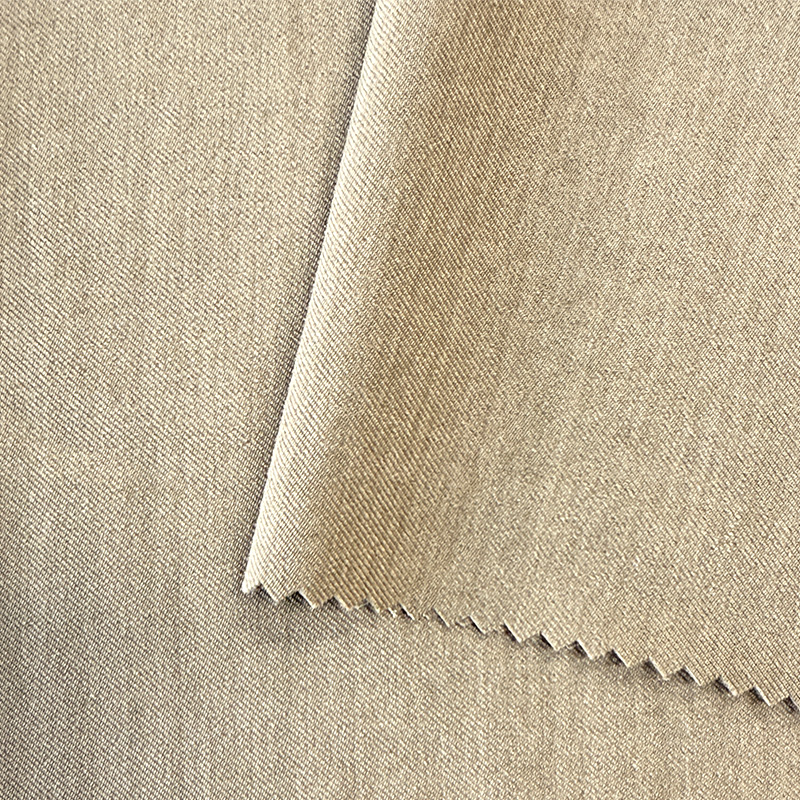
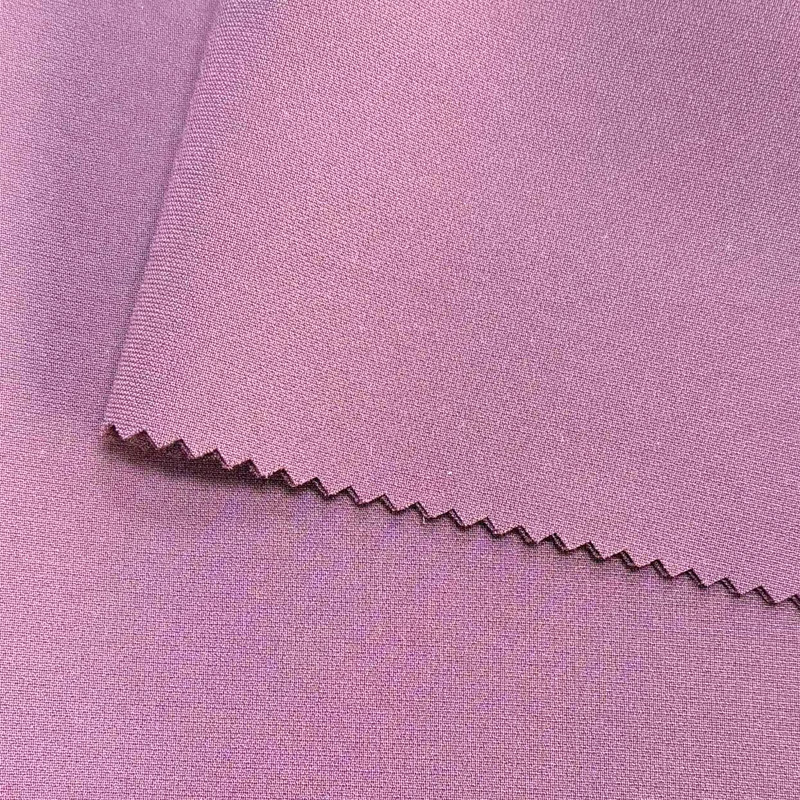
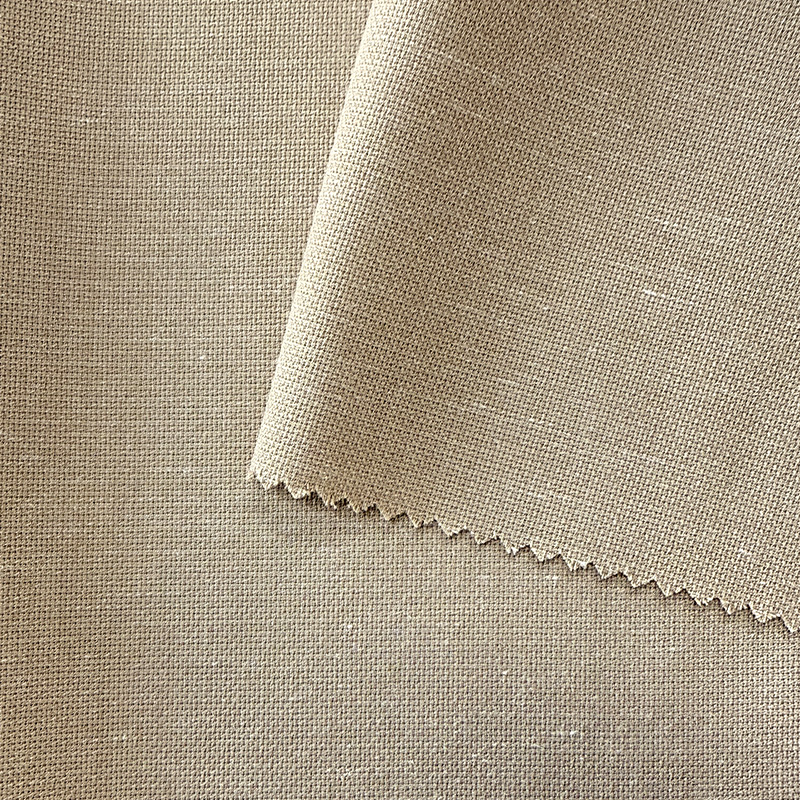
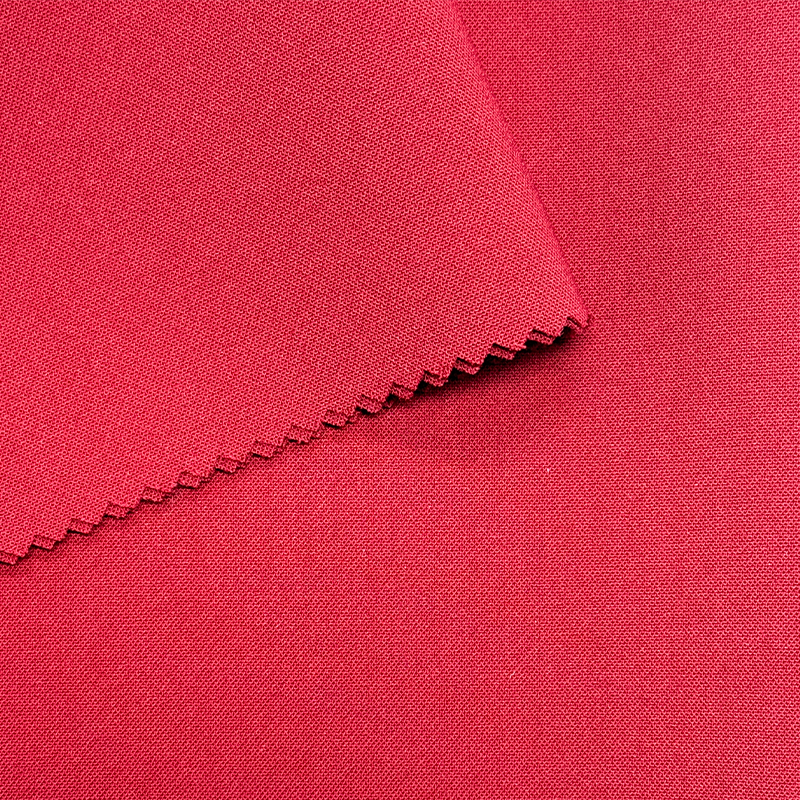
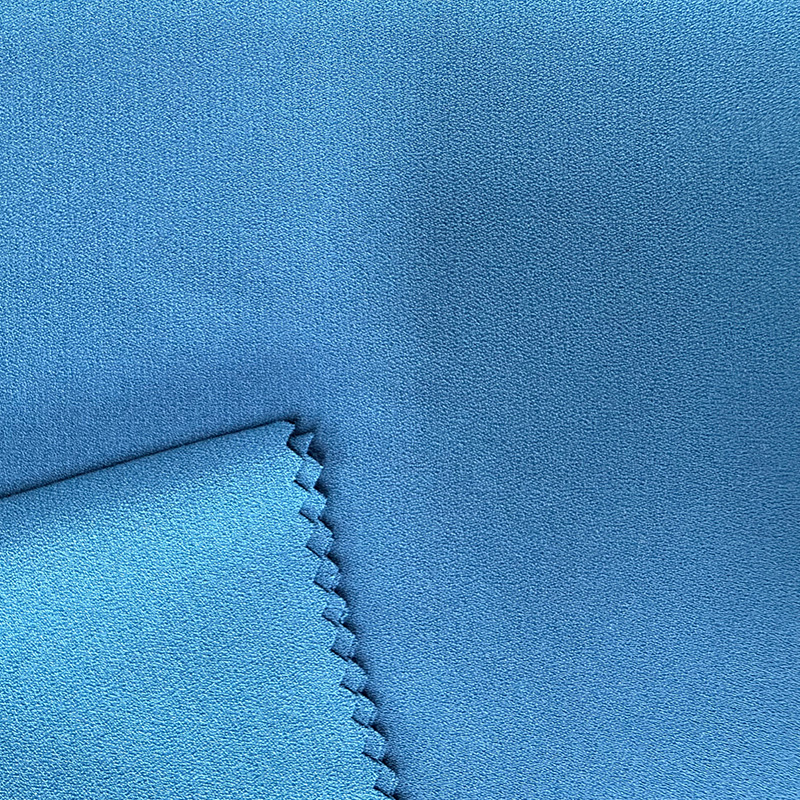
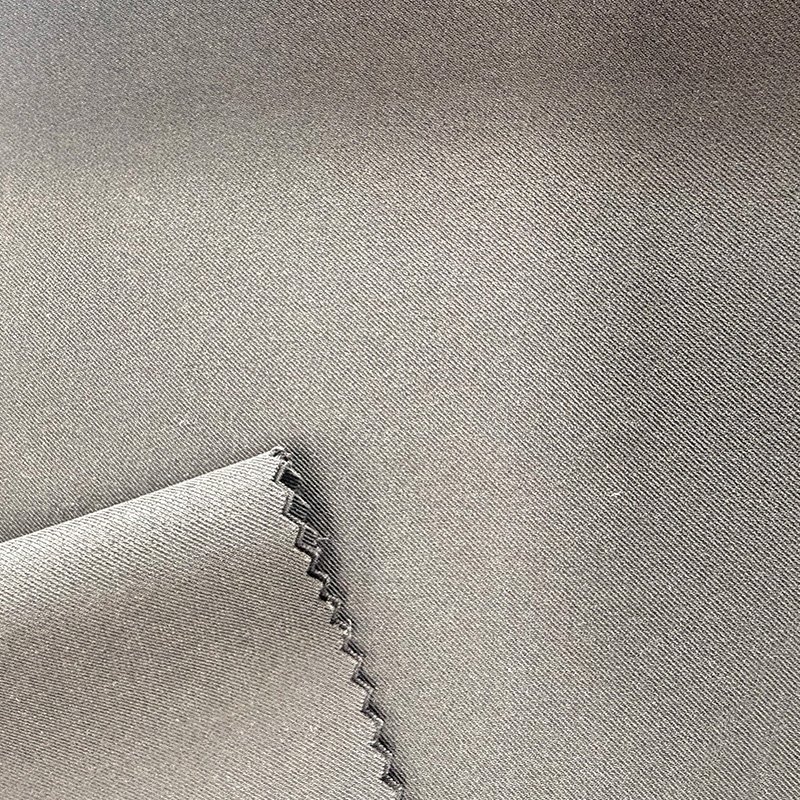
NO1005 Composite Filament Plaid Four-Way Stretch
93% T 7% SP 58"60" 290GSM
This Composite Filament Checkered Four-Way Stretch Fabric features excellent rebound st...

1. Premium Fabric, Smooth and Stiff Surface
The Composite Filament Fabric Series offers a smooth touch with a stiff surface, a unique texture, and comfortable, natural wear.
2. Convenient Machine Wash, Easy Care
This fabric is machine washable, easy to clean, and resistant to deformation, saving time on maintenance.
3. Quick Drying, No Ironing Required
The quick-drying design allows the fabric to return to its original state after washing, without the need for ironing, maintaining a neat appearance.
4. Durable and Easy to Maintain
Resistant to wear, this fabric has a long service life, is less prone to wrinkles and damage, and is easy to maintain on a daily basis.
5. Excellent Dyeing Effect
Whether bright or dark colors, the dyeing effect is highly stable, with vibrant and long-lasting colors.
6. Fade-Resistant, Long-Lasting Durability
The fabric is resistant to fading, maintaining its rich color even after extended use and washing.
Application Scenarios
Especially suitable for professional suit sets, showcasing a professional image and meeting business needs.
If you have ever asked what fabric is modal, you are not alone. Modal is one of the most frequently mentioned yet least understood fibers in modern apparel. The direct answer is that modal is a semi-synthetic, wood-derived cellulose fiber, usually made from beechwood pulp, and classified as a high-...
READ MORE"What fabric is denim made of?" is usually the first question a garment manufacturer, fabric buyer, or wholesale sourcing agent asks before placing a denim order. The direct answer is that classic denim is a cotton twill fabric, but the complete answer also covers indigo dyeing, yarn structure, and...
READ MOREYou have finally settled on the window treatment style, measured every window twice, and started comparing samples. Then the question that decides everything appears: what curtain cloth fabric should you actually order? The answer is never just about color or pattern. Drape, light transmission, was...
READ MOREComposite filament fabric represents an advanced category of technical textiles where multiple material layers — typically a durable polyester or nylon filament base, a functional membrane, and a protective top coating — are combined to achieve performance characteristics unattainable with single-layer fabrics. Unlike conventional filament fabric, composite fabric and laminated filament fabric are engineered for demanding applications requiring simultaneous waterproofness, breathability, wind resistance, and mechanical durability. According to industry data, the global market for composite filament fabric exceeded USD 8.2 billion in 2023, with a projected CAGR of 6.8% through 2030, driven by outdoor apparel, protective workwear, and technical gear sectors. This guide provides quantifiable performance benchmarks and application-specific data for selecting waterproof composite fabric and breathable composite fabric solutions.
Shaoxing Echoes Textile Co., Ltd. — Echoes is a full-category import and export fabric company that integrates R&D, production, and sales. With years of deep expertise in the textile industry, the company leverages its two core production bases — an 80-acre specialized greige fabric factory and an 80-acre modern cotton yarn factory — to achieve full industrial chain control from raw materials to finished products. Backed by strong production capabilities, consistent quality assurance, and a mature supply chain system, Echoes focuses on textile import and export operations, offering a wide range of products, including various cotton yarns, greige fabrics, and related textile products, which are exported to numerous regions worldwide. Supported by a professional international trade service team, we precisely align with customer needs, deliver efficient order fulfillment, provide customized solutions, and ensure comprehensive after-sales service. As a specialized composite fabric supplier and composite fabric manufacturer, Echoes produces outdoor composite fabric, breathable composite fabric, and high performance composite fabric for global technical textile markets.
A typical composite filament fabric consists of three functional layers: (1) a face fabric of durable filament fabric (polyester or nylon, 70-200 denier) providing abrasion resistance and structural integrity, (2) a membrane layer (ePTFE, PU, or TPU) responsible for waterproofness and breathability, and (3) a backer or coating that protects the membrane and enhances comfort against skin. The bonding process — either lamination or direct coating — determines final performance. According to ASTM D751 testing, high-quality laminated filament fabric achieves peel strength exceeding 4.5 N/cm, ensuring layer integrity over the product lifetime. The horizontal bar chart below compares performance characteristics of different composite constructions.
Figure 1: Performance comparison of composite filament fabric constructions — ePTFE-based composite filament fabric (expanded polytetrafluoroethylene membrane) achieves the highest waterproofness score of 98, corresponding to hydrostatic head values exceeding 20,000 mm H₂O per ISO 811, with breathability rating of 92 (MVTR > 10,000 g/m²/24h). This makes ePTFE the preferred choice for premium outdoor fabric and mountaineering apparel. PU-coated composite fabric offers good waterproofness (85, equivalent to 8,000-12,000 mm H₂O) but lower breathability (62, MVTR 4,000-6,000 g/m²/24h), suitable for urban outerwear and light rainwear. TPU laminates provide intermediate performance (75 waterproof, 70 breathable) with higher flexibility and lower cost. Abrasion resistance for all high performance composite fabric variants depends on face fabric denier: a 100-denier filament face achieves 50,000+ Martindale cycles, while 200-denier exceeds 100,000 cycles. When evaluating composite fabric supplier samples, request ASTM D751 for coated fabric strength, ASTM E96 for breathability, and AATCC 127 for hydrostatic resistance. For waterproof composite fabric intended for heavy-duty workwear, minimum requirements should include 10,000 mm hydrostatic head and 8,000 g/m²/24h breathability to balance protection and comfort during physical activity.
Composite filament fabric serves four primary market sectors: outdoor apparel (42% of global consumption), protective workwear (28%), technical equipment (18%), and healthcare/institutional (12%). Within each sector, specific performance requirements dictate membrane selection, face fabric weight, and finishing treatments. The radar chart below compares four common composite fabric types across six performance criteria relevant to end-use applications.
Figure 2: Radar comparison of composite filament fabric by application sector — Outdoor composite fabric designed for mountaineering prioritizes waterproofness (score 155) and breathability (145), achieved with ePTFE membranes and lightweight face fabrics (40-70 gsm). Protective workwear composite fabric balances abrasion resistance (score 140) and tear strength (138) with good waterproofness (135), using heavier face fabrics (200-400 denier) and PU coatings optimized for durability. Healthcare laminated filament fabric focuses on flexibility (score 130) and breathability (120) for surgical gowns and patient bedding, with lower waterproofness requirements (110). For each application, selecting the appropriate composite fabric supplier requires specifying the dominant performance metric. Waterproof composite fabric for extreme conditions (heavy rain, snow) should maintain hydrostatic head above 15,000 mm H₂O with MVTR above 10,000. For industrial technical fabric applications (protective coverings, inflatable structures), seam strength and UV resistance become additional criteria: UV resistance should maintain 80% of tensile strength after 500 hours of accelerated weathering per ASTM G154. Breathable composite fabric used in active sportswear requires rapid moisture vapor transfer; testing shows that mechanical stretch composite filament fabric with elastane-free construction achieves better recovery after laundering (residual stretch <3%) compared to spandex-containing variants (residual stretch 8-10%).
Rigorous testing ensures composite filament fabric meets claimed performance specifications. Key test methods include: hydrostatic head (ISO 811 or AATCC 127) for waterproofness, moisture vapor transmission rate (ASTM E96, Method B) for breathability, peel strength (ASTM D751) for lamination integrity, and abrasion resistance (ASTM D4966) for face fabric durability. The column chart below shows typical test result ranges for premium high performance composite fabric.
Figure 3: Typical test results for premium composite filament fabric — Leading high performance composite fabric achieves hydrostatic head exceeding 20,000 mm H₂O, sufficient for extreme rain and snow conditions. MVTR breathability of 12,000 g/m²/24h allows moisture generated during high-intensity activity (approximately 800-1,200 g/m²/24h) to escape, preventing clamminess. Peel strength of 5.2 N/cm (ASTM D751) exceeds the typical industry requirement of 3.5 N/cm, ensuring lamination integrity through 50+ washing cycles. Abrasion resistance of 65,000 Martindale cycles suits demanding outdoor use, with face fabric tear strength of 55 N preventing propagation of cuts. UV resistance (85% tensile retention after 500 hours accelerated weathering) ensures outdoor fabric longevity in direct sunlight. For waterproof composite fabric used in marine or extreme UV environments, request additional xenon arc testing per ASTM G155. When evaluating composite fabric supplier test reports, ensure that samples are conditioned at 21°C and 65% relative humidity for 24 hours prior to testing per standard protocols. Breathable composite fabric intended for aerobic activities (running, cycling) should demonstrate MVTR above 15,000 g/m²/24h using inverted cup method (ASTM E96, Method B). Laminated filament fabric for convertible applications (tents, backpacks) requires additional seam strength testing: heat-sealed seam peel strength should exceed 4.0 N/cm per ASTM D751.
The functional longevity of composite filament fabric directly impacts its environmental footprint. Premium high performance composite fabric typically offers 5-8 years of active use in outdoor apparel, compared to 2-3 years for lower-grade alternatives. Durability translates to reduced replacement frequency and lower lifecycle carbon emissions. The line chart below illustrates the relationship between composite fabric quality grade and effective service life, based on field performance studies.
Figure 4: Service life by composite filament fabric quality grade — Premium composite fabric (using ePTFE membranes and high-tenacity filament face fabrics) achieves 6.5 years of active service life, compared to 2.5 years for economy-grade laminated filament fabric. Ultra-premium constructions (reinforced seams, higher denier face fabric) extend service life to 8 years. Lifecycle assessment data indicates that selecting premium high performance composite fabric reduces annualized environmental impact by 45% despite higher initial material footprint, due to fewer replacement cycles. For outdoor composite fabric users, this translates to 60% lower waste generation over a 10-year period. When sourcing from a composite fabric manufacturer, request data on predicted service life based on accelerated aging tests (ASTM D4329 for UV/humidity cycling). Waterproof composite fabric for professional use (search and rescue, forestry work) should undergo additional field validation. Breathable composite fabric for daily commuting apparel benefits from DWR (durable water repellent) finishes that maintain performance for 30-50 wash cycles; replenishment treatments can extend effective waterproofness by 2-3 years. A responsible composite fabric supplier will provide care instructions to maximize longevity: machine wash cold (30°C) with non-detergent soaps, avoid fabric softeners, and tumble dry low or line dry.
Composite filament fabric is a broad term encompassing any multi-layer engineered textile, while laminated filament fabric specifically refers to constructions where separate layers (face fabric, membrane, backer) are bonded using adhesive or thermal lamination. Most high-performance outdoor composite fabric uses lamination as the bonding method. Waterproof composite fabric can also be produced via direct coating (applying polymer directly to face fabric), though coated variants typically offer lower breathability than laminated membranes.
When evaluating a composite fabric supplier, request: (1) third-party test reports for hydrostatic head, MVTR, and peel strength, (2) face fabric specifications (denier, filament type, weave structure), (3) membrane type and thickness (typically 20-50 microns), and (4) seam sealing compatibility data. A reliable composite fabric manufacturer will also provide care instructions and predicted service life estimates. For breathable composite fabric used in active sportswear, prioritize MVTR above 10,000 g/m²/24h; for high performance composite fabric in extreme conditions, hydrostatic head above 20,000 mm H₂O is recommended.
Recycling composite fabric remains challenging due to heterogeneous layers. However, advancements in mono-material composites (using polyester for both face fabric and membrane) enable recyclability through chemical recycling processes. Some composite fabric supplier networks now offer take-back programs for end-of-life waterproof composite fabric. Mechanical separation of layers is possible for laminated filament fabric but reduces material value. When circularity is a priority, select composite filament fabric with documented end-of-life pathways.
As a specialized composite fabric supplier and composite fabric manufacturer, Shaoxing Echoes Textile Co., Ltd. delivers composite filament fabric, waterproof composite fabric, and breathable composite fabric solutions for outdoor, workwear, and technical applications. Whether you require outdoor composite fabric for mountaineering gear or high performance composite fabric for industrial protective wear, Echoes provides certified quality with full traceability. Partner with a composite fabric supplier that controls the entire production chain from filament extrusion to final lamination.
If you have any questions, please get in touch with us.