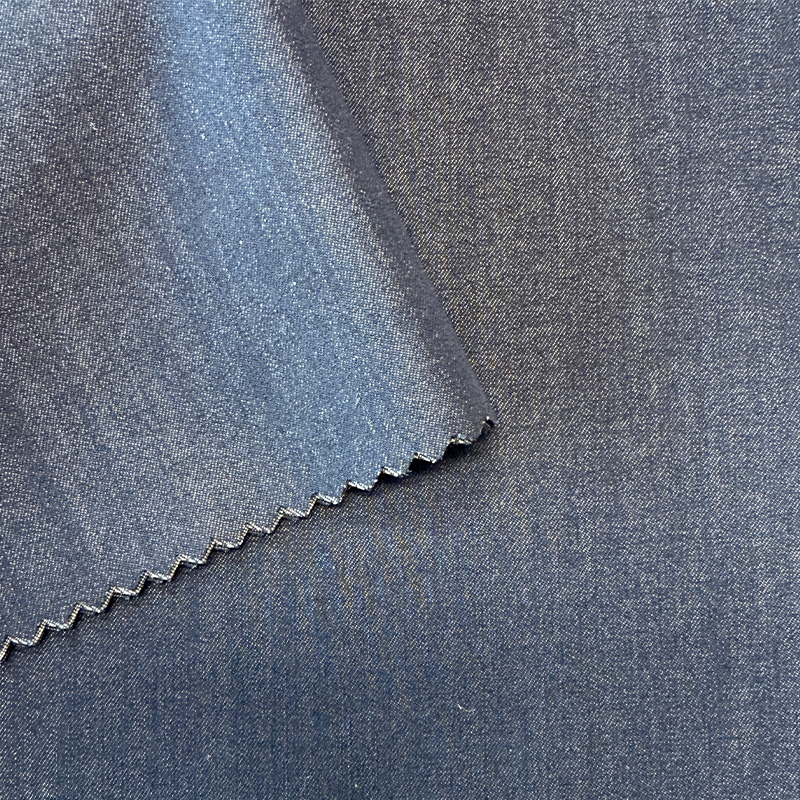
English
 Español
 italiano
Content
- 1 The Short Answer: What Fabric Is Denim Made Of?
- 2 How Denim Is Made: From Cotton Fiber to Finished Fabric
- 3 Fiber Composition at a Glance
- 4 What Fabric Is Denim Made Of in Different Denim Types?
- 5 Imitation Denim and Denim-Look Alternatives
- 6 How to Choose Denim Fabric as a Manufacturer, Supplier, or Wholesaler
- 7 Denim Fabric Care and Maintenance Guide
- 8 Frequently Asked Questions About Denim Fabric Composition
- 9 Connect with a Denim Fabric Supplier That Understands Fiber
"What fabric is denim made of?" is usually the first question a garment manufacturer, fabric buyer, or wholesale sourcing agent asks before placing a denim order. The direct answer is that classic denim is a cotton twill fabric, but the complete answer also covers indigo dyeing, yarn structure, and modern fiber blends. Because cotton type, yarn count, and blend ratios affect shrinkage, durability, hand feel, and price, every buyer should know exactly what is inside the fabric they are planning to cut. This guide explains the fiber composition of denim, how it is woven, how to choose between compositions, and where denim-look fabrics fit in a supplier's range.
Key conclusion: If you can name the fiber percentage, weave type, and finishing process, you can source denim with much more control.
The Short Answer: What Fabric Is Denim Made Of?
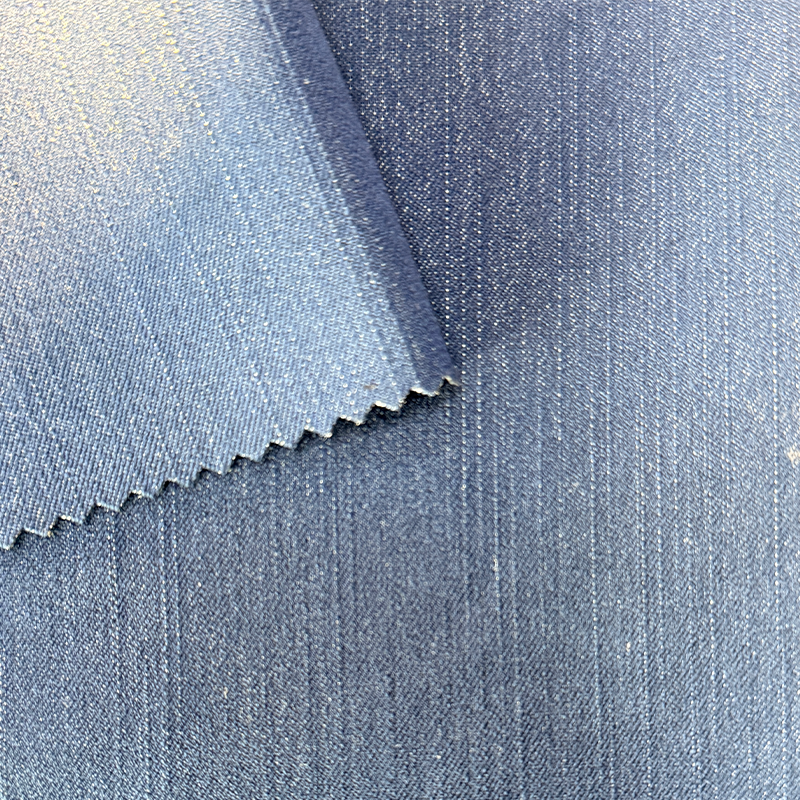
Denim is made of cotton in its most traditional form. More precisely, it is a warp-faced twill fabric in which the dyed warp yarns pass over two or more weft yarns, producing a diagonal line on the face and a lighter back. The standard blue shade comes from indigo applied to the warp before weaving, while the weft is usually undyed cotton.
Most commercial denim today is not strictly 100 percent cotton. Stretch denim contains 2 to 4 percent elastane, and blended denim can contain polyester, rayon, lyocell, nylon, or recycled fibers. Cotton remains the base material because it gives denim its breathability, absorbency, break-in characteristics, and natural aging behavior.
For a fabric supplier or garment factory, the exact cotton ratio is not only a quality issue; it is also a production issue. A higher cotton content changes seam strength, pressing behavior, and finishing conditions. A lower cotton content can improve wrinkle resistance, drying speed, and price stability but may change the surface aesthetics.
Key conclusion: The simplest answer is cotton twill, but the fabric you actually buy may be a carefully engineered cotton blend; always confirm the fiber percentage before production.
How Denim Is Made: From Cotton Fiber to Finished Fabric
Denim production starts with cotton fiber, then moves through yarn spinning, dyeing, weaving, and finishing. Each step influences the final hand feel, color depth, and shrinkage behavior.
1. Cotton selection and yarn spinning
Long-staple cotton such as Supima or Egyptian cotton produces smoother, stronger yarns, while standard upland cotton is more common for volume denim production. Ring-spun yarn is still preferred for authentic denim because it gives a softer, more natural slub effect and better durability than open-end yarn.
2. Indigo dyeing
Indigo is the traditional dye for denim. The warp yarns are dipped in indigo baths and oxidized repeatedly, which explains why denim fades gradually with wear. Rope dyeing is standard for high-quality denim because it penetrates the yarn surface evenly and leaves the center white, creating the vintage fade over time.
3. Twill weaving
The classic denim construction is a 3/1 warp-faced twill: the warp goes over three weft threads and under one. A 2/1 twill gives a softer, lighter fabric, while a 4/1 twill gives a denim with a more pronounced diagonal and heavier weight.
4. Finishing and shrinkage control
After weaving, denim can be sanforized to control shrinkage, singed for smoothness, brushed for softness, or coated for weather resistance. These mechanical and chemical processes can change the fabric weight, stretch, and color fastness.
| Stage | Main purpose | Typical effect on fabric |
|---|---|---|
| Cotton ginning and spinning | Turn raw cotton into uniform yarn | Strength, slub effect, yarn count |
| Indigo dyeing | Color the warp yarns | Shade depth, wash-down behavior |
| Twill weaving | Create the diagonal denim structure | Drape, durability, surface texture |
| Sanforization | Pre-shrink the fabric | Better dimensional stability |
| Softening or brushing | Adjust the hand feel | Softer touch, smoother surface |
Key conclusion: The manufacturing route is just as important as the fiber mix because dyeing and finishing determine how denim fades, shrinks, and feels after the first wash.
Fiber Composition at a Glance
Fiber selection controls the personality of a denim fabric. Cotton stays dominant because it absorbs indigo well and creates the familiar break-in feel. Elastane is added when a supplier needs stretch and recovery. Polyester or recycled polyester appears in blends for wrinkle resistance and faster drying. Organic cotton and recycled fiber systems are growing in sourcing programs.
Looking at the chart from left to right, the cotton share stays high in most mainstream denim. Classic denim is close to 100 percent cotton, which explains its long durability and natural aging. Stretch denim replaces only a small share of cotton with elastane, but that small addition has a large effect on comfort. Jeans with 2 percent elastane are easier to put on and keep their shape better during the day. Poly-blend denim reduces cost and improves color retention, but it does not age in exactly the same way as cotton. The eco/recycled example shows how producers maintain a cotton-dominant identity while introducing responsible materials. The common thread is that cotton remains the base even when other fibers are present. This matters for buyers because the fiber ratio changes shrinkage, pilling, and garment durability. It also affects how factories finish the fabric and how it behaves in bulk production. In practice, a 100 percent cotton denim needs more careful washing control, while a stretch blend can tolerate more variation. A supplier that understands these ratios can help a buyer match the right composition to the final garment. That is why Echoes, as a vertical textile manufacturer, treats fiber selection as the first decision in a denim-led order.
Key conclusion: Cotton is constant across most denim constructions, but the blend ratio should be decided by the garment type, performance requirement, and target price point.
What Fabric Is Denim Made Of in Different Denim Types?
Different denim categories exist because cotton behaves differently when it is blended, stretched, or pre-treated. The fiber mix is what separates raw denim from poly denim and lightweight denim-look fabric.
| Denim type | Typical composition | Best suited for |
|---|---|---|
| Raw / selvedge denim | 100% cotton | Premium jeans, tailored workwear |
| Stretch denim | Cotton + 2-4% elastane | Skinny jeans, fitted trousers |
| Sanforized denim | 100% cotton, pre-shrunk | Ready-to-wear garments |
| Acid wash denim | 100% cotton or cotton-poly | Casual jackets, statement jeans |
| Poly denim | Cotton-polyester blends | Uniforms, budget casual wear |
| Denim-look / imitation denim | Polyester, rayon, Tencel, cotton | Dresses, skirts, lightweight jackets |
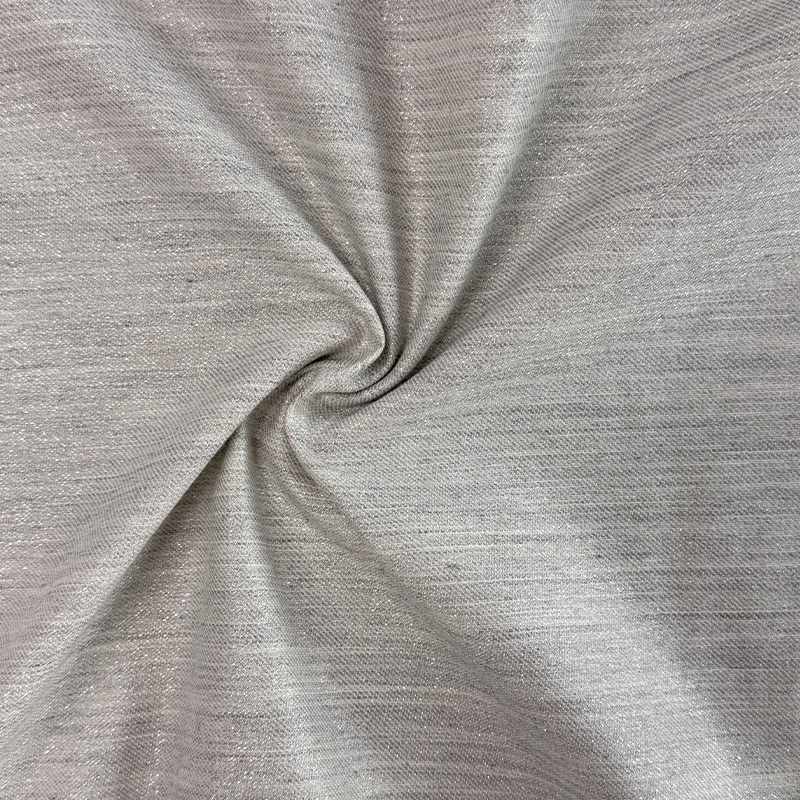
A slub imitation denim reproduces the uneven surface of rustic cotton denim and can be made from TR blends for easier care. This type works for fashion tops and dresses that need denim texture without the heavy cotton hand.
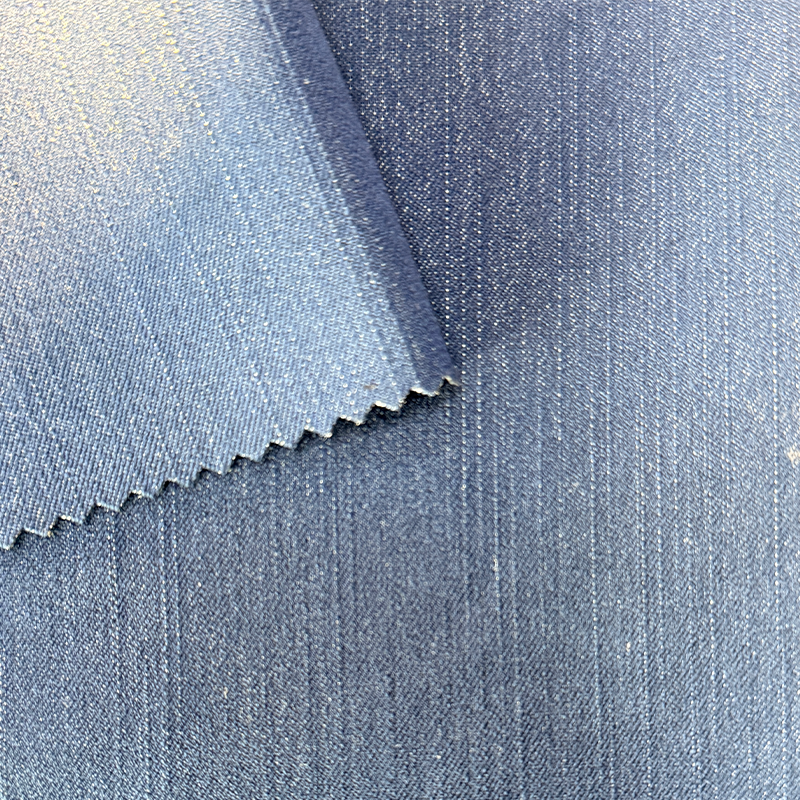 NO 6047 Imitation Denim Slub Fabric with Bamboo TextureThis denim-look fabric combines a twill weave with bamboo yarn textures and 6% spandex for stretch. It suits fashion tops and dresses needing denim aesthetics with easier care than cotton.View Product →
Key conclusion: The same "denim" name can describe very different fabrics, so the sheet must state weave, weight, fiber percentage, and finishing expectation.
Imitation Denim and Denim-Look Alternatives
Not every fabric with a denim appearance is made from cotton twill. Many suppliers produce denim-look or imitation denim fabrics using polyester, viscose rayon, lyocell, nylon, and spandex to achieve a similar blue twill aesthetic with a lighter, drapier hand feel. These fabrics are common in dresses, skirts, shirts, lightweight jackets, and uniforms where cotton denim would be too heavy or difficult to maintain.
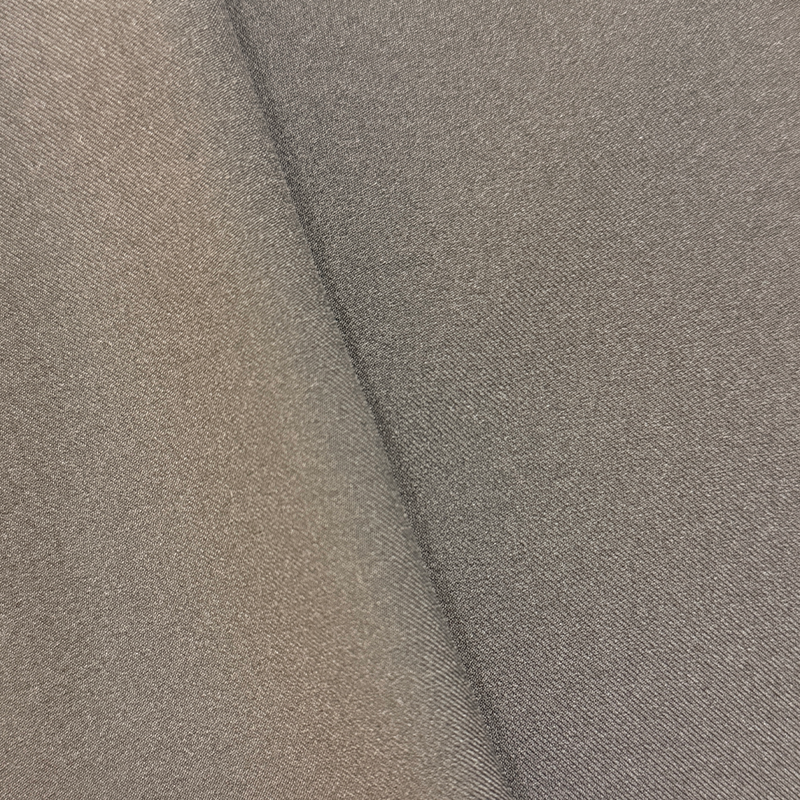
For example, Echoes produces a TR denim-look group that keeps the visual character of denim while improving drape and softness for womenswear. One of the cleanest ways to get a two-tone denim effect is a TR twill in which the warp and weft colors create a subtle contrast.
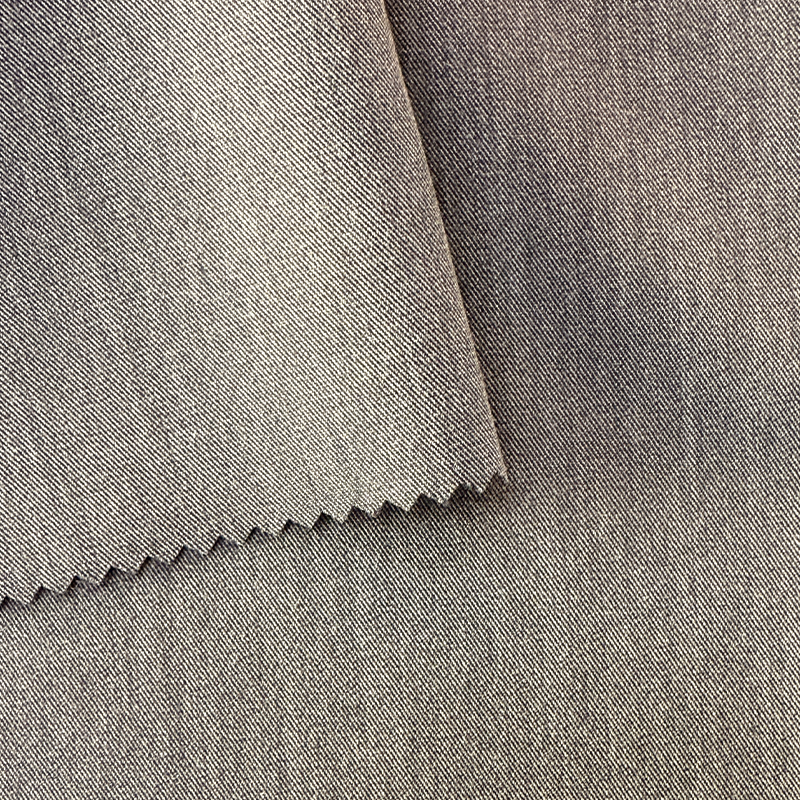 NO 6042 Two-tone TR Imitation Denim Twill FabricA lightweight TR twill with subtle warp-weft contrast and 6% spandex. It offers crispness and drape, ideal for skirts, dresses, and blazers that need a softer denim effect.View Product →
A two-tone construction reads as denim from a distance but stays lighter and softer than a true cotton twill. This makes it useful for skirts, dresses, and fashion blazers. If you are building a broader sourcing plan, the woven fabric collections at Echoes also cover jacquard, velvet, printed, and other twill constructions that coordinate with denim-look pieces.
Key conclusion: Imitation denim is not a cheap copy; it is a different product category with better drape, lower weight, and easier care for fashion-led garments.
How to Choose Denim Fabric as a Manufacturer, Supplier, or Wholesaler
Choosing denim is not just about color; it is about production behavior and final fit. A fabric that looks right in a hand sample can still cause trouble in bulk if the fiber percentage, weave density, or finishing is not controlled.
| Fabric weight | 8-10 oz for shirts, 10-14 oz for jeans, 14+ oz for structured outerwear. |
| Stretch and recovery | Measure elongation and recovery; poor recovery creates baggy knees and sagging waistlines. |
| Shrinkage control | Ask whether the denim is sanforized; raw denim can shrink 5-8 percent, while pre-shrunk goods should stay under 3-4 percent. |
| Color fastness | Indigo fades by design, so check crocking and wash-down behavior against the buyer's color standard. |
| Fiber certification | For sustainable programs, verify organic or recycled content certificates before bulk ordering. |
| Finishing route | Singed, brushed, coated, or enzyme-washed finishes change the hand feel, luster, and price. |
When sourcing through a fabric manufacturer, check not only the denim type but also the fabric weight. Jeans denim usually ranges from 10 to 16 oz per square yard, shirting denim from 5 to 8 oz, and jacket denim from 9 to 13 oz. The same weave in 8 oz feels very different from the same weave in 14 oz, so weight should be written into the technical spec.
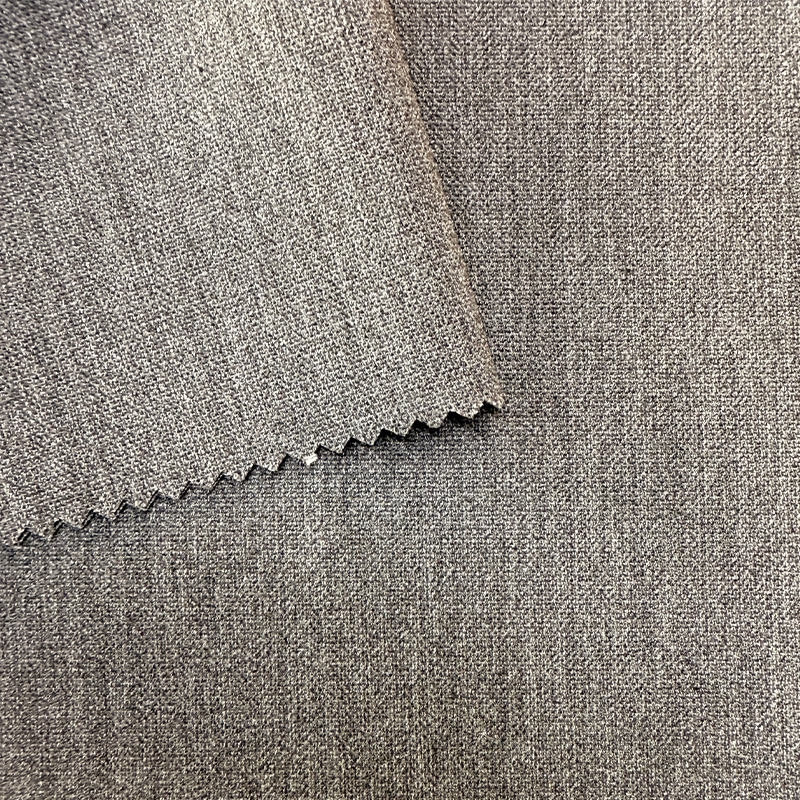
For lighter garments that need all-day comfort, a stretch denim-look fabric can keep the visual style while offering better recovery and breathability.
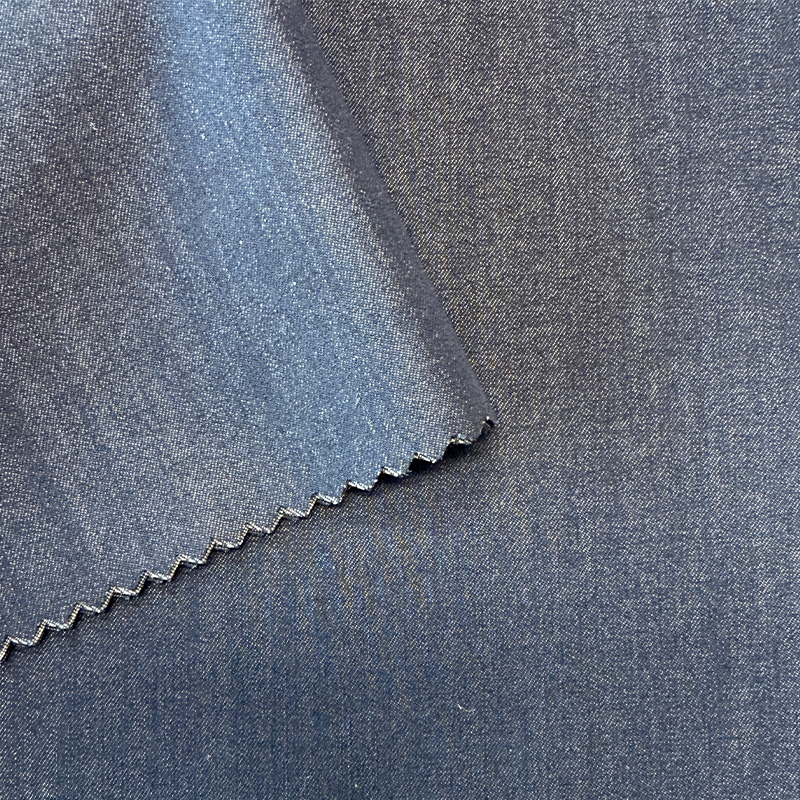 NO 6048 Stretch Denim-Look Fabric for Everyday WearThis 190GSM stretch fabric mimics denim's texture while providing 6% spandex for comfort and recovery. Useful for jeans, jackets, and coats that require shape retention and easy care.View Product →
Key conclusion: A reliable sourcing sheet should include weight, fiber blend, weave type, shrinkage range, stretch recovery, and finishing details, not just a shade name.
Denim Fabric Care and Maintenance Guide
The fiber blend and finishing method should determine how denim is washed, not the other way around.
- Wash denim less often to preserve indigo and reduce fiber stress.
- Turn garments inside out before washing to minimize surface abrasion.
- Use cold water and a gentle cycle to limit shrinkage.
- Avoid bleach and citrus-based stain removers that affect indigo.
- Line dry in the shade; high heat can distort waistbands and elastane blends.
- For stretch denim, skip the dryer or use the lowest heat setting.
Key conclusion: Correct care extends the life of both cotton denim and blended denim, and it is especially important for stretch varieties with elastane.
Frequently Asked Questions About Denim Fabric Composition
These are the questions that fabric buyers and garment production teams usually ask when they need a precise specification for denim.
What fabric is denim made of?Traditionally, denim is made of 100 percent cotton woven in a warp-faced twill construction. The warp yarns are dyed with indigo and the weft yarns are left undyed, which creates the characteristic blue face and white back. |
Is denim always 100 percent cotton?No. Stretch denim usually contains 2 to 4 percent elastane. Blended denim can also include polyester, rayon, lyocell, or recycled fibers, but cotton usually remains the majority fiber. |
What is the difference between denim and jeans?Denim is the fabric; jeans are the garment made from it. Denim can be used for jackets, skirts, shirts, and bags, but jeans are the most common finished product. |
Is denim a natural fabric or a synthetic fabric?Classic denim is a natural fabric because cotton is a natural plant fiber. When a manufacturer adds elastane, polyester, or recycled synthetic fibers, the fabric becomes a blend rather than a pure natural textile. |
Why does denim shrink?Denim shrinks because cotton fibers swell and tighten when wet. Sanforized denim is pre-shrunk to keep shrinkage below roughly 3 percent, while raw denim can shrink much more on the first wash. |
Which denim composition is best for dresses and skirts?For lightweight dresses and skirts, a rayon, lyocell, or TR denim-look fabric is often more comfortable than heavy cotton denim. These blends provide denim styling with better drape and softer movement. |
Key conclusion: The fiber composition should be the starting point for every denim sourcing conversation because it drives cost, comfort, durability, and care.
Connect with a Denim Fabric Supplier That Understands Fiber
Knowing what fabric denim is made of is the first half of the sourcing story. The second half is finding a manufacturer who can translate that knowledge into consistent goods. Echoes operates its own cotton yarn and grey fabric production bases, so it can control fiber selection, spinning, weaving, and finishing under one supply chain.
If you need a standard cotton denim spec, a stretch version, or a lightweight denim-look fabric for dresses and tops, the export team can review your target weight, color, and order volume. Contact Echoes with your detailed requirement, and the team will recommend a suitable construction with a clear technical spec.
Key conclusion: A strong supplier can specify the cotton blend, weave density, and finishing process clearly, not simply call the sample "denim."