English
 Español
 italiano
Content
- 1 What Makes a Curtain Cloth Fabric Perform Well?
- 2 Curtain Cloth Fabric Types Compared
- 3 Light-Blocking Performance Across Curtain Fabrics
- 4 Construction Quality: The Hidden Difference in Curtain Cloth Fabric
- 5 Choosing Curtain Cloth Fabric by Application
- 6 Sustainable Curtain Cloth Fabric: A Growing Sourcing Priority
- 7 Maintaining Your Curtain Fabric: Tips for Long Service Life
- 8 Frequently Asked Questions About Curtain Cloth Fabric
- 8.1 What is the difference between curtain cloth fabric and upholstery fabric?
- 8.2 How many metres of curtain cloth fabric do I need per window?
- 8.3 Is polyester a good curtain cloth fabric choice?
- 8.4 What is blackout curtain fabric made of?
- 8.5 Can curtain cloth fabric suppliers develop custom colours and patterns?
- 8.6 What is the minimum order quantity for commercial curtain fabric?
- 8.7 How can I verify the quality of curtain cloth fabric before placing a large order?
- 9 Where to Start Your Curtain Cloth Fabric Sourcing
You have finally settled on the window treatment style, measured every window twice, and started comparing samples. Then the question that decides everything appears: what curtain cloth fabric should you actually order? The answer is never just about color or pattern. Drape, light transmission, washing behaviour, abrasion resistance, fibre composition, and supplier consistency all influence whether a curtain looks elegant on the first day and still looks correct after three years of sun exposure and repeated cleaning.
For buyers working through a textile trading company, the stakes are even higher. A curtain fabric that performs poorly in a hotel refurbishment or a residential curtain manufacturing programme creates returns, delays, and reputational damage. Working with a supplier that controls both yarn production and weaving, such as Shaoxing Echoes Textile Co., Ltd., allows you to trace performance back to the raw material stage. Echoes operates an 80-mu grey fabric factory and a separate 80-mu modern cotton yarn factory, with over two decades of experience in woven and knitted fabric development for global curtain and apparel markets.
This guide walks through the criteria that define a good curtain cloth fabric, the main fabric families used for window coverings, how construction quality affects performance, and how to match fabrics to specific applications. A practical FAQ section is included at the end for quick reference during supplier conversations.
What Makes a Curtain Cloth Fabric Perform Well?
Window curtains are unlike apparel fabrics in one fundamental way: they hang in a fixed, vertical position for years. Gravity, sunlight, temperature swings, and dust constantly act on the material. A fabric that feels pleasant in the hand can still sag, fade, or wrinkle badly once installed. Evaluating curtain cloth fabric therefore starts with five measurable qualities.
Drape and Hand Feel
Drape describes how a fabric folds and falls under its own weight. A curtain with good drape forms soft, even vertical folds rather than stiff angles or ballooning pockets. Fibre composition, yarn count, weave density, and finishing all influence drape. Polyester filament fabrics generally drape more smoothly than coarse cotton ducks. Blends containing rayon, Tencel, or modal improve fluidity and give a more luxurious fall. When a fabric feels too crisp, it often needs a softer finish or a different weave structure.
Light Transmission and Privacy
Light blocking is commonly described as a percentage of visible light that passes through. A sheer curtain cloth fabric may transmit 60 to 80 percent of daylight, while a coated blackout fabric can block more than 99 percent. Between these extremes are semi-sheer and dim-out fabrics. Hotels typically specify blackout for guest bedrooms, while restaurants and cafés prefer semi-sheers that diffuse sunlight while maintaining an open atmosphere. The weave density and the yarn colour directly affect this property; a tightly woven twill in a dark shade naturally blocks more light than a plain weave in white.
Dimensional Stability
Curtains are cut to exact widths and lengths, then hemmed. If the fabric shrinks or stretches after washing or under humidity changes, the finished curtain will not hang level. Synthetic fibres such as polyester have high dimensional stability. Natural fibres such as pure linen or cotton can shrink by several percent unless pre-shrunk or blended with synthetics. Checking the fabric's shrinkage data before production, rather than after the first wash, prevents installation failures. Professional curtain suppliers usually offer pre-shrunk or heat-set options for woven polyester lines.
Abrasion Resistance and Tensile Strength
Curtains are not subjected to the same friction as upholstery, but they are pulled open and closed daily, especially in commercial environments. A fabric with low abrasion resistance develops fibre pills or worn edges along the leading edge. Twill weaves generally resist abrasion better than loose plain weaves. High-tenacity polyester filaments, compact ring-spun yarns, and tightly twisted staple yarns all improve durability. When sourcing curtain cloth fabric in bulk, ask the supplier for Martindale abrasion test data and tensile strength values rather than relying on subjective claims.
Care and Environmental Resistance
Sunlight is the most aggressive enemy of curtains. Ultraviolet radiation degrades dye molecules, weakens fibres, and causes yellowing. Solution-dyed polyester and fabrics with UV inhibitors retain colour far longer than vat-dyed natural fibres. In addition, blackout coatings must remain flexible; low-quality coatings crack and peel after a few years. If the curtains will be machine-washed, verify the fabric's recommended washing temperature and drying method. Many woven polyester curtain fabrics can be washed at 30 to 40 degrees Celsius and line-dried without losing their shape.
Curtain Cloth Fabric Types Compared
Curtain fabrics are available in a wider range of constructions than most buyers expect. Each fibre family brings distinct advantages, and the right choice depends on the application, budget, and regional market preferences. The table below summarises the most common curtain cloth fabric types used by curtain manufacturers, wholesalers, and interior contractors.
| Fabric Family | Typical Fibres | Key Advantages | Common Drawbacks | Typical End Use |
|---|---|---|---|---|
| Polyester plain and twill | 100% polyester filament or staple | Strong, dimensionally stable, easy care, low cost | Can look flat or synthetic if not finished well | Hotels, budget residential, contract |
| Linen-look polyester | Polyester with slub or nub effects | Aesthetic of linen, easy care, no ironing | Slightly less breathable than real linen | Residential living rooms, cafés |
| Natural linen and flax blends | Linen, cotton, rayon, or Tencel blends | Elegant texture, breathable, natural aesthetic | Wrinkles, shrink risk, higher cost | Premium residential, designer projects |
| Cotton and cotton-poly blends | Cotton, polyester, or viscose | Soft hand, good printability | Shrinkage, fading without treatment | Printed curtains, casual interiors |
| Velvet | Polyester, cotton, or blended pile | Rich appearance, excellent blackout, insulation | Heavy, can crush, higher price | Theatre, luxury hotel suites |
| TR blends | Polyester and rayon (viscose) | Soft drape, wrinkle resistance, value | Moderate durability if rayon content is high | Residential curtains, drapery panels |
| Chenille | Polyester chenille yarns | Soft texture, cosy look, good insulation | May snag, requires careful handling | Bedroom curtains, lounge areas |
Among these families, polyester-based fabrics dominate global curtain cloth fabric volumes because they satisfy the commercial need for durability, consistent colour, and economic pricing. However, demanding buyers increasingly ask for the visual warmth of linen or the smooth drape of rayon without giving up easy care. That is exactly the gap that blended fabrics close: mixing polyester with Tencel, rayon, or linen-like slub yarns produces a curtain fabric that looks natural but still performs reliably in daily use.
Light-Blocking Performance Across Curtain Fabrics
Light control is one of the first specifications a curtain buyer asks about, but comparing suppliers is not always straightforward because testing methods differ. In our experience, a practical way to communicate light transmission is through a rating from 1 to 10, where 10 represents a fully opaque blackout structure.
The comparison below shows approximate light-blocking levels of common curtain cloth fabric types based on typical weave densities, finishes, and coatings observed in commercial orders.
These values are indicative rather than absolute, and the actual performance of a given fabric depends on its specific weight, construction, colour, and whether a coating or interlining is applied.
Buyers should request a physical light-transmission test on the exact article they intend to purchase, rather than relying on category averages.
The chart is intended as a starting point for shortlisting curtain cloth fabric candidates before sending samples to your own quality team.
The chart reveals a clear hierarchy in light-blocking capability across curtain cloth fabric categories. Coated blackout twill and thick velvet are the only options that come close to complete darkness, which is why hotels and north-facing residential projects with sleep-sensitive users normally restrict their shortlist to these two families. Heavy sateen twill in polyester sits just below, offering strong dim-out performance without the extra cost of a coating. Linen-look polyester and TR blended twill are moderate performers; they soften direct sunlight and provide privacy during the day but will not deliver a dark room for daytime sleep.
Rayon-linen cavalry twill and printed rayon fabrics transmit noticeably more light. For casual living spaces and dining areas, this level is acceptable and even desirable because it maintains a bright, airy interior. The sheer Tencel blend sits at the bottom of the scale, functioning more as a decorative layer than as a functional light barrier. Buyers should also keep in mind that a dark navy fabric in a given construction blocks noticeably more light than the same fabric in white or ivory, so the rating should always be interpreted together with the chosen colourway.
From a sourcing perspective, this ranking helps buyers set realistic expectations. If the hotel brand requires 95 percent light blocking, a standard TR twill will not meet the target, regardless of how attractive the price is. If the project is a boutique café that wants a soft, natural daylight glow, a linen-look polyester at around 70 percent blocking is likely a better fit than a heavy coated fabric. Suppliers such as Echoes can guide buyers by providing actual light-transmission data for each article in their curtain cloth fabric portfolio, which removes guesswork from the selection stage.
Construction Quality: The Hidden Difference in Curtain Cloth Fabric
Two curtain fabrics can look identical in a photo and perform very differently in a window. The explanation lies in construction details: yarn type, weave structure, finishing processes, and quality control. Understanding these details helps you evaluate whether a supplier can consistently deliver what they promise.
Yarn Composition and Yarn Count
The yarn itself is the smallest unit that determines performance. Filament yarns, such as polyester filament or nylon monofilament, produce a smooth surface with high strength and low pilling. Staple yarns, such as ring-spun cotton or compact siro-spun blends, produce a warmer, more natural hand but may require additional finishing to prevent pilling. In curtain fabrics, a common approach is to use filament warp yarns for strength and staple weft yarns for texture. Echoes, for example, produces compact siro-spun yarns in its own yarn factory, which gives the weaving workshop direct control over yarn evenness and twist consistency. This vertical integration matters because yarn quality defects are often invisible until the fabric is washed or exposed to sunlight.
Weave Structure
Plain weaves are simple and economical but can look flat for curtains. Twill weaves, such as 2/2 twill or broken twill, produce a subtle diagonal texture that hides wrinkles and improves drape. Sateen and satin constructions place more yarn floats on the surface, creating a smooth, lustrous face that is popular for elegant drapery. Dobby and jacquard weaves add patterns without printing, which gives a richer, layered look that many hospitality projects require. When reviewing a supplier's curtain cloth fabric range, ask which weave structures they run regularly; a factory that only produces plain weaves may lack the loom capability or finishing experience for complex constructions.
Dyeing and Finishing
Dyeing quality is a frequent source of curtain fabric complaints. Colour fastness to light must be rated at least 4 on the blue wool scale for curtains that face windows. Fastness to washing and rubbing also matters for fabrics that will be cleaned repeatedly. Finishing adds another layer: heat setting stabilises polyester, anti-pilling treatment reduces fuzz, water-repellent finishes protect outdoor curtains, and flame-retardant finishes are mandatory for many public buildings. A reputable curtain cloth fabric manufacturer documents all finishes applied to each article, so you can verify compliance with local regulations.
Visual and Physical Inspection
Professional buyers consistently inspect three things when visiting a curtain fabric factory. First, they check the fabric roll for bowing and skewing, because distorted weft lines make striped or checked patterns look untidy. Second, they examine the fabric under natural and artificial light to detect shading differences within a roll. Third, they ask for a wash test sample and compare the before-and-after dimensions. These simple checks reveal more about a factory's quality discipline than any certificate.
For buyers who cannot visit the factory, working with an export team that conducts these checks internally is the next best option. Echoes' international trade team coordinates fabric development, order follow-up, and quality inspection, which means one contact person manages the technical communication from sample approval to shipment.
Choosing Curtain Cloth Fabric by Application
Selection becomes easier when you divide projects by their functional needs. The table below lays out common curtain applications with the fabric properties that matter most and recommended product directions.
Hospitality and Contract ProjectsHotels, conference centres, and restaurants require fabrics that meet fire-safety standards, withstand frequent handling, and retain colour under intense sunlight. Blackout-coated twills and heavy sateens are typical choices. Privacy and acoustic comfort are often as important as aesthetics. Recommended direction: heavy polyester twill, coated blackout, or flame-retardant polyester velvet. Ask the supplier for fire-test certificates and light fastness data before sampling. |
Residential Living SpacesHomeowners prioritise appearance, hand feel, and easy maintenance. Floor-length curtains in living rooms benefit from linen-look polyester or TR blends that offer natural texture without the burden of ironing. For bedrooms, a dim-out or blackout option is usually preferred. Recommended direction: linen-look polyester, TR twill, or blended fabrics with Tencel for a soft touch. Printed rayon works well for casual, light-filtering curtains in bedrooms and dining areas. |
Retail and Wholesale Buying Considerations
Importers and wholesalers evaluate curtain cloth fabric from a different angle: repeatability and margin. A fabric that looks great but cannot be reproduced with consistent colour across multiple production runs creates serious selling problems. When buying wholesale, check whether the supplier maintains shade standards and production records for each colourway. Also confirm the minimum order quantity and lead time for reorders. Factories with in-house yarn production, such as Echoes, can control raw material sourcing and respond faster to repeat orders than trading companies that purchase yarn on the spot market.
Sustainable Curtain Cloth Fabric: A Growing Sourcing Priority
Environmental requirements in the textile industry have shifted from optional marketing claims to concrete purchasing criteria. Curtain fabrics made from recycled polyester, organic cotton, or Tencel-derived fibres now appear regularly in hotel sustainability frameworks and government procurement guidelines. A curtain cloth fabric buyer should understand the main sustainable paths available and how to verify them.
Recycled Polyester and ECO Fabrics
Recycled polyester is produced from PET bottles or pre-consumer textile waste, reducing reliance on virgin petroleum. Curtain fabrics made with recycled polyester filament offer the same strength and dimensional stability as virgin polyester, with a lower carbon footprint. Some suppliers use a blend of recycled polyester and other fibres to achieve a specific hand feel. GRS certification provides traceability from the recycling stage to the finished fabric. If your customer needs a sustainability claim, ask whether the fabric can be certified and what documents the supplier can provide.
Organic Cotton and Tencel Blends
Organic cotton avoids synthetic pesticides and fertilisers, making it attractive for residential markets. Tencel, a branded Lyocell fibre derived from sustainably managed wood pulp, brings a silky hand and excellent moisture absorption. Blends of Tencel with polyester or rayon are increasingly common in curtain cloth fabric collections because they combine eco-credentials with the drape and comfort that designers want. The trade-off is usually a higher price and more careful finishing requirements.
Verification and Transparency
Vague terms like "eco-friendly" are not enough. Reputable suppliers provide test reports, certification numbers, and mass balance documentation when requested. Auditing the supply chain is part of the buyer's responsibility; visiting the factory or requesting a virtual plant tour helps confirm that sustainability claims correspond to real processes. Echoes has structured its sustainable range around recycled, organic, and ECO fabric categories, making it easier for buyers to locate compliant materials within a single sourcing relationship.
Maintaining Your Curtain Fabric: Tips for Long Service Life
Even the best curtain cloth fabric will fail prematurely without proper care. Maintenance guidance is also part of the information that should be passed from supplier to buyer to end user. The following practical rules help extend curtain life and preserve appearance.
- Wash according to the label: Polyester and TR fabrics usually tolerate a 30 to 40 degree Celsius machine wash on a gentle cycle. Linen and rayon blends require lower temperatures and a mild detergent. Never use chlorine bleach unless the label specifically permits it.
- Reduce sun exposure when possible: UV radiation fades fabrics over time. Sheer under-curtains or a UV-protective window film reduce the burden. Some polyester fabrics are treated with UV inhibitors; confirm this before selecting a fabric for a west-facing window.
- Avoid high-temperature drying: Tumble drying causes shrinkage and increases wrinkles in natural fibre curtains. Line drying or low-heat drying is safer. Remove the curtains from the dryer while slightly damp and re-hang them to let gravity pull out the wrinkles.
- Steam rather than iron when possible: Steam removes creases without pressing sharp lines into the fabric. If ironing is unavoidable, use a press cloth and the temperature setting matching the fibre content.
- Clean blackout-coated fabrics carefully: Coatings become brittle with age. Frequent washing of coated blackout curtains should be avoided. Spot cleaning and vacuuming with a soft brush attachment is often sufficient.
Curtain manufacturers who cut and sew their own products should track washing shrinkage of every new fabric article before producing the first batch. This small step prevents the common problem of curtains becoming too short after the end user's first wash. Maintaining detailed records of shrinkage behaviour also helps when a customer reorders the same design with a different curtain cloth fabric.
Frequently Asked Questions About Curtain Cloth Fabric
Buyers who are new to curtain fabric procurement often raise the same set of practical questions. The following answers reflect common experience in factory communications and industry standards.
What is the difference between curtain cloth fabric and upholstery fabric?Curtain cloth fabric is designed to hang and drape, with emphasis on light transmission, fold appearance, and washing behaviour. Upholstery fabric is engineered for abrasion resistance and dimensional stability under sitting and stretching stress. Some fabrics work for both uses, but the performance requirements are not the same. A curtain fabric may not pass upholstery abrasion tests, and an upholstery fabric may be too stiff to hang nicely. |
How many metres of curtain cloth fabric do I need per window?The required metres depend on window width, chosen fullness ratio, and fabric pattern repeat. A typical fullness ratio for curtains is 2 to 2.5 times the window width for regular drapery. For a 2-metre-wide window, you would need 4 to 5 metres of fabric across, plus allowances for hems and pattern matching. Always calculate from the actual fabric width after selvedge removal, and order an extra 10 percent for cutting waste. |
Is polyester a good curtain cloth fabric choice?Polyester is the most widely used curtain fabric because it combines strength, colour fastness, wrinkle resistance, and economic pricing. Modern polyester fabrics are available in a wide range of textures, from smooth satin to linen-look finishes. The main criticism of polyester is a synthetic hand feel in low-quality articles. High-quality polyester curtain fabrics, especially those developed by experienced manufacturers, address this issue through careful yarn selection and finishing. |
What is blackout curtain fabric made of?Blackout curtain cloth fabric usually has three layers: a face fabric, a black or dark coloured coating or interlining, and a back layer. The coating can be acrylic foam applied to the reverse side, or a separate blackout lining can be laminated to the fabric. Polyester is the most common face fibre because it provides a stable base for coatings. High-quality blackout fabrics maintain softness and dry-cleanability despite the coating layer. |
Can curtain cloth fabric suppliers develop custom colours and patterns?Yes, most full-service manufacturers offer custom development. The process typically starts with submitting a Pantone colour reference or a physical sample. The supplier develops a laboratory dip for your approval before bulk dyeing. Pattern development for jacquard or printed curtains requires a design file, a sampling fee, and a longer development timeline. Suppliers with in-house yarn production can align yarn colour development with fabric development for better consistency. |
What is the minimum order quantity for commercial curtain fabric?MOQ varies significantly by fabric type and supplier. Standard woven polyester curtain fabrics often have an MOQ of 1,000 to 3,000 metres per colour. Complex jacquard or coated blackout fabrics may require 500 to 1,000 metres per colour. Printed curtain fabrics generally have a lower MOQ per design, around 500 to 1,500 metres depending on the printing method. It is important to confirm the MOQ structure before sampling, including whether a sample yardage charge applies. |
How can I verify the quality of curtain cloth fabric before placing a large order?Request samples and run a simple physical test programme. Measure fabric weight and width, check shrinkage by washing, verify colour fastness to light and rubbing, and assess the fabric's drape by hanging a test panel. If possible, order a small trial batch before mass production. For critical projects, a third-party inspection company can conduct pre-shipment inspection at the factory. A supplier with strong export experience will usually support these verification steps without hesitation. |
Where to Start Your Curtain Cloth Fabric Sourcing
Before you request a dozen samples from different suppliers, define your product brief in precise technical terms. Write down the required fabric composition, weight range, width, light-transmission target, wash-care instruction, and any certifications needed. Share this brief with shortlisted curtain cloth fabric manufacturers and compare how they respond: which supplier asks clarifying questions, offers alternative constructions, and provides realistic timelines. The quality of these early conversations is usually a good predictor of the production relationship.
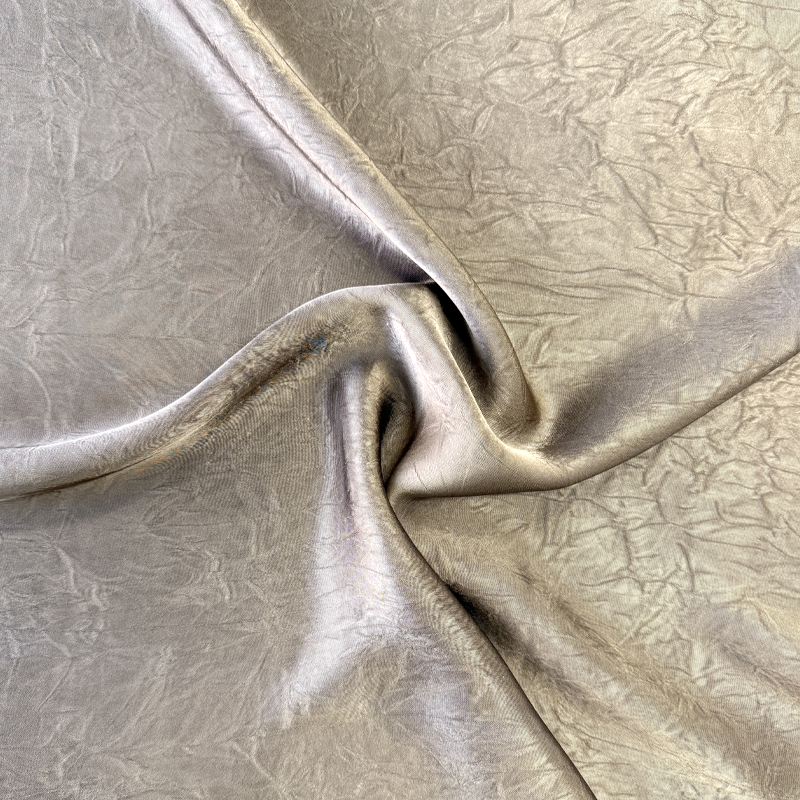
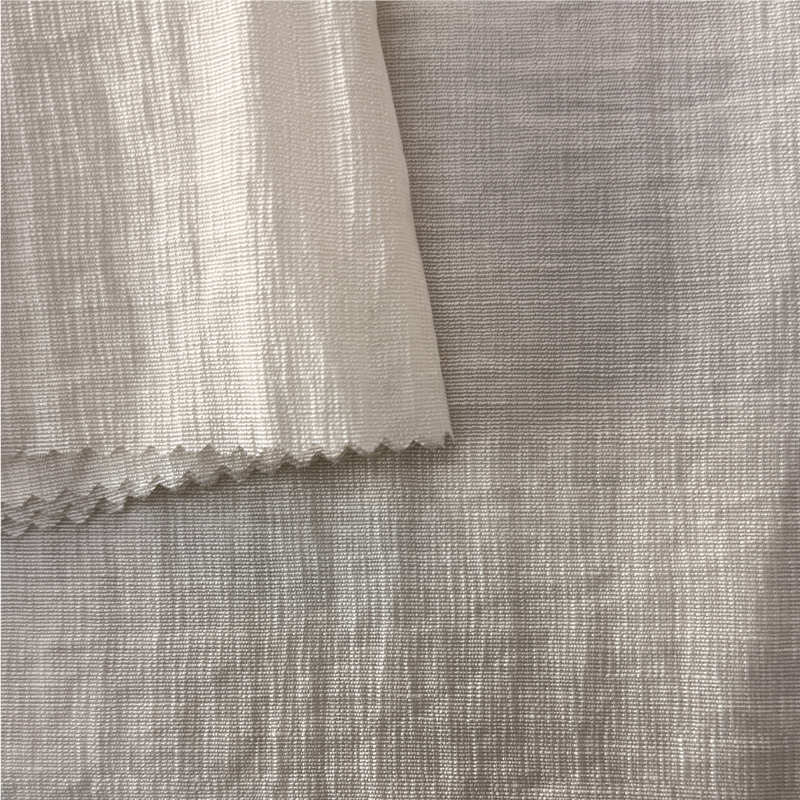
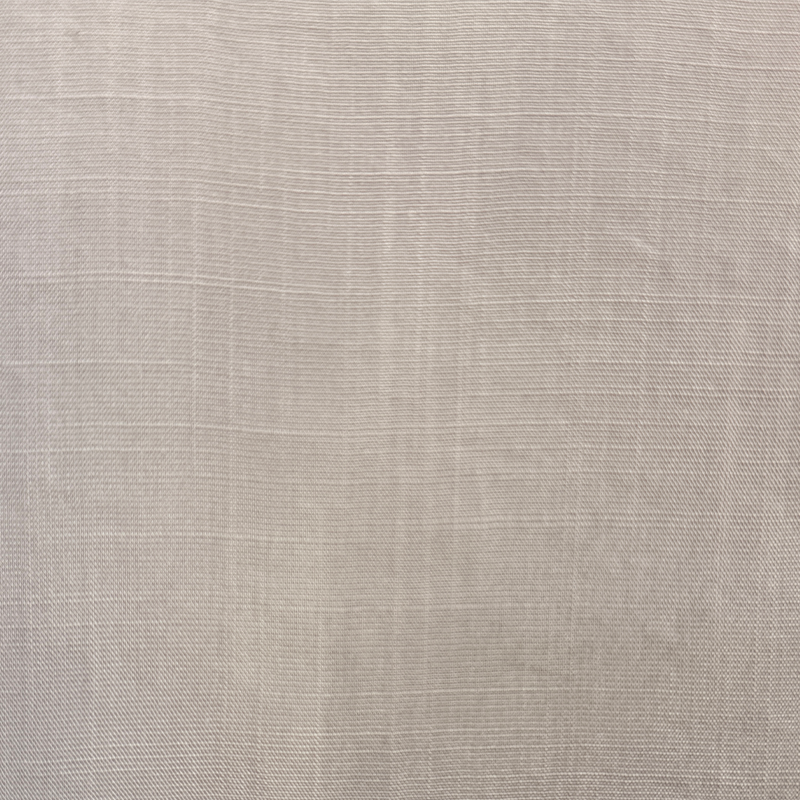
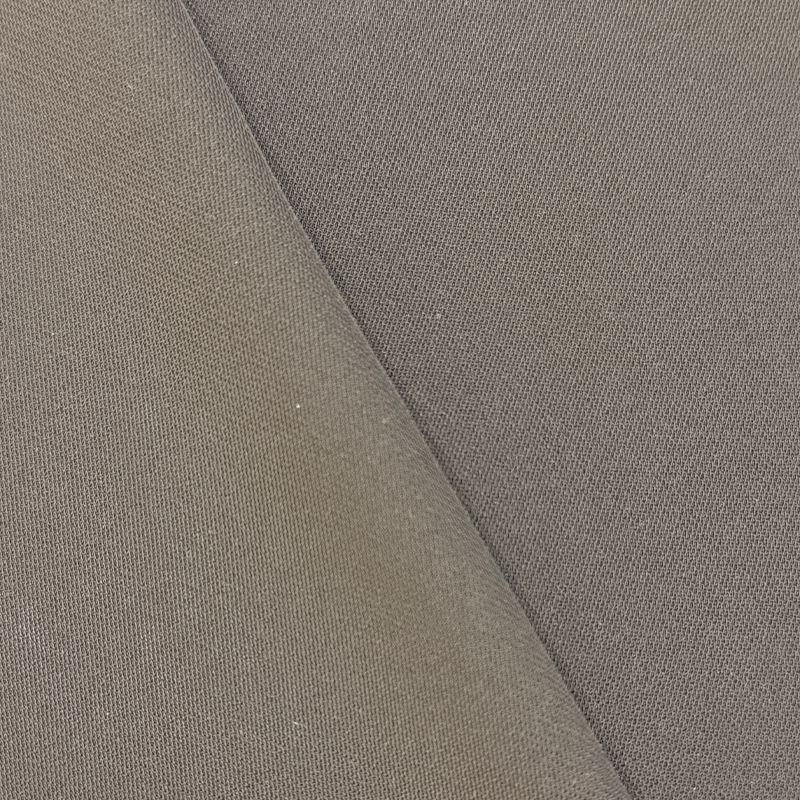 Durable Woven Fabric Manufacturer with Diverse Curtain TexturesThis manufacturer's woven fabric collection includes matte mesh, crinkle, filament plaid, and faux acetate styles, making it a practical reference for buyers comparing curtain and drapery constructions.View Product →
For buyers who want to see how a full-range woven supplier structures its curtain and drapery fabrics, exploring the woven fabric collection is a practical starting point. Echoes organises its product range by fibre and finish: acetate-like polyester series, filament fabrics, TR blends, jacquard, and blended natural fibre series, among others. This structure makes it easier to compare similar fabrics side by side rather than searching through an unstructured list.
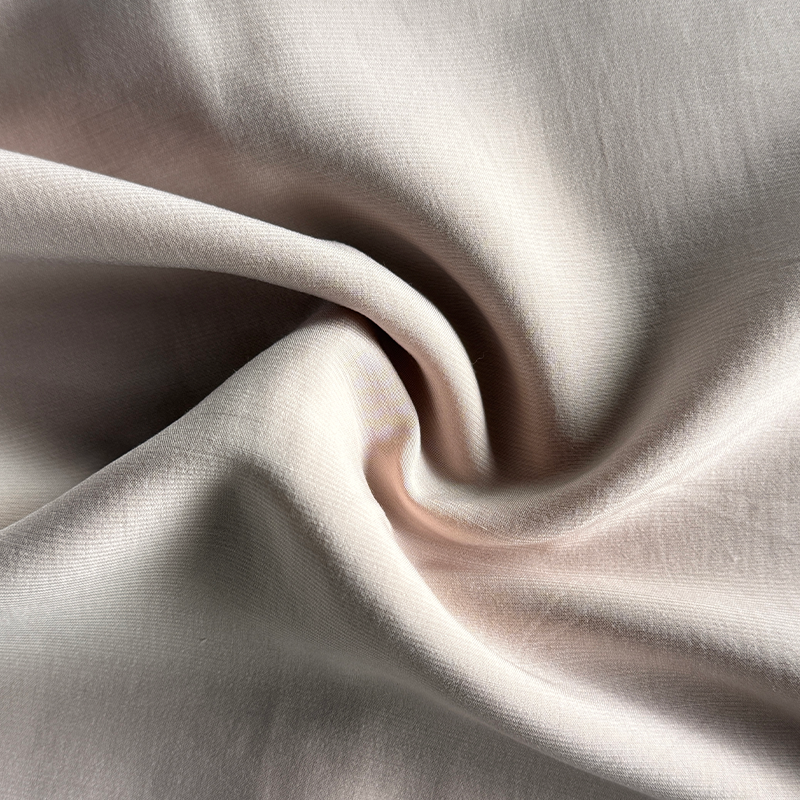
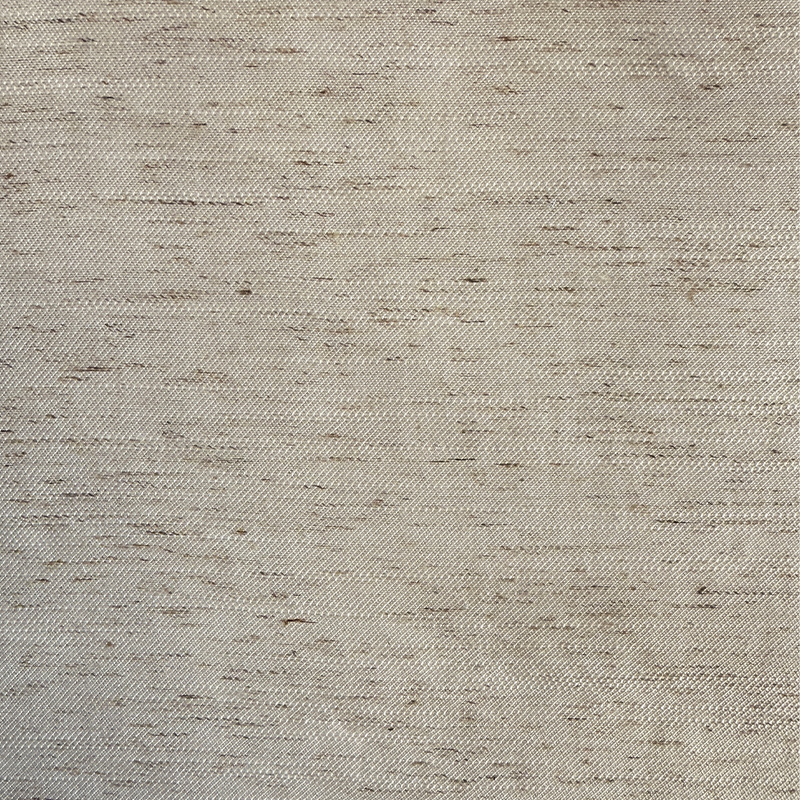 Rayon Linen Cavalry Twill Fabric with Natural SlubsA rayon-linen blend with a clear diagonal weave and natural slubs, offering a structured yet fluid drape. Suitable for curtains seeking a rustic, elegant texture with easy-care benefits.View Product →
For residential and commercial curtain projects that require a natural linen aesthetic, slubbed linen-look fabrics are frequently the first choice. They give the uneven, textured surface of linen while keeping the strength and easy care of a blended construction. If your project demands a softer hand and better drape, a rayon-linen cavalry twill offers a more fluid fall, ideal for floor-length curtains in living rooms or hotel suites.
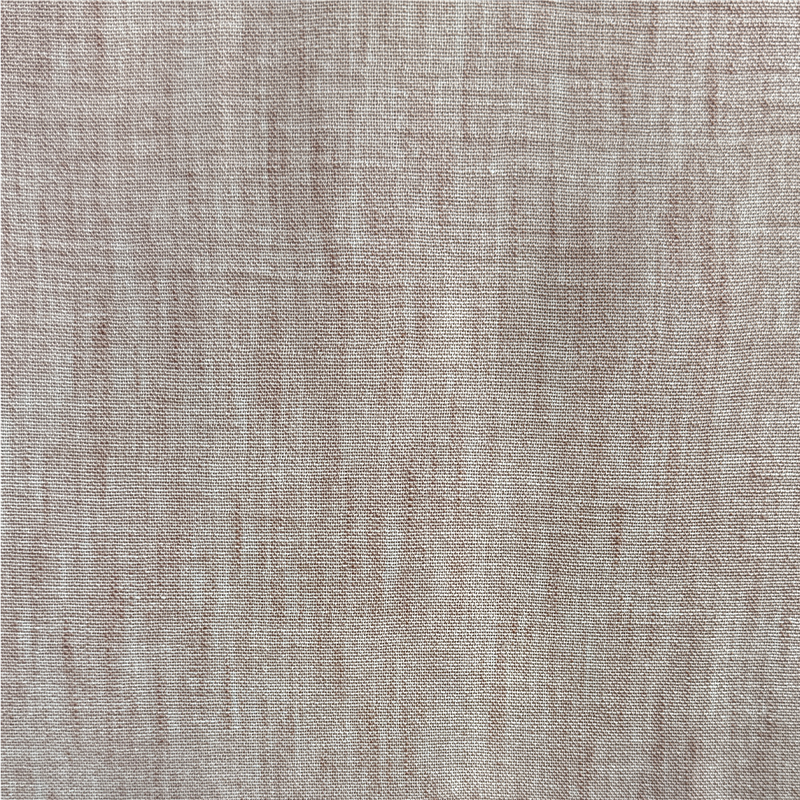 100% Polyester Cationic Linen-like Fabric with Bamboo TextureThis cationic-dyed polyester mimics linen's visual texture while staying smooth, non-itchy, and wrinkle-resistant. A cost-effective choice for projects needing a premium linen look with simple maintenance.View Product →
A polyester cationic linen-like fabric is another strong candidate for cost-sensitive programmes that still require a premium visual. Cationic dyeing creates a two-tone effect that mimics the natural shade variation of linen, making the curtain surface look more alive than a flat-dyed plain fabric. At the same time, 100 percent polyester composition keeps the price accessible and simplifies washing.
Discussing your requirements with a manufacturer directly also gives you access to development capacity. Whether you need a custom colour, a new weight, or a blend ratio adjusted for a specific window treatment, the right supplier will treat your request as a development opportunity rather than a disruption. Reach out to the trade team through the contact page and share your project details in an email; a professional response within 48 hours is usually a good sign of service quality.
Contact our team about your curtain fabric requirements