English
 Español
 italiano
Content
- 1 What Is Mosquito Net Mesh Fabric and Why It Matters
- 2 Common Types and Characteristics of Mosquito Net Mesh Fabric
- 3 Structure and Working Principle of Mosquito Net Mesh Fabric
- 4 Core Specifications and Performance Data
- 5 Application Scenarios and Field Performance
- 6 Manufacturing Process and Quality Assurance
- 7 Buyer\u2019s Selection Guide: How to Choose the Right Mesh Fabric
- 8 Choosing the Perfect Mesh Fabric: A Detailed Comparison of Popular Mosquito Net Variants
- 9 Maintenance and Care Guide for Mosquito Net Mesh Fabric
- 10 Frequently Asked Questions About Mosquito Net Mesh Fabric
- 10.1 What is the best mesh count for a mosquito net?
- 10.2 What is the difference between polyester and nylon mosquito net mesh fabric?
- 10.3 How can a textile manufacturer ensure the mesh openings are consistent across a wide fabric?
- 10.4 Can a mosquito net mesh fabric be printed with a logo or pattern?
- 10.5 What is the minimum order quantity for custom mesh fabric?
- 10.6 How long does a mosquito net mesh fabric last in tropical conditions?
- 11 Conclusion: Procuring Reliable Mosquito Net Mesh Fabric
What Is Mosquito Net Mesh Fabric and Why It Matters
Mosquito net mesh fabric is a specialized textile engineered with an open weave structure that creates a physical barrier against insects while allowing air to pass through freely. Unlike standard fabrics used for clothing or upholstery, mosquito netting relies on precise mesh geometry and yarn selection to balance protection, breathability, and durability. This means a well-designed net can block mosquitoes without making the space feel suffocating or stale.
For a textile manufacturer, the choice of yarn material, weave pattern, and finishing treatment determines whether a mosquito net meets real-world performance expectations. A polyester filament yarn of 20 to 30 denier woven into a hexagonal or square mesh is typically used because it offers the right balance of strength and lightweight breathability. The mesh openings are usually between 1.2 mm and 1.8 mm, which is small enough to exclude common mosquito species while remaining transparent enough to preserve visibility and air circulation.
In practical terms, mosquito nets are used in three main contexts: household sleeping nets, outdoor camping gear, and industrial protective screens. Each setting imposes different constraints. A bedroom net needs to look unobtrusive and be easy to clean, while an expedition tent net must withstand repeated folding and exposure to sunlight. Industrial screens often require flame-retardant finishes and tear resistance, because the mesh may be fitted into ventilation systems or permanent window frames.
The market also increasingly demands environmentally responsible production. Many textile suppliers now offer recycled polyester yarn for mesh fabrics, which reduces fossil fuel consumption and carbon emissions without compromising performance. A manufacturer with integrated yarn production capabilities can trace the material from recycled chip to final woven cloth, giving buyers verifiable sustainability credentials.
From a buying perspective, the difference between an excellent mosquito net mesh fabric and a mediocre one is not always visible to the naked eye. Two bolts of fabric may look identical at a glance, but one might have uneven warp tension that causes gaps at the selvedge, or a yarn count that lowers the mosquito protection level below the WHO-recommended threshold. This is why choosing a supplier with rigorous quality control and a transparent production process is as important as selecting the right weave pattern.
Common Types and Characteristics of Mosquito Net Mesh Fabric
When evaluating mosquito net mesh fabric for a specific application, the first step is to understand the available types. Manufacturers typically categorize mesh fabric according to two criteria: the base fiber material and the weave structure. Both criteria directly affect breathability, weight, strength, and the level of mosquito protection the net provides.
Polyester Mesh Fabric
Polyester is the dominant material in modern mosquito net manufacturing. It does not absorb moisture, which means it stays lightweight even in humid conditions, and it dries quickly after exposure to rain or laundering. Polyester filament yarns can be drawn to very fine diameters without losing tensile strength, making it possible to produce nets with high transparency and low weight. A typical sleeping net made from 50-denier polyester mesh weighs only 40 to 50 grams per square meter, while still blocking mosquitoes effectively.
An additional advantage is that polyester holds color and UV-resistant finishes better than natural fibers. This matters for outdoor nets that are exposed to sunlight for long periods. A UV-stabilized polyester mesh can retain 80% of its tensile strength after 500 hours of accelerated weathering, whereas untreated polyester might lose 50% or more. For manufacturing, polyester is also easier to process than nylon because it has lower moisture regain, reducing the need for additional drying steps.
Nylon Mesh Fabric
Nylon mesh is softer and more flexible than polyester, which makes it the preferred choice for lightweight camping nets that need to pack down very small. Nylon has a higher elasticity than polyester, allowing it to stretch slightly without tearing when tension is applied. This characteristic is valuable in tents where the net is pulled tight over a frame. The downside is that nylon absorbs up to 4% moisture, so in humid environments it feels damp and may take longer to dry. Nylon also tends to yellow more quickly when exposed to strong UV light unless a UV inhibitor is added during the spinning process.
In industrial applications, nylon mesh is used for protective screens in food processing because it offers better resistance to alkalis and repeated cleaning. However, nylon is generally more expensive than polyester, so wholesalers often steer budget-sensitive projects toward polyester mesh unless flexibility is a hard requirement.
Cotton or Cotton-Blend Mesh
Cotton-based mesh is rarely the first choice for mosquito nets in tropical climates because cotton retains water and becomes heavy when wet. However, the structure of woven cotton mesh does have a role in decorative or traditional settings, such as classic colonial-style canopy nets. A cotton-poly blend can offer a compromise, providing some moisture wicking while improving dry strength. Mesh count for cotton nets is usually lower, because coarse cotton yarns cannot be woven as tightly as synthetic filament yarns. As a result, cotton nets are less effective against small vector species such as sandflies, which can pass through openings larger than 0.5 mm.
Woven vs. Knitted Mesh Structure
Woven mesh interlocks warp and weft yarns in a crosshatch pattern, which produces a stable and dimensionally stable fabric. Plain weave mesh in a high count gives precise control over opening size. This is why woven construction is the standard for certified vector-control nets. Knitted mesh, on the other hand, creates loops that interlock, producing a stretchable fabric. It is used for fitted nets around beds because it can take the shape of the frame. The trade-off is that knitted mesh has less dimensional stability and requires more yarn to achieve the same protection level.
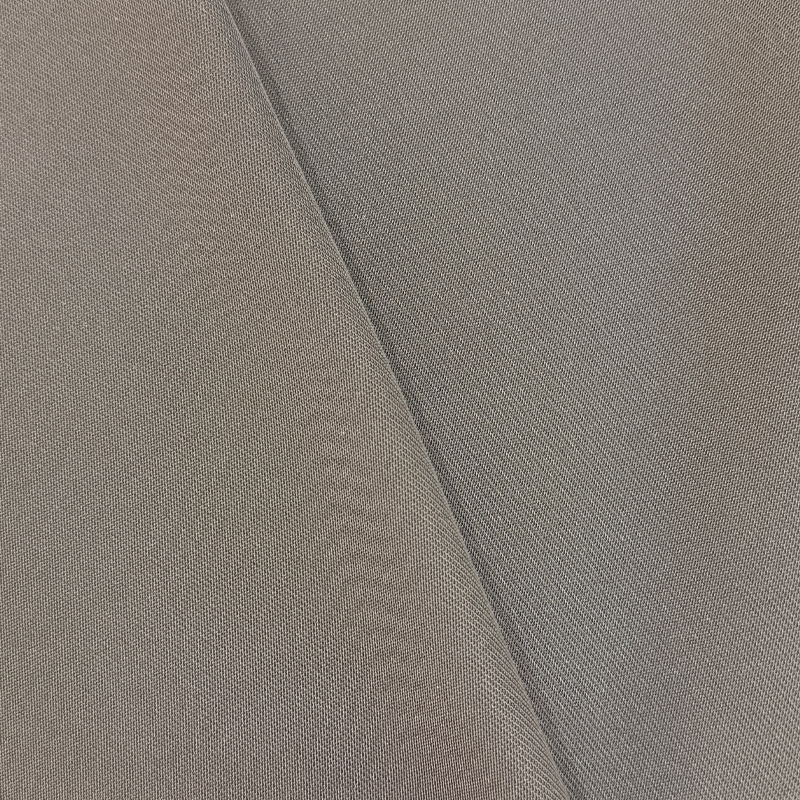
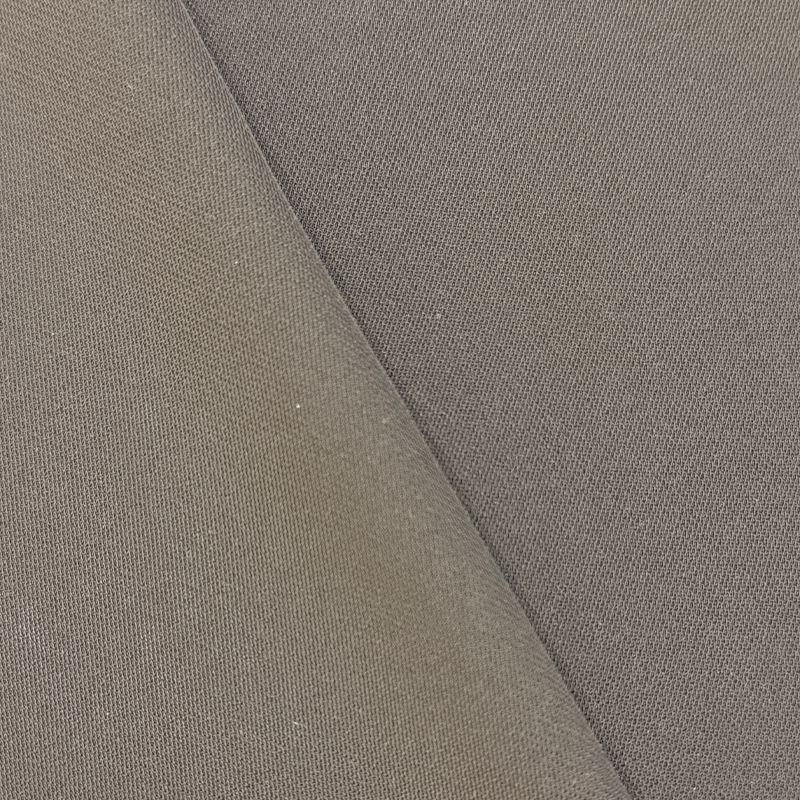 Matte Textured Mesh Fabric for Structured GarmentsThis 260 GSM polyester-spandex mesh offers a matte finish with structured elasticity and wrinkle resistance. Ideal for tailored apparel like suits and outerwear, it balances shape retention with comfort.View Product →
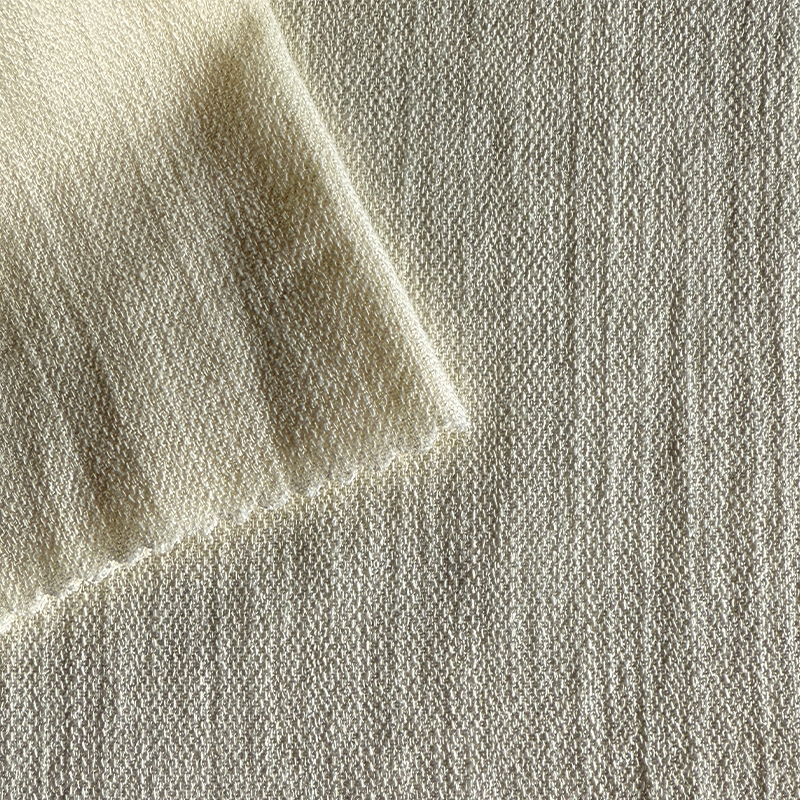
An alternative category that is gaining attention is textured mesh fabric, where the yarns are processed with air-jet technology or a differential shrinkage technique. This produces a mesh with a slightly matte or crinkled surface, while retaining a regular mesh opening. Textured polyester mesh can be used for dual-purpose netting, such as a decorative window screen that also blocks insects. A well-made textured mesh fabric typically has a 40-gsm weight and can be dyed in a wide range of colors without altering its mesh geometry.
Structure and Working Principle of Mosquito Net Mesh Fabric
The working principle of any mosquito net is simple: create a physical barrier whose openings are smaller than the body size of the vector species it is intended to block, while still allowing sufficient air exchange. The science behind this rests on two variables: mesh count and yarn diameter.
Mesh count refers to the number of mesh openings per linear inch. A standard mosquito net for household use in tropical zones has a mesh count of 156 per square inch, which corresponds to an opening size of roughly 1.2 mm. This threshold was established through extensive entomological research and is currently the specification recommended by the World Health Organization. A net with a lower mesh count of 100 per square inch has larger holes and typically fails the WHO cone bioassay test with common Aedes aegypti mosquitoes.
Yarn diameter is the second structural variable. Polyester filament yarn of 30 denier has a diameter of approximately 0.09 mm. When woven into a square mesh with a 1.2 mm opening, this produces a fabric that blocks mosquitoes while retaining light and air permeability. If the yarn diameter increases to 75 denier, the openings become effectively smaller because the yarn takes up more of the visible area, but the fabric also becomes heavier and less transparent. The right trade-off depends on the end use, but a 40 to 50 gsm all-polyester net with a 1.2 mm opening is a reliable universal baseline.
Air permeability is a critical result of the mesh structure, measured in liters per square meter per second. A good mosquito net fabric for sleeping applications should have an air permeability of at least 800 l/m2/s. Below this level, the net can cause discomfort by trapping humid air. Above 1200 l/m2/s, the openings may become large enough to be a hint that the mesh count is too low for proper insect protection. A manufacturer offering a breathable knitted fabric with a warp-knitted mesh construction can reach the high end of this range without losing dimensional stability.
The physical form of the net itself matters as much as the raw fabric. Household box nets, for example, use a rectangular or triangular frame with mesh panels sewn along all edges. The seams must be constructed with a lockstitch that creates at least three overlapping layers of mesh, because mosquitoes can bite through a single seam if it stretches or develops pinholes. Industrial protective screens use a different approach: mesh panels are reinforced with a reinforced edging tape of 15 cm width and a grommet at intervals of 30 cm so that the net can be tensioned without tearing.
In addition to structure, the finishing treatment can alter the performance of the net. Insecticide-treated nets (ITNs) incorporate a chemical treatment, usually a pyrethroid, during the dyeing or coating stage. The insecticide works in combination with the physical barrier, killing mosquitoes that land on the net or attempting to find an entry point. The finish must be applied evenly and must remain effective after repeated washing. On average, a correctly treated net retains full efficacy for 20 washes, which corresponds to about 2 to 3 years of household use before retreatment is necessary.
Core Specifications and Performance Data
For a procurement manager in the textile industry, evaluating mosquito net mesh fabric without specifications is like choosing a motor without knowing the horsepower. The following indicators form the basis for technical acceptance and quality assurance. These values are taken from commonly used industry standards and are applicable to both polyester and nylon mesh products.
| Specification | Household Sleeping Net | Outdoor Camping Net | Industrial Screen Net |
|---|---|---|---|
| Base fiber | Polyester filament | Nylon or polyester | Polyester, flame-retardant |
| Yarn denier | 30 to 50 den | 40 to 70 den | 70 to 100 den |
| Mesh openings | 1.1 to 1.4 mm | 1.2 to 1.6 mm | 0.8 to 1.2 mm |
| Open area percentage | 55 to 62% | 50 to 58% | 35 to 48% |
| Weight | 38 to 55 gsm | 55 to 75 gsm | 85 to 120 gsm |
| Air permeability | 900 to 1100 l/m2/s | 800 to 1000 l/m2/s | 450 to 700 l/m2/s |
| Tensile strength (MD) | 280 N/5cm | 350 N/5cm | 500 N/5cm |
| Planned lifespan | 3 to 5 years | 5 to 8 cycles | 10 a 15 years |
Looking at the table, the differences between household, camping, and industrial nets reveal a trade-off that every buyer must manage. As mesh opening decreases, protection improves but air permeability drops. As yarn denier increases, the net becomes more durable but also heavier and more expensive to produce. A supplier who can provide a full range of specifications without restricting the buyer to one fixed fabric density is clearly more flexible in meeting varying requirements.
An important extension point in the data is the open area percentage. This represents the fraction of visible area that is not covered by yarn. A household net with 62% open area feels airy and allows good visibility, while an industrial screen at 35% provides more opaque protection. The choice between these values is not about which is better; it is about whether the buyer prioritizes comfort or protection-level assurance.
Tensile strength, measured in newtons per 5 cm, determines how much force a net can sustain before tearing. A 280 N standard for household nets is sufficient for normal use, but for a camping net that may be stretched over a tent frame, a 350 N rating adds a safety margin. Heavy industrial screens need a minimum of 500 N because they are often installed permanently and may face mechanical stress from wind or maintenance activities.
Flame-retardant finishing is another critical specification for industrial screens. Most building codes require that mesh used in ventilation systems or public spaces comply with the NFPA 701 vertical burn standard or the EN 13501 European equivalent. A polyester mesh with a flame-retardant finish will self-extinguish within two seconds after the ignition source is removed, limiting the spread of fire through the ductwork. This finish does not change the mesh geometry but adds approximately 10% to the total fabric weight.
UV resistance is increasingly listed as a purchase prerequisite for outdoor applications. Standard polyester has limited resistance to UV degradation; prolonged exposure can cause the yarns to embrittle and break. The best solution is to use a UV-stabilized polyester yarn, where a stabilizer additive is incorporated during the spinning process. A manufacturer can hold the tensile strength retention above 80% after 500 hours of accelerated weathering, which is the threshold usually requested by military and institutional buyers.
Application Scenarios and Field Performance
The application of mosquito net mesh fabric extends far beyond draping a white net over a bed. In fact, the material is used in refugee camps, military tents, greenhouse ventilation, and even as protective covers for construction sites. Each application reveals a different aspect of how the open-weave textile is deployed. Understanding these scenarios is essential for both fabric producers and buyers.
Household sleeping nets are the largest segment by volume. They are used in tropical and subtropical regions where malaria and dengue fever are endemic. The manufacturing requirement here is consistency: deviations in mesh opening of more than 0.1 mm across the fabric surface can create escape routes. To avoid inconsistency, a reputable manufacturer uses a high-precision weaving loom with digital warp tension control. This ensures the net's opening size varies by less than 3% between the center and the selvedge. The texture of the fabric also contributes to user comfort; a smooth filament surface does not snag on furniture or scratch skin.
In displacement camps and emergency shelters, mosquito nets are often distributed as a kit with hanging points and reinforcement loops. The fabric needs to withstand the stress of daily installation and removal. A 55 gsm polyester net with stitched hems is strong enough to last one year in a camp setting if the seams are chain-stitched at a rate of 5 stitches per centimeter. Plastic-coated threads are used for the stitching to avoid rotting in humid storage. Distributors also require the net to fit a standard 180 cm double bed without leaving gaps at the corners.
Camping nets are a completely different application. They are assembled into tents or used as standalone bivy sacks. The fabric requirement here is ultra-lightness and packability. A nylon or high-tenacity polyester net of 35 gsm can be compressed to the size of a glove while still providing full protection. The edge structure is crucial: a fine weave along the edges creates a frame reinforcement that prevents the net from collapsing in soft terrain. Outdoor nets also need a midge-grade mesh, with openings of 1.0 to 1.2 mm, because sand flies (midges) are smaller than ordinary mosquitoes and can enter larger holes.
Greenhouse ventilation screens use a coarser, heavier mesh construction with higher open area percentage. The purpose is not primarily insect exclusion; it is passive cooling through airflow while acting as a pollen and dust filter. An industrial meshed fabric in this context is typically 100 to 150 gsm and is installed vertically in the greenhouse gable. The fabric needs to be UV-stabilized because it is in permanent daylight. A good greenhouse screen can reduce air temperature by 4 to 6 °C during hot periods by allowing hot air to escape through the mesh ceiling.
Construction site netting serves yet another purpose: safety containment. The mesh is used to enclose scaffolding and prevent falling objects from reaching pedestrians. It is not strictly a mosquito net, but it uses the same mesh fabric in a heavy-weight form. The important feature here is fire resistance: most construction nets must meet the Class B1 (DIN 4102) flame resistance standard. Because of this requirement, the fabric is usually made from inherently non-combustible polyester with a special coating applied in one pass, making the net stiff enough to withstand wind without deformation.
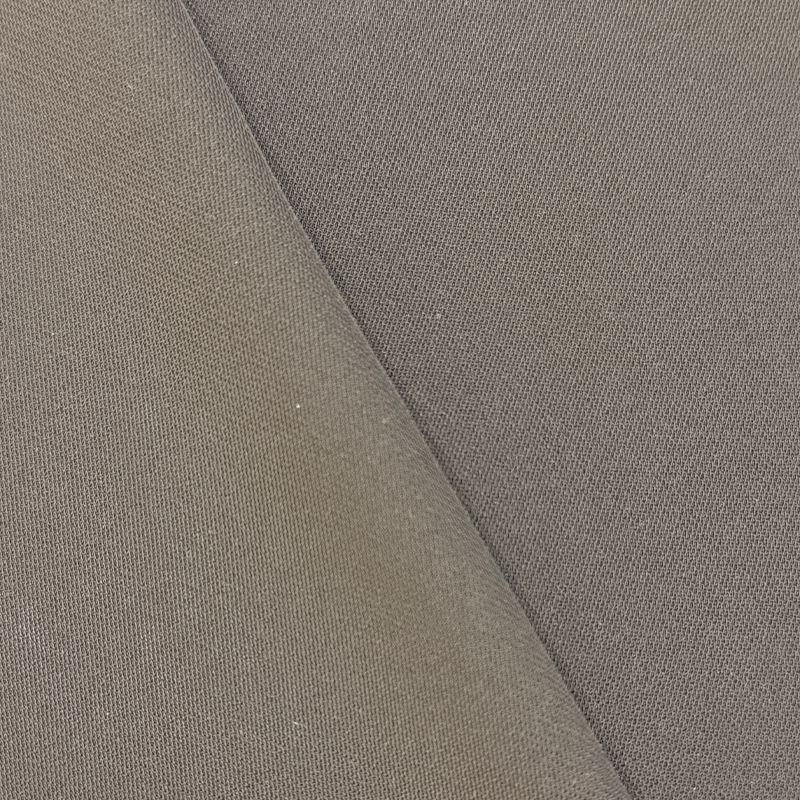
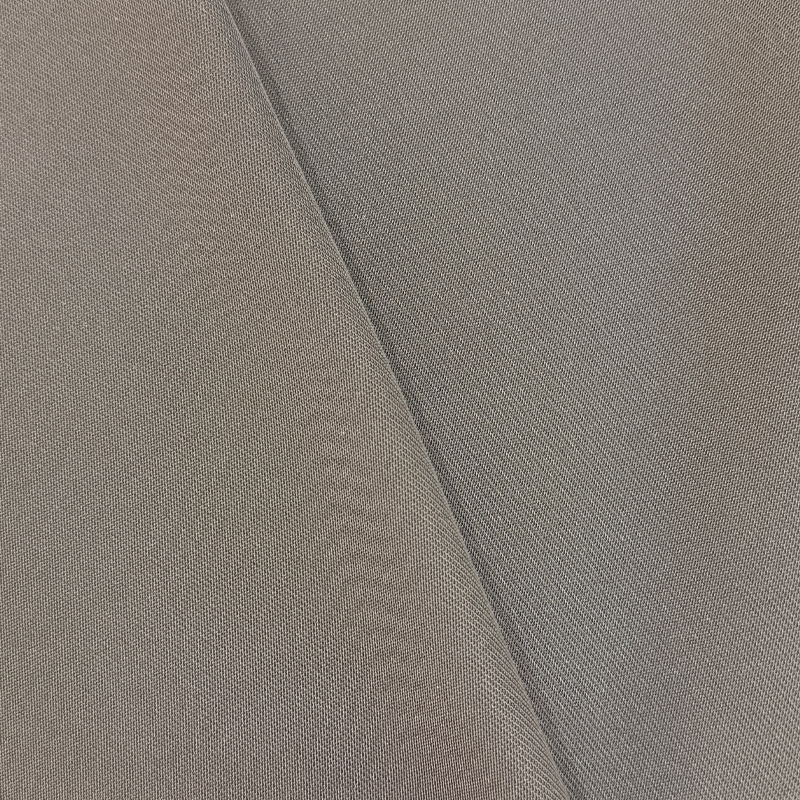 Thick Mesh Fabric with High Abrasion ResistanceThis 325 GSM polyester-spandex mesh provides enhanced elasticity and strength, resisting deformation and wrinkles. Suitable for sportswear and durable casual garments requiring frequent use.View Product →
One newer application is the use of mosquito mesh as a furniture upholstery component in outdoor patio chairs. The mesh fabric, typically with a matte finish and a slightly textured feel, is tensioned over the seat and backrest. A thick mesh fabric with higher tear resistance is selected for this use case because the fabric is exposed to frequent movement and possible abrasion. The netting provides comfortable airflow while preventing insects from accessing the seating area. This dual-purpose use has elevated the demand for well-designed mesh types in both residential and hospitality settings.
Manufacturing Process and Quality Assurance
A mosquito net mesh fabric passes through a four-stage production chain: yarn preparation, warp and weft setting, weaving, and finishing. A manufacturer who controls all four stages, including the upstream yarn spinning, is better positioned to maintain uniform mesh geometry and respect delivery deadlines. This control also helps when buyers need custom fiber blends or dyeing to a specific color.
Yarn preparation starts with the selection of the raw polymer. For polyester, the polymer chips are melted and extruded into filament, then drawn and heat-set to increase tensile strength. A 30-denier polyester filament produced in-house at a yarn factory will have a higher breaking elongation than yarn purchased on the open market, because the continuous extrusion process creates a more uniform molecular orientation. At Shaoxing Echoes Textile Co., Ltd., the company has a 80-mu cotton yarn factory and a separate 80-mu grey cloth factory, which means the chain is literally integrated. This vertical integration reduces the risk of inconsistent yarn denier becoming an issue at the weaving stage.
Warping is the next step. A warp beam is prepared with thousands of parallel yarns under precisely controlled tension. The tension variation must be kept below 2% across the whole warp to avoid creating wavy mesh openings. A modern warping machine with servo-controlled tensioners is required for this purpose. When the warp sheet is presented to the loom, each end is threaded through a drop wire and a heddle. If one warp end breaks, the loom stops automatically, preventing the formation of a gap that would be wider than the specified opening.
Weaving on a high-speed loom is the core operation. A project tile loom runs at 1200 picks per minute, which yields 7 to 8 meters of finished mesh per hour per loom. The loom's adjustable reed determines the distances between openings along the weft direction. For a 1.2 mm opening, a reed with 26 dent per inch is common. A well-maintained reed has a tolerance of 0.05 mm across the entire width. The warp spacing is set through the selection of the reed; the weft spacing is controlled by the fabric take-up speed.
Finishing includes heat-setting, dyeing, and optional functional treatments. Heat-setting stabilizes the geometric structure by putting the fabric through 220 °C chamber with overfeed of 3%. This prevents the mesh openings from shrinking, which happens if the fabric is later washed in hot water. Dyeing follows in a jet-dyeing machine at 130 °C under high pressure. For dark colors, the dyeing time is 45 minutes with a 2:1 liquor ratio. After dyeing, the mesh fabric is stentered to the specified width and then examined on a high-speed inspection table.
Quality control in a serious textile manufacturing facility includes at least four tests before shipment: mesh count verification, air permeability measurement, tensile strength check, and dimensional stability during washing. Mesh count is checked using a magnified loupe with a calibration scale. Air permeability is tested on a professional device that applies a 100 Pa pressure difference across a 20 cm2 area. Tensile strength follows the ISO 13934-1 standard, using a 50 mm-wide specimen with a 200 mm gauge length and a speed of 100 mm/min. Dimensional stability is assessed after a 40°C wash cycle and measures the change in width and length. It should not exceed 3%.
For buyers who need a reliable supplier, it is worth asking the manufacturer whether they run these quality tests on every batch or only on initial batches from a new product line. Full batch testing is standard for export to high-spec markets, including the European Union and North America, where the buyer may also conduct an independent pre-shipment inspection (PSI). A factory with a quality assurance team is not limited to passing internal checks; it can also respond quickly to PSI findings and retest rejected lots within 12 hours.
Buyer\u2019s Selection Guide: How to Choose the Right Mesh Fabric
Choosing mosquito net mesh fabric is a decision that should be based on a written specification. The buyer needs to define the yarn type, mesh opening, weight, width, color, and the required finish before contacting the manufacturer. This is the most reliable way to avoid quality disputes or delays later. In this section, we provide a step-by-step approach to making the selection, with references to technical values and factory performance.
First, define the protection target. If the net is intended for home use in an area with malaria risk, the mesh opening must be 1.2 mm or less, as this is the threshold recommended by the WHO. A 1.2 mm opening with a 30 to 40 den polyester filament gives a 52 to 60 gsm fabric that is light, breathable, and durable. If the net is for a temporary outdoor structure such as a gazebo, a coarser 1.5 mm opening may be acceptable because the primary requirement is ventilation and insect interception at a lower level. The cost goes down by 12% when moving from a 1.2 mm mesh to a 1.5 mm mesh.
Second, decide between woven and knitted construction. Woven net is lower in weight per square meter, cheaper to produce in bulk, and more stable in dimensions. It is the standard for flat bed nets. Knitted net offers greater elasticity and can be fitted onto a bed frame without the need for synthetic fasteners. It is more expensive because it consumes more yarn per square meter and requires a warp-knitting machine. A hybrid option, often called warp-knitted mesh, is available. It combines the stretchability of knitted fabric with the open structure of woven mesh. For an industrial manufacturer, understanding the differences between knitted and woven construction is the foundation of selecting the correct mesh fabric for each application.
Third, specify the width requirement. Household bed nets are commonly produced at 180 cm or 190 cm, while industrial screening often uses much wider rolls of 220 cm or 250 cm to reduce seam losses. It is important to remember that weaving width and finishing width are not the same. A woven fabric that is 240 cm on the weave may shrink to 236 cm after finishing due to tension release. Most mills can handle a finished width of up to 300 cm on a large project loom. Ordering extra width is better than getting an exact match, because the fabric is often trimmed during finishing to remove selvedge irregularity.
Fourth, choose the color and finish. For household nets, white is the usual color because it is unobtrusive and can be printed on with logos. For outdoor nets, darker colors are less likely to attract insect attention and show less dirt. The color application may change the fabric weight; a deeply dyed heavy shade adds 1 to 2 gsm to the final weight due to absorbed dye molecules and carrier chemicals. In terms of functional finishes, UV protection is for primary outdoor use, while anti-dust finish can help in urban environments where pollution stains the net. An insecticide finish should be considered only if the buyer has an approved pest control program; otherwise, a pure physical barrier is often more cost-effective.
Fifth, compare the quoting basis. Manufacturers quote prices in terms of weight, usually per gram per square meter, and in terms of finish, either greige (unfinished), dyed, or printed. A standard 55 gsm polyester mesh from an integrated factory costs approximately USD 0.35 to 0.55 per meter when ordered in a single 10,000 meter production run. If the buyer requires a custom color, a minimum order of 1,000 kg of yarn is often applied, while a standard white can be produced without a MOQ. The supplier should be transparent about where the price lies in relation to the base raw material cost. When the price margin exceeds 30% above the raw material cost of denier, the buyer should ask for a detailed cost breakdown.
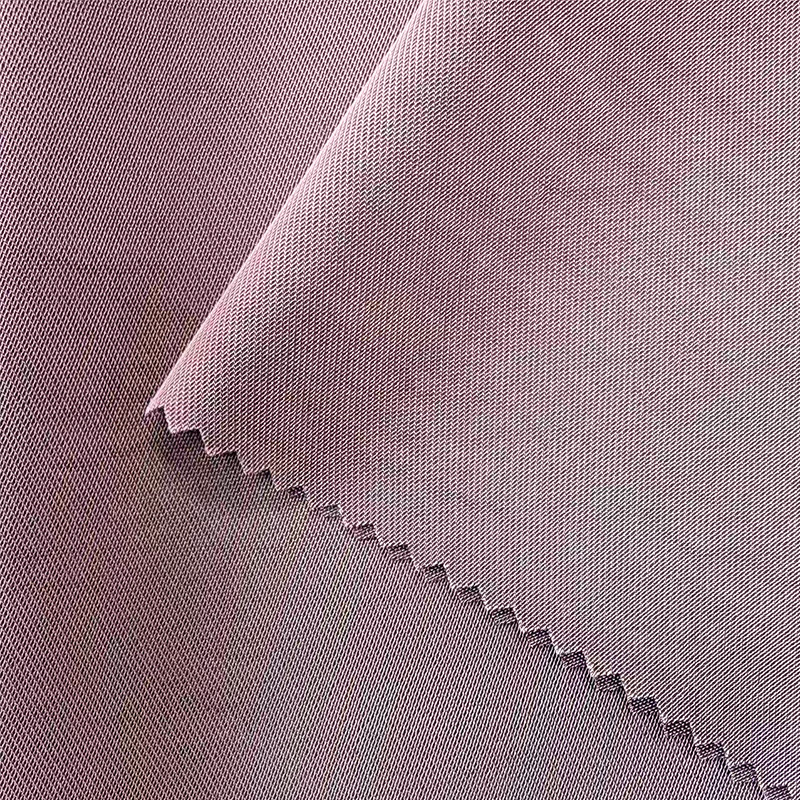
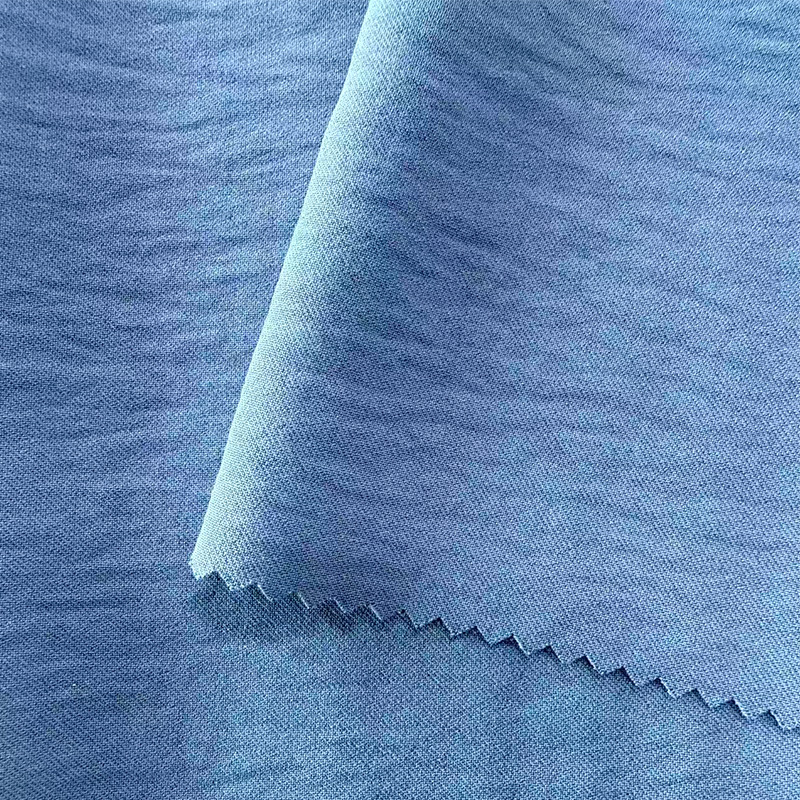
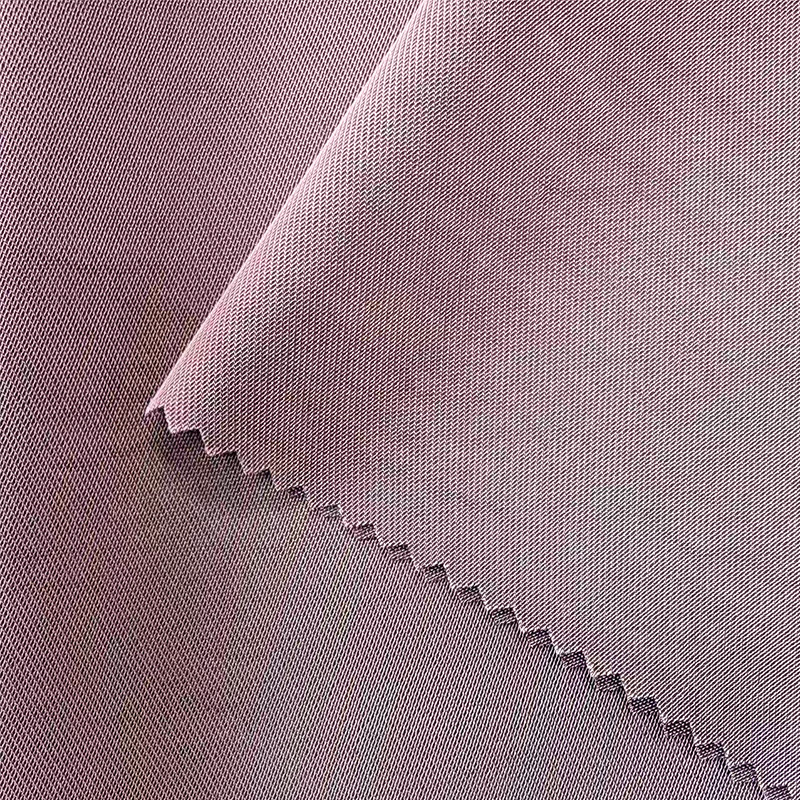 Faux Acetate Mesh Fabric with Airflow Jet DyeingProduced via airflow jet dyeing, this mesh mimics acetate's silky sheen and drape while offering polyester's durability. Perfect for dresses, skirts, and blouses across seasons.View Product →
Finally, ask for a pre-production sample. A responsible textile manufacturer will provide a 30 x 30 cm sample swatch within 3 days of the inquiry, plus a lap dip for color matching. The buyer should test the sample by making the net to scale and then hanging it in the intended environment. If the installer finds the sample rejects the net because the mesh is too stiff to drape, the specification must be adjusted before the full order begins. This saves both parties time and cost. A well-structured working relationship with a factory that can do custom finishes is more valuable over time than simply purchasing a standard item.
Choosing the Perfect Mesh Fabric: A Detailed Comparison of Popular Mosquito Net Variants
After reviewing the available options, it is important to make a side-by-side comparison to see how each fabric type fares on different attributes. The comparison below is drawn from production data collected from a multi-product textile factory and covers the three variants most often ordered by international buyers: standard polyester, nylon (for camping), and heavy industrial mesh.
| Attribute | Standard Polyester | Nylon Camping | Industrial Heavy Mesh |
|---|---|---|---|
| Weight | 40 to 60 gsm | 35 to 55 gsm | 85 to 130 gsm |
| Mesh opening | 1.2 mm | 1.2 to 1.4 mm | 0.8 to 1.0 mm |
| Primary strength | High tensile, low stretch | High elasticity, packable | Very high tear resistance |
| UV resistance | Moderate to high with stabilizer | Moderate, needs inhibitor | High with special coating |
| Breathability | 900-1100 l/m2/s | 850-1000 l/m2/s | 450-700 l/m2/s |
| Water resistance | Does not absorb water | Absorbs 4% moisture | Depends on coating |
| Cost per m2 | US$0.40 to 0.60 | US$0.55 to 0.75 | US$0.90 to 1.20 |
| Best for | Household nets, beds | Tents, hammocks, bivy | Permanent screens |
The comparison table makes several practical points clear. Standard polyester nets offer the most balanced set of qualities for the widest range of applications. When budget is a binding constraint, a 50 gsm standard polyester mesh with a 1.2 mm opening can be specified with confidence. It will block vector mosquitoes, have adequate air permeability, and survive 5 years of normal household use if the net is taken down during the day and folded.
For frequent travelers who need a net to fit into a backpack, nylon camping mesh is better from a packability standpoint, but it brings higher cost per square meter and more sensitivity to UV. It is not uncommon that a nylon net packed in a backpack for two years without use still shows 15% strength loss by the end of the second season, simply from the ambient heat in the backpack. Polyester nets degrade even more slowly because the polymer bond is stronger against heat and moisture.
Heavy industrial mesh has the least breathability of all three, but it fights on a different axis: mechanical abuse. It is installed permanently, exposed to wind, dust, and human contact, and therefore needs a higher yarn denier and a reinforced edge finish. The 0.8 mm opening is intended to prevent very small insects from entering, and the lower air permeability is acceptable for industrial settings because the air passes through the ventilation wall at a controlled rate. This variant is also used as a filtration medium in air handling units.
The buyer should note that cost per square meter is not the only cost to evaluate. The total cost of ownership includes seam hemming, installation labor, replacement frequency, and maintenance. A lower-priced fabric that needs replacement after two years can be more expensive per year than a higher-priced fabric that lasts five. Consequently, when selecting a variant, the buyer needs to project the total future spending for the system over the expected service life.
Maintenance and Care Guide for Mosquito Net Mesh Fabric
Even a high-grade mosquito net mesh fabric loses its protection level when tears, pinholes, or seam gaps appear. A careful maintenance program not only extends the net's lifespan but also preserves its ability to block insects. The following care instructions apply to synthetic mesh fabrics, mostly polyester and nylon, and cover washing, repair, and storage.
Wash the net by hand using mild soap and cold water. Do not brush the fabric with a hard brush because this can force the mesh threads to separate, creating wider openings. If the net is treated with an insecticide, use a soap that is not alkaline; alkaline soap strips the pyrethroid after two washes. A 15-minute soak followed by a soft swish is sufficient to remove dust and sweat. Rinse twice in clean water and hang it in the shade rather than in direct sunlight, because UV rays will degrade the yarn faster when the wet fabric is exposed to strong light.
Machine washing is acceptable for an untreated polyester net, but only on a gentle cycle in a mesh laundry bag. The water temperature should be below 40 °C, and the drying should be on a low heat setting or air-drying rack. The spin cycle must be slow to avoid wracking the mesh. A 20-minute tumble dry at 50 °C is acceptable for a 55 gsm net, but higher temperatures will cause the fabric to shrink. Most nets shrink by 1.5% when washed at 60 °C, which can reduce the net's usable area.
Repair is straightforward if a small tear appears. A clean, dry area is critical; clean the area with a damp cloth and then dry it. Use a needle and thread of the same denier as the net yarn, and use a lock stitch to close the hole. After stitching the seam, apply a clear mesh repair patch over the area. The patch should be at least 0.5 cm larger than the hole on all sides so that the overlap catches. This repair works for up to 10% of the total surface area before the net is considered unserviceable.
Check the openings regularly with a magnifying loupe. If the mesh count has dropped significantly at any point, that section is no longer protective. General wear is not uniform; it is often most severe near the corners of the net, where the fabric is tensioned. To prevent this, the corners should be reinforced with a woven tape, and a separate hem should be sewn along the entire edge of the net. This is a standard construction technique used by OEM manufacturers.
When storing a mosquito net, quick roll it up rather than folding it in a crease, because crease lines can cause weakening over time. Store it in a cardboard tube or a cotton drawstring bag, away from direct heat and humidity. If the net is stored in a cool and dry place, it can retain its original performance properties until the next use. Humidity is a major cause of polyester degradation; even though polyester does not absorb water readily, the trapped humid air can lead to mold growth on the net's surface, which blocks the opening and smells unpleasant.
Finally, note that household nets should be checked once every six months, and camping nets should be inspected before and after every trip. A simple way to test a net from a functional standpoint is to shine a bright light through it against a dark background. Any visible pinhole larger than 0.5 mm indicates a potential mosquito entry point. This 30-second test can be performed anywhere and does not require any measuring tools.
Frequently Asked Questions About Mosquito Net Mesh Fabric
What is the best mesh count for a mosquito net?
The best mesh count is 156 holes per square inch, which corresponds to a 1.2 mm opening. This is the mesh count recommended by the World Health Organization for vector control. It is small enough to block anopheles and aedes species, and it provides high air permeability. If the openings are larger, for example 1.8 mm, the net no longer provides reliable protection against sandflies and several other vector insects.
What is the difference between polyester and nylon mosquito net mesh fabric?
The key difference is moisture behavior and elasticity. Polyester does not absorb water and remains dry and breathable in humid conditions, while nylon is softer and more stretchable but absorbs up to 4% moisture. Polyester is also more UV resistant and is substantially cheaper per square meter. Nylon is chosen for portability and packability in camping or hiking nets, while polyester is the default choice for household and institutional applications.
How can a textile manufacturer ensure the mesh openings are consistent across a wide fabric?
The manufacturer must use high-precision weaving equipment with digital control of warp tension and weft insertion. The tension must not deviate more than 2% across the width. In addition, the factory should implement an inline inspection system with sensors that detect warp end breakage and stop the loom immediately. The finished fabric is then checked manually with a magnifying loupe. Any section of the fabric that has an opening variance greater than 0.1 mm is marked and removed.
Can a mosquito net mesh fabric be printed with a logo or pattern?
Yes, polyester and nylon mesh can be printed using a rotary screen or heat transfer method. However, the printed area reduces air permeability if the ink covers the openings. For mesh fabrics that must retain visual transparency, a small logo is best placed at the hem edge where it does not interfere with the open area. For decorative mosquito netting used in public spaces, a full print on the upper canopy while the lower netting remains unprinted is a common design approach.
What is the minimum order quantity for custom mesh fabric?
The MOQ depends on the yarn type, weave, and finish. For a standard white polyester mesh in 50 gsm, the MOQ can be as low as 500 meters. For a custom color that requires a special dye lot, the MOQ typically rises to 3000 meters, because the dyeing machine requires at least 800 kg of fabric for an even batch. For a fully custom weave with a new reed setting, the MOQ can be 10,000 meters, which allows the production line to recover the cost of the loom setup.
How long does a mosquito net mesh fabric last in tropical conditions?
A good polyester mesh fabric can last 3 to 5 years under normal tropical use if it is properly maintained. The main failure points are UV degradation, tearing, and seam damage. UV degradation can be slowed by using a UV-soaked yarn and by always hanging the net in the shade. The net should be inspected every six months and repaired or replaced as soon as any opening is detected. With proper maintenance and a strong original weave, the service life extends easily to 5 years.
Conclusion: Procuring Reliable Mosquito Net Mesh Fabric
Mosquito net mesh fabric is a specialized textile whose quality is determined by technical details that most buyers cannot see at a glance. The decisions that matter most are those made before the order is placed: defining the mesh opening, specifying the yarn denier, selecting the finish, and choosing a manufacturer with control over the complete production chain. A fabric that passes visual inspection is only one step; the long-term performance lies in the dimensional stability and weave consistency hidden within the roll.
When evaluating a potential supplier, consider whether they operate their own weaving mill and yarn factory. An integrated manufacturer like Shaoxing Echoes Textile Co., Ltd., with more than 20 years of textile industry experience, can promise both consistent quality and flexibility in custom orders. Because the company owns an 80-mu grey cloth factory and an 80-mu modem cotton yarn factory, they can guide the buyer from raw material selection to the final finished roll and provide honest advice about the best trade-offs between transparency, breathability, and cost.
For a b2b buyer, the most valuable actions are technical: write a clear specification, ask for pre-production samples, and verify that the final inspection data matches the agreement. By following this procedure, the buyer can avoid the common pitfalls of inconsistent mesh size, overpriced freight, and incompatible finishes. It is always better to slow down in the specification phase and be precise, than to discover afterward that the net does not meet the protection requirement of the target region.
The market for mosquito net textiles remains strong in tropical countries, humanitarian institutions, and the outdoor gear sector. A fabric supplier that can provide both regular mesh and thicker mesh with different textures is well positioned to serve these segments. Ultimately, the reliability of the final net rests on the quality of the base fabric, and that quality can only be assured by a manufacturer who commits to rigorous testing and transparent communication.
If you are planning a project that involves mosquito net mesh fabric, start by defining your expected lifespan and protection level, then contact a manufacturer that can support you with both standard and custom options. The result will be a net that delivers real value over time, providing health protection without compromising comfort or durability.