English
 Español
 italiano
Content
- 1 What Fabric Is Modal? A Direct Answer for Textile Buyers
- 2 How Modal Fabric Is Made: From Beechwood Pulp to Soft Textile
- 3 Key Properties of Modal Fabric: Why It Feels This Good
- 4 Modal vs Cotton vs Viscose vs Lyocell: Head-to-Head Comparison
- 5 Common Modal Fabric Types and Blends
- 6 Modal Fabric Applications: Where It Works Best
- 7 Sourcing Modal and Similar Cellulosic Fabrics: What a Manufacturer Needs to Know
- 8 How to Care for Modal Fabric
- 9 Modal Fabric FAQ
- 9.1 What fabric is modal, exactly?
- 9.2 Is modal fabric natural or synthetic?
- 9.3 Is modal fabric good for summer?
- 9.4 Does modal fabric shrink in the wash?
- 9.5 Modal vs cotton — which is better?
- 9.6 Is modal fabric stretchy?
- 9.7 Is modal fabric eco-friendly?
- 9.8 Does modal fabric wrinkle easily?
- 9.9 What is the difference between modal and viscose?
- 9.10 Where can I buy modal fabric wholesale?
- 10 Conclusion: Is Modal Fabric the Right Choice?
If you have ever asked what fabric is modal, you are not alone. Modal is one of the most frequently mentioned yet least understood fibers in modern apparel. The direct answer is that modal is a semi-synthetic, wood-derived cellulose fiber, usually made from beechwood pulp, and classified as a high-performance type of viscose rayon. It was developed to overcome the main weakness of ordinary rayon, which is poor strength when wet, while keeping the soft hand and fluid drape that rayon is valued for.
Modal matters to fabric buyers, garment brands, and importers because it delivers three things at once: a smooth and comfortable surface that feels like a blend of cotton and silk, excellent breathability that suits warm-weather and next-to-skin garments, and a manufacturing profile that works well with large-scale weaving and knitting programs. It also behaves well in garment production, taking dyes cleanly and holding color through repeated laundering.
This guide explains what modal is, how it is made, how it compares with cotton, viscose, and lyocell, what blends you will find on the market, where to use it, how to care for it, and how to source it through a professional textile manufacturer and exporter. By the end, you will know not only what modal feels like, but also whether it fits your product range and supply chain.
What Fabric Is Modal? A Direct Answer for Textile Buyers
In the simplest terms, modal fabric is a type of rayon, or regenerated cellulose fiber, produced from beechwood pulp. Unlike cotton, which is used directly in its natural fiber form, modal dissolves wood cellulose into a liquid and re-extrudes it through spinnerets to create new fibers with a round, smooth cross-section. That manufacturing step is the reason modal feels so consistently smooth: the fiber surface has fewer irregularities than natural cotton or ordinary viscose.
Textile chemists classify modal as a high-wet-modulus fiber. That technical phrase means it keeps its shape and strength even after absorbing water, which is exactly where conventional viscose fails. Ordinary viscose loses around 60 percent of its strength when wet, so rayon garments can tear or distort in the wash. Modal loses far less, which is why modal T-shirts and modal bedding survive machine washing cycle after cycle without turning stiff or baggy.
The name modal itself is often used generically today, even though the original trademark belongs to specific fiber producers. For a buyer, what matters is the specification, not the brand name. A modal fabric should meet a defined fiber content, typically stated as 100 percent modal or a modal blend with cotton, elastane, or polyester. Reputable suppliers will provide the fiber composition on the test certificate or fabric label.
I must clear up one common misconception: modal is not a synthetic fiber just because it goes through a chemical process. In reality, the end fiber remains cellulose, and the material is biodegradable. The process may be industrial, but the fiber is not plastic. This is why modal occupies a middle position in the market: it offers the next-to-skin comfort and natural feel of cotton, while giving manufacturers the clean, uniform fiber quality that engineered yarns are known for.
For companies planning a new seasonal collection, modal is worth considering when the product needs softness, color depth, and breathability. It is also a practical choice when you want a renewable fiber story without the shrinkage and stiffness that sometimes come with low-grade cotton. Modal fabric suppliers and wholesalers often recommend it for programs where comfort is the primary selling point and where the price point sits above basic viscose but below premium lyocell.
Key point: Modal is a high-wet-strength regenerated cellulose fiber made from beechwood, combining the comfort of cotton with the consistency of engineered textiles.
How Modal Fabric Is Made: From Beechwood Pulp to Soft Textile
Understanding the manufacturing process helps buyers judge quality, lead times, and pricing. Modal starts as a forestry product and ends as a textile fiber, and every step in between affects the final hand feel and performance. The overall route shares many steps with viscose production, but the key difference is the degree of polymerization and the stretching applied during spinning.
- Harvesting and chipping: mature beechwood trees are harvested, debarked, and chipped into small, uniform pieces. The wood source matters because the cellulose quality affects fiber strength and whiteness.
- Pulping: the wood chips are cooked with chemicals to dissolve lignin and hemicellulose, leaving a purified cellulose pulp. This pulp is washed and bleached to remove impurities.
- Xanthation: the purified cellulose reacts with carbon disulfide to form an alkali-soluble compound. This step is what allows the cellulose to be turned into a liquid for spinning.
- Dissolving: the xanthated cellulose is dissolved in diluted sodium hydroxide, producing a viscous orange solution known as viscose. The solution is aged, filtered, and de-aerated to remove bubbles and undissolved particles.
- Spinning: the viscose solution is forced through spinnerets into a sulfuric acid bath, where the cellulose regenerates into solid filaments. During this stage, the filaments are stretched to align the molecular chains, which gives modal its superior tenacity compared with ordinary viscose.
- Washing and desulfurizing: the freshly spun filaments are washed, desulfurized, and bleached to remove chemicals and create a clean white fiber.
- Cutting and finishing: the filaments are cut into staple fibers, dried, and baled. The staple length can be adjusted to suit cotton-spinning systems or blends with other fibers.
Once the modal staple fiber is baled, it goes to a spinning mill, where it is opened, carded, drafted, and twisted into yarn. The yarn can be spun on cotton-type machinery, which is why modal blends so easily with cotton, polyester, and elastane. The yarn then moves to a weaving or knitting mill, where it becomes greige fabric. Finally, the fabric is scoured, dyed or printed, and finished with softeners or resins depending on the end use.
Because the supply chain is long, from pulp to yarn to greige fabric to finished fabric, most garment brands do not buy modal directly from the fiber producer. Instead, they work with a textile manufacturer or an export trading company that coordinates the yarn, weaving, and finishing stages. This is an important point for anyone sourcing modal or a cellulosic alternative: the mill's process control determines whether the fabric actually delivers modal's advantages in real production.
Key point: Modal's production differs from viscose mainly in fiber stretching and polymerization, and the quality of the final fabric depends heavily on the mill's finishing discipline, not just the fiber grade.
Key Properties of Modal Fabric: Why It Feels This Good
Modal's popularity in apparel comes down to a small set of properties that you can verify on a fabric data sheet and feel in a finished garment. Brands repeatedly choose modal for the same reasons, and buyers should understand each property so they can compare offers from different manufacturers accurately.
- Softness: modal fibers have a round, even cross-section and a smooth surface, which translates into a noticeably softer hand than cotton of the same yarn count. The softness survives washing better than many mechanical softeners that wash out over time.
- Moisture absorption and breathability: modal absorbs moisture more readily than cotton, which helps pull sweat away from the skin and evaporate it faster. This makes modal garments comfortable in warm weather and during low-intensity activity.
- Wet strength: modal retains a much higher percentage of its dry strength when wet than viscose does, so it can be laundered by machine and worn repeatedly without losing its shape.
- Dimensional stability: properly finished modal fabric shrinks less than cotton and far less than viscose. Garments stay true to size through repeated washing cycles.
- Color vibrancy: the smooth fiber surface and high dye affinity mean modal takes deep, saturated colors with good wash fastness. This is one reason modal is popular in bright, printed styles.
- Pilling resistance: the fiber is strong enough to resist the surface fuzz that causes pills, especially in compact spun yarns and tight knits.
- Biodegradability: because modal remains cellulose, it biodegrades in landfill conditions much faster than synthetic fibers, which supports sustainability claims when combined with responsible chemical management.
Moisture regain is one of the most practical indicators of how a fabric will feel against the skin. It measures how much water vapor a bone-dry fiber can absorb from the air at a standard temperature and humidity. Higher moisture regain usually means the fabric feels less clammy in warm weather and performs better in layered garments. It also influences dye uptake, finishing behavior, and dimensional stability during wet processing. The chart below compares the moisture regain of modal with the three fibers it is most often compared with: cotton, viscose, and lyocell.
The chart shows that viscose and modal are very close in moisture absorption, which explains why both feel noticeably cooler than cotton in humid conditions. Cotton is the least absorbent of the four in this measurement, yet it still feels comfortable because it wicks moisture through the yarn structure rather than absorbing it into the fiber. Modal sits at 12.5 percent, just below viscose, but that small difference is outweighed by modal's higher wet strength. When a fabric absorbs moisture, the fibers swell and the structure becomes more vulnerable to breaking under tension. Because modal retains roughly 65 percent of its dry strength when wet, garments wash and wear far better than viscose garments do. Lyocell combines a moisture regain of about 11.5 percent with even higher wet strength, which is why it is favored for premium denim and workwear. For a summer T-shirt or dress, the combination of 12.5 percent moisture regain and a smooth fiber surface means sweat is pulled away from the skin and evaporates quickly. For bedding, the same property reduces night sweating and makes the fabric feel fresh on warm nights. For manufacturers, moisture regain matters at the dyeing stage: modal absorbs dyestuff readily, giving brilliant shades, but the fabric must be pre-shrunk and carefully finished to control dimensions. This is why a modal fabric that comes from a mill with good process control will perform very differently from one produced without proper finishing. In short, the moisture regain number tells you the fiber's comfort ceiling, while the wet strength number tells you how long that comfort will last. On both counts, modal sits in a practical middle zone that makes it far more useful than viscose and more forgiving than cotton in next-to-skin products.
None of these properties would matter if modal were extremely expensive. In practice, modal sits above cotton and below premium lyocell in price, and its finishing cost is similar to that of viscose. For an importer or a wholesaler, that makes modal an attractive upgrade product: it commands a higher retail price than cotton while still being affordable enough for volume production.
Key point: Modal's combination of high moisture regain and wet strength is what separates it from both cotton and viscose, and it is the reason fabrics made from modal stay comfortable and durable in real use.
Modal vs Cotton vs Viscose vs Lyocell: Head-to-Head Comparison
Buyers and designers frequently confuse these four fibers, and it is easy to see why. All are cellulosic, all are breathable, and all feel soft at first contact. The differences appear in wet processing, laundering, drape, and price. The comparison below is designed for practical purchasing decisions, not just chemistry.
| Property | Modal | Cotton | Viscose Rayon | Lyocell |
|---|---|---|---|---|
| Raw material | Beechwood pulp | Cotton plant | Wood pulp | Wood pulp |
| Softness | Excellent, smooth surface | Good, can feel coarse at lower quality | Very good but less stable | Excellent, slightly crisper |
| Moisture regain | About 12.5% | About 8.5% | About 13% | About 11.5% |
| Wet strength | Good, about 65% of dry strength | Excellent, close to 100% | Poor, about 40% | Very good, about 85% |
| Drape | Fluid and silky | Crisp and fuller | Very fluid | Fluid with structure |
| Shrinkage | Low when finished properly | Moderate | Higher | Low |
| Pilling resistance | Good | Moderate | Moderate | Good to excellent |
| Color retention | Excellent, high dye affinity | Good | Good but can fade | Very good |
| Environmental profile | Biodegradable; chemical process varies | Natural but water-intensive | Biodegradable; chemical process | Closed-loop process in modern mills |
| Typical price level | Mid to high | Low to mid | Low to mid | High |
Read the table from a purchasing perspective. Cotton is the cheapest of the four and the most familiar, but its quality varies enormously with staple length and growing region. If you need a consistent, silky surface for a next-to-skin garment, modal beats cotton in both evenness and softness. If you are making a rugged workwear shell or a heavyweight canvas, cotton's higher wet strength and heat resistance make it the better choice.
Viscose is cheaper than modal, but the wet strength difference is decisive for washable clothing. Viscose garments must be dry-cleaned or carefully hand-washed, while modal can generally be machine-washed on a gentle cycle. For brands that sell through e-commerce, where customers will launder at home without reading care labels carefully, modal is a safer material than viscose.
Lyocell is the most premium of the four. It is stronger, more environmentally advanced in closed-loop mills, and has a beautiful crisp hand feel. However, it is also more expensive and can be prone to fibrillation, tiny surface hairs that create a peach-fuzz look unless finishing is carefully controlled. Modal is a safer all-rounder for volume production because it offers comparable moisture performance at a more accessible cost.
For blended fabrics, the differences narrow. A 60/40 modal-cotton T-shirt often performs similarly to a 60/40 lyocell-cotton T-shirt, while costing less. The choice should be driven by your target price point, the garment's care instructions, and the hand feel your brand requires. For a modal fabric supplier, the blend ratio is often the first question a buyer asks, because it determines both cost and washing behavior.
For a manufacturer or wholesaler planning inventory, the practical recommendation is to sample all three cellulosics in the same weight and construction before finalizing a product specification. A simple hand comparison of modal, viscose, and lyocell swatches will reveal differences in drape and surface that no data sheet can fully express.
Key point: Modal is the balanced middle option among the four cellulosics: softer and more stable than viscose, more consistent than cotton, and much more affordable than lyocell for large orders.
Common Modal Fabric Types and Blends
Pure 100 percent modal exists, but most commercial modal fabrics are blends designed to improve a specific property. The blend ratio affects cost, strength, stretch, and care behavior, so it is important to know what each type is used for.
-
100% Modal
Softest hand feel and silky drape. Used in premium T-shirts, lingerie, and loungewear where comfort is the main selling point.
-
Modal-Cotton
Usually 50/50 or 60/40. Combines modal's smoothness with cotton's absorbency and lower cost. Common in underwear, bedding, and basic tees.
-
Modal-Elastane
Adds stretch and recovery. Used in fitted tops, activewear, and body-con dresses. Typically 92-95% modal with 5-8% spandex.
-
Modal-Polyester
Adds durability and quick-drying performance. Used in sportswear and travel apparel where easy care matters more than pure natural feel.
-
Modal-Lyocell
A premium mix of two regenerated fibers. Offers excellent softness, high wet strength, and a refined drape. Used in designer shirts and dresses.
When choosing between these, consider the end use first. Underwear and pajamas benefit from a high modal content because the fabric stays smooth against the skin overnight. Fitted garments need elastane, but too much stretch can cause bagging at the elbows and knees, so test the recovery before bulk production. For outerwear, a small percentage of polyester improves abrasion resistance without changing the hand feel dramatically.
Another buying consideration is yarn quality. Combed modal yarns remove short fibers and impurities, producing a smoother surface and fewer pills. Compact-spun modal yarns are even denser and stronger. If your product requires a premium finish, the yarn type matters as much as the fiber content.
Key point: The blend ratio and spinning method determine the true performance and cost of a modal fabric, so specify both clearly when requesting quotations from any manufacturer.
Modal Fabric Applications: Where It Works Best
Modal performs best in garments that are worn close to the skin or need fluid movement. Its softness and drape make it a favorite for both casual and dressy products, and its color depth suits printed fashion styles.
Best applications for modal
|
Selection points before you order
|
Summer collections are a natural fit for modal. A lightweight single jersey in modal or a modal blend gives customers the breathable feel of cotton with a smoother, more luxurious touch. For autumn and winter, heavier modal fleece or brushed modal can be used in loungewear and hoodies.
Modal also works in woven fabrics. Woven modal shirting has a fluid drape that is popular in relaxed blouses and dresses. Because modal dyes so evenly, it is excellent for both solid colors and prints, from small florals to bold geometric patterns. In the bedding sector, modal sheets are marketed for their smoothness and moisture management, especially in warm climates.
If your project calls for a modal-like hand feel with a lightweight, breathable structure, the airy lyocell fabric from Echoes' blended series is worth sampling. It combines light weight, fluid drape, and a soft dry touch, making it a strong candidate for summer dresses and breathable tops.
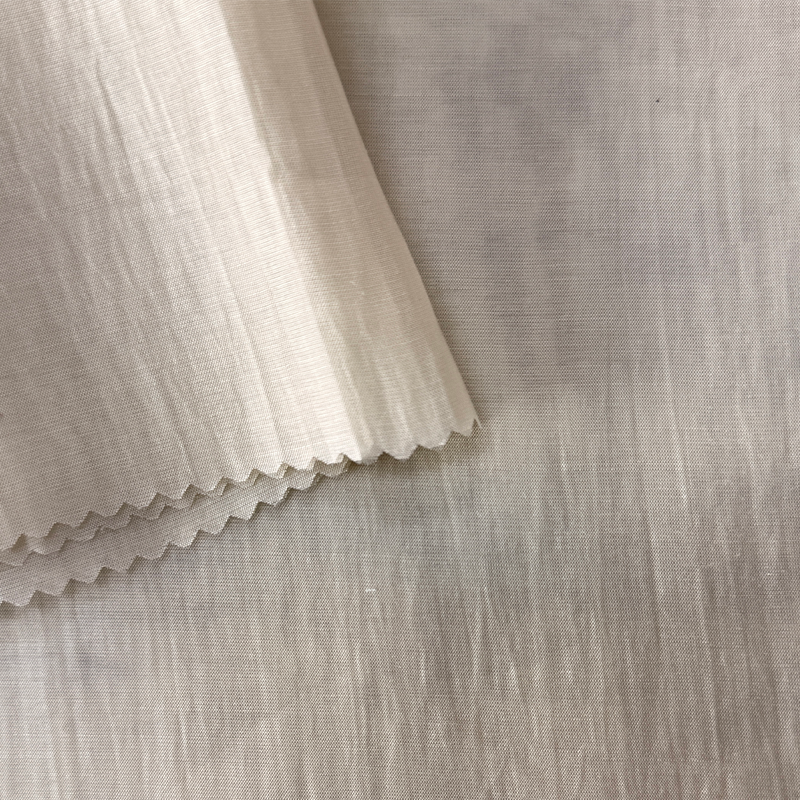 NO 6050 Airy Tencel Fabric – Lightweight 55 GSM BlendThis ultra-light 76% Tencel and 24% polyester fabric features an airy texture and soft drape, ideal for summer dresses and breathable tops. Its 55 GSM weight offers flowing, elegant silhouettes.View Product →
Key point: Modal's strongest applications are next-to-skin and fluid-drape categories, and the most important specification decisions are weight, blend ratio, and shrinkage control.
Sourcing Modal and Similar Cellulosic Fabrics: What a Manufacturer Needs to Know
Modal fabric is sold globally through two channels. Large apparel groups often buy directly from integrated mills in Asia and Europe. Mid-size brands and importers usually work with an export-oriented trading company or a fabric manufacturer that can consolidate production, inspect quality, and ship consolidated orders.
Before contacting a supplier, prepare a clear specification. This should include the exact fiber content and blend ratio, the yarn count and construction, the finished weight in grams per square meter, the required finish and hand feel, the color range or print artwork, target shrinkage and color fastness values, and the estimated order quantity. The clearer your specification, the more accurate the quotation will be.
Lead time is another critical factor. From yarn purchase to finished fabric, a typical modal order takes four to eight weeks, depending on whether the yarn and greige fabric are already in stock. If you need a quick reorder, ask whether the supplier keeps greige stock for fast finishing. If you are developing a new product, budget extra time for sample development and color approval.
Quality assurance is the main reason buyers prefer a manufacturer with controlled production. Inconsistency in greige quality, dyeing, or finishing will show up as shade variation, shrinkage, or a rough hand feel. A supplier with in-house yarn and fabric production can trace and correct problems more quickly than a pure trading company. This is where a vertically integrated fabric manufacturer has a real advantage.
For buyers who like the softness and drape of modal but want to explore similar cellulosic materials, blended fabrics with lyocell, rayon, and nylon offer comparable comfort at different price levels. Two styles in the current range are especially relevant to this discussion. The nylon-lyocell slub fabric gives a textured, dry touch with good strength, while the lyocell-polyester slub fabric balances natural comfort with easy-care performance.
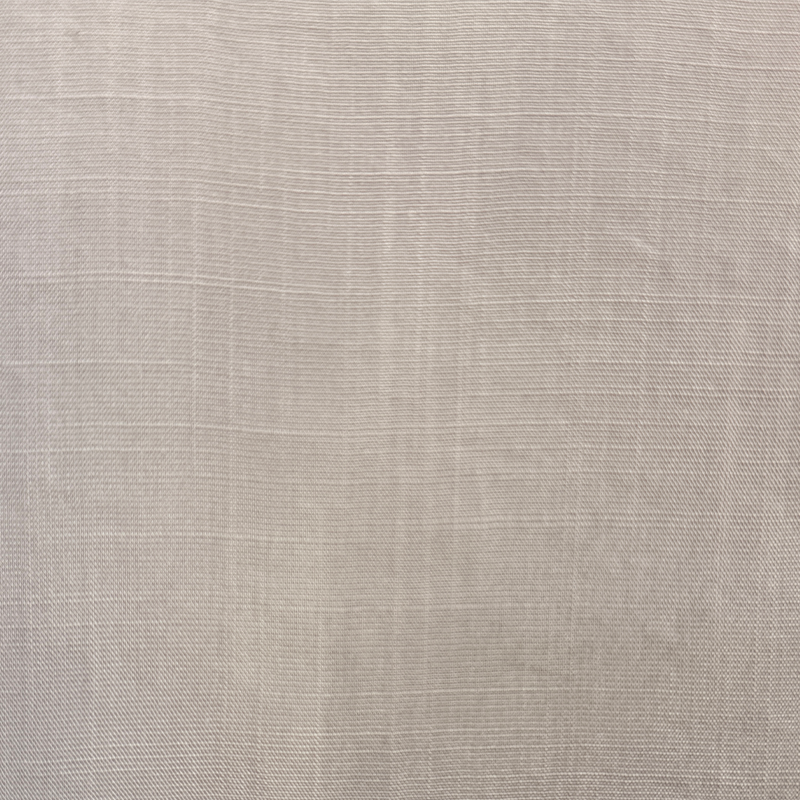 NO 6043 Nylon Tencel Slub Fabric – Durable Soft BlendBlending rayon, nylon, and Tencel at 130 GSM, this slub fabric offers a dry touch, moisture-wicking comfort, and enhanced abrasion resistance. Perfect for flowing dresses and light-luxury casual wear.View Product →
 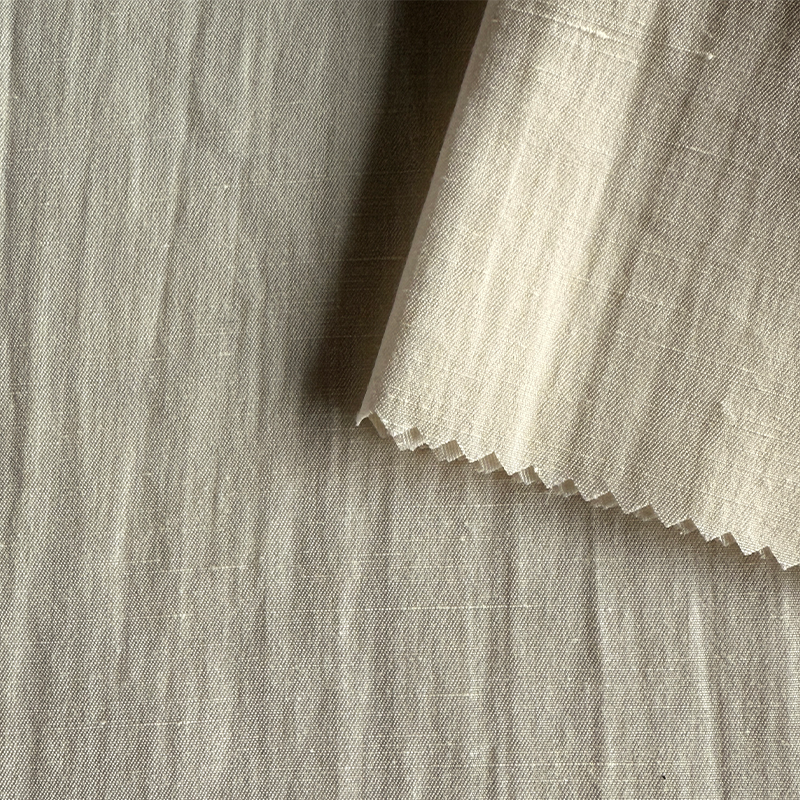 NO 6037 Lyocell Polyester Slub – Structured Fluid FabricThis 115 GSM lyocell and polyester slub fabric balances fluid drape with structural stability. It features a subtle silk-like sheen and refined texture, suitable for clean-lined garments with easy-care durability.View Product →
Working with Shaoxing Echoes Textile Co., Ltd. gives buyers a practical sourcing route for this type of fabric. With an 80-mu greige fabric factory and an 80-mu cotton yarn factory, Echoes controls the supply chain from spinning to weaving, and its daily output reaches an impressive 200,000 meters. The international trade team supports sampling, order follow-up, and after-sales service, which makes the company a dependable partner for both new development and repeat orders.
Blended fabric series — browse cellulosic and blended options for apparel
Contact the export team — request samples, prices, and lead times
Key point: The best way to source modal or a cellulosic alternative is to send a complete technical specification to a manufacturer with controlled spinning, weaving, and finishing, then validate the quotation with pre-production samples.
How to Care for Modal Fabric
Modal garments are easier to care for than viscose, but they are not indestructible. The right care routine keeps the fabric soft and prevents gradual fraying, shrinking, or loss of color. Most modal items can be machine washed, which is one of the main reasons consumers prefer it over other rayon types.
- Machine wash cold or warm: 30 to 40 degrees Celsius is safe for most modal garments. Hot water can accelerate shrinkage and fading.
- Use a mild detergent: a gentle liquid detergent without aggressive optical brighteners is best. Avoid chlorine bleach entirely.
- Turn garments inside out: this reduces surface friction and protects prints and deep colors during washing.
- Tumble dry low or line dry: high heat can weaken the fiber and distort the garment. If using a dryer, remove the items while slightly damp.
- Iron on low heat: if pressing is needed, use a low-temperature setting and preferably iron on the wrong side. High heat can stiffen or shine the fabric.
- Wash dark colors separately: deep shades of modal may release a small amount of loose dye in the first few washes.
Blended modal fabrics need slightly different care. A modal-elastane garment should be washed even more gently to preserve the spandex elastic recovery. A modal-polyester blend can tolerate a normal machine cycle and faster drying. Always check the sewn-in care label, because the finishing chemicals used by different manufacturers can affect the fabric's tolerance to heat and detergents.
From a supplier perspective, one of the best ways to reduce care complaints is proper pre-shrinking at the mill. A fabric that has been relaxed and pre-shrunk during finishing will maintain its dimensions far better in the consumer's washing machine. Ask your manufacturer for shrinkage test data before placing a large order, and keep a sample for verification when the goods arrive.
Key point: The durability of modal depends on both mill-level finishing and consumer care habits; choosing a supplier that pre-shrinks and tests its fabrics is the most effective way to prevent returns.
Modal Fabric FAQ
These are the questions buyers ask most often when evaluating modal fabric for a new project or a supplier change.
-
What fabric is modal, exactly?
Modal is a regenerated cellulose fiber made from beechwood pulp. It belongs to the rayon family, but it is produced with a higher degree of polymerization and more stretching than standard viscose, which gives it significantly better wet strength. In simple terms, it is a stronger, softer upgrade of viscose rayon.
-
Is modal fabric natural or synthetic?
Modal is a semi-synthetic or regenerated fiber. It starts from a renewable natural material, beechwood, but the cellulose is dissolved and re-extruded through an industrial chemical process. The final fiber is still cellulose and is biodegradable, so it is usually grouped with natural cellulosic fibers rather than with petroleum-based synthetics.
-
Is modal fabric good for summer?
Yes. Modal absorbs moisture quickly and has a high moisture regain, which helps sweat evaporate away from the skin. Its smooth surface also prevents the sticky feeling that some synthetics cause in hot weather. Lightweight modal jersey and woven modal dresses are popular summer products.
-
Does modal fabric shrink in the wash?
Properly finished modal shrinks less than cotton and much less than viscose. However, if the fabric has not been pre-shrunk at the mill, or if it is washed in hot water, some shrinkage can occur. Always check the supplier's shrinkage test data and follow the care label instructions.
-
Modal vs cotton — which is better?
It depends on the application. Modal is softer, drapes better, absorbs moisture more readily, and holds color more vibrantly than cotton. Cotton is cheaper, has higher dry strength, and is more familiar to consumers. For next-to-skin comfort and fashion colors, modal is usually the better choice; for heavyweight workwear and crisp shirting, cotton is often preferred.
-
Is modal fabric stretchy?
Pure modal has a natural elasticity that makes it comfortable, but it does not behave like spandex. When stretch is required, modal is typically blended with elastane or spandex at 5 to 10 percent. The resulting fabric provides good recovery while retaining modal's soft hand feel.
-
Is modal fabric eco-friendly?
Modal is biodegradable and uses renewable beechwood, which supports its environmental credentials. The concern is the chemical process used to dissolve the pulp, which requires proper recovery and treatment. Buyers looking for verified sustainability should ask for certifications such as OEKO-TEX, FSC-certified wood sources, or EU Ecolabel claims from their modal fabric supplier.
-
Does modal fabric wrinkle easily?
Modal wrinkles less than cotton and much less than viscose, but it is not completely wrinkle-free. The smooth fiber surface helps the fabric recover its shape after wearing. For a truly wrinkle-resistant product, a polyester blend or a resin finish would be required, which adds cost and changes the hand feel.
-
What is the difference between modal and viscose?
Both are regenerated cellulose fibers, but modal is made with a higher degree of polymerization and a more controlled stretching process. This makes modal significantly stronger, especially when wet, with lower shrinkage and a smoother surface. Viscose is cheaper and drapes fluidly, but it becomes weak and can distort when wet, requiring more delicate care.
-
Where can I buy modal fabric wholesale?
Modal fabric is available from fabric manufacturers and export trading companies in textile-producing regions. When buying wholesale, send a detailed specification, request a sample card, and verify the supplier's production and quality control capabilities. A manufacturer with in-house weaving or knitting, like Shaoxing Echoes Textile Co., Ltd., can usually offer better consistency and shorter lead times for repeat orders.
Conclusion: Is Modal Fabric the Right Choice?
Modal is a strong contender whenever your product needs softness, breathability, and dependable washability. It is not the cheapest fiber, and it is not the most technical, but it occupies a practical sweet spot for apparel and home textiles. For garments worn against the skin, few materials match modal's combination of smoothness and moisture management at a mid-range price.
For volume buyers, the key is not to order modal by name alone. Define the weight, the blend ratio, the required finish, and the test standards, then ask a qualified manufacturer to produce a sample. If you are open to similar cellulosic materials, lyocell blends and rayon blends can deliver comparable comfort at different price points, giving you a broader sourcing palette.
Echoes' decades of textile experience, its own yarn and fabric factories, and its export service team make it a practical partner for sourcing woven and knitted cellulosic blends. The best next step is to send your specifications and request a development sample. The right fabric choice will show itself quickly when you compare swatches, test data, and prices side by side.
Final note: Modal is a comfort-first fiber with real practical advantages over cotton and viscose, and when sourced through a controlled supply chain, it can elevate both the quality and the margin of your product line.