English
 Español
 italiano
Content
- 1 What Is Breathable Knitted Fabric and Why It Matters
- 2 Key Performance Metrics Buyers Use to Evaluate Breathable Knitted Fabric
- 3 Visualizing Air Permeability Across Fabric Structures
- 4 Inside the Diamond Pattern Warp-Knit Structure
- 5 Comparing Fabric Attributes Across the Echoes Knit and Velvet Range
- 6 From Yarn to Fabric: An Integrated Production Chain
- 7 Product Reference: Diamond and Velvet Fabric Range
- 8 Where Breathable Knitted Fabric Is Used
- 9 Seasonal Sourcing Patterns for Breathable Fabric
- 10 Working With a Breathable Fabric Manufacturer: What to Ask
- 11 Moisture Management: The Partner Property to Breathability
- 12 Quality Consistency Across Bulk Fabric Orders
- 13 Frequently Asked Questions
Breathable knitted fabric performs well for apparel and home textile use because its looped yarn structure leaves open, interconnected air channels that plain woven cloth does not have. In practical terms, a warp-knitted or weft-knitted construction with a diamond, mesh, or crepe surface pattern lets air pass through the fabric more easily, moves moisture away from the skin faster, and keeps the wearer more comfortable during activity or in warm conditions. The looped knit architecture, not the fiber alone, is the main reason breathable knitted fabric outperforms tightly woven alternatives in air permeability and moisture management. The sections below explain how this structure works, how it is measured, how it is produced, and where it is used across garment and home textile categories, using the diamond flower embossed crepe fabric, the modern diamond pattern warp-knitted crepe fabric, and the sunshine velvet fabric from Shaoxing Echoes Textile Co., Ltd as reference examples throughout.
What Is Breathable Knitted Fabric and Why It Matters
Breathable knitted fabric refers to textiles produced on knitting machines, either warp-knitting or weft-knitting equipment, where yarns are interlooped rather than interlaced as in weaving. This looping process naturally creates small open spaces between adjacent stitches, and those spaces act as air passages through the thickness of the cloth. The more open and regular the loop structure, the higher the resulting air permeability tends to be, which is why knitted fabric is widely selected for activewear, underwear, loungewear, bedding, and seasonal apparel that needs to feel light against the skin. Breathability in a knitted fabric is influenced by several factors working together: the loop density (courses and wales per unit length), the yarn count, the finishing treatment applied after knitting, and the surface pattern created by the knitting technique itself.
For manufacturers and wholesale buyers sourcing functional textile fabric, breathability is rarely evaluated in isolation. It is generally considered alongside moisture-wicking fabric performance, stretch recovery, and surface texture stability, because a fabric that breathes well but loses its shape after washing is not commercially useful for a finished garment. A well-engineered breathable knitted fabric therefore balances open structure with dimensional stability, so that the diamond or mesh pattern that creates airflow channels also holds its form through repeated wear and care cycles. This is one reason textile buyers increasingly request structural data, not just a single air permeability figure, when evaluating a knitted fabric supplier.
Within this category, warp-knitted fabric occupies a specific niche. Warp knitting produces a more stable, less run-prone structure compared to some weft-knitted jerseys, while still retaining the open loop geometry that supports airflow. A diamond pattern warp-knitted crepe fabric, for example, combines a textured surface with a knit base, which gives buyers both a visual and tactile differentiator alongside the functional breathability benefit. This combination of function and surface design is a large part of why diamond and embossed crepe patterns remain popular repeat requests among apparel fabric buyers sourcing breathable knitted fabric for spring and summer collections.
Key Performance Metrics Buyers Use to Evaluate Breathable Knitted Fabric
When comparing breathable knitted fabric options, sourcing teams typically look at a consistent set of measurable properties rather than relying on marketing description alone. These include air permeability, fabric weight expressed in GSM (grams per square meter), fiber composition and blend ratio, moisture regain behavior, and dimensional stability after washing. GSM in particular is a useful shorthand for weight and hand-feel, but it does not by itself indicate breathability, since two fabrics with the same GSM can have very different loop openness depending on knitting gauge and yarn twist.
| Fabric Code | Composition | Width | Weight (GSM) | Surface Pattern |
|---|---|---|---|---|
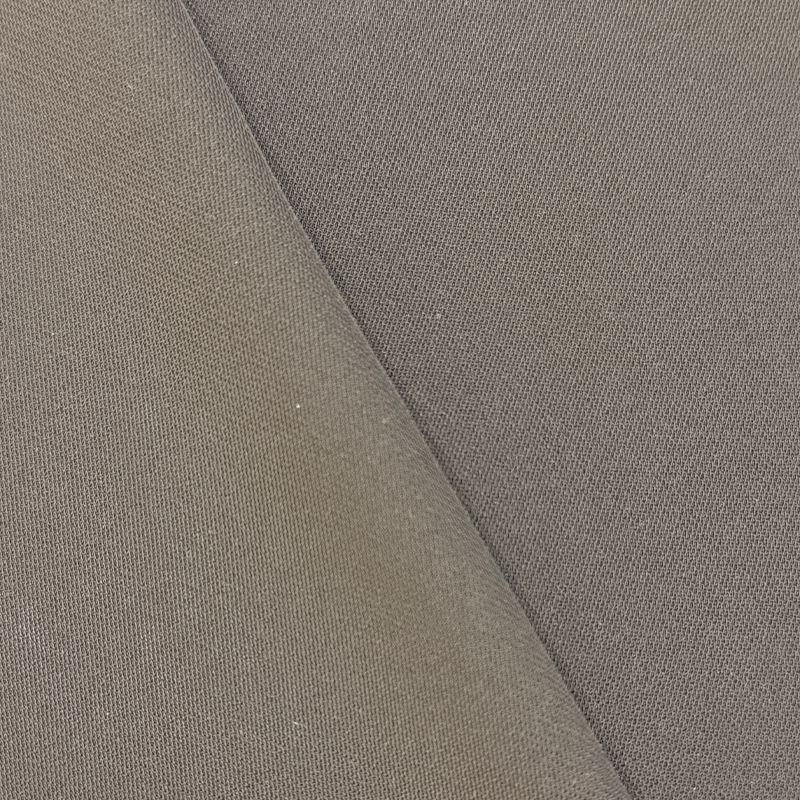
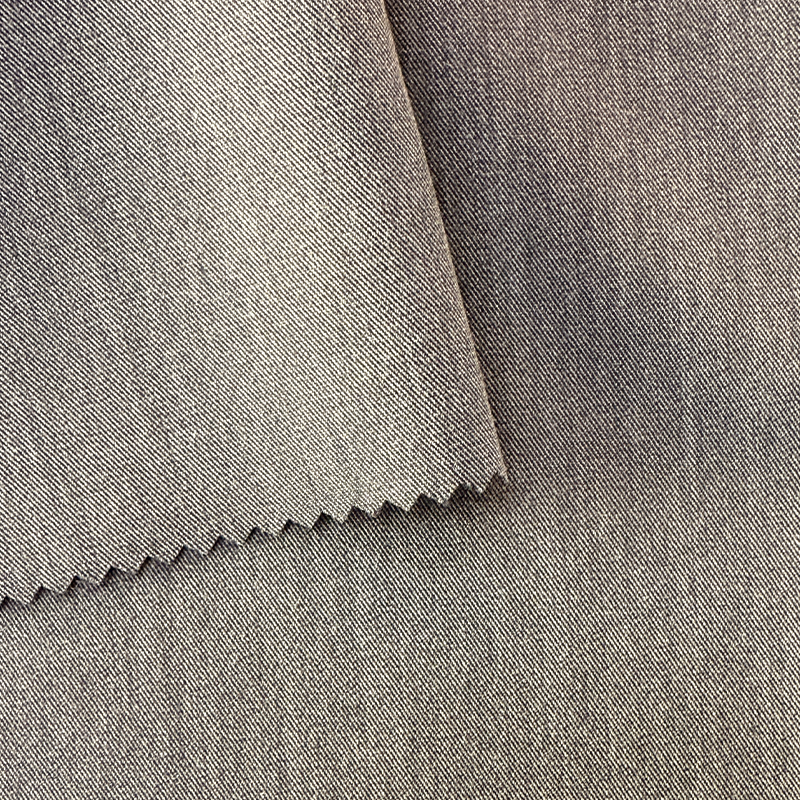
| NO7001 | 97% Polyester / 3% Spandex | 62/64 inch | 175 GSM | Diamond flower embossed crepe |
| NO7002 | 97% Polyester / 3% Spandex | 58/60 inch | 150 GSM | Modern diamond pattern warp-knit crepe |
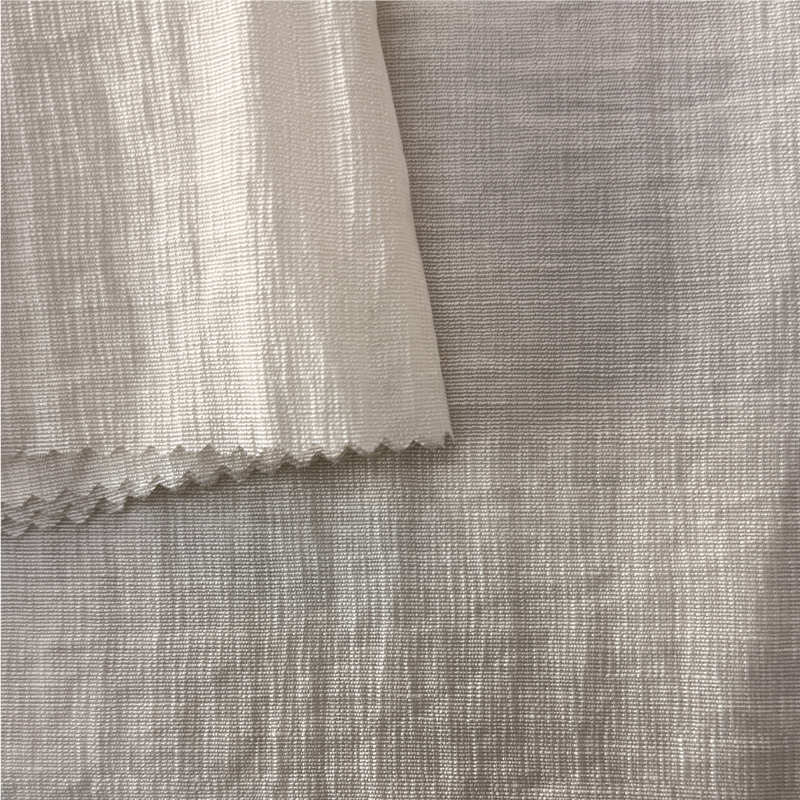
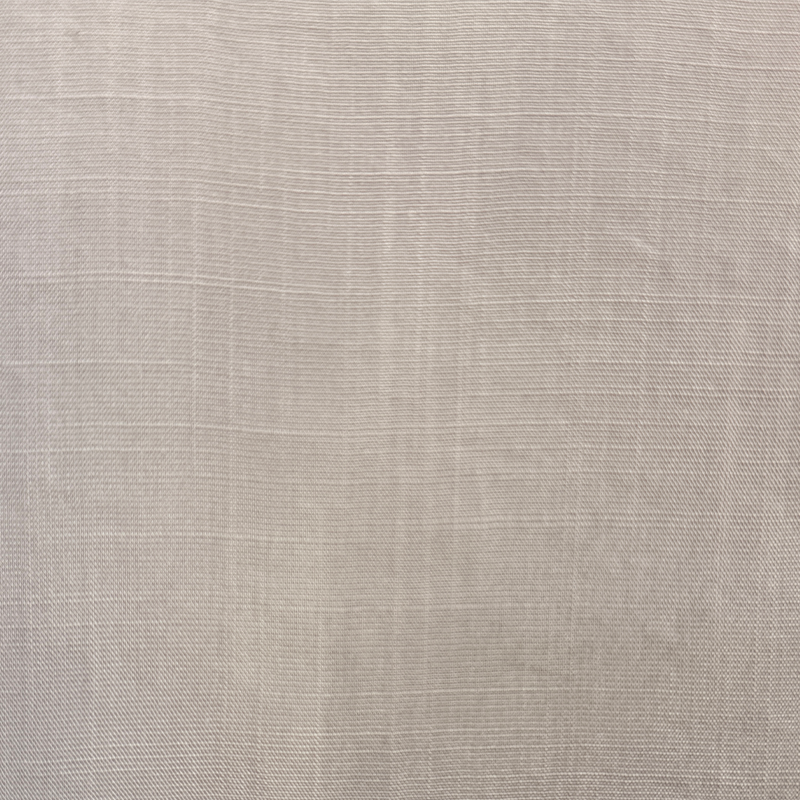
| NO5001 | 93% Polyester / 7% Spandex | 75/77 inch | 150 GSM | Sunshine velvet, soft supple hand |
It is worth noting that not every knitted construction is optimized primarily for airflow. A velvet-type fabric such as NO5001 is built for a soft, supple hand-feel and visual depth, which comes from a denser pile surface, and this construction naturally prioritizes drape and touch over maximum air exchange. In contrast, the diamond pattern warp-knitted crepe fabric NO7002 is built around a raised, textured loop geometry that keeps the fabric surface away from the skin at multiple points, which is the structural reason this type of construction is generally associated with better airflow than a flat, dense knit of similar weight. Buyers sourcing specifically for breathable knitted fabric applications should therefore request the surface pattern and knitting method alongside GSM, not GSM alone.
Visualizing Air Permeability Across Fabric Structures
Before looking at the chart below, it helps to understand what air permeability actually measures and why the comparison matters for sourcing decisions. Air permeability describes how easily air passes through a fixed area of fabric under a set pressure difference, and it is one of the standard tests referenced in textile physical testing protocols worldwide. Fabrics built from tightly packed, plain woven yarns generally show lower relative air permeability because the interlaced structure leaves fewer and smaller open paths for air to move through. Weft-knitted jersey structures typically sit in the middle of this comparison, since the single loop structure is more open than plain weave but less structurally reinforced than some warp-knit variants. Warp-knitted diamond pattern structures, like the one used in NO7002, tend to sit toward the higher end of relative air permeability among common knit types because the raised diamond geometry increases the effective open area at the fabric surface without sacrificing structural integrity.
The chart above presents a relative, illustrative index rather than a specific certified test result, and it is meant to help buyers understand the general ordering of these three construction types rather than a precise numeric claim. What the pattern shows is consistent with well-documented textile engineering principles: interlaced woven structures pack yarn most densely, single weft-knit loops open the structure somewhat, and warp-knit diamond geometries with raised, textured surfaces tend to create the most open effective air path among the three. This is one reason breathable knitted fabric sourcing conversations often start with the knitting method before moving to fiber content, since the construction sets the ceiling on how breathable a finished fabric can realistically be. For garment technologists working on activewear, base layers, or warm-weather apparel, this structural hierarchy is a practical starting point for narrowing supplier options before physical testing. It also explains why two fabrics with identical GSM and similar fiber blends can feel and perform very differently once sewn into a finished garment and worn in real conditions. Buyers who understand this relationship can ask more targeted technical questions of a breathable fabric manufacturer, rather than relying only on a single test certificate. In practice, structural comparison and physical lab testing work best together, with the chart above serving as a starting framework rather than a replacement for actual testing.
Inside the Diamond Pattern Warp-Knit Structure
The diamond pattern seen in both NO7001 and NO7002 is not purely decorative; it is a structural feature that changes how the fabric surface interacts with air and skin. In a diamond flower embossed crepe fabric, the knitting and finishing process raises small clusters along diamond-shaped lines, creating a grid of slightly elevated nodes separated by recessed channels. This uneven surface topography means that when the fabric lies against skin or another layer of clothing, contact is concentrated at the raised nodes rather than across the full surface area, leaving the recessed channels open as micro air passages. The same underlying principle applies to the modern diamond pattern warp-knitted crepe fabric NO7002, though its knitting gauge and finishing produce a slightly flatter, more regular diamond grid better suited to a lighter 150 GSM construction.
This axonometric diagram illustrates the three functional layers that make up a typical diamond pattern warp-knit crepe fabric: the raised node grid at the surface, the recessed channel network between nodes, and the base knit layer that provides structural loops and dimensional stability underneath. The raised nodes are the points that make contact with skin or an adjacent garment layer, while the recessed channels remain open and available for air movement even under moderate pressure such as normal wear. This layered geometry is a key reason diamond and crepe surface patterns are frequently requested for breathable knitted fabric intended for close-to-skin garments. It also explains why finishing processes matter: a finishing treatment that flattens the diamond nodes too aggressively will reduce the airflow benefit, even though the underlying knit structure is unchanged. For an apparel fabric supplier, maintaining node height consistency through dyeing and finishing is therefore as important as the initial knitting specification.
Comparing Fabric Attributes Across the Echoes Knit and Velvet Range
Before reading the radar comparison below, it is useful to understand that no single fabric performs best across every attribute simultaneously, and that is expected rather than a shortcoming. Breathability, stretch recovery, surface texture definition, and structural stability often involve engineering trade-offs, so a fabric optimized heavily for one property may perform moderately, rather than exceptionally, on another. This is true across nearly all functional textile fabric categories, not just the products discussed here, and it is a normal part of textile design rather than a flaw in any particular construction. Radar charts are useful in this context because they let a buyer see the overall attribute profile of a fabric at a glance, rather than comparing single numbers in isolation. The three fabrics compared below, NO7001, NO7002, and NO5001, represent three different design intentions within the same manufacturer's range, which makes the comparison a useful illustration of how construction choices shape the resulting attribute profile.
Reading this radar comparison, the modern diamond pattern warp-knitted crepe fabric NO7002 shows its strongest profile on breathability and structural stability, which aligns with its lighter 150 GSM construction and regular diamond knit geometry designed for airflow. The diamond flower embossed crepe fabric NO7001 shows a more balanced profile, with slightly higher texture definition due to its more pronounced embossed node pattern, while remaining close to NO7002 on breathability since both share a similar polyester-spandex base and diamond surface concept. The sunshine velvet fabric NO5001 shows a clearly different profile, scoring highest on surface softness and texture depth, which reflects its design purpose as a soft-handle, visually rich fabric rather than a primarily airflow-optimized construction. This is not a weakness of NO5001; it simply reflects a different engineering goal, since velvet-type fabrics are generally chosen for drape, visual depth, and hand-feel in outerwear, home textile, and decorative applications rather than for maximum air exchange. For sourcing teams, this kind of attribute mapping is useful because it prevents a mismatch between fabric selection and end-use requirement, such as specifying a soft velvet construction for a high-breathability activewear application where a diamond warp-knit fabric would be structurally more appropriate. Understanding these trade-offs also helps buyers communicate more precisely with a knitted fabric supplier when requesting fabric development or modification, since the request can reference specific attributes rather than a general impression of "better fabric."
From Yarn to Fabric: An Integrated Production Chain
Shaoxing Echoes Textile Co., Ltd is a full-category import and export fabric company that integrates research and development, production, and sales under one operation. The company operates two core production bases: an 80-acre specialized greige fabric factory and an 80-acre modern cotton yarn factory, which together allow control over the production chain from raw material through to finished fabric rather than depending entirely on outside subcontractors for each stage. Backed by this production capability, consistent quality assurance procedures, and a mature supply chain system, Echoes focuses on textile import and export operations, offering a wide range of products including various cotton yarns, greige fabrics, and related textile products that are exported to numerous regions worldwide.
This kind of vertically integrated setup matters specifically for breathable knitted fabric production because breathability is partly determined upstream, before the knitting stage even begins. Yarn twist level, yarn evenness, and fiber blend ratio all influence how open or dense the resulting knit loops can be once fabric leaves the knitting machine. A manufacturer that controls its own cotton yarn factory has more consistent input material to work with when developing a new breathable fabric construction, compared to a converter that sources yarn from multiple external suppliers with varying quality. Supported by a professional international trade service team, Echoes aligns with customer needs, delivers efficient order fulfillment, provides customized solutions, and maintains comprehensive after-sales service, which is particularly relevant for wholesale and OEM fabric buyers who need consistent repeat production runs rather than a single one-off batch.
This donut chart is an illustrative representation, not a disclosed internal production percentage, and its purpose is to visually communicate that Echoes' operation is structured around two closely linked production bases rather than a single, narrow production line. The greige fabric factory handles unfinished, undyed fabric production at scale across an 80-acre facility, while the cotton yarn factory manages spinning and yarn preparation across a similarly sized 80-acre facility. Having both stages under one company structure reduces the number of handoffs between separate businesses, which can help with consistency when a customer needs a repeat order of the same breathable knitted fabric construction at a later date. For international buyers evaluating a breathable fabric manufacturer, this kind of integrated setup is often a practical consideration alongside price and lead time, because it can reduce some of the variability that comes from multi-vendor supply chains. It is also relevant to product development timelines, since adjustments to yarn specification and fabric knitting can be coordinated more directly when both stages sit within the same company rather than across separate external suppliers. This structural point is one of the more practical, verifiable differentiators a wholesale or OEM fabric buyer can factor into a sourcing decision beyond the fabric specification sheet itself.
Product Reference: Diamond and Velvet Fabric Range
The image below shows three representative fabrics from the Echoes range side by side: the diamond flower embossed crepe fabric NO7001, the modern diamond pattern warp-knitted crepe fabric NO7002, and the sunshine velvet fabric NO5001. Viewing these fabrics together makes the structural differences discussed earlier easier to see directly, particularly the contrast between the raised diamond node pattern on the first two fabrics and the dense, directional pile surface of the velvet fabric.
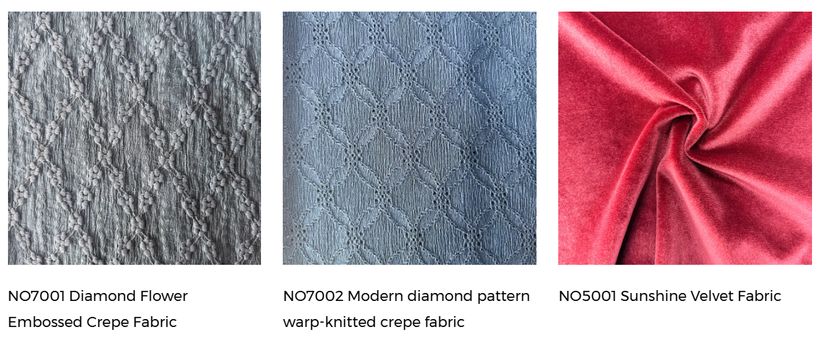
Looking closely at the two diamond pattern fabrics, the surface grid is clearly visible as a repeating network of raised lines forming diamond shapes across the fabric face, which is the physical feature responsible for the airflow behavior described earlier in this article. The velvet fabric, by contrast, shows a uniform pile surface with a soft directional sheen and no visible grid pattern, consistent with its role as a soft-handle fabric rather than a primarily breathable knitted fabric. Buyers requesting sample cards or bulk fabric sourcing for a specific end use can reference these visual and structural differences directly when specifying which construction best matches a garment or home textile application.
Where Breathable Knitted Fabric Is Used
Breathable knitted fabric is used across a fairly wide span of apparel and home textile categories, and the specific construction chosen often depends on how close the fabric sits to the skin and how much movement the garment needs to accommodate. The list below summarizes common application categories relevant to diamond pattern and warp-knitted crepe fabric of the type discussed in this article.
- Spring and summer apparel, including blouses, dresses, and lightweight jackets where surface texture and airflow both matter
- Activewear and athleisure layers that benefit from stretch recovery combined with moisture-wicking fabric behavior
- Loungewear and homewear where soft hand-feel and breathability are both valued for extended wear comfort
- Decorative and structural garment components where a textured diamond crepe surface adds visual interest to an otherwise plain silhouette
- Home textile accents such as cushion covers and light upholstery trims, particularly for velvet-type fabric such as NO5001
For apparel brands and wholesale distributors, the practical takeaway is that breathable knitted fabric selection should start with the intended end use, then move to construction type, and finally to fiber blend and finishing details. A garment intended for high-movement activewear generally benefits from the more open, stable warp-knit diamond structure represented by NO7002, while a garment prioritizing drape and softness over airflow may be better served by a velvet or crepe construction depending on the exact design brief. This layered decision process is one reason many buyers work directly with a knitted fabric supplier's technical team during development rather than selecting purely from a static specification sheet, since real garment performance depends on how the fabric behaves once cut, sewn, and worn.
Seasonal Sourcing Patterns for Breathable Fabric
Before reviewing the trend chart below, it helps to understand the general seasonal rhythm of apparel fabric sourcing, since this pattern is widely recognized across the apparel supply chain rather than specific to any single manufacturer. Breathable and lightweight fabric categories typically see increased sourcing interest in the months leading up to spring and summer collection production, as brands finalize fabric selection well ahead of the retail season. This lead time is necessary because knitting, dyeing, finishing, and shipping all take measurable time, so buyers sourcing breathable knitted fabric for a summer collection usually begin supplier conversations several months in advance. Demand for heavier, less breathable constructions such as certain velvet and brushed fabrics tends to follow a different seasonal curve, generally increasing ahead of autumn and winter production cycles instead. Recognizing this general pattern helps buyers and manufacturers plan production capacity and communicate realistic lead times to each other well before peak ordering periods arrive.
The curve above illustrates a typical relative sourcing interest pattern for breathable knitted fabric across four quarters, peaking through the second quarter as brands finalize spring and summer fabric orders and then gradually declining toward year end as attention shifts toward heavier seasonal fabric categories. This pattern is consistent with the general lead-time structure of apparel production, where fabric selection, sampling, bulk knitting, and finishing must all be completed well before finished garments reach retail shelves for the corresponding season. For a breathable fabric manufacturer, understanding this rhythm supports better production planning, since capacity for high-volume knitting and finishing can be allocated ahead of the anticipated demand window rather than reactively. For wholesale buyers, the practical implication is that early engagement with a supplier, ideally before the peak sourcing window shown in the chart, generally allows more flexibility in customization, minimum order quantity discussion, and delivery scheduling. Buyers working across multiple fabric categories can also use this pattern to stagger sourcing conversations, discussing breathable knitted fabric earlier in the year and heavier fabric constructions later, aligning supplier communication with each category's natural production cycle. None of this replaces direct conversation with a specific supplier about current capacity, but the general seasonal framework is a useful starting point for sourcing calendar planning.
Working With a Breathable Fabric Manufacturer: What to Ask
Buyers new to sourcing breathable knitted fabric often benefit from a structured list of questions when first engaging a manufacturer or wholesale supplier, since this helps standardize comparisons across multiple quotes. Relevant questions typically include the knitting method used, fiber blend and percentage, finished GSM, available widths, minimum order quantity for custom colors or patterns, standard lead time for bulk production, and whether yarn and greige fabric are produced in-house or sourced externally. Asking about in-house yarn and greige fabric production is particularly relevant for buyers who plan to place recurring orders, since it can affect consistency across production batches over time.
- Confirm the knitting method (warp-knit or weft-knit) and surface pattern name for the specific fabric code
- Request fiber composition, GSM, and available width options in writing
- Ask whether yarn and greige fabric production are handled in-house or through external partners
- Clarify standard lead time for sampling versus bulk production runs
- Discuss after-sales support and how quality issues on a bulk order are typically handled
A manufacturer able to answer these questions clearly and consistently, with reference to specific production facilities and processes, generally signals a more mature and transparent supply chain relationship. This is especially relevant for brands and distributors sourcing breathable knitted fabric in bulk for the first time, since early clarity on these points tends to reduce miscommunication later in the production cycle. Working with an international trade service team that can coordinate technical specification, sampling, and shipment logistics in one point of contact also tends to simplify communication for overseas buyers unfamiliar with a specific factory's internal processes.
Moisture Management: The Partner Property to Breathability
Air permeability is only part of what makes a fabric feel comfortable during wear, and it is worth separating breathability from moisture-wicking fabric behavior, since the two properties are related but not identical. Breathability describes how easily air moves through the fabric, while moisture-wicking behavior describes how efficiently a fabric moves liquid moisture, such as perspiration, away from the skin and spreads it across a wider surface area for faster evaporation. A fabric can have reasonably open loop structure and still manage moisture poorly if the fiber surface itself does not support efficient capillary movement, which is why fiber selection and yarn finishing are evaluated alongside knit structure rather than in isolation. Polyester-based knits, including the polyester-spandex blends used in NO7001 and NO7002, are commonly selected for functional textile fabric applications partly because polyester fiber does not absorb large amounts of water into the fiber itself, which supports faster surface-level moisture transport compared to some more absorbent natural fibers under similar conditions.
The spandex content included in these blends, typically in the 3 to 7 percent range shown in the earlier comparison table, contributes stretch recovery rather than moisture management directly, but it plays an indirect role in comfort by helping the fabric maintain consistent contact and shape against the body during movement. When a fabric loses shape or sags after repeated wear, the diamond node pattern responsible for airflow channels can also lose its regular geometry, which may reduce the breathability benefit over time. This is one reason stretch recovery and structural stability are included as evaluation attributes alongside breathability in the radar comparison earlier in this article, rather than treating breathability as a standalone metric. For buyers developing activewear or base layer products specifically, requesting information on both moisture-wicking fabric behavior and stretch recovery alongside air permeability data gives a more complete picture of expected in-use comfort than air permeability figures alone.
Finishing treatments applied after knitting and dyeing can also influence how a fabric manages moisture on the surface, since certain finishing processes are applied specifically to modify how water interacts with the fabric surface. A finishing approach that closes the loop structure too tightly to achieve a smoother hand-feel may inadvertently reduce both breathability and moisture-wicking efficiency, so finishing decisions need to balance hand-feel, appearance, and functional performance together rather than optimizing for surface smoothness alone. This is a practical reason why sample testing under conditions similar to the intended end use, rather than relying solely on a specification sheet, remains a valuable step before committing to a bulk fabric order from any knitted fabric supplier.
Quality Consistency Across Bulk Fabric Orders
For wholesale and OEM fabric buyers, the properties discussed throughout this article, including air permeability, GSM, fiber blend, and surface pattern regularity, are only useful if they remain consistent from the first sample through to the final bulk shipment. Batch-to-batch consistency is influenced by several factors upstream of the finished fabric, including yarn evenness during spinning, dye lot consistency, and knitting machine calibration across production runs. This is another area where an integrated production structure, spanning cotton yarn production and greige fabric production within the same company, can offer a practical advantage, since fewer external handoffs generally means fewer points where variation can be introduced between batches.
Buyers evaluating a potential breathable fabric manufacturer for a recurring bulk order relationship should ask specifically how consistency is monitored across production runs, not only how the first sample performs. Reasonable questions include how frequently physical testing is conducted during bulk production, whether dye lots are tracked and matched across shipments, and how a quality issue identified after shipment is typically resolved. A textile import and export company with a dedicated international trade service team is generally better positioned to coordinate this kind of ongoing quality communication across time zones and shipment cycles, compared to working through an intermediary with limited direct visibility into the factory floor.
Ultimately, sourcing breathable knitted fabric successfully at scale depends on treating it as an ongoing supplier relationship rather than a single transaction. The structural knowledge covered in this article, from knitting method and diamond pattern geometry through to moisture management and production chain integration, gives buyers a more complete framework for evaluating not just a single fabric sample, but the manufacturer standing behind repeated production of that fabric over time. Brands and distributors that apply this framework consistently across their fabric sourcing decisions tend to build more stable, lower-friction supplier relationships, which pays off in reduced rework, more predictable lead times, and steadier product quality across seasonal collections.
Frequently Asked Questions
Q1: What makes a knitted fabric more breathable than a woven fabric of similar weight?
A: The looped structure created during knitting leaves more open space between yarns than the interlaced structure of weaving, which generally allows air to pass through more easily at a comparable fabric weight.
Q2: Is the diamond pattern on NO7001 and NO7002 purely a visual design feature?
A: No, the raised diamond nodes and recessed channels also function structurally, reducing full-surface skin contact and leaving open channels that support airflow through the fabric.
Q3: Why is NO5001 velvet fabric not marketed primarily as a breathable knitted fabric?
A: Velvet-type construction prioritizes a dense pile surface for softness, drape, and visual depth, which serves a different design purpose than the open diamond knit structure built for airflow.
Q4: Does Echoes control fabric production from raw yarn through to finished cloth?
A: Yes, Echoes operates an 80-acre cotton yarn factory and an 80-acre greige fabric factory, supporting production chain control from raw material through to finished fabric.
Q5: What should a first-time buyer request when sourcing breathable knitted fabric samples?
A: Request the knitting method, fiber composition, GSM, available width, and whether yarn and greige fabric are produced in-house, alongside a physical sample card for hand-feel evaluation.