English
 Español
 italiano
Content
- 1 Understanding Wrinkle Resistant TR Fabric Composition
- 2 How Wrinkle Recovery Is Tested in Woven Fabrics
- 3 Woven Fabric Construction Types and Their Properties
- 4 Representative Woven Fabric Styles Across a Full Category Range
- 5 Durable Woven Fabric Manufacturing: From Yarn to Finished Cloth
- 6 Application Areas for Wrinkle Resistant TR Fabric
- 7 Selecting a Woven Fabric for a Specific End Use
- 8 About Shaoxing Echoes Textile Co., Ltd.
- 9 Frequently Asked Questions
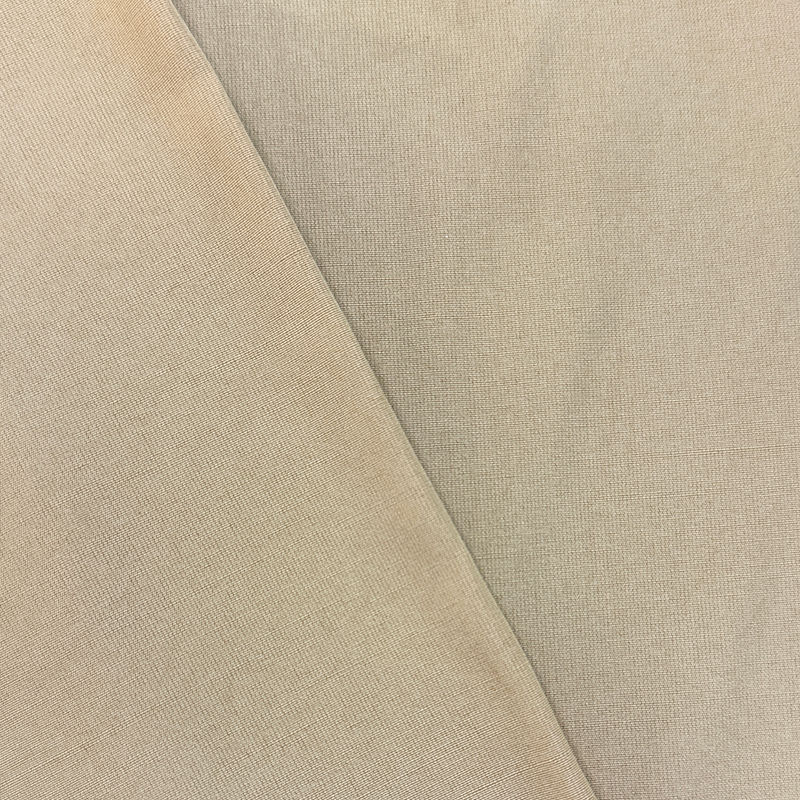
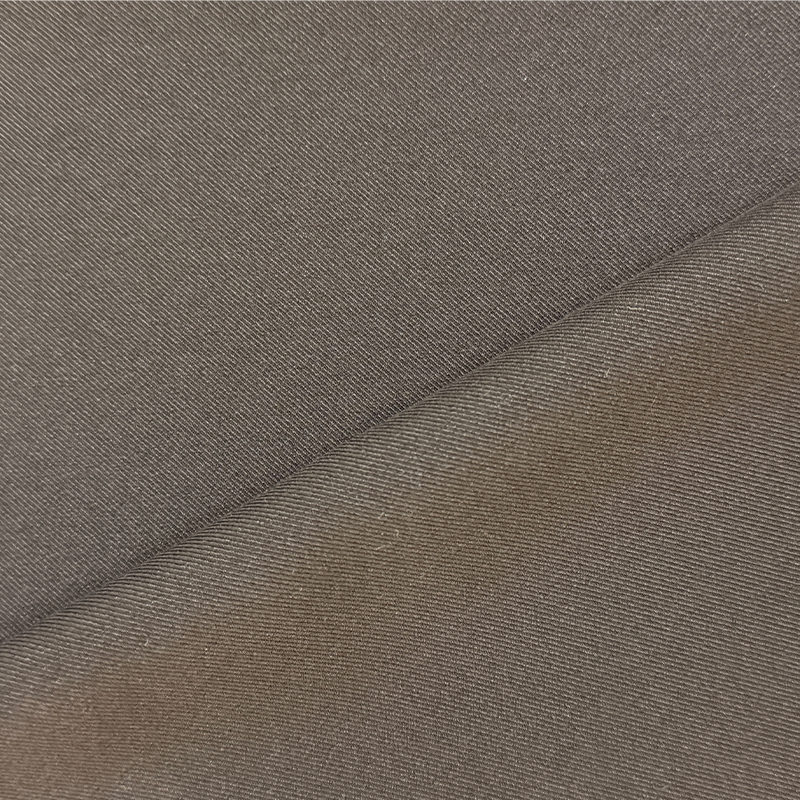
Wrinkle resistant TR fabric resists creasing mainly because its polyester-viscose fiber blend combines the elastic recovery of polyester with the drape of viscose, allowing the fabric to spring back toward a flat state after folding or compression rather than holding a permanent crease. This kind of recovery behavior is exactly what standardized methods such as AATCC 66 and the closely related ISO 2313 are designed to measure, using a folded and compressed specimen that is timed as it recovers toward its original angle. The sections below explain how TR fiber blends achieve this recovery property, how different woven fabric constructions compare on durability and drape, and how a buyer can evaluate a Woven Fabric range for a specific end use.
Understanding Wrinkle Resistant TR Fabric Composition
TR fabric refers to a woven textile built from a blend of polyester (T, for terylene) and viscose rayon (R), combined at the yarn or fiber stage before weaving. Polyester fiber contributes elastic recovery, meaning the fiber tends to return toward its original shape after being bent or compressed, which is the underlying mechanical property behind wrinkle resistance. Viscose rayon contributes softness, drape, and a more natural handle, since rayon fiber alone tends to crease more readily than polyester but offers a smoother visual and tactile quality. When blended in a woven construction, these two fibers offset each other's limitations, which is why Wrinkle Resistant TR Fabric is commonly selected for garments and uniform fabrics where both a neat, crease-resistant appearance and reasonable comfort are required.
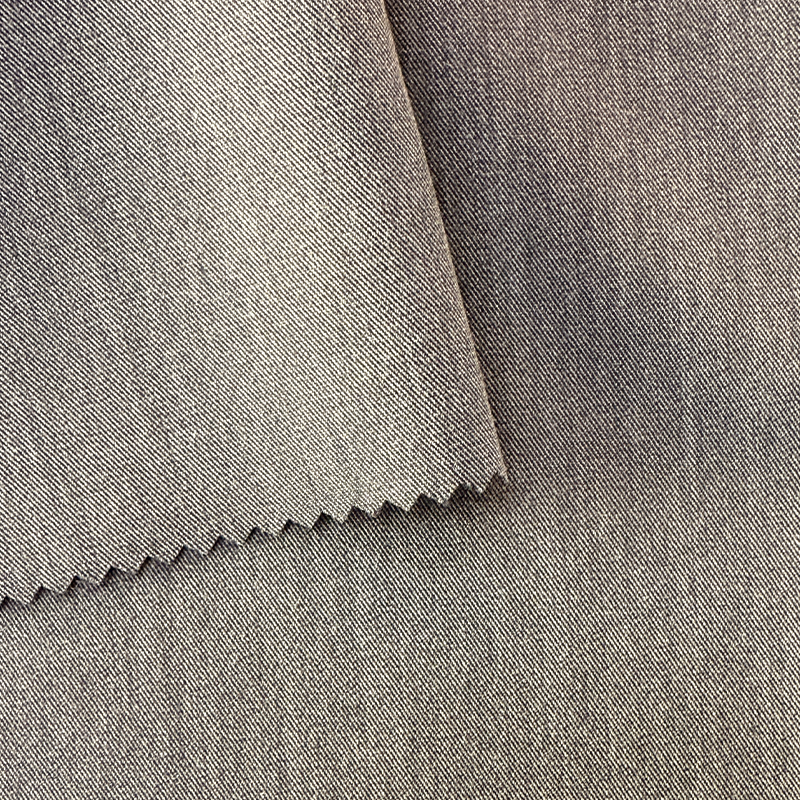
The weave structure applied to a TR yarn blend also affects the final wrinkle performance. A tightly woven plain or twill construction generally holds its shape better than a loosely woven fabric, since a denser interlacing pattern restricts how far individual yarns can shift when the fabric is folded. This is one reason fabric developers evaluate both fiber composition and weave density together rather than relying on fiber blend alone to achieve consistent wrinkle resistance across a finished woven fabric range.
How Wrinkle Recovery Is Tested in Woven Fabrics
Wrinkle recovery in woven fabrics is commonly evaluated using AATCC Test Method 66, "Wrinkle Recovery of Woven Fabrics: Recovery Angle," a method also closely mirrored by the international standard ISO 2313. In this test, a fabric specimen is folded and compressed under controlled time and force to create a defined crease, then suspended in a test instrument for a set recovery period before the recovery angle is measured. A higher recovery angle generally indicates that the fabric returns closer to its original flat state, which corresponds to better practical wrinkle resistance during everyday use such as sitting, folding, or packing a garment.
The bar chart below presents an illustrative, general comparison of relative wrinkle recovery performance across three broad fabric categories: a TR polyester-viscose blend, a 100 percent viscose woven fabric, and a 100 percent cotton woven fabric, using a simplified 1-to-10 relative scale rather than degree-based test data. Cotton and viscose fabrics generally sit lower on this kind of relative scale because natural and regenerated cellulose fibers have less inherent elastic recovery than polyester. TR blends generally sit higher because the polyester content raises overall elastic recovery while the viscose content preserves fabric drape. This comparison is intended to illustrate the general direction of the effect described in wrinkle recovery testing literature, not to represent a specific certified degree measurement for any single fabric style.
Woven Fabric Construction Types and Their Properties
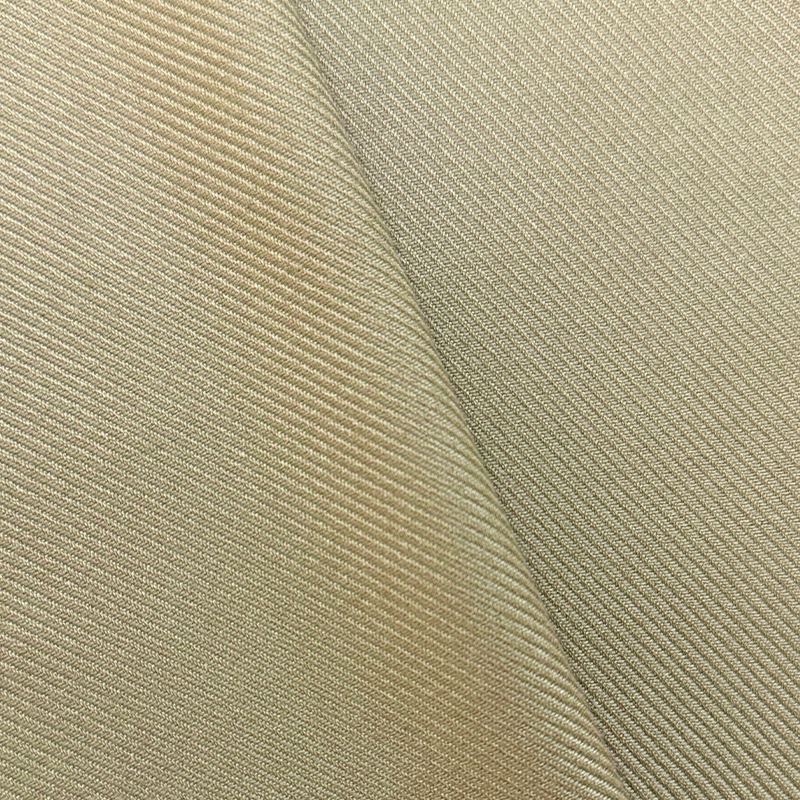
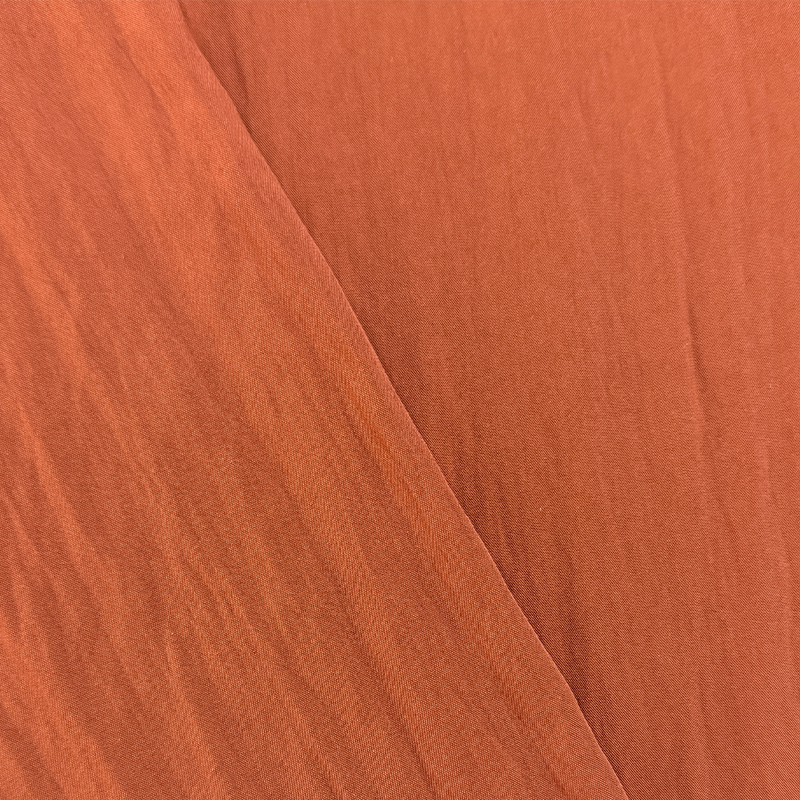
A Durable Woven Fabric Manufacturer typically works across several weave constructions, since plain weave, twill weave, satin weave, and textured mesh weave each produce a different balance of durability, drape, breathability, and surface texture. Plain weave, where warp and weft yarns cross in a simple over-under pattern, generally produces a stable, durable base cloth. Twill weave, identifiable by its diagonal rib pattern, generally offers a good balance of drape and durability, which is why four-way stretch twill constructions appear frequently in apparel-focused woven fabric ranges. Satin weave, with long yarn floats across the fabric face, generally produces a smoother, higher-sheen surface at some cost to abrasion durability, while textured mesh and crinkle weaves prioritize surface texture and visual interest over a flat, uniform finish.
The isometric diagram below illustrates the basic interlacing structure of a plain weave, showing how warp yarns (running lengthwise) and weft yarns (running crosswise) cross over and under one another to form the woven fabric structure that underlies constructions such as plain weave four-way stretch and twill four-way stretch fabrics.
The radar chart below compares four general weave categories across four performance dimensions on an illustrative 1-to-5 scale: durability, drape, breathability, and surface texture interest. Plain weave constructions tend to score well on durability due to their tight, balanced interlacing pattern. Satin and mesh or crinkle textured weaves tend to score higher on surface texture interest, since their construction is specifically intended to create visual and tactile variation on the fabric face. Twill weave generally sits in a favorable middle position across drape and durability, which is one reason four-way stretch twill fabrics are commonly used across a wide range of garment applications. As with the earlier chart, these values are illustrative and intended to describe general tendencies of each weave family rather than measured results for a specific product style.
Representative Woven Fabric Styles Across a Full Category Range
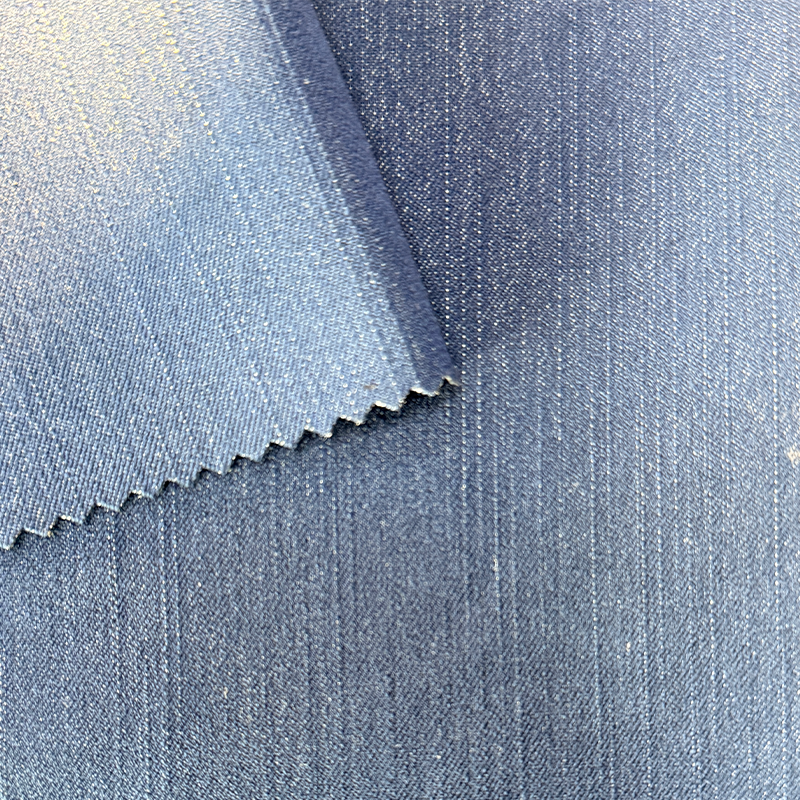
A full-category woven fabric manufacturer generally maintains a broad style range so that buyers can source multiple fabric types from a single supply chain rather than combining several separate vendors. The table below lists a representative set of woven fabric styles spanning textured mesh, crinkle, plaid stretch, satin, and Lurex metallic constructions, illustrating the general breadth commonly found across such a range.
| Style Reference | Construction Description |
|---|---|
| NO1003 | Matte Mesh Textured Fabric |
| NO1004 | High-Quality SSY Crinkle Fabric |
| NO1005 | Composite Filament Plaid Four-Way Stretch |
| NO1016 | Hand-Pleated Imitation Acetate Double-Sided Satin |
| NO1018 | Cationic Lurex Fabric |
| NO1019 | Composite Filament Double-Layer Plain Weave Four-Way Stretch |
| NO1021 | Faux Acetate Mesh Texture Fabric, Airflow Jet Dyeing |
| NO1022 | Lurex Polyester-Linen Blend |
| NO1023 | Filament Double-Layer Plain Weave Four-Way Stretch |
| NO1023 | Filament 21s Twill Four-Way Stretch |
| NO1026 | Lurex Highlight Fabric |
| NO1027 | Fashionable Lurex Double-Sided Twill Four-Way Stretch |
The donut chart below presents an illustrative breakdown of how a style range like the one listed above might be grouped by dominant characteristic: four-way stretch constructions, Lurex or metallic highlight finishes, textured or crinkle surface fabrics, and satin or acetate-imitation finishes. Four-way stretch styles often represent the largest share of a modern woven fabric range because stretch performance is broadly relevant across apparel categories. Lurex and metallic highlight fabrics form a distinct segment aimed at fashion-forward applications where surface shimmer is a primary selling point. Textured, crinkle, and mesh styles form another segment focused on tactile and visual interest rather than stretch performance, while satin and acetate-imitation styles round out the range for applications needing a smoother, higher-sheen finish.
Durable Woven Fabric Manufacturing: From Yarn to Finished Cloth
Producing a consistent Durable Woven Fabric range depends on control across the full supply chain, starting with cotton yarn or filament yarn production, moving through greige (unfinished) fabric weaving, and ending with dyeing, printing, or texturing treatments such as airflow jet dyeing or cationic dyeing for Lurex styles. Maintaining direct control over both yarn production and greige fabric weaving, rather than outsourcing either stage, generally supports more consistent quality and more reliable lead times, since fewer external handoffs reduce the chance of specification drift between batches. This kind of vertically coordinated production approach is one reason import and export fabric suppliers that operate their own yarn and greige fabric facilities are often able to offer more customized solutions across a wide style range.
Application Areas for Wrinkle Resistant TR Fabric
Wrinkle resistant TR fabric is commonly used across categories where a neat, crease-resistant appearance matters over the course of a working day or travel period, including uniform garments, tailored outerwear, and structured fashion pieces. Beyond TR blends specifically, the broader woven fabric range described above, spanning four-way stretch, textured, and Lurex highlight styles, serves a wider set of fashion and apparel applications where stretch, surface texture, or decorative shimmer are the primary requirements rather than wrinkle resistance alone. Selecting the right fabric family for a given application generally starts with identifying which property, whether crease resistance, stretch, texture, or sheen, matters most for the finished garment's intended use.
Selecting a Woven Fabric for a Specific End Use
The list below outlines general factors buyers commonly consider when selecting between wrinkle resistant TR fabric and other woven fabric styles for a specific garment or product application.
- Prioritize a TR polyester-viscose blend when crease resistance during travel or extended wear is the primary requirement.
- Select a four-way stretch construction when garment mobility and fit recovery are important.
- Choose a Lurex or metallic highlight fabric when a decorative, fashion-forward surface finish is the goal.
- Consider textured mesh or crinkle constructions when tactile and visual surface interest matters more than a flat finish.
About Shaoxing Echoes Textile Co., Ltd.
Shaoxing Echoes Textile Co., Ltd. is a full-category import and export fabric company that integrates research and development, production, and sales. With years of deep expertise in the textile industry, the company leverages its two core production bases, an 80-acre specialized greige fabric factory and an 80-acre modern cotton yarn factory, to achieve full industrial chain control from raw materials to finished products. Backed by strong production capabilities, consistent quality assurance, and a mature supply chain system, Echoes focuses on textile import and export operations, offering a wide range of products including various cotton yarns, greige fabrics, and related woven textile products exported to numerous regions worldwide. Supported by a professional international trade service team, the company aligns closely with customer needs, delivers efficient order fulfillment, provides customized solutions, and ensures comprehensive after-sales service.
Frequently Asked Questions
Q1: What does the TR in wrinkle resistant TR fabric stand for?
TR generally refers to a blend of terylene (polyester) and rayon (viscose) fiber, combined to balance elastic recovery with drape and softness in a woven fabric.
Q2: How is wrinkle resistance measured in a woven fabric?
Wrinkle recovery is commonly measured using AATCC Test Method 66 or the related ISO 2313 method, which folds and compresses a fabric specimen and then measures how far it recovers toward its original angle over a set time period.
Q3: What is the difference between plain weave and twill weave fabric?
Plain weave uses a simple over-under interlacing pattern that generally produces a stable, durable base cloth, while twill weave uses a diagonal interlacing pattern that generally offers a favorable balance of drape and durability.
Q4: What does four-way stretch mean in a woven fabric style?
Four-way stretch describes a fabric that stretches and recovers in both the lengthwise and crosswise directions, which supports garment mobility and fit compared with fabrics that stretch in only one direction.
Q5: What is Lurex fabric commonly used for?
Lurex refers to a metallic highlight yarn woven into a fabric to add shimmer, and it is commonly used in fashion-forward woven fabric styles where a decorative surface finish is the main design goal.