English
 Español
 italiano
Content
- 1 What Is a Fat Quarter of Fabric?
- 2 The Math Behind a Fat Quarter: Width, Yardage, and Waste
- 3 Fat Quarter vs Quarter Yard: Why Shape Matters More Than Size
- 4 How Fabric Width Changes the Fat Quarter You Receive
- 5 Where Fat Quarters Fit in Real Production: Quilting, Sampling, and Small-Batch Apparel
- 6 Fabric Type Checklist Before You Cut Fat Quarters
- 7 Fat Quarter, Fat Eighth, and Other Precuts: A Buyer's Quick Reference
- 8 Sourcing Fat Quarters from a Fabric Manufacturer or Wholesaler
- 9 Common Mistakes in Fat Quarter Orders
- 10 FAQ: Fat Quarter of Fabric
- 10.1 Is a fat quarter of fabric always 18 by 22 inches?
- 10.2 How big is a fat quarter in centimeters?
- 10.3 Is a fat quarter the same amount of fabric as a regular quarter yard?
- 10.4 What is a fat quarter used for?
- 10.5 Can I use a fat quarter for clothing?
- 10.6 Do fabric manufacturers cut fat quarters from 60-inch fabric differently?
- 10.7 How much shrinkage should I expect?
- 10.8 What should I ask a fabric supplier before ordering fat quarters?
- 10.9 Are fat quarters suitable for wholesale orders?
- 11 Practical Next Steps for Buyers
A sampling room receives a request for 300 fat quarters in a 45-inch printed rayon. The order looks simple until someone asks whether the cuts should be 18 by 22 inches, whether the usable width includes the selvedge, and whether the printer can keep the pattern repeat centered on every piece. At that point, the question is no longer just “what is a fat quarter of fabric?” It becomes a sourcing question about width, cut tolerance, fabric behavior, and the difference between a retail precut and a production-ready piece.
A fat quarter of fabric is a precut piece made by taking a half-yard length of fabric and cutting it in half across the width. On a 44-inch-wide fabric, that usually produces a piece about 18 by 22 inches. The important point is that a fat quarter is not simply “a quarter yard.” It is a different shape, and that shape changes what you can cut from it, how much waste you generate, and how you should specify it to a supplier.
What Is a Fat Quarter of Fabric?
A fat quarter is a rectangular cut of fabric that is approximately 18 inches long by 22 inches wide when the fabric is 44 inches wide. The name comes from the shape. A regular quarter yard is a long, narrow strip, usually 9 inches by the full fabric width. A fat quarter is made by cutting a half yard first, then splitting that half yard across the width. The result is shorter in one direction and wider in the other, which gives quilters and sample makers more room for blocks, panels, and small garment pieces.
The basic math is straightforward. One yard is 36 inches. A half yard is 18 inches. If the fabric is 44 inches wide, half of that width is 22 inches. So the common fat quarter is 18 by 22 inches. The total area is 396 square inches, which is the same as a regular quarter yard cut at 9 by 44 inches. The area is equal, but the usable shape is not. That is why two cuts can contain the same amount of fabric and still behave very differently on a cutting table.
Many people ask “how big is a fat quarter” as if there is one universal answer. In retail quilting, 18 by 22 inches is the common reference. In wholesale fabric supply, the answer depends on the fabric width and the supplier’s cutting standard. A 58- or 60-inch-wide fabric may be cut at 18 by 29 or 18 by 30 inches and still be called a fat quarter. A wide-width fabric may be cut even wider. For buyers, the safe approach is to ask for the cut sheet, not just the label.
Fat quarters are often associated with quilting cotton, but the format appears in other materials too. Printed rayon, linen blends, airy Tencel blends, and stable woven fabrics can all be cut into fat quarters for sampling or small-batch work. The fabric structure matters because a loose weave may fray more, a stretch fabric may distort, and a print may need a larger piece to show the full repeat. The term describes the cut, not the fiber content or the end use.
The Math Behind a Fat Quarter: Width, Yardage, and Waste
Understanding the math helps buyers compare quotes and avoid ordering the wrong format. A regular quarter yard is cut as 9 inches along the length and the full width across. A fat quarter is cut as 18 inches along the length and half the width across. On a 44-inch fabric, the regular quarter yard is 9 by 44 inches, and the fat quarter is 18 by 22 inches. Both contain 396 square inches, but the fat quarter is easier to use for projects that need a broader piece rather than a long strip.
Fabric width changes the formula. On a 60-inch-wide fabric, half the width is 30 inches, so a fat quarter may be 18 by 30 inches. On a 110-inch-wide fabric, half the width is 55 inches, so the cut may be 18 by 55 inches. These are not small differences. A buyer who compares prices per piece without checking width may be comparing two very different amounts of fabric. The table below gives a practical reference for common cuts.
| Cut type | Common dimensions on 44-inch fabric | Approximate area | Practical note |
|---|---|---|---|
| Regular quarter yard | 9 by 44 inches | 396 square inches | Long and narrow; useful for strips and binding. |
| Fat quarter | 18 by 22 inches | 396 square inches | Shorter and wider; useful for blocks and small panels. |
| Fat eighth | 9 by 22 inches | 198 square inches | Half the area of a fat quarter; useful for small accents. |
| Half yard | 18 by 44 inches | 792 square inches | Twice the area of a fat quarter; better for sampling garments. |
The chart below compares the approximate cut area of common precuts. It is a visual check, not a substitute for a cut specification, because shape matters as much as area. The numbers assume a 44-inch usable width and a clean rectangular cut.
The chart makes one point clear: a regular quarter yard and a fat quarter can contain the same area. That does not make them interchangeable. A cutter who needs a 20-inch-wide panel will struggle with a 9-inch strip, while a cutter who needs long binding strips may prefer the regular quarter yard. For fabric manufacturers and wholesalers, this is a useful conversation to have early, because cut format affects cutting-room efficiency, packaging, and the amount of waste left on the table.
At Echoes Textile, sampling teams often review cut format alongside fabric width and shrinkage. A blended fabric with a soft hand may look generous in a 44-inch cut but behave differently after washing. A stable woven may hold its shape well but still need a wider cut for a print repeat. The practical lesson is to treat the cut specification as part of the product specification, not as a casual note on a purchase order.
Fat Quarter vs Quarter Yard: Why Shape Matters More Than Size
The phrase “fat quarter vs quarter yard” is common because buyers often assume the two cuts are close enough to swap. They are not. A quarter yard is a long strip. A fat quarter is a broader rectangle. If your cutting plan needs long, continuous strips, the quarter yard may be the better format. If your plan needs a square-ish piece for a block, a sample panel, or a small garment part, the fat quarter is usually more practical.
Consider a simple quilting block that needs two 10-inch squares. A fat quarter at 18 by 22 inches can yield those squares with room to square up the edges. A regular quarter yard at 9 by 44 inches cannot produce a 10-inch square in one piece because the narrow side is only 9 inches. The area is the same, but the shape fails the cutting requirement. This is why experienced buyers do not compare fat quarters and quarter yards by weight or area alone.
The same logic applies to apparel sampling. A designer may need a 15-inch-wide panel to check drape, print placement, or seam behavior. A regular quarter yard may be too narrow, while a fat quarter gives enough width for a small sample. The sample may not be a full garment, but it can show whether the fabric is suitable for a skirt, a top, or a soft accessories range. For B2B buyers, the cut format should match the question the sample is meant to answer.
There is also a commercial angle. Fat quarters are often sold as retail precuts, while quarter yards are more common in bulk fabric supply. A fabric wholesaler may stock one format and cut the other on request. If you are ordering for a quilting shop, a craft kit, or a subscription box, the fat quarter format may be more attractive on the shelf. If you are ordering for a cutting room that runs long panels, a quarter yard or a half yard may reduce waste. The right answer depends on the cutting plan, not on the label alone.
How Fabric Width Changes the Fat Quarter You Receive
Fabric width is the quiet variable in almost every fat quarter order. The standard 18 by 22 inch size assumes a 44-inch-wide fabric with a usable width close to 44 inches. In reality, the selvedge, shrinkage, and edge condition can reduce the usable area. A supplier may cut from a 44-inch fabric but deliver pieces that are slightly narrower after finishing. A buyer who ignores this can end up with a fat quarter that is correct on paper but tight on the cutting table.
The formula is simple enough to write into a purchase order. First, confirm the fabric width. Second, confirm whether the width is before or after finishing. Third, confirm the cut tolerance. A common tolerance is plus or minus half an inch, but some suppliers work to a wider range on stretchy or loose-weave fabrics. Fourth, confirm whether the selvedge is included in the measurement. A clean cut that removes the selvedge may be more useful, but it may also reduce the piece size. These details matter when a production team is cutting hundreds of pieces.
On wider fabrics, the term “fat quarter” can become ambiguous. A 60-inch-wide fabric cut at 18 by 30 inches contains 540 square inches, which is much more than a standard 18 by 22 inch piece. A 110-inch-wide fabric cut at 18 by 55 inches contains 990 square inches. Some suppliers still call these fat quarters because the cut method is the same, but the commercial value is different. If you are comparing quotes from a fabric manufacturer, a supplier, or a wholesaler, ask for the actual cut size and the usable width in the same sentence.
Echoes Textile works with woven and knitted fabrics across different width ranges, including blended fabrics, polyester series, and natural fiber blends. For sampling, the team can review the cut format against the fabric’s shrinkage and hand feel. This is not a reason to skip your own checks. It is a reason to make width and tolerance part of the conversation before the order is confirmed. A small clarification at the sampling stage is cheaper than recutting a production batch.
Where Fat Quarters Fit in Real Production: Quilting, Sampling, and Small-Batch Apparel
Fat quarters are best known in quilting, but their role in production is broader. They are useful for color cards, sample books, small accessories, patchwork panels, and early-stage garment sampling. A sales team may use fat quarters to show a fabric’s print, hand feel, and drape without cutting a full meter. A designer may use them to test a trim, a pocket, or a contrast panel. A small brand may use them for limited runs of pouches, hair accessories, or craft kits.
For garment sampling, the fat quarter format has limits. A piece that is 18 by 22 inches is not enough for a full skirt panel or a sleeve on an adult garment. It can, however, show whether a fabric is suitable for a skirt concept, a soft top, or a decorative detail. This is where the cut format meets product development. The sample does not need to be a finished garment to answer a useful question.
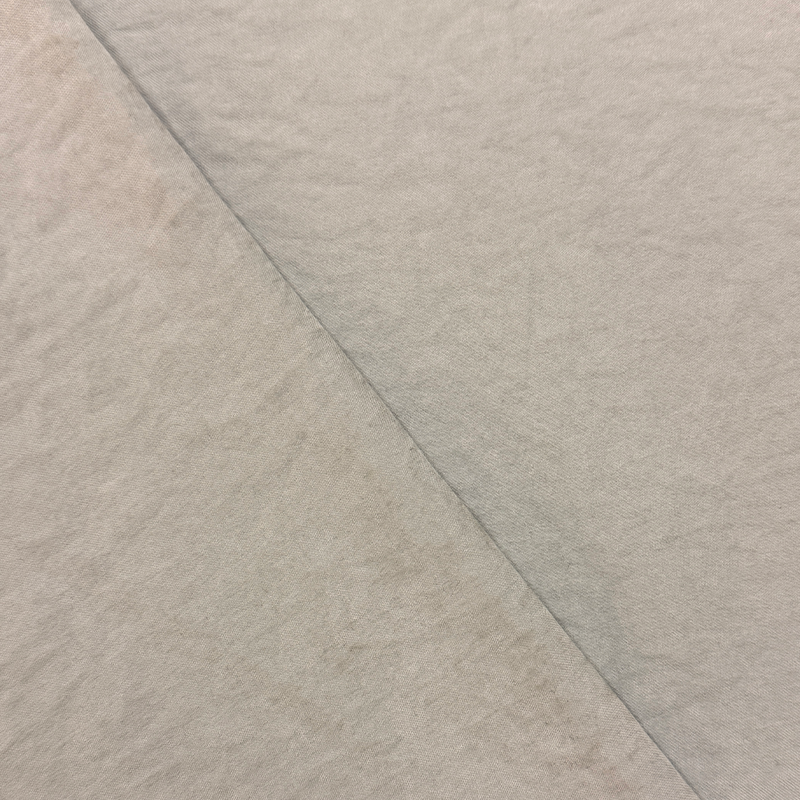
 NO 6004 TN Polyester-Nylon Skirt FabricA 160 GSM polyester-nylon blend with strong drape and shape support, useful for checking skirt and dress samples in a wider cut.View Product →
For skirt and dress concepts, a broader sample piece helps the team see drape and surface character. A fabric with a soft hand may look flat in a narrow strip but show its movement in a wider cut. A printed fabric may need enough area to judge the scale of the pattern. A blended fabric may need enough width to check whether the grain stays straight after handling. These are practical reasons to choose a fat quarter or a larger sample cut instead of a long, narrow strip.
 NO 6044 Light & Airy Tencel Stripe FabricA 60 GSM Tencel-rayon blend with fine vertical stripes and soft drape, suited to checking light spring and summer garment samples.View Product →
Light and airy fabrics bring another consideration. A fat quarter may be easy to cut, but the edges can shift during handling. A loose weave may fray, and a lightweight fabric may curl. For sampling, the buyer should ask for a clean cut with enough margin to square up the piece. If the fabric is intended for summer dresses or soft tops, the sample should be large enough to show transparency, drape, and surface texture. A fat quarter can do that if the width and cut quality are controlled.
Small-batch apparel and accessories often use fat quarters as a bridge between a swatch and a production roll. A swatch may be too small to judge print repeat or hand feel, while a full roll is too much for an early test. A fat quarter sits in the middle. It is large enough to cut a few test pieces and small enough to keep sampling costs under control. For a fabric supplier or wholesaler, offering a clear sampling format can make the development process smoother for buyers.
Fabric Type Checklist Before You Cut Fat Quarters
Not every fabric behaves well as a fat quarter. The cut itself is simple, but the fabric structure, finish, and pattern can change the result. Before ordering, run through a short checklist. It will help you avoid a batch of pieces that look correct in size but fail in handling, shrinkage, or print placement.
- Fabric structure: Stable woven fabrics usually hold a clean cut better than loose weaves or stretch knits. A soft, drapey fabric may need a wider margin for handling.
- Shrinkage: A fat quarter that measures 18 by 22 inches before washing may be smaller after finishing. Ask for shrinkage data and test a sample if the end use requires a specific finished size.
- Print repeat: A large repeat may not show fully on a small piece. For printed rayon or other patterned fabrics, confirm the repeat size and whether the cut can be centered on the motif.
- Grain and stretch: A cut that is slightly off-grain can distort during sewing. Stretch fabrics may need a wider cut or a stabilizing finish to keep the piece square.
- Fraying: Loose weaves and some rayons fray at the edges. A clean cut, a slightly larger piece, or a edge finish may be needed for handling.
- Nap and surface: Velvet, brushed fabrics, and some pile fabrics have a direction. A fat quarter cut without regard to nap may look different under light.
Printed fabrics deserve extra attention because the pattern is part of the product. A small floral may look charming on a swatch but become busy on a larger cut. A large-scale print may lose its impact on a small piece. A stripe or a border print may need to be cut in a specific direction. The buyer should state whether the print needs to be centered, whether the repeat can be split, and whether the cut should follow the straight grain.
 45S Printed Rayon Small Floral FabricA 105 GSM 100% rayon print with a small floral pattern and fluid drape, useful for judging print scale, hand feel and color.View Product →
For printed rayon, the fabric’s drape and the print scale both matter. A small floral can work well for soft accessories, while a larger motif may need a wider panel. A fat quarter can be a useful sample size if the buyer knows what the sample is meant to prove. If the goal is to check the full repeat, a larger cut may be more appropriate. If the goal is to check hand feel and color, a fat quarter may be enough.
Echoes Textile offers blended, polyester, printed, and sustainable fabric ranges, and each range can behave differently when cut. A recycled or organic fabric may have a different hand feel from a conventional version. A TR stretch twill may need a different cut tolerance from a lightweight rayon. The checklist is not a barrier. It is a way to make the sample order more useful and to reduce back-and-forth later.
Fat Quarter, Fat Eighth, and Other Precuts: A Buyer's Quick Reference
Fat quarters sit inside a family of precuts. The names can be confusing because they describe both size and shape. A fat eighth is usually half of a fat quarter, around 9 by 22 inches on 44-inch fabric. A regular quarter yard is 9 by 44 inches. A half yard is 18 by 44 inches. A charm pack and a jelly roll are different formats again, often based on 5-inch squares or 2.5-inch strips. The exact sizes can vary by supplier, so the same rule applies: ask for the cut sheet.
- Fat eighth: About 9 by 22 inches. Useful for small accent pieces, applique, and sample cards.
- Fat quarter: About 18 by 22 inches. Useful for blocks, small panels, and broader samples.
- Regular quarter yard: About 9 by 44 inches. Useful for long strips, binding, and narrow panels.
- Half yard: About 18 by 44 inches. Useful for garment sampling and larger test pieces.
- Charm pack: Often 5-inch squares. Useful for patchwork and small coordinated projects.
- Jelly roll: Often 2.5-inch strips. Useful for strip piecing and binding.
The right precut depends on the cutting plan. If a project needs many small squares, a charm pack may reduce cutting time. If it needs broader pieces, a fat quarter may be better. If it needs long strips, a jelly roll or a regular quarter yard may be more efficient. The mistake is to order by name alone without checking the actual dimensions and the fabric width behind the cut.
For wholesale buyers, precut formats can also affect packaging and presentation. A fat quarter bundle may be more attractive for retail than a stack of quarter yards. A fat eighth bundle may suit a smaller project or a lower price point. A fabric manufacturer or wholesaler can often cut to a requested format, but the minimum order quantity and cutting cost may change. It is worth discussing the format before the order is finalized.
Sourcing Fat Quarters from a Fabric Manufacturer or Wholesaler
Sourcing fat quarters for a shop, a kit, or a sampling program is different from buying a few pieces at retail. The buyer needs a repeatable cut, a stable fabric supply, and a clear agreement on width, tolerance, and packaging. A fabric manufacturer or wholesaler can usually offer more flexibility on format than a retail cutter, but the buyer must specify the requirement clearly. “Fat quarter” alone is not enough for a production order.
Start with the fabric. Confirm the article number, fiber content, width, weight, shrinkage, and finish. Then confirm the cut. Ask for the exact dimensions in inches or centimeters, the tolerance, and whether the selvedge is included. Ask how the pieces are folded, labeled, and packed. If the fat quarters are for retail, ask whether they can be bundled by color or collection. If they are for sampling, ask whether the supplier can include a larger piece for repeat and hand-feel checks. These details reduce the risk of a shipment that is technically correct but commercially awkward.
Echoes Textile operates two production bases, including an 80-mu grey fabric factory and an 80-mu cotton yarn factory, and describes a daily fabric capacity of 200,000 meters. That kind of capacity does not remove the need for cut specifications, but it does support consistency when the buyer and supplier agree on the standard. The company also provides export documentation, order follow-up, and customization support through its international trade team. For buyers working across different markets, that service layer can be as important as the fabric itself.
Minimum order quantity is another practical point. A retail shop may want 200 fat quarters in five prints. A sampling team may want 20 pieces in one fabric. A garment factory may want a half-yard sample rather than a fat quarter. The supplier’s cutting cost, packaging cost, and fabric waste will vary with the format. A good wholesaler will explain the trade-off instead of quoting a single price per piece. The buyer should compare the total cost of the cut, not just the fabric cost per meter.
Quality control should cover more than appearance. Check the cut size on a sample of pieces, the grain direction, the print alignment, and the edge condition. If the fabric is stretch or loose-weave, check whether the pieces stay square after handling. If the fabric is printed, check whether the repeat is centered or at least consistently placed. If the order is for a retail bundle, check the fold and label. These checks are simple, but they catch problems before the shipment reaches the customer.
Common Mistakes in Fat Quarter Orders
Most fat quarter problems are avoidable. They usually come from unclear specifications rather than from the fabric itself. The first mistake is assuming every fat quarter is 18 by 22 inches. The second is ignoring fabric width. The third is treating a retail precut as if it were a production cut. These assumptions can lead to short pieces, off-grain cuts, or a batch that does not match the sample.
- Ordering by name only: “Fat quarter” can mean different sizes on different fabric widths. Ask for dimensions in inches or centimeters.
- Ignoring shrinkage: A piece that measures correctly before washing may be smaller after finishing. Confirm shrinkage data for the intended end use.
- Mixing dye lots: If the fat quarters are for a bundle or a kit, confirm that all pieces come from the same dye lot or a controlled set of lots.
- Skipping the grain check: An off-grain cut can distort during sewing. Ask how the supplier aligns the cut with the straight grain.
- Forgetting print repeat: A small piece may not show the full motif. Confirm whether the cut needs to be centered or repeat-matched.
- Comparing price per piece only: A larger cut on a wider fabric may cost more per piece but deliver more usable area. Compare the usable size, not just the piece count.
Another common mistake is ordering a fat quarter when a half yard would be more appropriate. If the sample needs to show a full garment panel, a fat quarter may be too small. If the sample only needs to show color and hand feel, a fat quarter may be enough. The buyer should define the purpose of the sample before choosing the cut. This simple step can reduce waste and avoid repeated sampling.
Finally, do not assume that a low price per piece means a better deal. A supplier may use a narrower fabric, a tighter cut, or a lower grade of fabric to hit the price. The buyer should compare the actual dimensions, the fabric quality, the packaging, and the delivery terms. A clear specification protects both sides and makes the quotation process more transparent.
FAQ: Fat Quarter of Fabric
Is a fat quarter of fabric always 18 by 22 inches?
No. The 18 by 22 inch size is the common reference for 44-inch-wide quilting fabric. On a 60-inch-wide fabric, a supplier may cut 18 by 30 inches and still use the term fat quarter. On a 110-inch-wide fabric, the piece may be even wider. Always confirm the exact dimensions and the usable width before ordering.
How big is a fat quarter in centimeters?
A standard 18 by 22 inch fat quarter is about 46 by 56 centimeters. The conversion is approximate because suppliers may round the cut to a convenient metric size. If you are ordering from a manufacturer or wholesaler, ask for the cut in the unit used by your cutting room to avoid conversion errors.
Is a fat quarter the same amount of fabric as a regular quarter yard?
On a 44-inch fabric, both can contain about 396 square inches. The difference is shape. A regular quarter yard is 9 by 44 inches, which is long and narrow. A fat quarter is 18 by 22 inches, which is shorter and wider. The area may be equal, but the usable shape is not.
What is a fat quarter used for?
Fat quarters are used for quilting blocks, patchwork, small bags, pouches, notebook covers, craft kits, sample cards, and small apparel details. They are also used in product development to check color, print scale, and hand feel. They are less suitable for large garment panels because the piece is relatively small.
Can I use a fat quarter for clothing?
It depends on the garment. A fat quarter may be enough for a pocket, a trim, a small child’s piece, or a sample panel. It is usually not enough for an adult skirt, sleeve, or trouser panel. For garment sampling, a half yard or a larger cut is often more practical.
Do fabric manufacturers cut fat quarters from 60-inch fabric differently?
Often yes. The cut method may stay the same, but the width changes. Half of a 60-inch fabric is 30 inches, so a fat quarter may be 18 by 30 inches. Some suppliers still call it a fat quarter, while others use a different name. The buyer should ask for the actual dimensions rather than relying on the label.
How much shrinkage should I expect?
Shrinkage depends on the fiber, weave, and finish. Cotton and rayon blends may shrink differently from polyester or stable synthetics. The supplier should provide shrinkage data for the specific article. If the finished size matters, wash or finish a sample before cutting the production pieces.
What should I ask a fabric supplier before ordering fat quarters?
Ask for the fabric width, usable width, cut dimensions, tolerance, selvedge treatment, shrinkage, print repeat, dye lot, packaging, minimum order quantity, and lead time. If the pieces are for retail, ask about folding and labeling. If they are for sampling, ask whether a larger piece can be included for hand-feel and repeat checks.
Are fat quarters suitable for wholesale orders?
Yes, if the supplier can cut to a consistent standard. Wholesale fat quarters are common for quilting shops, craft kits, and subscription programs. The buyer should confirm the cut size, fabric width, packing method, and QC process. A fabric wholesaler may also offer bundles by color, print, or collection.
Practical Next Steps for Buyers
If you are sourcing fabric for quilting, sampling, or small-batch production, start with the cut plan. Decide whether you need width or length. Confirm the fabric width and the usable area. Ask for the cut tolerance and the shrinkage data. Then compare suppliers on the same specification. This approach takes a little more time at the start, but it prevents the more expensive problem of receiving a shipment that cannot be used.
Echoes Textile works with buyers across woven, knitted, printed, blended, and sustainable fabric ranges. The company’s production background and export service team can support sampling and order follow-up, but the buyer’s specification still drives the result. A clear request for a fat quarter, a half yard, or a custom sample cut will always produce a more useful response than a general inquiry.
Need a cut sample or a production quote?
Use the links below to continue the conversation with the team or to review a related fabric guide.
- Contact Echoes Textile to discuss fabric width, cut format, sampling, and order requirements.
- Read the printed fabric guide for more on print choice, repeat, and summer dress applications.