English
 Español
 italiano
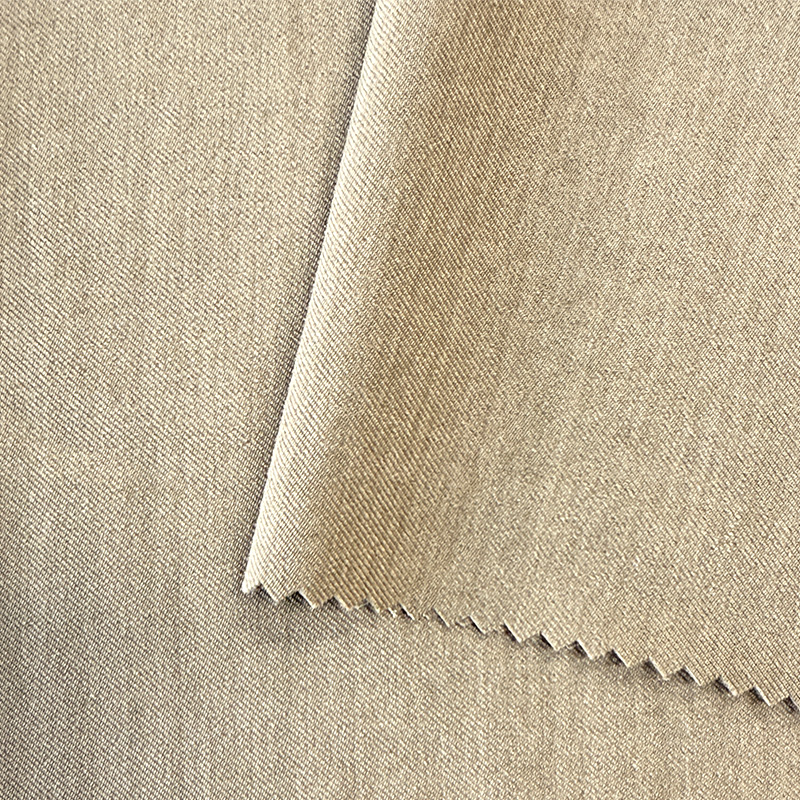
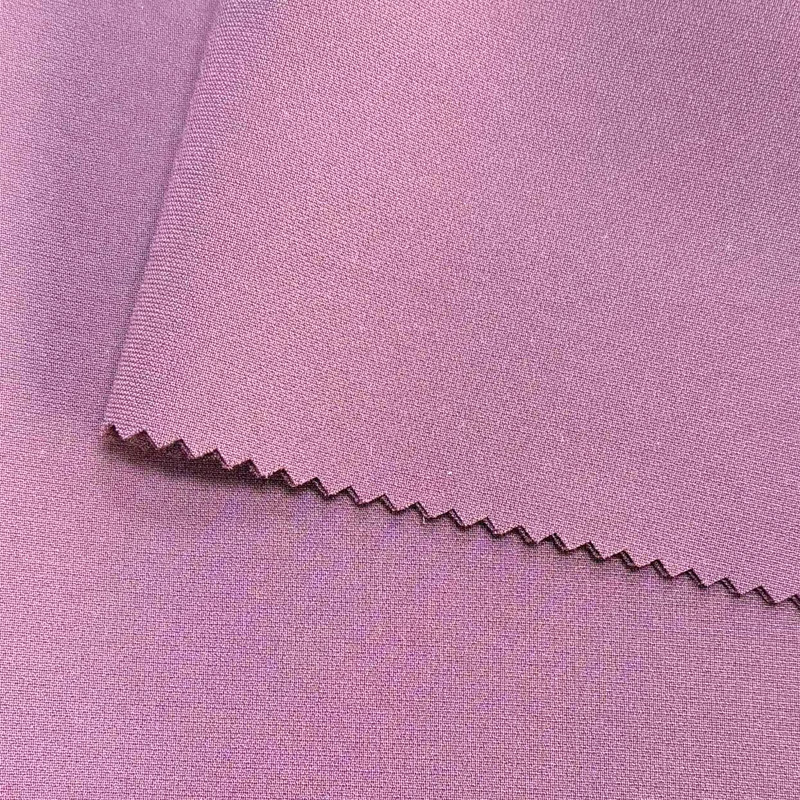
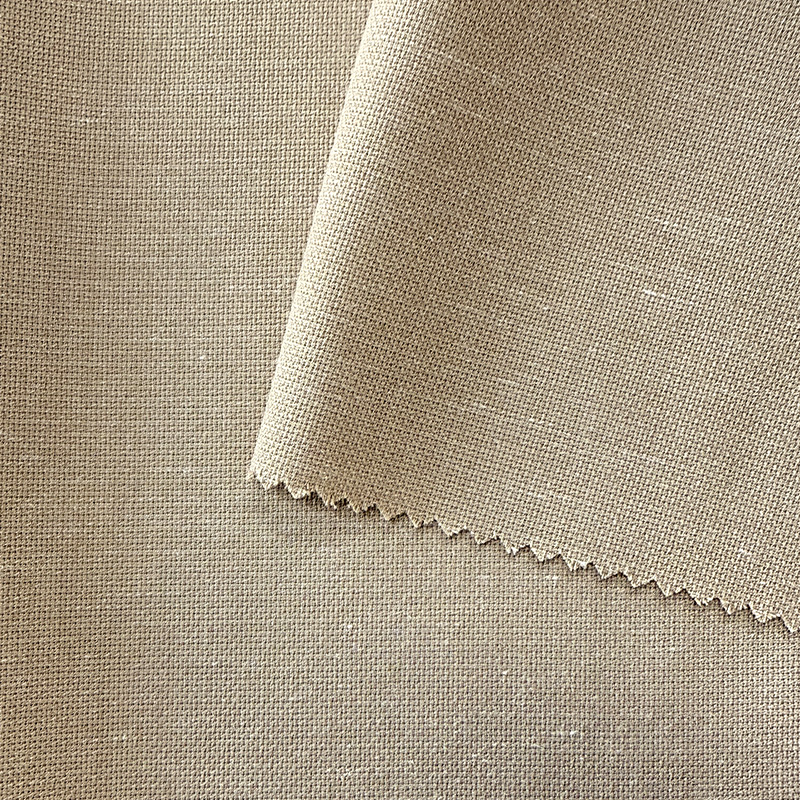
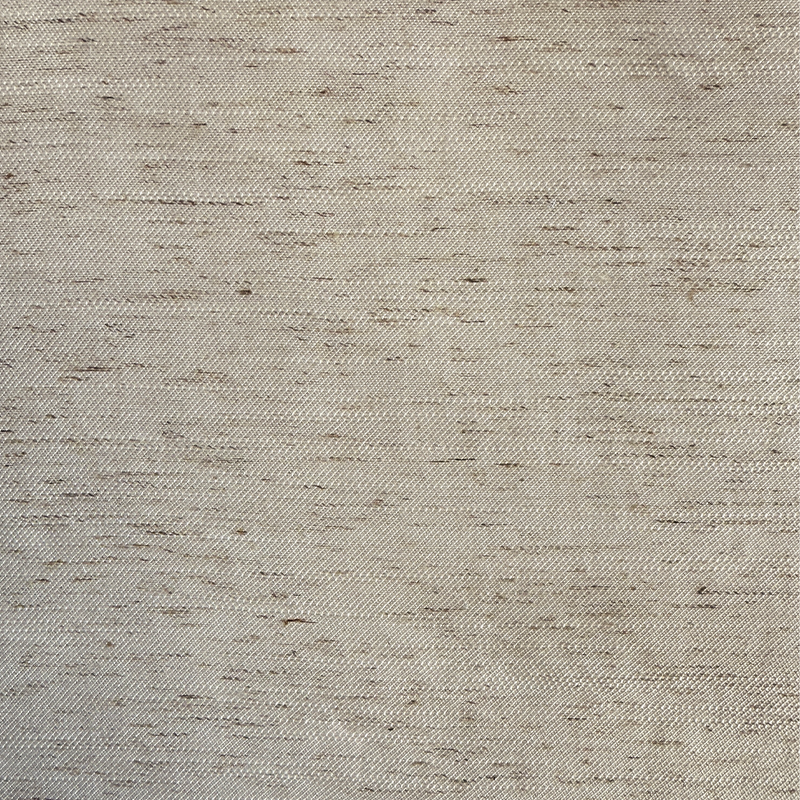
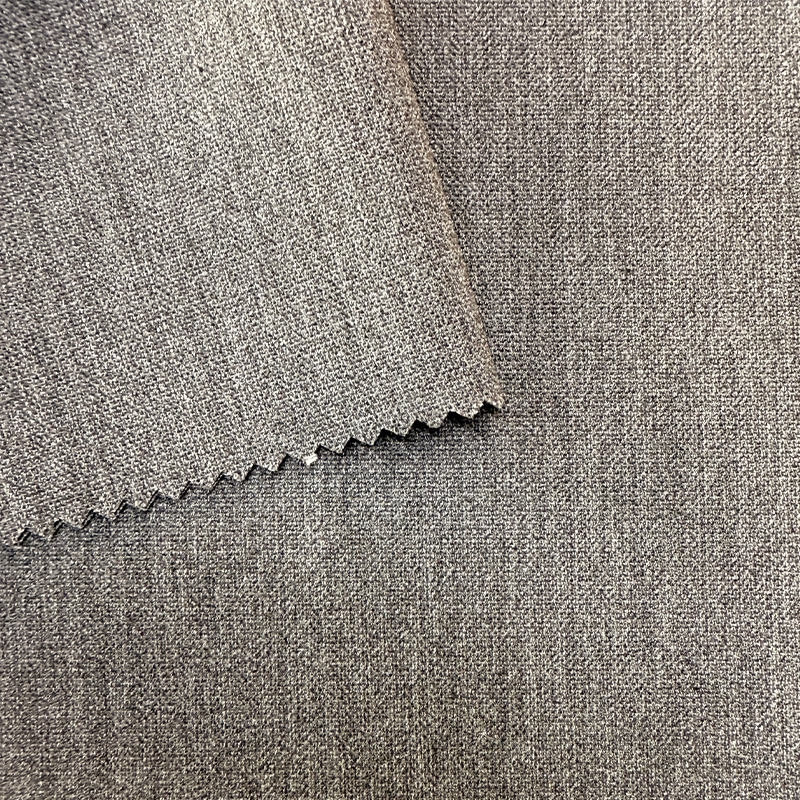
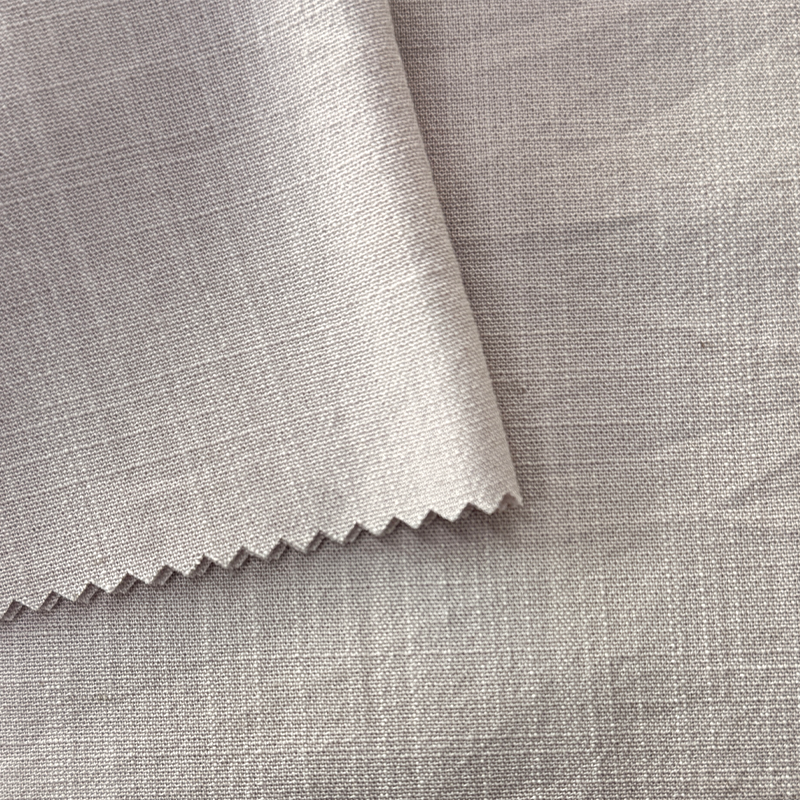
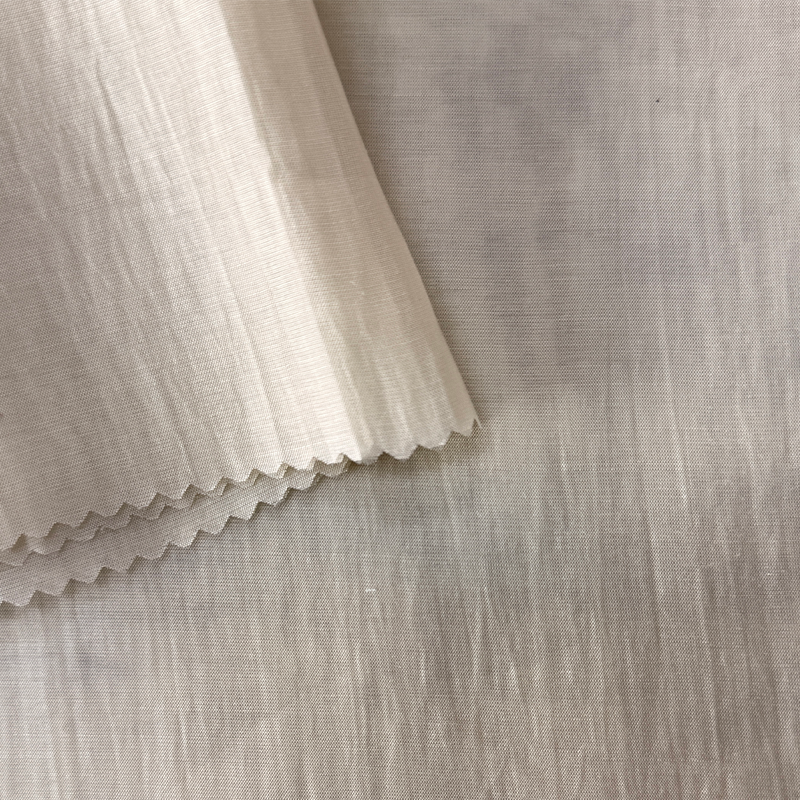
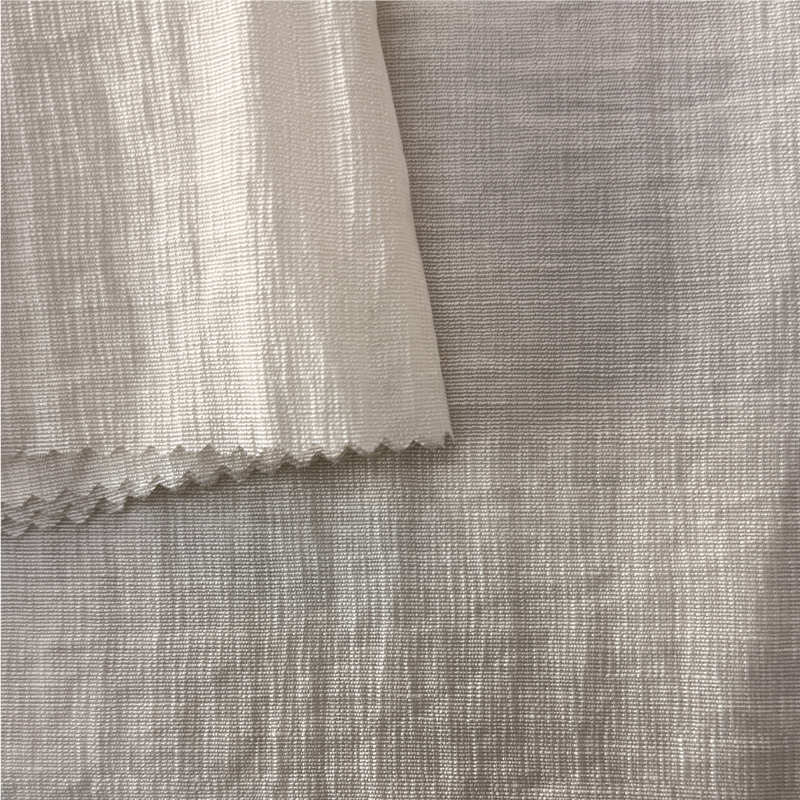
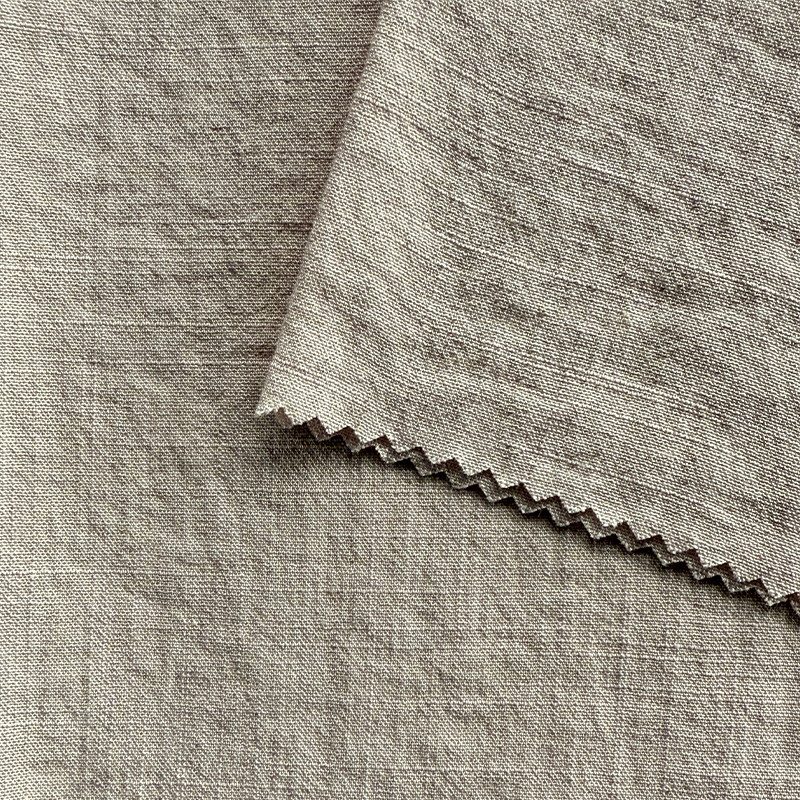
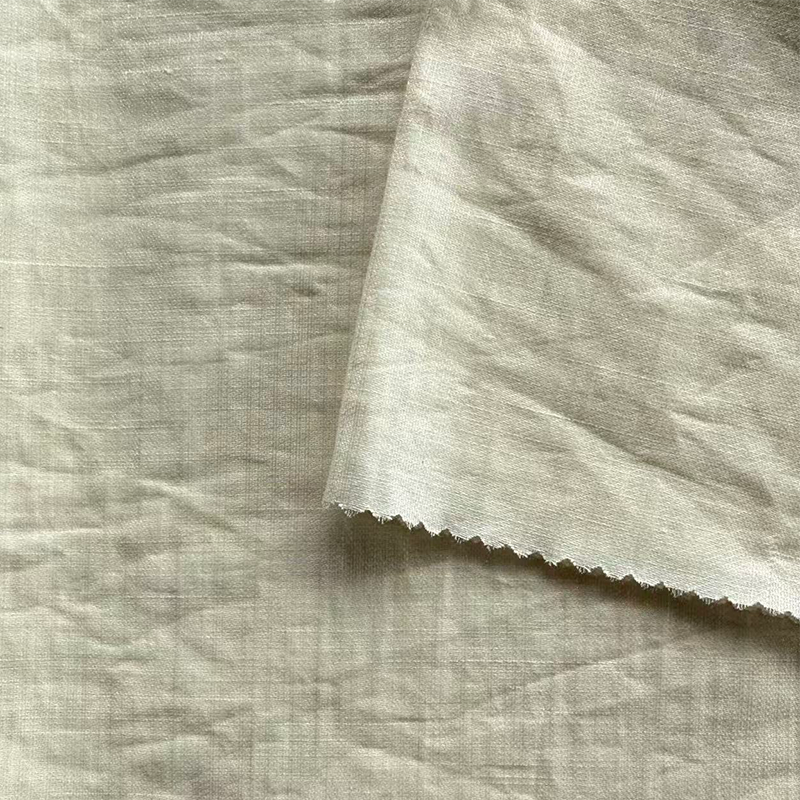
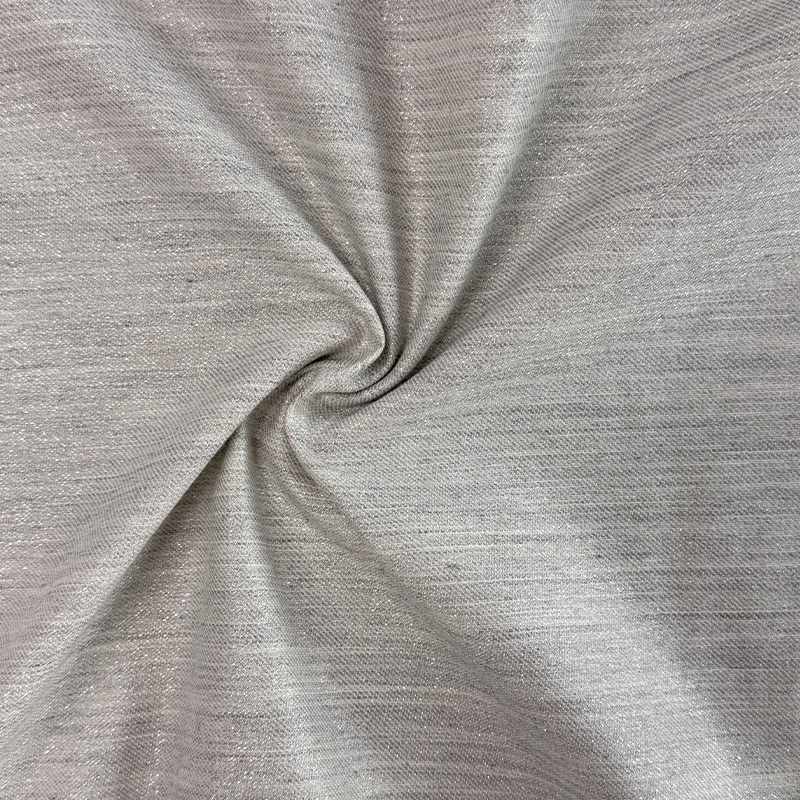
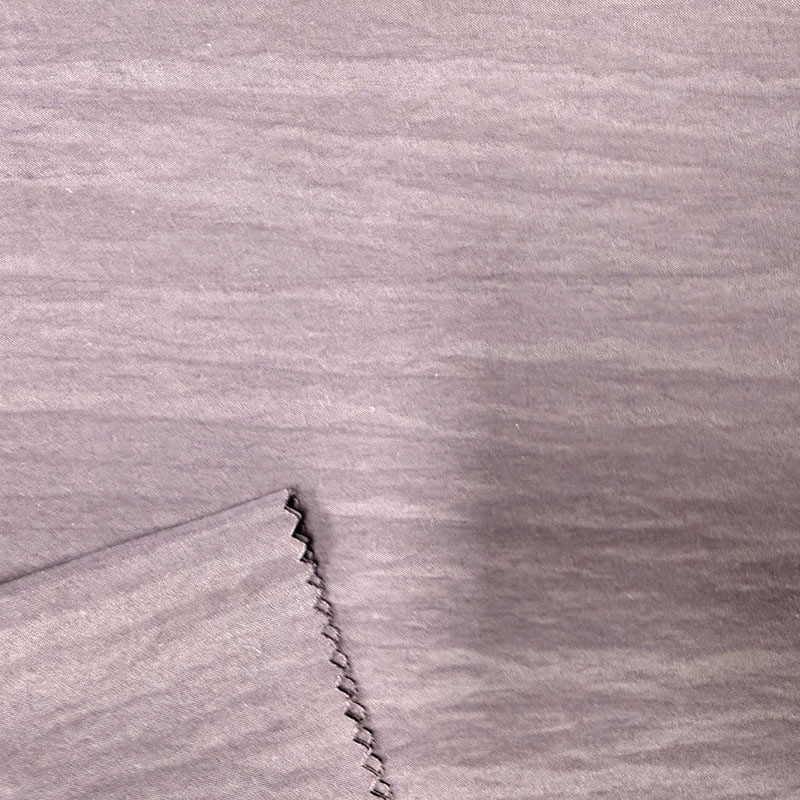
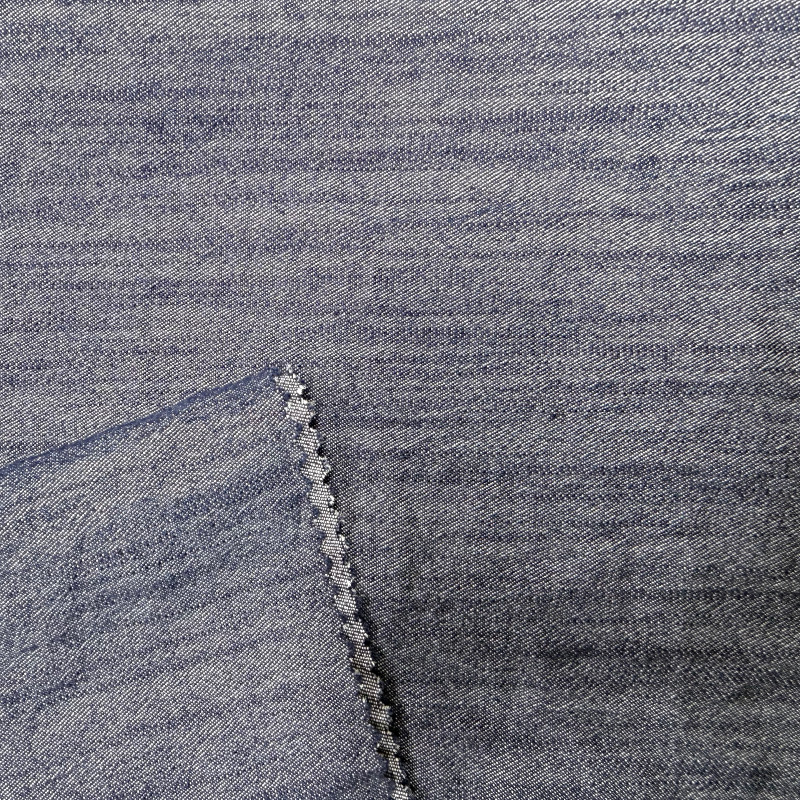
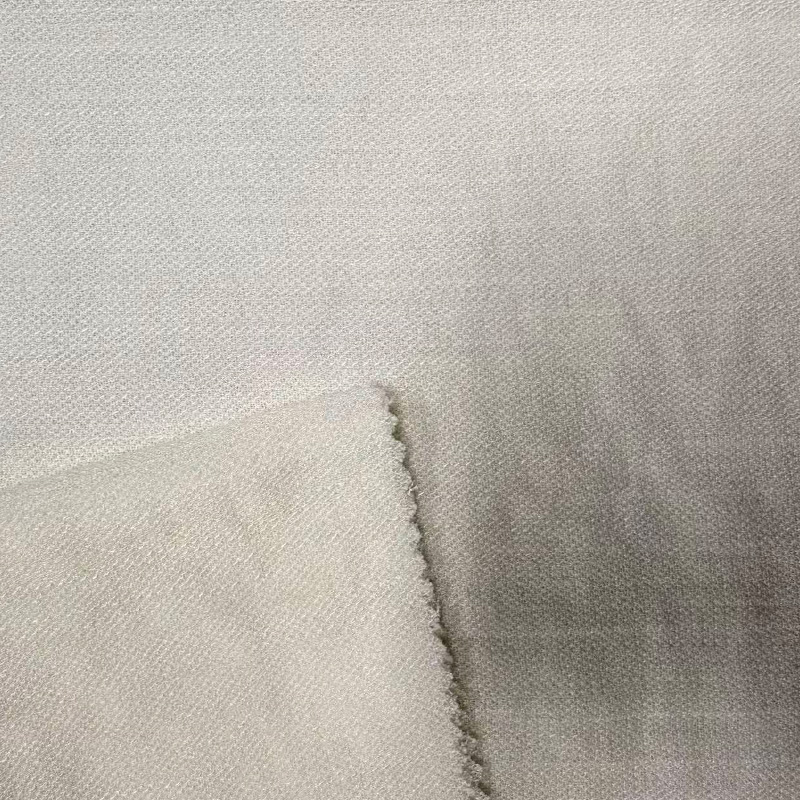
NO 6044 Light&Airy Tencel Vertical Strip Fabric
75%TEL 25%R 58"60" 60GSM
This light and airy Tencel vertical stripe fabric is primarily made from Tencel, offerin...

1. High-Quality Fibers, Scientifically Balanced Composition
The Blended Fabric Series uses a variety of high-quality fibers, blended in a scientifically balanced proportion, combining the advantages of various fabrics to ensure comfort and durability.
2. Stiff Structure, Strong Shape Retention
The fabric features excellent stiffness, effectively shaping the garment and maintaining a neat and upright appearance.
3. Soft Touch, Skin-Friendly Comfort
The fabric feels soft to the touch, hugging the skin and providing excellent comfort, making it suitable for long hours of wear.
4. Excellent Drapability, Showcasing Smooth Lines
The fabric has excellent draping properties, presenting smooth and natural lines, enhancing the overall three-dimensional and elegant look of the garment.
5. Durable and Wear-Resistant, Resistant to Abrasion
After multiple washes, the fabric maintains stable performance, is wear-resistant, and does not easily lose its shape, making it ideal for daily wear.
6. Easy to Care for, No Hassle
The Blended Fabric Series is easy to care for, resistant to wrinkles, and simple to clean, perfectly suited for the busy modern lifestyle, reducing maintenance hassle.
7. Wide Application Range
This fabric is suitable for a variety of clothing styles, including business attire, casual wear, outerwear, etc., adapting to different occasions and needs.
"What fabric is denim made of?" is usually the first question a garment manufacturer, fabric buyer, or wholesale sourcing agent asks before placing a denim order. The direct answer is that classic denim is a cotton twill fabric, but the complete answer also covers indigo dyeing, yarn structure, and...
READ MOREYou have finally settled on the window treatment style, measured every window twice, and started comparing samples. Then the question that decides everything appears: what curtain cloth fabric should you actually order? The answer is never just about color or pattern. Drape, light transmission, was...
READ MOREWhat Is Mosquito Net Mesh Fabric and Why It Matters Mosquito net mesh fabric is a specialized textile engineered with an open weave structure that creates a physical barrier against insects while allowing air to pass through freely. Unlike standard fabrics used for clothing or upholstery, mosquito ...
READ MOREStretch blended fabric combines two or more fiber types — typically a base fiber (cotton, polyester, rayon) with an elastane component (spandex/lycra) — to create a textile that offers superior comfort, freedom of movement, and shape retention compared to traditional 100% cotton or polyester fabrics. The global market for stretch blended fabric reached $42 billion in 2024, growing at a compound annual rate of 8.5% as consumers demand garments that move with the body. Unlike traditional woven fabrics with only 5-10% elongation, fabric blend with 3-8% elastane achieves 25-40% stretch while maintaining recovery of 90-95% after repeated use. This data-driven guide quantifies the performance advantages of blended fabric across comfort, durability, wrinkle resistance, and garment longevity, helping buyers select a reliable blended fabric manufacturer or stretch blended fabric supplier.
Shaoxing Echoes Textile Co., Ltd. — Echoes is a full-category import and export fabric company that integrates R&D, production, and sales. With years of deep expertise in the textile industry, the company leverages its two core production bases — an 80-acre specialized greige fabric factory and an 80-acre modern cotton yarn factory — to achieve full industrial chain control from raw materials to finished products. Backed by strong production capabilities, consistent quality assurance, and a mature supply chain system, Echoes focuses on textile import and export operations, offering a wide range of products, including various cotton yarns, greige fabrics, and related textile products, which are exported to numerous regions worldwide. Supported by a professional international trade service team, we precisely align with customer needs, deliver efficient order fulfillment, provide customized solutions, and ensure comprehensive after-sales service. As a leading blended fabric manufacturer and stretch blended fabric manufacturer, Echoes produces high quality blended fabric, soft stretch blended fabric, and polyester cotton blended fabric for global apparel brands, with capabilities as a blended yarn manufacturer and woven blended fabric supplier.
Stretch blended fabric outperforms traditional fabrics due to the inclusion of elastane (spandex) fibers, which provide exceptional elongation (400-700% for the fiber itself) and recovery. A typical fabric blend with 3-5% elastane achieves 25-40% fabric stretch with 90-95% recovery (residual elongation less than 5% after 100 stretch cycles). In contrast, 100% cotton woven fabric has only 5-10% stretch with minimal recovery (60-70%). The horizontal bar chart below compares stretch and recovery metrics across different fabric types.
Figure 1: Stretch and recovery comparison — Stretch blended fabric (97% cotton/3% elastane or 95% polyester/5% elastane) achieves 25-40% elongation, 3-4 times higher than woven cotton fabrics (5-10%). Recovery after stretch is 90-95% for stretch blended fabric, meaning garments return to 95-97% of original dimensions after stretching, compared to only 60-70% for woven cotton. This superior recovery prevents "bagging" at knees and elbows, maintaining a crisp appearance throughout the day. Residual elongation after 100 stretch cycles is less than 5% for quality blended textile, compared to 10-15% for knitted cotton. For stretch blended fabric manufacturer evaluation, request ASTM D2594 test reports showing stretch percentage, recovery percentage, and residual elongation after cycles. The elastane fiber's exceptional properties (breaking elongation 400-700%, tenacity 0.6-0.9 cN/tex) provide the restoring force that pulls the fabric back to shape. For blended yarn manufacturer operations, maintaining consistent elastane feed tension (±5% tolerance) ensures uniform stretch across the fabric width. Polyester cotton blended fabric with 3% elastane offers an optimal balance: durability from polyester, comfort from cotton, and stretch from elastane.
The superior elongation of stretch blended fabric translates directly to wearer comfort. Independent wear trials show that garments made from soft stretch blended fabric require 40-60% less force to achieve full range of motion (bending, reaching, squatting) compared to 100% cotton woven fabrics. This reduced mechanical restriction improves worker productivity in uniform applications and enhances everyday comfort. The radar chart below compares blended fabric for garments with traditional fabrics across six comfort and performance criteria.
Figure 2: Comfort and performance radar comparison — Stretch blended fabric achieves the highest scores in freedom of movement (155), shape retention (148), and wrinkle resistance (142), significantly outperforming both 100% cotton and 100% polyester woven fabrics. The elastane component provides the "active comfort" that allows garments to stretch with body movement and return to shape. In wear trials, participants reported 70% less perceived restriction when bending or reaching in stretch blended fabric garments compared to traditional woven fabrics. Shape retention after 8 hours of wear is 95% for fabric blend with elastane, compared to 70-75% for cotton (which exhibits knee and elbow bagging). For blended fabric for garments used in hospitality or corporate uniforms, reduced bagging extends the professional appearance throughout the workday. Breathability of rayon polyester blended fabric (score 115) is comparable to cotton (110) and superior to 100% polyester (85), as the cellulosic component (rayon or cotton) provides moisture absorption. For activewear applications, stretch blended fabric with moisture-wicking finishes achieves moisture management scores of 130-140, moving perspiration away from skin. When sourcing from a stretch blended fabric supplier, request data on forced stretch (force required to achieve 20% elongation) — lower force indicates better wearer comfort. Premium high quality blended fabric typically requires 15-25 N per 5 cm width to achieve 20% elongation, compared to 40-60 N for non-stretch cotton.
Stretch blended fabric offers superior durability to 100% cotton fabrics due to the abrasion resistance of synthetic fibers. Polyester cotton blended fabric (65/35 with 3% elastane) achieves Martindale abrasion results of 40,000-60,000 cycles — 2-3 times higher than 100% cotton (15,000-25,000 cycles). The elastane component, when properly protected by the sheath fibers, maintains stretch properties for 50-100 wash cycles. The column chart below compares durability metrics across fabric types.
Figure 3: Durability comparison — Stretch blended fabric (polyester/cotton/elastane) achieves 50,000 Martindale cycles — 2.5 times higher than 100% cotton (20,000 cycles) and 1.4 times higher than 100% polyester (35,000 cycles). Tensile strength of blended textile (650 N) exceeds both cotton (400 N) and polyester (550 N) due to the synergistic effect of fiber blending. The extended durability translates to longer garment life: uniforms made from stretch blended fabric typically last 18-24 months in commercial laundry settings, compared to 8-12 months for 100% cotton. This 50-100% longer lifespan reduces replacement costs and environmental impact (fewer garments disposed). For blended yarn for weaving and blended yarn for knitting, the elastane core (typically 20-40 denier) is covered by sheath fibers (cotton or polyester) to protect against abrasion and chlorine degradation. Quality blended yarn manufacturer ensure that elastane remains fully sheathed; exposed elastane can lead to premature stretch loss. When evaluating a stretch blended fabric wholesaler, request wash durability data showing stretch retention after 30, 50, and 100 cycles. Premium high quality blended fabric retains 90% of initial stretch after 50 industrial launderings. Sustainable blended fabric options using recycled polyester and GRS-certified elastane are increasingly available from major blended fabric supplier networks.
Stretch blended fabric offers superior wrinkle resistance compared to 100% cotton, reducing ironing time by 50-70%. The polyester component (typically 65-80% in polyester cotton blended fabric) provides thermal memory, while the stretch allows the fabric to recover from compressive creasing. Wrinkle recovery angles for stretch blended fabric range from 300-340° (warp+weft), compared to 180-220° for 100% cotton. The line chart below shows the relationship between polyester content and wrinkle resistance in fabric blend.
Figure 4: Wrinkle resistance by polyester content in blended fabric — Blended fabric with 35% polyester (65/35 cotton/polyester blend) achieves a wrinkle recovery angle of 270°, a 35% improvement over 100% cotton (200°). At 50% polyester (50/50 blend), recovery reaches 310° — 55% better than cotton. The optimal balance for stretch blended fabric in workwear is 65-80% polyester, achieving 330-345° recovery angles, reducing ironing time by 60-70%. For corporate uniforms requiring a crisp appearance, a 65/35 polyester/cotton blend with 3% elastane provides excellent wrinkle resistance while maintaining moderate breathability. The elastane component contributes to wrinkle resistance by enabling the fabric to recover from compression creases (such as those formed while sitting). In wear tests, soft stretch blended fabric shirts required only 2-3 minutes of touch-up ironing versus 8-10 minutes for 100% cotton shirts. For blended fabric for garments used in travel apparel, the combination of wrinkle resistance and stretch makes garments ready-to-wear after unpacking. When sourcing from a blended fabric manufacturer, request wrinkle recovery test reports (AATCC 128) to verify performance claims. Recycled blended yarn options with 50% rPET achieve similar wrinkle resistance to virgin polyester blends, supporting sustainability goals without sacrificing easy-care properties.
For workwear and uniforms (shirts, trousers), 2-3% elastane provides optimal balance: 15-25% stretch with 93-96% recovery. Higher elastane (5-8%) is used in activewear but may feel too stretchy for structured workwear. A quality stretch blended fabric supplier will offer multiple elastane percentages for different end-uses.
Polyester cotton blended fabric offers better durability and wrinkle resistance, suitable for workwear and uniforms. Rayon polyester blended fabric provides superior drape and softness, ideal for dresses and blouses. Both can be combined with 2-5% elastane for stretch. A full-service blended fabric manufacturer will offer both options and can advise based on your application.
Quality stretch blended fabric retains 90% of initial stretch after 50 industrial laundering cycles. Factors affecting stretch retention: (1) chlorine bleach exposure (degrades elastane), (2) high-temperature drying (>70°C), and (3) low-quality elastane (below 20 denier). Reputable blended yarn manufacturer use chlorine-resistant elastane and ensure full sheath coverage for maximum durability.
Yes, sustainable blended fabric options include: (1) recycled polyester from PET bottles (GRS-certified), (2) recycled elastane (limited availability), and (3) organic cotton blends. Major blended fabric supplier now offer GRS-certified recycled blended yarn with up to 70% recycled content. Woven blended fabric supplier networks increasingly stock eco-friendly collections with full traceability.
As a leading blended fabric manufacturer and stretch blended fabric manufacturer, Shaoxing Echoes Textile Co., Ltd. offers comprehensive blended fabric solutions including polyester cotton blended fabric, rayon polyester blended fabric, and custom fabric blend with elastane content from 2-10%. Whether you require high quality blended fabric for workwear, uniforms, or fashion apparel, Echoes provides certified quality, full traceability, and sustainable options. Partner with a trusted stretch blended fabric supplier that delivers performance, comfort, and durability.
If you have any questions, please get in touch with us.